
NFPA vs California Fire Code: Key Differences
When it comes to fire safety, the debate around nfpa vs california fire code is not just a matter of paperwork. It shapes how buildings are designed, how inspections are performed, and how lives are protected. Across the country, contractors and property owners often assume that fire codes are universal. However, California plays by its own detailed and often stricter rulebook. As Kord Fire Protection technicians frequently explain to clients, understanding these differences is not about winning a trivia contest. It is about compliance, safety, and avoiding very expensive surprises.
So let us walk through the key differences, calmly and clearly, with just enough humor to keep the sprinklers from activating out of boredom.

Understanding the Foundation: NFPA Standards
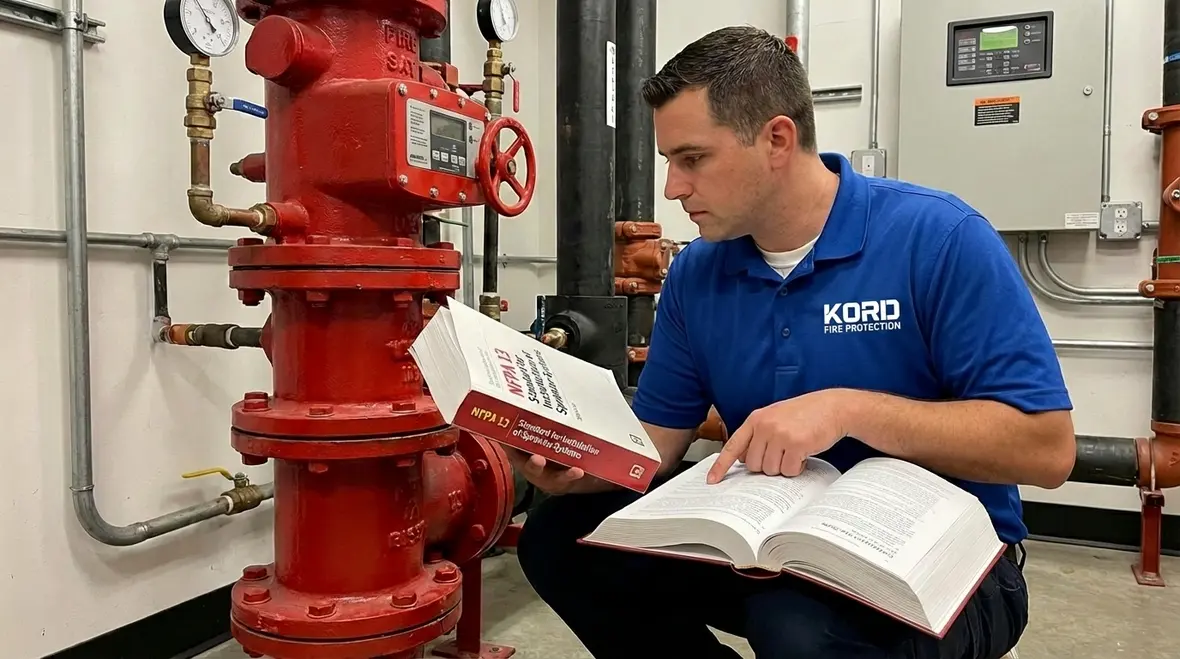
The National Fire Protection Association, or NFPA, develops consensus based standards used throughout the United States. These standards cover everything from sprinkler systems to fire alarms to electrical safety. While the NFPA does not enforce laws, states and local governments often adopt its standards into their regulations.
For example, NFPA 13 governs the installation of sprinkler systems. NFPA 72 focuses on fire alarm systems. Each document provides technical requirements, installation guidelines, and maintenance protocols. Because these standards are developed by industry experts, they tend to reflect national best practices.
However, and this is important, NFPA standards act as a baseline. They are not automatically law unless adopted by a jurisdiction. Think of them as the blueprint. States can follow them closely, modify them, or add extra layers of protection.
Kord Fire Protection technicians often explain it this way. NFPA writes the playbook. Each state decides how strictly it wants to referee the game.
For building owners who want to see how NFPA standards show up in everyday service, Kord’s wet sprinkler system inspection process is a good example of NFPA 13 and NFPA 25 in action, translated into clear, practical steps for your facility.
California Fire Code: Built for Higher Risk
California faces unique challenges. Wildfires, earthquakes, dense urban centers, and a massive population demand a more tailored approach. As a result, the California Fire Code builds upon national standards but often adds stricter provisions.
The California Fire Code is part of the California Code of Regulations, Title 24. It integrates model codes, including NFPA standards, but modifies them to address state specific hazards. For example, wildfire urban interface zones require additional fire resistant materials and defensible space planning. Seismic bracing requirements for fire sprinkler systems are also more detailed due to earthquake risk.
Therefore, while NFPA might set a national minimum, California frequently raises the bar. Property owners who assume that national compliance equals California compliance sometimes learn otherwise during inspection. And inspections in California are not known for their sense of humor.
NFPA vs California Fire Code: Structural and Technical Differences
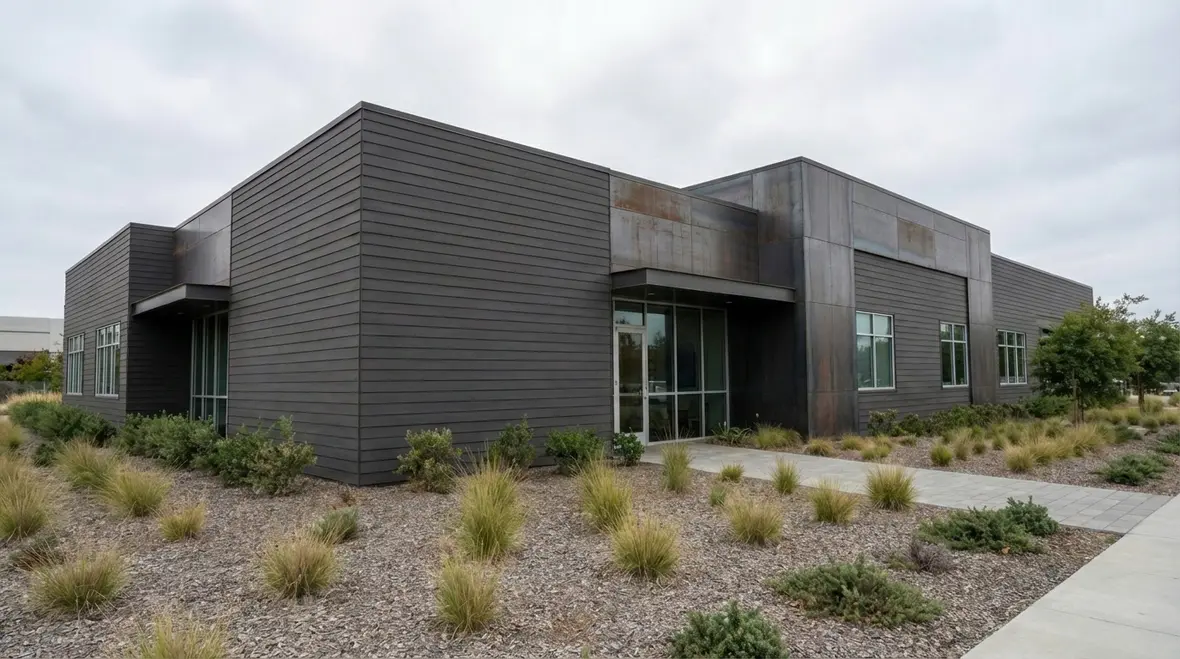
To understand the practical differences, it helps to compare how each framework approaches core fire protection systems. Below is a simplified comparison that Kord Fire Protection technicians often walk through with clients.
| Area of Focus | NFPA Standards | California Fire Code |
| Sprinkler Design | National baseline requirements under NFPA 13 | Often includes added seismic bracing and stricter local amendments |
| Fire Alarms | NFPA 72 outlines installation and testing | May require enhanced monitoring and integration with local fire authority systems |
| Wildfire Protection | Limited focus at national level | Detailed requirements for defensible space and fire resistant construction |
| Inspections | Guided by adopted NFPA testing intervals | Enforced with state specific timelines and documentation standards |
Although both systems prioritize life safety, California frequently layers additional requirements on top of NFPA guidance. Consequently, contractors must design systems that satisfy both the adopted NFPA standard and any California amendments.
How design and inspection tie together
On the design side, engineers reference NFPA documents for technical criteria, then cross check them against California Fire Code chapters, local ordinances, and AHJ policies. On the inspection side, firms like Kord Fire align their testing routes and reporting formats with California’s adopted NFPA editions so that every sprinkler head, alarm device, and valve passes both sets of expectations without confusion.
How Seismic Requirements Change the Game
If buildings could talk, California structures would probably mention earthquakes before anything else. Seismic activity directly influences fire protection design in the state.
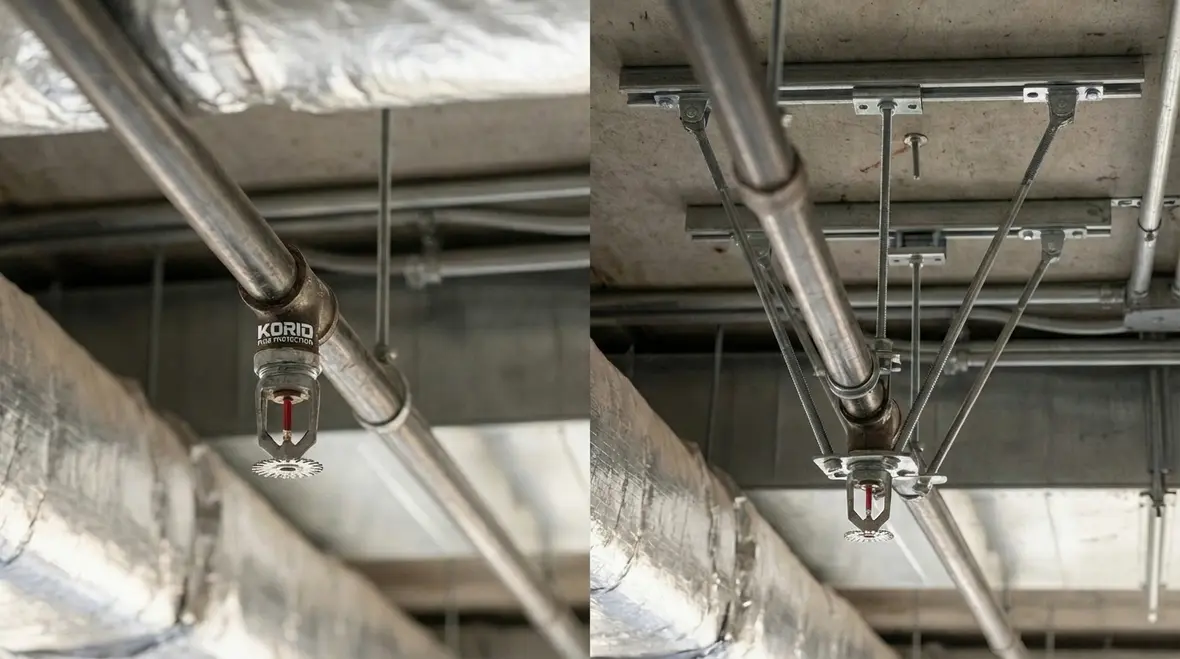
Under NFPA 13, seismic bracing is addressed, but California expands and enforces these provisions rigorously. The state requires detailed calculations, bracing configurations, and inspection verification to ensure that sprinkler systems remain intact after an earthquake. After all, a fire following seismic damage is a nightmare scenario.
As Kord Fire Protection technicians often note, installing sprinklers in California without proper seismic bracing is like putting a hat on during a hurricane and calling it storm gear. It might look fine at first, but it will not hold up when the ground starts dancing.
Because of these stricter measures, design professionals must coordinate closely with structural engineers. Moreover, inspections typically involve more documentation, which adds time but significantly increases resilience.
Real-world impact on projects
In practice, this means more time spent on calculations, hangers, sway bracing, and field verification. It can also influence ceiling design, mechanical layouts, and coordination with other trades. Skipping this step or treating it casually can lead to failed inspections, change orders, and schedule delays that make everyone on the project team a little less cheerful.
Local Amendments and the Authority Having Jurisdiction (AHJ)
Even within California, compliance does not stop at the state level. Local cities and counties can introduce amendments based on regional needs. Therefore, understanding nfpa vs california fire code is only part of the equation. One must also consider the Authority Having Jurisdiction, often called the AHJ.
The AHJ interprets and enforces the applicable code. In some areas, fire departments require additional access roads, hydrant spacing adjustments, or upgraded alarm monitoring systems. As a result, what passes in one city may require revisions in another just a few miles away.
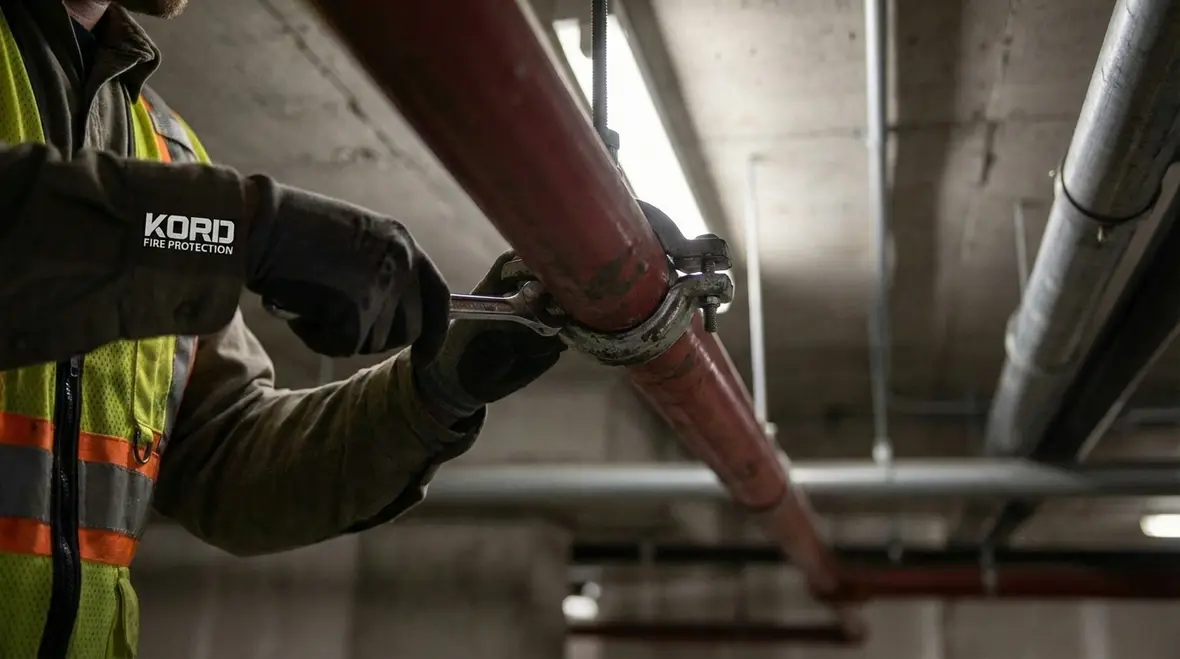
Kord Fire Protection technicians frequently coordinate directly with AHJs to clarify expectations before installation begins. This proactive approach saves clients from costly rework. Because in construction, tearing something out is far less fun than installing it correctly the first time.
Why local coordination matters
An AHJ may interpret the same NFPA paragraph slightly differently than a neighboring jurisdiction. Some want more fire department connections, extra signage, or specific alarm sequences. Partnering with a company already familiar with those expectations turns a potentially adversarial process into a collaborative one.
What Should Building Owners Know About Compliance?
Building owners often ask how to stay compliant without drowning in technical manuals. The answer is structured planning and expert guidance.
Step 1: Confirm your adopted code edition
First, owners should confirm which edition of the California Fire Code their jurisdiction has adopted. Codes update on a cycle, and requirements can shift. Treating “California code” as a single, unchanging document is an easy way to fall a few years behind without realizing it.
Step 2: Map NFPA references inside that edition
Second, they must verify which NFPA standards are referenced within that edition. Those references tell you which testing intervals, design tables, and installation rules apply to your system. NFPA may publish a new edition, but your AHJ might still be enforcing an older one until the next code cycle.
Step 3: Align inspection and testing schedules
Third, ongoing inspection and testing schedules should align with both state mandates and NFPA intervals. For example, quarterly and annual sprinkler inspections or alarm testing need to sync with Title 19 and local requirements so there are no gaps that show up during a surprise visit from the fire marshal.
Step 4: Treat documentation as part of your safety system
Additionally, documentation matters. Inspectors expect clear records of testing, maintenance, and system modifications. In California especially, paperwork is not optional. It is part of the safety system itself. Good records prove that your building is more than just compliant on paper; they show a consistent history of responsible care.
Kord Fire Protection technicians emphasize education during service visits. They explain not just what needs fixing, but why it matters. That clarity helps owners make informed decisions instead of reactive ones.
Design and Construction Impacts
The differences between national standards and California regulations influence project timelines and budgets. Because California may require enhanced materials, more robust bracing, or expanded fire access, construction costs can increase.
However, those added costs often reflect risk mitigation. For instance, wildfire prone zones demand ignition resistant construction materials. While this raises upfront expenses, it dramatically reduces long term exposure.
Furthermore, early coordination prevents redesign. When architects and engineers consider California specific fire requirements at the start, they avoid last minute changes. As many contractors learn, last minute changes tend to cost more than a streaming subscription and cause far more stress.
By understanding nfpa vs california fire code during the planning stage, project teams create safer buildings and smoother approvals.
Using service partners as code translators
Design teams do not have to navigate this alone. Experienced contractors and inspection companies serve as translators between NFPA language, California amendments, and local AHJ preferences. When you work with a full-service provider like Kord Fire Protection, you gain a team that has seen the same design questions and plan check comments dozens of times and already knows how to resolve them.
Why the Differences Matter More Than Ever
Fire risk continues to evolve. Climate change intensifies wildfire seasons. Urban density increases evacuation challenges. At the same time, building systems grow more complex. Therefore, state specific enhancements serve a critical role.
While NFPA standards provide a strong national backbone, California adapts those standards to meet regional hazards head on. This layered approach strengthens overall protection. It also means that businesses operating in multiple states cannot assume uniform compliance strategies.
Kord Fire Protection technicians often remind clients that codes are living documents. They change as lessons are learned. Staying informed ensures that safety systems perform when needed most. And unlike a software update, one cannot simply click remind me later on a fire code requirement.
Frequently Asked Questions
Conclusion: Partner with Experts Who Know the Code
Understanding the layers within national standards and California regulations takes experience, patience, and a steady hand. Kord Fire Protection technicians guide clients through each requirement with clarity and confidence. For property owners and contractors, the right partner turns complex codes into practical action. When safety, compliance, and peace of mind matter, it is time to consult professionals who understand every detail and build protection that lasts.
If your building needs sprinkler, alarm, or extinguisher support that lines up with both NFPA and California Fire Code expectations, explore Kord Fire’s full fire protection services in Southern California. One partner helps you keep every system aligned with the same code roadmap.
From plan review to annual testing, partnering with a team that speaks both “NFPA” and “California code” fluently means fewer surprises and smoother inspections. Instead of reacting to violations, you can plan upgrades on your schedule and budget.
Ready to align your building with both NFPA standards and California Fire Code? Contact Kord Fire Protection to schedule a consultation, review your current reports, and build a clear, compliant path forward before the next inspector walks through the door.
Know Your Weapon Before You Fight the Flame
Kord Fire Protection is your go-to when it comes to all things fire protection. For over 20 years, we’ve been serving Southern California with the quality service and equipment to keep your home or business safe at all times. Our competitive prices reflect our unwavering commitment to protecting what matters most in the event of a fire emergency. Give us a call, send an email, or use that form!

Join Our Newsletter!
Get the latest fire safety tips delivered straight to your inbox From our Newsletter.


