NFPA 52 Section 16.1 Application: LNG Site Safety, Fire Protection, and Gas Detection Coverage
Quick Answer
NFPA 52 Section 16.1 addresses how LNG facilities apply fire protection and gas detection measures to reduce ignition risk and manage hazardous releases. It focuses on coverage, system performance, and operational readiness. Compliance requires documented installation, inspection, testing, and maintenance across the entire site.
For a related look at how LNG layout and verification expectations connect to the bigger picture, see NFPA 52 Section 19.6: LNG Supplemental Siting and Construction Requirements. It fits naturally with Section 16.1 because siting, construction, detection, and response all like to show up together when an audit gets serious. ([kordfire.com](https://kordfire.com/nfpa-52-section-19-6-lng-supplemental-siting-and-construction-requirements/?utm_source=openai))
What does NFPA 52 Section 16.1 cover for LNG facilities?
NFPA 52 Section 16.1 provides the framework for applying fire protection and gas detection systems at an LNG facility in a way that supports life safety and asset protection. In practical terms, the “application” is not limited to selecting equipment. It governs where systems must be provided, how they must perform, and how ongoing verification is managed to maintain reliable protection over time.
For compliance teams, the NFPA 52 LNG site safety fire protection application is often where scope confusion occurs. Facilities may have well designed equipment but still fail audits because the coverage, documentation, or testing regimen does not match the intent of Section 16.1. The goal is operational readiness under real site conditions such as changing weather, vapor dispersion patterns, maintenance states, and access constraints.
How Section 16.1 drives sitewide coverage and ignition control
1) Coverage begins with hazardous area and release scenarios
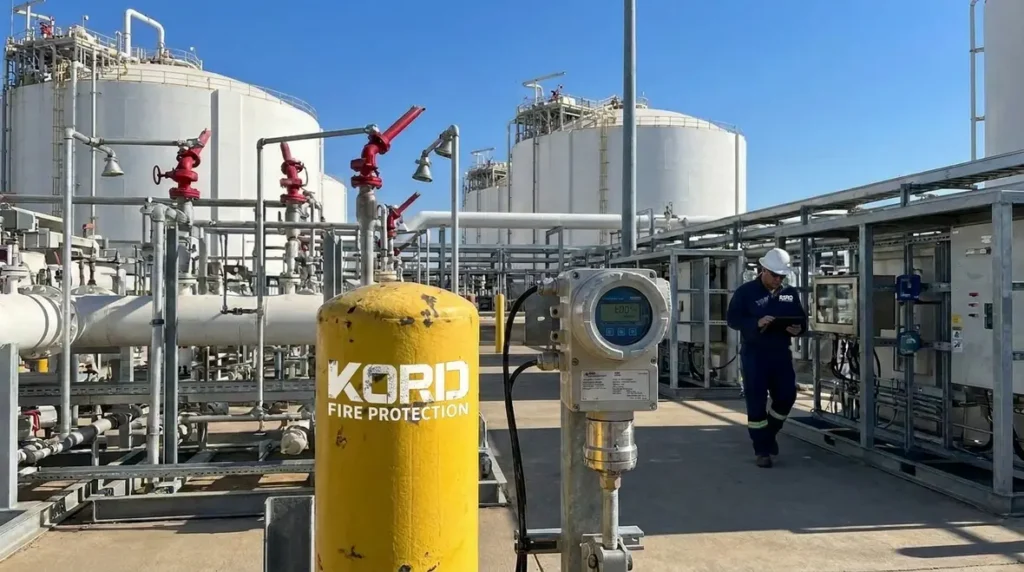
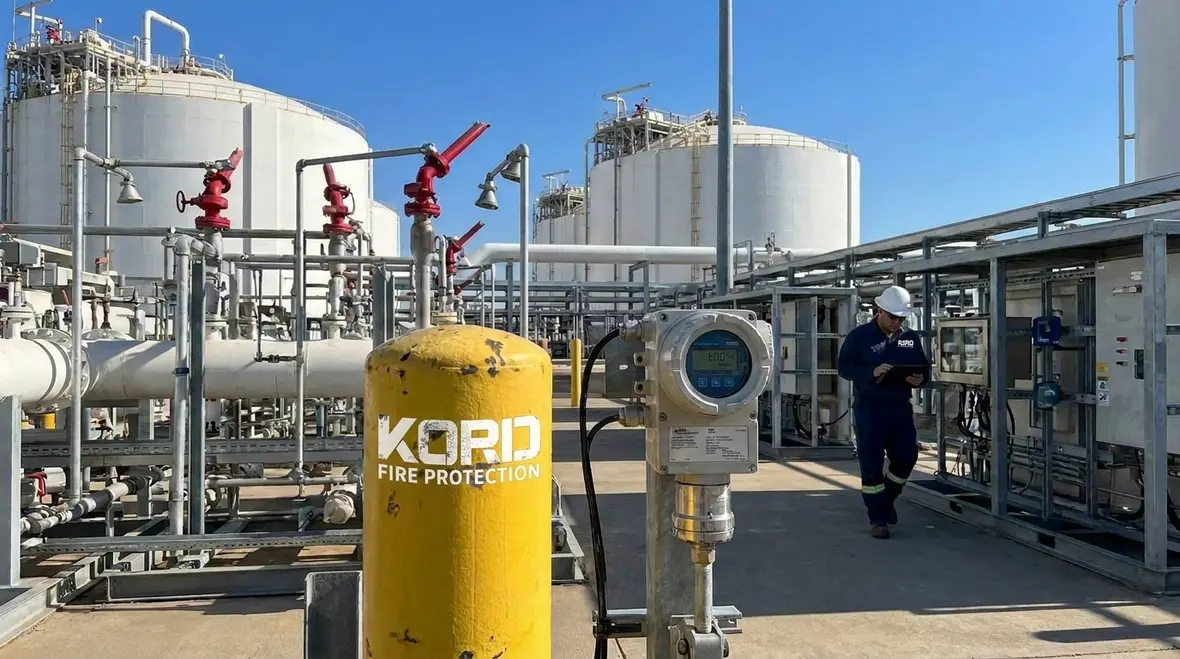
Section 16.1 expects facilities to think in terms of credible release scenarios and where detection and response must work. LNG systems can create complex hazard zones because vapor behavior varies with layout, wind, obstructions, and thermal conditions. Commercial and industrial operators commonly discover that the as built arrangement differs from early design assumptions, especially after additions, rerouting of piping, or containerized equipment changes.
As a result, coverage verification should not be treated as a one time engineering deliverable. It must be revisited whenever physical changes occur, and it must account for the actual location of detectors, manual call points, fire protection system components, and control equipment.
2) Detection and fire protection must support coordinated response
Section 16.1 application is functionally about preventing an ignition incident from escalating. Gas detection supports early warning and controlled shutdown actions. Fire protection supports mitigation once ignition occurs, including protection of critical equipment and safe conditions for personnel.
Auditors and insurers often look for evidence that alarms, shutdown sequences, and protective actions operate as intended. This includes demonstrating that the control system logic, alarm annunciation, and permissives are consistent with the site emergency plan and operating procedures.
3) Operational readiness is part of the compliance scope
Many LNG facilities maintain systems during installation but then lose compliance through drift in day to day operations. Examples include bypasses that remain in place longer than intended, calibration schedules that fall behind, sensor fouling from dust or coating, and testing performed in ways that do not reflect actual alarm thresholds or response times.
A core requirement under the NFPA 52 LNG site safety fire protection application is sustained readiness. That means disciplined inspection, functional testing, recordkeeping, and corrective action workflows that prevent small issues from becoming system wide failures.
What equipment performance must be maintained under Section 16.1
Section 16.1 requires that systems do what they are designed to do. That expectation directly connects to the mechanisms of gas detection, alarm signaling, shutdown control, and fire protection delivery.
Gas detection: sensor health, calibration integrity, and placement accuracy
Common failure points include:
Calibration drift that shifts measured concentration and delays alarm activation.
Physical degradation such as moisture intrusion, membrane wear, or contamination that affects sensor response time.
Incorrect placement relative to airflow and vapor pathways, resulting in missed detection during representative releases.
Bypass and fault logic that allows the site to operate in a degraded detection mode longer than permitted.
Alarm and control functions: annunciation clarity and correct logic
For commercial, industrial, and retail adjacent facilities with LNG exposure, a frequent audit finding involves control system behavior. Even when sensors measure correctly, alarm processing may fail due to:
Annunciators that do not match the alarm mapping in the operating manual.
Incorrect priority levels between fire and gas events.
Shutdown interlocks that do not reset safely after a test.
Event logs that are not retained or are incomplete for troubleshooting.
Fire protection: delivery reliability and correct protection objectives
Fire protection systems must remain capable of performing their intended roles, typically including protection of structures and critical equipment and enabling safe emergency operations. Typical failure points include impaired valves, incorrect system pressure, blocked nozzles, improper actuator response, and incomplete acceptance records for modifications.
Operational realities matter. During maintenance, technicians may isolate components longer than allowed, leaving the site without full mitigation capability. Section 16.1 application expects facilities to manage these states through controlled permits, defined restoration timelines, and documented verifications.
How to meet NFPA 52 Section 16.1 in daily practice
Compliance succeeds when procedures connect installation requirements to repeatable operational verification. A practical program usually includes the following elements.
1) Build an integrated test and inspection matrix
Facilities should maintain a matrix that links each gas detection and fire protection component to:
Required inspection type (visual inspection, functional test, calibration verification, flow or performance verification, where applicable).
Defined frequency based on the applicable standard and manufacturer instructions.
Pass fail criteria aligned to alarm thresholds and response expectations.
Documentation requirements and retention expectations.
This avoids the common problem where systems are “checked” but not verified to the specific performance expectation tied to Section 16.1 coverage.
2) Control maintenance and temporary operating states
Audits frequently focus on how the site manages detection and mitigation during maintenance. A compliant approach includes:
Clear bypass authorization, approval hierarchy, and duration limits.
Restoration verification before returning to normal operations.
Immediate escalation of faults that affect critical alarm or shutdown functions.
Prejob briefs that confirm emergency response actions and communication pathways.
3) Maintain configuration control for changes
NFPA 52 LNG site safety fire protection application compliance depends on configuration control. When site modifications occur, facilities should confirm that detector locations, control logic mapping, setpoints, and alarm sequences remain aligned. This includes after:
Process changes that alter expected vapor release patterns.
Mechanical modifications near detector zones.
Software updates to controllers or alarm panels.
New equipment that changes airflow and obstructions.
Where Kord Fire Protection supports sustained compliance
LNG safety programs require consistent verification, not sporadic inspections. Many operators benefit from an experienced commercial service partner to keep gas detection and fire protection systems aligned with the NFPA 52 LNG site safety fire protection application intent, including the practical challenges of industrial uptime and documentation quality.
Kord Fire Protection supports facilities with recurring testing, inspection discipline, corrective action management, and compliance centered reporting that helps operations teams address gaps before they become audit findings. This matters for commercial and industrial environments where system behavior depends on sensor integrity, control logic correctness, and the ability to respond safely during maintenance windows.
If you want a practical service-focused next step, explore commercial fire protection services from Kord Fire Protection. The page highlights inspection, testing, repairs, installations, and emergency support for commercial and industrial properties. ([kordfire.com](https://kordfire.com/los-angeles-county-fire-protection/commerce-fire-protection-services/?utm_source=openai))
Frequently Asked Questions
Next steps for operators and safety managers
Operators should validate that their NFPA 52 LNG site safety fire protection application scope matches the as built facility, and then verify ongoing readiness through an integrated inspection and testing matrix. Confirm alarm logic, calibration integrity, and maintenance state controls with documented proof. Engage a qualified service provider to execute recurring verification and keep records audit ready. Start by reviewing detector placement, control mappings, and the maintenance bypass workflow, then build corrective actions into the next service cycle with Kord Fire Protection support.

Join Our Newsletter!
Get the latest fire safety tips delivered straight to your inbox From our Newsletter.