
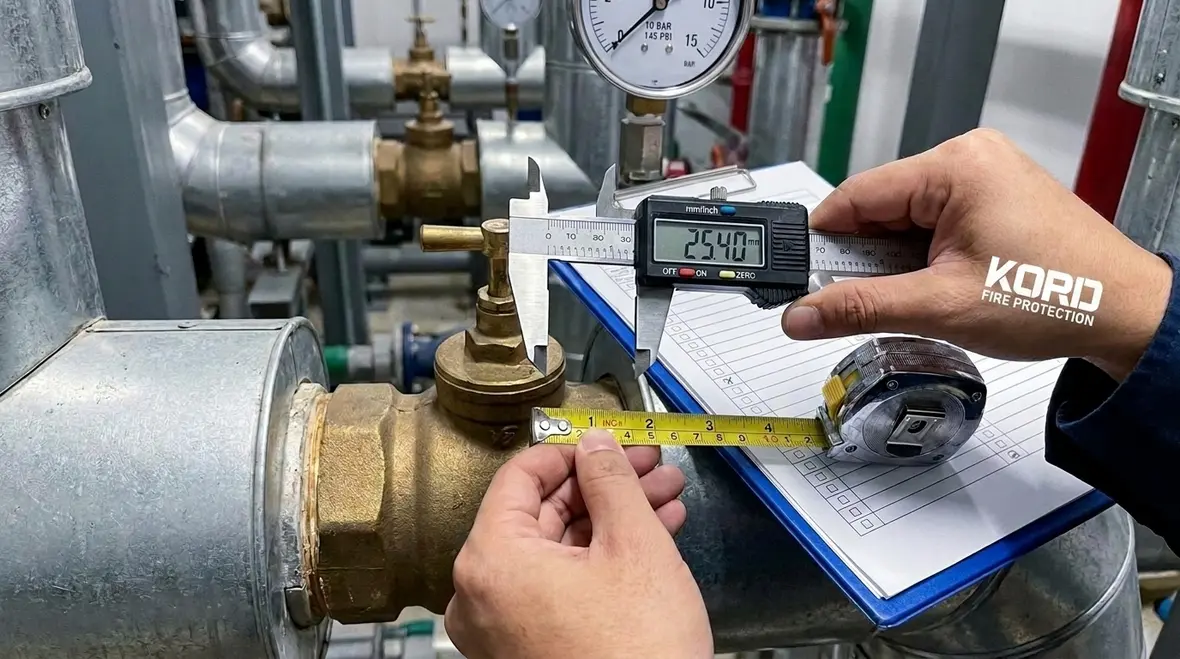
NFPA 52 Section 1.6 Units: SI and Inch-Pound Conventions in the Code
Quick Answer: NFPA 52 Section 1.6 establishes how the code presents measurements in SI units and inch-pound units, and how to interpret them consistently. Effective compliance depends on accurate conversions for equipment sizing, clearances, and inspection documentation in commercial facilities.
For teams building stronger documentation workflows around measurement consistency, Kord Fire Protection’s full lifecycle of fire protection servicing offers a practical look at how inspections, testing, repairs, and ongoing maintenance stay aligned over time. ([kordfire.com](https://kordfire.com/full-lifecycle-of-fire-protection-servicing/?utm_source=openai))
Why Section 1.6 matters for inspections and day-to-day compliance
NFPA 52 Section 1.6 addresses how the code communicates measurement units, which directly affects how designers, installers, inspectors, and facility staff verify compliance. In commercial, industrial, and retail settings, the most frequent operational risk is not the conversion itself. The risk is inconsistency across project documents, field markings, controller programming, signage, and maintenance records.
Where facilities rely on both metric and inch-pound documentation, NFPA 52 SI units inch-pound conversions must be handled with a controlled process. That process should include version control of drawings, calibrated measuring tools, and a repeatable method for translating requirements into site-specific work orders, test procedures, and inspection checklists.
What Section 1.6 requires: unit consistency and interpretation
Section 1.6 does not simply present optional translation. It sets expectations for how measurements appear in the code and how they should be understood by enforcing parties. Compliance teams should treat the code’s stated units as authoritative and ensure that field work aligns with the documented basis of design.
In practical terms, enforcement activities typically expect that:
- Equipment capacity ratings, pipe dimensions, tubing sizes, and accessory clearances match the required values for the installed system.
- Plans, manufacturer installation instructions, and inspection records use consistent units or clearly document conversions.
- Any on-site measurement verification uses tools appropriate to the stated unit basis in the code and referenced standards.
When those expectations fail, the result often shows up during routine inspections or testing as missing documentation, incorrect acceptance criteria, or inability to demonstrate that installed conditions match the required measurements.
How to apply NFPA 52 SI units inch-pound conversions without creating compliance gaps
Commercial facilities often encounter unit conversion errors when multiple stakeholders use different unit systems. A reliable method reduces rework and avoids delays during occupancy, reinspection, or scheduled maintenance.
1) Define the unit basis for each asset and record
Facilities should maintain an asset register that identifies the unit basis used in design documentation and the unit basis used in the maintenance plan. For example, if the system design and test acceptance criteria were authored in SI units, the test worksheet and field verification should either remain in SI or include a documented conversion trail to inch-pound values.
2) Control conversions in one place
Conversions should not be scattered across emails, spreadsheets, and markups. Use a single conversion log or controlled calculation sheet that stores:
- Original value and unit
- Conversion method and factor source
- Rounded result used in field work
- Person or system responsible for the calculation
- Date and drawing or document reference
3) Verify with calibrated measurement tools
Unit conversion does not eliminate measurement uncertainty. Facilities should ensure measuring devices match the unit system used during verification. Where inch-pound verification tools are used to confirm a metric design value, teams should document rounding and measurement tolerance to prevent repeated failures on “at or near the limit” conditions.
4) Align manufacturer instructions with the code basis
Manufacturers often provide installation details in one unit system, especially for valves, regulators, and fittings. The facility should confirm that those details remain consistent with NFPA 52 requirements for the installed layout and operating parameters. If drawings and instructions conflict, the compliance risk rises quickly.
To support ongoing compliance activities, Kord Fire Protection works with facilities to structure inspection and maintenance processes so measurements, acceptance criteria, and test records remain consistent over time. This approach reduces repeat inspection findings caused by unit inconsistencies and documentation gaps.
Where conversion problems usually show up in the field
In commercial environments, the highest frequency unit-related issues arise in areas that affect performance, access, and verification. Common failure points include:
- Clearances and installation spacing: Whether specified clearances are verified in the same unit system as the design basis, including around detection or control components.
- Pipe and tubing sizing: Mistakes in converting nominal dimensions versus actual measured outer diameters and related fit-up conditions.
- Identification and signage dimensions: Equipment labeling, charting, and field marking sizes that need to match inspection expectations.
- Test documentation thresholds: Acceptance criteria recorded in one unit system while test results are recorded in another, especially during recurring maintenance cycles.
- Controller programming parameters: Operational settings that may be entered using inch-pound assumptions when the documentation basis uses SI.
Commercial, industrial, and retail facilities typically operate under tight maintenance windows. Conversion errors can therefore create operational downtime and increased labor cost, particularly when rework requires component repositioning or re-verification for closeout.
Inspection and maintenance procedures that stay compliant across units
A unit-consistent approach should integrate inspections and maintenance into a documented workflow. Kord Fire Protection emphasizes practical procedures that support repeatable verification and clear evidence for compliance audits.
Create unit-aware inspection checklists
Checklists should list the required measurement values in the same unit system as the code basis, then include a second column for converted values only if needed for field staff. This ensures the acceptance criteria remain clear and traceable.
Standardize how measurements are recorded
- Record the measured value and its unit.
- Record the reference drawing or code clause that defines acceptance.
- Record the pass or fail result against the acceptance value in the code basis.
- Attach supporting photos or instrument readings where required.
Use controlled revisions for drawings and test forms
Conversion errors frequently reappear after design changes, because updated drawings use different unit conventions. Facilities should treat document revision control as part of unit compliance, not just document management.
For practical guidance related to maintaining life safety system documentation and compliance readiness, facilities can also review Kord Fire Protection resources on fire protection services to support ongoing inspection, testing, and maintenance planning. ([kordfire.com](https://kordfire.com/?trk=organization_guest_main-feed-card-text&utm_source=openai))
Frequently Asked Questions
Conclusion: secure compliance by standardizing unit handling
NFPA 52 SI units inch-pound conversions should not rely on ad hoc calculations or mixed documentation. A controlled process for unit basis selection, conversion logging, calibrated verification, and unit-aware inspection records reduces rework and prevents repeat findings. Kord Fire Protection helps commercial and industrial facilities maintain consistent testing, maintenance workflows, and compliance-ready documentation across unit conventions. Contact Kord Fire Protection to review your current documentation practices and strengthen your next inspection cycle.

Join Our Newsletter!
Get the latest fire safety tips delivered straight to your inbox From our Newsletter.


