
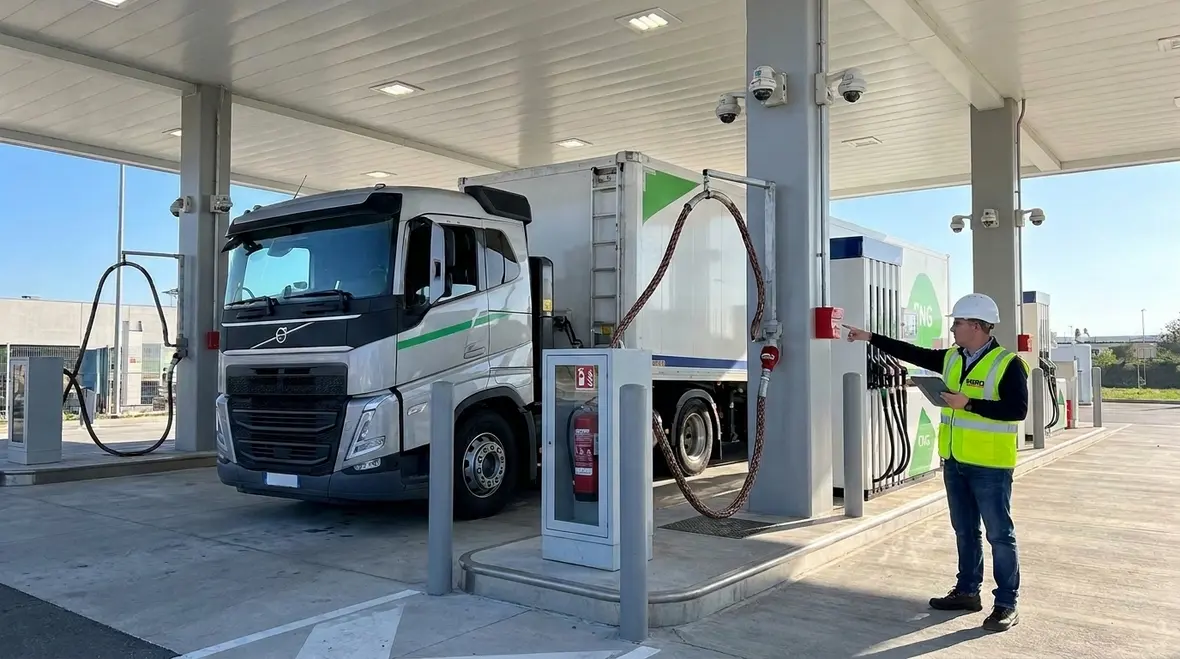
NFPA 52 Section 1.2 Purpose: Fire Prevention Goals for CNG and LNG Vehicle Fueling
Quick Answer
NFPA 52 Section 1.2 defines fire prevention goals that guide how facilities plan, install, operate, and maintain CNG and LNG vehicle fueling systems. The focus stays on controlling ignition sources, limiting hazard exposure, and sustaining safe performance through inspections, testing, and maintenance.
For facilities building stronger compliance routines, it also helps to review operations and maintenance expectations as part of a broader fire protection program.
What does NFPA 52 purpose fire prevention require for vehicle fueling?
NFPA 52 purpose fire prevention centers on preventing fires and limiting consequences when hazards are present. For CNG and LNG vehicle fueling, Section 1.2 establishes intent rather than a checklist. It drives design choices, operational controls, and maintenance obligations so that fueling activities do not introduce unacceptable ignition risk, thermal risk, or release consequences.
In practice, compliance teams use the “purpose” language to evaluate whether the entire fueling system lifecycle supports safe operation. Commercial facilities must treat this as a system program that includes hardware integrity, facility management, and verified performance over time.
Why Section 1.2 matters in day to day facility compliance
NFPA 52 Section 1.2 helps commercial and retail operators avoid the common trap of meeting individual requirements while missing the operational outcomes those requirements are meant to protect. Fire prevention goals apply to:
- Fuel release control through safeguards that reduce the likelihood and severity of leaks.
- Ignition source management by controlling electrical, mechanical, and procedural contributors in fueling areas.
- Effective emergency readiness so that hazards are addressed quickly and safely when deviations occur.
- Maintenance and inspection discipline to prevent degradation from undermining safety functions.
Facilities that serve buses, fleets, and retail customers often run on tight schedules. That operational pressure increases the need for routine inspection verification and functional testing, because safety depends on performance staying within expected parameters between maintenance events.
How fire prevention goals apply to CNG fueling operations
Natural gas fueling involves high pressure systems, gas detection and ventilation strategy, and disciplined control of ignition sources. NFPA 52 purpose fire prevention supports a layered approach that reduces the chance of ignition and manages the effects if a release occurs.
Common compliance focus areas
- Gas detection and alarm response: Detection equipment must remain calibrated and must be tied to proper procedures, not just installed hardware. Operators should verify alarm setpoints, sensor health, and response workflows.
- Electrical classification and ignition source control: Components, wiring methods, and any equipment within classified areas must match the hazard basis. Maintenance that replaces parts incorrectly becomes a repeat failure point.
- Hose, coupler, and connector integrity: Wear, contamination, and improper storage increase leak potential. Fire prevention intent depends on maintaining reliable sealing interfaces.
- Pressure regulating components: Regulator performance affects flow and discharge conditions. Drift or failures can change release behavior and increase hazard duration.
Operational procedures that strengthen fire prevention outcomes
- Fueling checklists that ensure coupler engagement, proper lockout behavior, and verification of safe states before transfer begins.
- Documented purge and shutdown steps that prevent trapped gas conditions from creating ignition risk.
- Training and competency verification for operators performing routine fueling tasks and responding to alarms.
How fire prevention goals apply to LNG fueling operations
LNG introduces unique hazards tied to cryogenic temperatures, potential vaporization, and rapid changes in conditions if a release occurs. Section 1.2 purpose-driven fire prevention focuses on preventing ignition and controlling exposure pathways, including those created by vapor formation and dispersion.
Key LNG risk controls that facilities must sustain
- Cryogenic system integrity: Insulation failure, gasket degradation, and misalignment can increase release likelihood. Fire prevention depends on insulation condition and verified leak integrity.
- Vapor control strategy: Venting design, drainage paths, and area management reduce accumulation risk. The operational goal is to keep vapor concentrations below ignition potential.
- Emergency shutoff reliability: Valves and actuators must function as designed. Actuation testing supports confidence that emergency response will actually stop or limit hazard propagation.
- Ignition source management: Electrical, instrumentation, and mechanical work near LNG components requires strict adherence to safe work practices and component suitability.
Maintenance and inspection challenges that often surface
- Deferred service that allows insulation wear or seal degradation to progress beyond manageable levels.
- Temperature effects on components that can alter behavior of valves and fittings if maintenance schedules lag behind manufacturer and code expectations.
- Inadequate documentation that makes it hard to prove ongoing readiness during audits.
What “purpose” means for inspections, testing, and maintenance programs
NFPA 52 purpose fire prevention CNG LNG vehicle fueling cannot be achieved by installation alone. Facilities must run a continuous safety assurance program that verifies the system stays capable over time. That program typically includes the following operational control expectations.
Inspection and verification
- Visual inspections of key components such as hoses, couplers, valves, detection systems, and enclosures.
- Functional verification of alarms, interlocks, and shutdown sequences based on documented procedures.
- Corrective action tracking that closes the loop quickly and prevents repeat failures.
Testing and calibration discipline
- Gas detection calibration and sensor health verification at required intervals.
- Leak testing and verification of pressure boundary performance where applicable.
- Actuator and valve testing to ensure emergency control paths remain reliable.
Commercial facility readiness and documentation
Commercial, industrial, and retail operators often face audit pressure from multiple stakeholders, including insurers, corporate safety teams, and local authorities. A strong compliance package includes equipment status, test records, training documentation, and evidence of corrective actions. When those records are incomplete or inconsistent, it becomes difficult to demonstrate the intent behind NFPA 52 Section 1.2.
If you want a practical comparison point, Kord Fire Protection also breaks down inspection and testing schedules in a way that fits naturally with ongoing compliance planning.
Build compliance strength with ongoing fire protection support
Safety programs work best when facilities treat testing, inspection, and maintenance as an ongoing operational requirement rather than a periodic task. Kord Fire Protection supports CNG and LNG fueling operations with practical compliance services that help operators maintain the fire prevention outcomes NFPA 52 purpose fire prevention calls for.
To connect facility practices with documented readiness, operators should engage experienced service partners for system verification, inspection support, testing coordination, and maintenance follow-through. This approach reduces the likelihood of overlooked degradation points, improves audit readiness, and strengthens day to day risk management.
For more information on compliance and service planning, visit Kord Fire Protection and explore how commercial fueling sites can strengthen their ongoing safety program.
Frequently Asked Questions
Call to action
Review your current CNG and LNG fueling safety program against the outcomes NFPA 52 Section 1.2 requires for fire prevention. Confirm detection, alarm response, ignition source controls, and emergency shutdown reliability stay verified between service events. Then engage Kord Fire Protection to strengthen inspection readiness, testing discipline, and corrective action follow-through for ongoing compliance and safer vehicle fueling operations.

Join Our Newsletter!
Get the latest fire safety tips delivered straight to your inbox From our Newsletter.


