
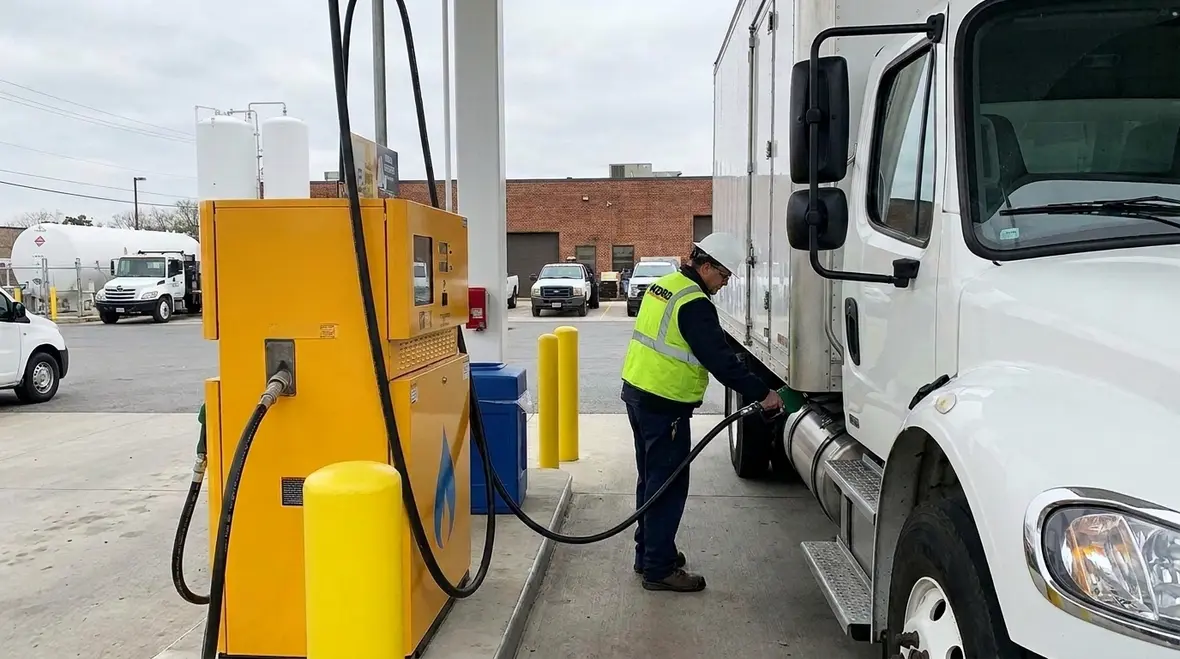
NFPA 52 Section 1.1 Scope: What Vehicular Natural Gas Fuel Systems the Code Covers
Quick Answer
NFPA 52 Section 1.1 scope defines when the code applies to vehicular natural gas fuel systems, including the system components and operating conditions that influence fire and explosion hazards. Facility owners must confirm the installation and maintenance fall within the code’s defined boundaries before assuming full compliance.
If your facility is also reviewing broader system readiness, it can help to pair this scope discussion with a practical look at fire protection services for inspections, testing, and maintenance so documentation, field conditions, and compliance expectations stay aligned. ([kordfire.com](https://kordfire.com/fire-protection-services-guide-by-kord-experts/?utm_source=openai))
NFPA 52 scope: why Section 1.1 matters for commercial facilities
Commercial, industrial, and retail operators often assume that if they install natural gas fueling equipment, NFPA 52 automatically governs every related detail. Section 1.1 scope corrects that assumption by setting boundaries around the kinds of vehicular natural gas fuel systems covered and the scenarios the standard addresses. For fire safety teams, those boundaries determine inspection methods, documentation expectations, and how maintenance is verified after routine service and after modifications.
In practice, NFPA 52 scope vehicular natural gas fuel systems becomes a compliance checklist question: which equipment is included, which installation arrangements trigger the code, and which operational states must be considered when evaluating ignition control, ventilation, detection, and safe shutdown outcomes.
What Section 1.1 typically covers: the “vehicular” boundary
NFPA 52 is structured around the hazards created by natural gas when it is used to propel vehicles. Section 1.1 scope generally addresses vehicular natural gas fuel systems by focusing on system elements that manage pressurized gas, transfer energy safely, and limit uncontrolled release. That focus includes scenarios where vehicle fuel systems interface with fueling equipment and where a release could occur near ignition sources, building boundaries, or outdoor work areas.
From a fire protection perspective, the key boundary is not the presence of natural gas in general, but the behavior of the fueling and onboard fuel system under credible upset conditions. When a facility supports vehicles fueled by compressed natural gas or liquefied natural gas, the fire risk profile typically includes:
- High pressure or cryogenic fuel handling with release potential and rapid vapor or gas migration.
- Fueling connection and disconnect operations that create brief but higher probability leak conditions.
- Failure modes that propagate from hoses, fittings, regulators, valves, compressors, and metering components into the area around the fueling point.
- Operational interlocks and emergency shutdown strategies that must function reliably.
Where compliance friction shows up: common “included vs not included” assumptions
Fire safety teams regularly see gaps between what operators believe is covered and what the code explicitly addresses. These gaps often appear during:
- Facility expansions where additional dispensers or fueling points are added without updating the hazard evaluation documentation.
- Equipment swaps where parts are replaced with functionally similar components that do not match required performance or compatibility parameters.
- Interim operations during construction, where temporary connections, bypasses, or altered access routes change risk exposure.
- Mixed-use sites where fueling areas are near loading docks, retail entrances, or occupied spaces that drive different separation and control expectations.
From a practical compliance standpoint, the code coverage question usually turns on the system configuration and the intended use as a vehicular fuel supply. Fire protection stakeholders should verify whether the natural gas system operates as a fueling system intended to support vehicle propulsion, and whether its elements align with the code’s covered categories.
If your project involves a broader set of related fire protection considerations, integrating this scope review into a broader compliance plan typically improves outcomes. For example, many facilities also coordinate fuel gas safety planning with sprinkler and detection strategies under established commercial practices. Kord Fire Protection supports this type of practical, site driven compliance approach through inspections, testing, and ongoing service coordination. Its broader service model emphasizes scheduled inspections, routine testing, preventive maintenance, and code-compliant support for commercial properties. ([kordfire.com](https://kordfire.com/?trk=organization_guest_main-feed-card-text&utm_source=openai))
What to document and inspect under the Section 1.1 coverage mindset
Even when Section 1.1 coverage is likely, the facility must still demonstrate that the covered equipment operates as intended throughout its service life. A scope aware inspection and maintenance program focuses on how the system fails in the real world, not just how it performs under ideal conditions.
1) Fuel transfer and connection points
Fueling connections represent a high consequence leak zone. Fire safety documentation should cover how the fueling interface manages seal integrity during connect and disconnect, including any procedures that limit uncontrolled release during operations. Typical failure points include:
- Worn or damaged couplings and gaskets that reduce sealing effectiveness after repeated cycles.
- Misalignment or improper coupling technique that increases mechanical stress at the seal interface.
- Valve actuation irregularities that prevent full closure, especially after power interruptions.
2) Pressure control, regulators, and protective valves
Pressurized systems require dependable regulation and pressure relief responses. Inspections commonly focus on evidence of drift, improper setpoints, corrosion, or contamination that can degrade response times. A practical program also ensures that any changes after maintenance do not alter the system behavior in ways that the original hazard basis did not anticipate.
3) Detection, ventilation, and emergency shutdown linkages
Where natural gas concentrations or ventilation conditions can become hazardous, detection and shutdown sequences must perform as designed. The facility should verify:
- Detection devices remain properly calibrated and unobstructed, with maintenance intervals tracked.
- Ventilation systems respond to the intended control logic, including fail safe behavior where applicable.
- Emergency shutdown actions occur within required timeframes and that operators can execute them correctly under stress.
Commercial facility standards usually require that the testing program matches the operational risk. Kord Fire Protection helps clients maintain the evidence trail needed to support recurring inspections and to address problems before they escalate into operational downtime or safety nonconformities through inspection, maintenance, repair, monitoring, and installation support across fire protection systems. ([kordfire.com](https://kordfire.com/socal-fire-alarm-services/?utm_source=openai))
Operational scenarios that strengthen or weaken fire safety outcomes
Section 1.1 scope influences how facilities plan for specific operating modes. The most defensible compliance strategies evaluate the system in conditions that reflect actual use and likely upset states.
- Normal fueling: Focus on sealing integrity, hose condition, and correct activation of safety interlocks.
- Start up and restart events: Confirm that shutdown and purge sequences run correctly after maintenance or interruptions.
- Maintenance and component replacement: Ensure configuration control prevents undocumented changes and verifies that repaired components meet performance expectations.
- Impact and mechanical damage: Evaluate how vehicle movement, dock traffic, or equipment handling can stress fueling components.
- Abnormal releases: Confirm that detection, ventilation, and emergency actions interrupt escalation pathways.
For ongoing protection, many commercial operators treat these scenarios as part of their maintenance planning and inspection cycle. If you are developing or refining a program, Kord Fire Protection can support periodic verification and corrective action workflows that align with how facilities actually operate. Kord Fire’s service pages consistently emphasize inspections, testing, maintenance, repairs, and compliance-focused support for commercial properties. ([kordfire.com](https://kordfire.com/?trk=organization_guest_main-feed-card-text&utm_source=openai))
Internal and external compliance resources
To strengthen your scope review process, many organizations pair NFPA 52 scope documentation with a facility wide testing plan. For fire safety services that align with commercial compliance needs, visit Kord Fire Protection services using the anchor text “Kord Fire Protection services” to explore inspection, testing, and maintenance support. ([kordfire.com](https://kordfire.com/fire-protection-services-guide-by-kord-experts/?utm_source=openai))
For broader context on fire safety systems and service planning across commercial environments, internal planning that links scope determinations to real inspection tasks typically reduces missed coverage during audits and after equipment changes.
Frequently Asked Questions
Conclusion and call to action
NFPA 52 Section 1.1 scope decisions shape what your facility must prove during inspection, testing, and maintenance. Kord Fire Protection can help you confirm coverage boundaries, align documentation with real equipment configurations, and sustain safe operation through ongoing verification. Contact Kord Fire Protection to schedule a compliance focused review and build a maintenance and testing plan that supports long term readiness.

Join Our Newsletter!
Get the latest fire safety tips delivered straight to your inbox From our Newsletter.


