NFPA 36 Section 3.3: Key Solvent Extraction Terms Defined (Extractor, Desolventizer, Miscella)
Quick Answer: NFPA 36 Section 3.3 defines core solvent extraction equipment and process streams that affect design, inspection, and fire safety risk. Understanding terms like Extractor, Desolventizer, and Miscella helps facilities apply correct controls, monitor solvent behavior, and maintain compliance in the real world.
Why NFPA 36 general definitions solvent extraction terminology matters on-site
In commercial, industrial, and retail processing facilities, NFPA 36 general definitions solvent extraction terminology is not academic. It directly shapes how operators interpret process controls, how maintenance teams troubleshoot solvent leaks and abnormal temperatures, and how fire protection teams document inspections. When labels and process terms are used consistently, facilities reduce ambiguity during hot work approvals, housekeeping reviews, alarm testing, and impairment management.
These definitions also support clearer communication with your AHJ, insurers, and internal safety leadership because the process intent is documented using the same terminology the standard expects. That clarity becomes critical during operational upsets, such as solvent carryover, heat exchanger fouling, or abnormal miscella circulation.
What NFPA 36 Section 3.3 focuses on
NFPA 36 Section 3.3 provides definitions for key solvent extraction components and process streams. The intent is to establish a shared technical vocabulary so that design criteria, fire protection features, and inspection requirements apply to the correct equipment and the correct operating conditions. In practice, most compliance gaps arise when staff treat process zones as generic “areas” rather than defined extractor, desolventizer, and miscella-related operating modes.
Facilities that successfully manage fire risk typically enforce three operational habits:
- They map defined process terms to equipment drawings, P&IDs, and operating instructions.
- They align inspection checklists with those same defined zones.
- They verify that alarms and interlocks protect the process stream that actually creates ignition exposure, not merely the room that houses the equipment.
Extractor: the equipment that governs solvent contact and vapor potential
For teams building a stronger inspection and maintenance workflow around process hazards, it helps to understand how broader inspection, testing, and maintenance definitions support more consistent documentation and field execution.
Definition in plain operational terms
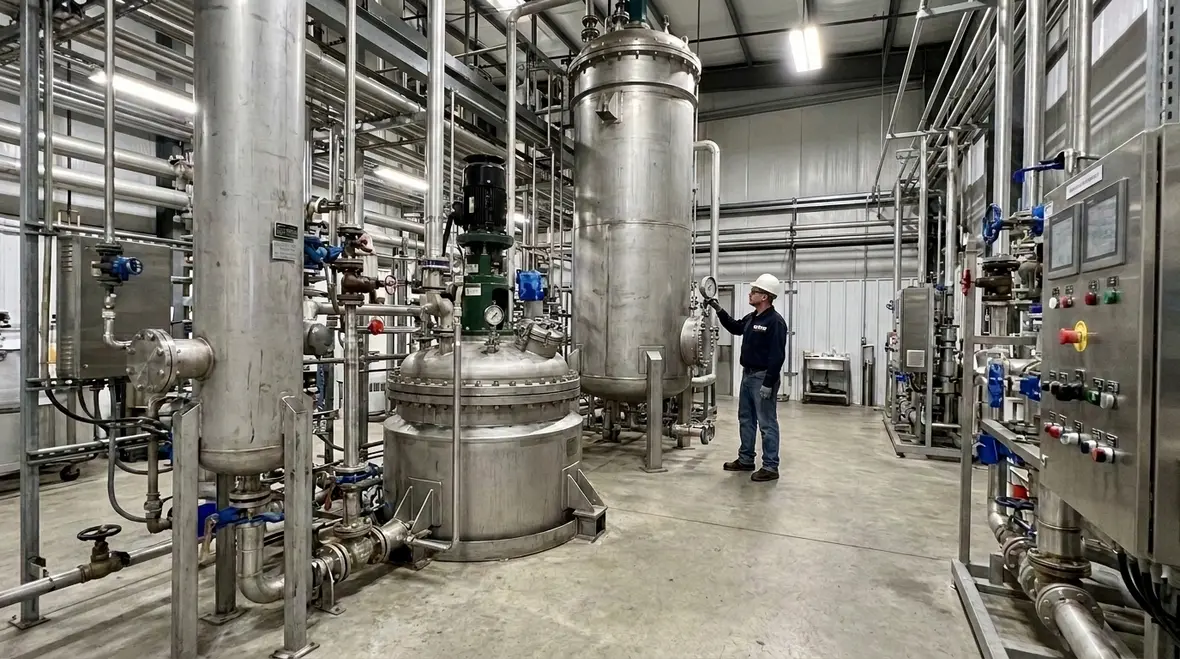
Within NFPA 36 Section 3.3, the Extractor is the equipment where the solvent contacts the processed material to dissolve and separate target components. This step typically involves active solvent circulation, transfer of liquid streams, and generation of solvent vapors at points where heating, agitation, or pressure changes influence volatility.
How the extractor drives fire safety risk
The extractor becomes a primary ignition risk driver because it combines three factors that fire protection professionals track closely:
- Flammable liquid presence from solvent and dissolved constituents.
- Ignition sources linked to rotating equipment, electrical components, valves, and maintenance activities.
- Vapor generation caused by solvent temperature, system pressure, and abnormal operation.
Common failure points during inspections
Extractor-related issues tend to cluster into predictable categories. Facilities often discover them during walkdowns, impairment checks, and thermal or vapor monitoring rounds:
- Gaskets and seals degraded by solvent exposure, leading to seepage that accumulates near hot surfaces or electrical enclosures.
- Loose or improperly supported piping that experiences vibration, increasing leak frequency at flanges and connections.
- Ventilation or vapor control performance that declines due to filter loading or duct obstructions.
- Process upsets that shift solvent temperature outside normal operating bounds, increasing vapor and condensation patterns.
Maintenance practices that reduce risk
High-performing facilities treat extractor maintenance as fire prevention, not just mechanical upkeep. They typically require:
- Documented seal replacement intervals based on service history and solvent compatibility.
- Leak checks that focus on joints most likely to vent vapors during pressure cycling.
- Verification that required vapor collection and drainage systems remain unobstructed.
For organizations building a stronger maintenance and compliance program around these extractor hazards, Kord Fire Protection supports commercial facilities with inspection planning, documentation support, and ongoing fire protection maintenance aligned to operational realities. For additional technical guidance, see fire protection system compliance lifecycle cost control.
Desolventizer: the zone where heat and solvent removal must stay controlled
What a desolventizer does
In NFPA 36 Section 3.3 terminology, the Desolventizer is the equipment that removes solvent from the extracted material, typically using heat and controlled conditions to separate solvent from solids or meal. This stage usually increases the likelihood of solvent vapor movement, venting, and condensation management, which is why defined terminology matters so directly to fire safety controls.
Where compliance issues commonly appear
Desolventizer compliance problems often involve abnormal heat transfer and vapor handling. The equipment may still “run,” but the fire risk rises when control systems drift from intended operating conditions.
- Heat exchanger fouling that changes temperature profiles and causes uneven vaporization.
- Improper drainage and condensation handling that allows solvent to accumulate in places not designed for pooling.
- Bypassing or incorrect setpoints during maintenance, which can temporarily defeat vapor capture systems.
- Excessive carryover where desolventizer output moisture and residual solvent create unexpected vapor releases downstream.
Inspection and operational checks that matter
Facilities typically strengthen fire safety outcomes by emphasizing:
- Thermal monitoring trends that can reveal deteriorating performance before solvent vapor increases.
- Verification of vent routes and condensate return paths, including manual check requirements during shutdowns.
- Electrical equipment inspections in desolventizer-adjacent areas, since solvent vapor migration can impact classification boundaries.
Miscella: the solvent and dissolved solids mixture that drives handling and release risk
What miscella means in practice
NFPA 36 Section 3.3 defines Miscella as the solution mixture that includes solvent and dissolved material from the extraction process. It serves as a critical process stream because it represents the liquid chemistry that circulates between equipment, transfers through piping systems, and can generate vapors during temperature changes or pressure fluctuations.
Why miscella is a compliance and design anchor
The miscella stream often determines how facilities manage flammable liquid hazards:
- Transfer points such as pumps, valves, hoses, sight glasses, and strainers create leak and spray risk.
- Temperature and residence time influence solvent volatility and vapor formation.
- Control strategies affect how quickly miscella can transition from contained liquid to vapor exposure if a fault occurs.
Common miscella-related failure patterns
During audits, many facilities find similar issues:
- Grommets, seals, and packing around miscella service components not maintained at the solvent compatibility expected level.
- Overfilled receivers or transfer containers that increase overflow likelihood and allow vapors to escape to adjacent areas.
- Unlabeled or mismatched instrumentation that makes it hard to confirm the correct operating mode at the time of inspection.
Operational discipline for miscella systems
Strong miscella controls rely on repeatable procedures:
- Clear labeling that matches NFPA 36 general definitions solvent extraction terminology to equipment and piping documentation.
- Routine checks of transfer pathways for signs of solvent residue and wetting that indicate slow leaks.
- Consistent hot work permitting that includes solvent isolation verification on miscella lines.
Putting the terms into a compliance-ready process map
Facilities that achieve smoother compliance outcomes translate NFPA 36 definitions into a practical system map. The goal is to ensure that the defined terms Extractor, Desolventizer, and Miscella correspond to how equipment is operated, inspected, and protected.
Recommended documentation alignment
- Update P&IDs and equipment lists to use consistent terminology for extractor, desolventizer, and miscella-related components.
- Link operating procedures to defined process states, including start-up, normal run, shutdown, and upset conditions.
- Align inspection checklists to the same defined zones and include solvent leak pathways and vapor control features.
Commercial facility maintenance realities
In real facilities, maintenance windows, staffing constraints, and seasonal throughput changes can create risk drift. Kord Fire Protection helps commercial operators keep controls effective with ongoing support such as inspection planning, maintenance coordination, and practical documentation support tailored to solvent extraction environments. For more information, refer to Kord Fire Protection.
Frequently Asked Questions
Call to action
Review your solvent extraction documentation and inspection routines to ensure Extractor, Desolventizer, and Miscella definitions match how equipment actually operates. Then engage Kord Fire Protection to help validate inspection planning, maintenance coordination, and compliance documentation for your facility’s ongoing solvent extraction hazards. Schedule a targeted walkthrough and documentation review to close gaps before the next audit window.

Join Our Newsletter!
Get the latest fire safety tips delivered straight to your inbox From our Newsletter.