
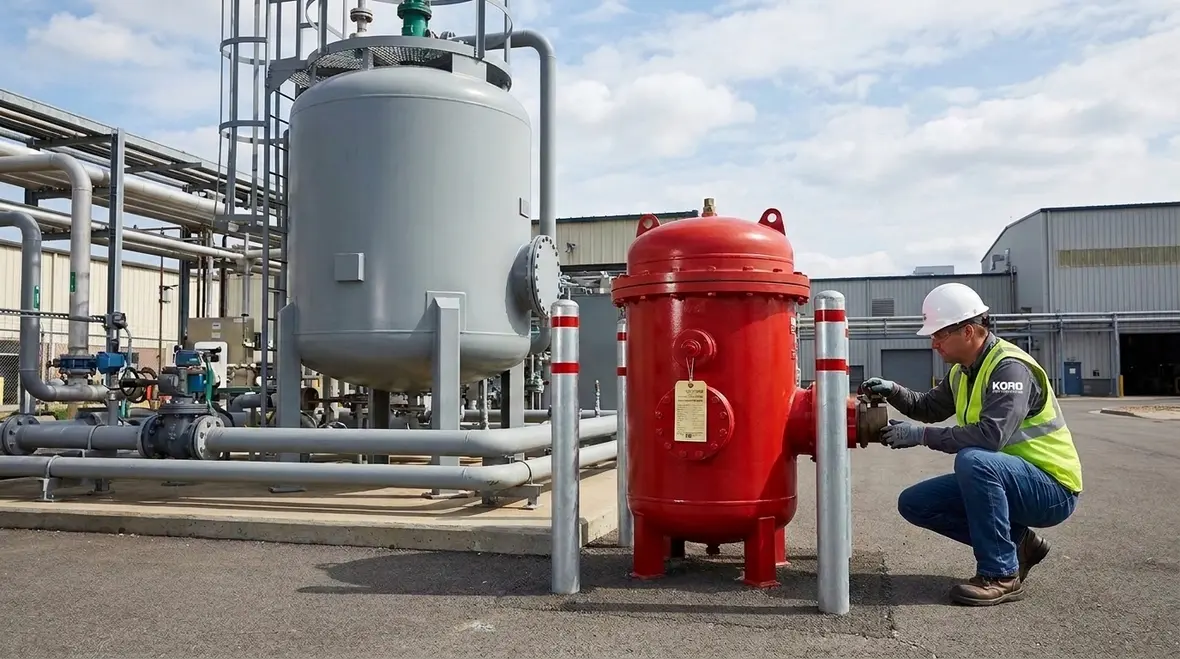
NFPA 35 Section 11.3 Fire Hydrants: Plant Requirements, Inspection, and Maintenance
Quick Answer
NFPA 35 Section 11.3 sets performance and installation expectations for fire hydrants supporting industrial chemical processes. A compliant NFPA 35 fire hydrant requirements plant program requires correct placement, reliable water supply, and documented inspections, maintenance, and flow testing to prevent functional failures during an emergency.
If your team is tightening up water based fire protection oversight, it also helps to review fire hydrant maintenance essentials for standpipe reliability and align hydrant checks with the rest of your inspection program.
Why Section 11.3 matters for chemical plants and process facilities
NFPA 35 applies to facilities where processes involve hazardous chemicals and related operations. In these settings, fire response depends on water availability, operational reliability, and compatibility with fire protection strategies. Section 11.3 addresses hydrants as part of the overall water supply system used by responding forces and on site systems.
For commercial, industrial, and retail properties that store or process hazardous materials, hydrants still affect first response effectiveness. A hydrant that meets appearance or location expectations but fails mechanically, flows inadequately, or sits behind obstructed access can delay fire attack and increase incident consequences.
What NFPA 35 Section 11.3 typically requires in practice
While the exact wording varies by edition and referenced subsections, the enforcement intent in Section 11.3 focuses on these practical compliance areas:
- Water supply performance: Hydrants must be connected to a dependable water supply that can deliver required flow when demanded by firefighting operations.
- Coverage and location: Hydrants must support fire department access and provide usable coverage for the risk area(s) they are meant to serve.
- Operational readiness: Hydrants must be kept in reliable working condition, including functional valves and appropriate protection for components.
- Usable access: Clear access pathways and operational clearances must remain maintained so equipment can connect quickly and safely.
- Ongoing inspection and maintenance: The facility must manage routine checks, correct deficiencies promptly, and document results.
From an audit and AHJ perspective, the most common gap is not the original installation, but the drift that occurs after construction due to site modifications, new storage layouts, vehicle changes, and missed maintenance schedules.
How a compliant NFPA 35 fire hydrant requirements plant program stays audit ready
A strong program connects hydrant inspection procedures to operational outcomes. Facilities that handle hazardous chemicals typically need more than basic visual checks, because hydrants sit in harsh conditions and face corrosion, water hammer issues, and mechanical wear. For a NFPA 35 fire hydrant requirements plant compliance approach, facilities should implement the following operational controls.
1) Establish a hydrant inventory tied to risk areas
List each hydrant with location, connection type, service designation, and the area it supports. Map hydrants to process units, loading racks, warehouse corridors, and any high hazard storage. When the site changes, update the map and confirm the hydrant still supports the intended response path.
2) Verify access pathways and signage remain usable
Hydrant access frequently fails during busy operations. Temporary storage, parked equipment, ice conditions, and landscaping can block or hinder hose connection. A compliance focused program should require scheduled field verification, not just monthly desk checks.
3) Control operating conditions that impact flow and function
Hydrants can underperform due to buried valve issues, partially closed supply valves, debris in passages, or inadequate maintenance. A robust program includes functional verification steps such as flow testing when required by the local program standard, and coordination with the water authority when the supply is municipal.
4) Document repairs and retesting
Repairs must close the loop with documented confirmation. For example, if a hydrant is repaired for leaking, valve sticking, or damaged outlets, retesting and operational checks should confirm the hydrant performs as intended.
Inspection, testing, and maintenance: what commonly fails
Hydrant systems experience predictable failure points. Understanding them helps facilities prioritize labor, spare parts, and inspection frequency, and it improves defensibility during compliance review.
Common failure points in commercial and industrial hydrants
- Outlet damage and nonconforming caps: Cracked threads or missing caps can prevent quick hose coupling during an emergency.
- Corrosion and seized components: Corrosion can bind internal parts, leaving the hydrant unable to open fully.
- Hidden valve problems: Partial closures, worn seats, or damaged internal passages can reduce flow even when the hydrant appears operable.
- Inadequate drainage and water intrusion: Freezing can crack components and internal conduits, especially when drainage is inconsistent.
- Site obstructions: Blocking access reduces effective response, even if the hydrant itself functions.
- Disconnected or incorrect hydrant configuration: Construction work can change routing, valves, or the water source without updating inspection records.
Operational inspection approach that works for audits
A practical inspection workflow uses a layered approach:
- Visual readiness: Confirm caps, outlets, labeling, and physical condition.
- Access verification: Confirm pathways and connection clearances remain unobstructed.
- Functional checks: Perform required opening, draining, and operational verification steps based on your applicable standard and the AHJ expectation.
- Flow verification when required: Coordinate testing to confirm system performance against the firefighting design intent.
- Corrective actions with documentation: Record findings, repair details, and verification results.
For facilities that want predictable compliance outcomes, Kord Fire Protection supports ongoing service plans that include inspection coordination, corrective maintenance oversight, and documented verification. This helps prevent the gap between “installed” and “reliable.”
Coordination challenges on real sites: water authorities, hazardous operations, and layout changes
Even when drawings show hydrants in the right place, operational realities can undermine compliance. The most common coordination challenges include water authority scheduling, temporary site constraints, and process safety restrictions during maintenance windows.
- Municipal or regional water supply constraints: Flow performance depends on upstream conditions and valves controlled outside the facility. Plan testing windows with the water authority.
- Hazardous process timing: Maintenance can require controlled access and procedural safeguards around chemical processes. Integrate hydrant maintenance into the site maintenance plan with appropriate permits.
- Construction and rerouting impacts: New buildings, parking areas, and material staging can obstruct hydrant access. Update the hydrant coverage map and confirm response paths after every major layout change.
- Winter and freeze conditions: Freezing risk drives higher maintenance demands. Ensure drainage and protective features remain intact and verified.
To support a defensible program, many facilities also use an organized documentation structure. If your team needs a reference for how commercial fire protection records and testing are typically organized, visit Kord Fire Protection for guidance and service planning.
Frequently Asked Questions
Conclusion and call to action
NFPA 35 Section 11.3 focuses on hydrant reliability, not just installation. Facilities that manage a NFPA 35 fire hydrant requirements plant program with documented inspections, functional checks, access control, and verified performance reduce delay during fire response. Engage Kord Fire Protection to build and maintain an audit ready service plan that keeps hydrants dependable, compliant, and ready when conditions change.
Need broader inspection support beyond hydrants alone? Kord Fire also provides fire safety inspections and preventive maintenance for commercial and industrial properties across Southern California.

Join Our Newsletter!
Get the latest fire safety tips delivered straight to your inbox From our Newsletter.



