
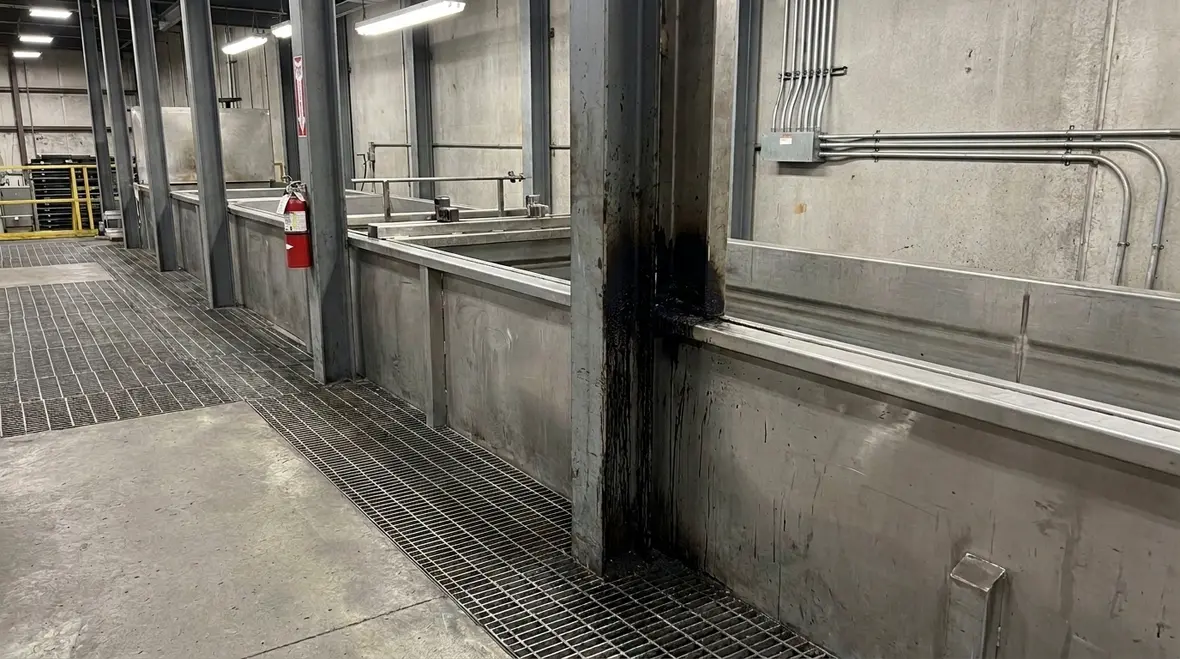
NFPA 34 Section 4.5: Noncombustible Materials in Dipping and Coating Operations
Quick Answer: NFPA 34 Section 4.5 requires dipping and coating operations that involve combustible fuels, residues, or process hazards to be protected with noncombustible materials where specified. The intent is to prevent ignition and limit fire spread by controlling construction, containment, and heat exposure risks.
For broader context on how these process lines are evaluated, see NFPA 34 Section 1.1 Scope: What Dipping, Coating, and Printing Processes the Standard Covers.
Why Section 4.5 Matters in NFPA 34 noncombustible material dipping coating operations
NFPA 34 Section 4.5 targets a specific risk pattern common in dipping, coating, and similar process operations: fuels and residues travel from the liquid and coating process into equipment cavities, supports, floors, enclosures, and sometimes inaccessible voids. When those surfaces or structures are combustible, a small ignition event can transition into a concealed fire that spreads beyond the process area.
In practical terms, NFPA 34 noncombustible material dipping coating operations use noncombustible construction and compatible materials to reduce available fuel load and protect exposure surfaces. This is not just a “materials list” requirement. Facilities must also maintain the integrity of those noncombustible elements as residues accumulate and equipment is serviced.
What Section 4.5 requires (and how it shows up on the floor)
Section 4.5 addresses the use of noncombustible materials in dipping and coating operations as part of the fire protection strategy for process hazards. While exact wording and scope depend on the application and the facility’s overall layout, compliance typically becomes visible in four areas:
- Process and support structures: Tanks, adjacent platforms, covers, and structural supports must use noncombustible materials where the standard requires protection against ignition and exposure.
- Containment and drainage paths: Spills, drips, and runoff need noncombustible surfaces so that residues do not create a combustible pathway.
- Enclosures and adjacent compartments: Housing for heaters, vapor control components, and electrical equipment must be protected with noncombustible materials.
- Work surfaces and installation components: Cable trays, mounting bases, and near-tank surfaces often require noncombustible compatibility to prevent fire growth.
Commercial and industrial sites often discover gaps during renovations. A tank may be upgraded, but the surrounding pit lining, step plates, or access covers may remain unchanged. Section 4.5 compliance is frequently “broken” at the edges, not in the obvious centerpiece equipment.
Operational mechanisms: where fires start and why noncombustible materials reduce losses
1) Residue migration from dipping and coating
Dipping and coating operations create residues on product, hooks, carriers, and tank equipment. During drip-off and handling, residues can land on surrounding surfaces, accumulate in low areas, and collect on structural members. If those members are combustible, a persistent ignition source, even at low energy, can create sustained flame spread.
2) Heat transfer from heaters and process equipment
Heated tanks and vapor control systems transfer heat through contact, radiation, and convection. Noncombustible construction limits how quickly ignition occurs if a residue layer is present. It also buys time for detection and suppression systems to perform as designed.
3) Concealed pathways under platforms and inside enclosures
Many facilities have gaps beneath platforms, around pipe sleeves, and within equipment housings. Combustible finish materials, insulation not rated for the application, or wood-based decking can provide hidden fuel. Noncombustible material selection and installation details reduce concealed fire development in these areas.
Common compliance failure points during inspections
Audits and annual inspections usually uncover the same recurring issues. Addressing these items proactively helps facilities maintain safe operation and avoid repeat citations.
- Outdated renovation components: New process systems installed near legacy construction materials that were not evaluated for noncombustibility requirements.
- Damaged or missing noncombustible barriers: Shields, guards, and protective linings removed for maintenance and not replaced with approved materials.
- Residue accumulation on noncombustible surfaces: Even when materials are noncombustible, thick layers of flammable residue can still ignite. Facilities must treat housekeeping and residue control as part of compliance, not as a separate housekeeping-only program.
- Incompatible coatings on noncombustible substrates: A noncombustible base can still be coated with a combustible finish that ignites and accelerates fire growth.
- Improper penetrations and sealants: Where piping and wiring pass through enclosures, combustible packing or noncompliant sealants can negate the protective intent.
For commercial and retail operations, the inspection challenge is often access. Tight layouts can delay corrective work, increasing the risk that residues or minor damage go unnoticed. For industrial facilities, production schedules can push noncritical repairs until a shutdown, allowing deterioration to worsen between service cycles.
Design, maintenance, and documentation: the compliance program behind Section 4.5
Maintenance requirements that keep noncombustible materials effective
Noncombustible selection alone does not guarantee protection if the system is not maintained. Facilities should establish documented routines for:
- Residue removal and inspection: Define cleaning frequency based on residue type, process duration, and observed buildup patterns.
- Damage checks after maintenance: Verify that access doors, covers, and protective barriers remain intact after electrical work, tank servicing, or instrumentation replacement.
- Material compatibility verification: Confirm that replacement parts and sealants remain noncombustible or meet the required fire performance for the application.
- Thermal exposure review: Reassess heat shielding and clearances when new heaters, insulation changes, or process temperature settings are introduced.
Inspection and testing support for commercial facilities
To sustain compliance, organizations typically pair material checks with broader fire protection assurance activities, including inspection of detection and suppression components where installed. A specialist service partner also helps ensure corrective actions are documented and repeatable across multiple dipping or coating bays.
Kord Fire Protection supports commercial sites by connecting NFPA 34 requirements to ongoing field inspection and maintenance practices, helping teams manage risk during active production and staged renovations. For a related look at day-to-day controls, visit NFPA 1 Section 43.10 Dipping Coating Printing Fire Safety.
How to build an “inspection-ready” dipping line (practical checklist)
Facilities can reduce audit exposure by using a focused inspection checklist tailored to dipping and coating operations. The goal is to confirm that noncombustible materials remain noncombustible in the real world, including after maintenance and cleaning.
| Inspection Area | What to Look For | Typical Corrective Action |
|---|---|---|
| Tank surroundings and platforms | Combustible decking, missing guards, damaged panels, or incompatible coverings | Replace with approved noncombustible materials and restore barriers |
| Containment and drainage | Combustible floor coverings in spill paths, poor slope leading to residue pools | Rework surfaces and ensure residue control practices are effective |
| Enclosures and heater protection | Openings, gaps, missing shields, combustible insulation compromises | Repair and verify heat exposure protection and sealing integrity |
| Pass-throughs and sealants | Combustible packing materials, unsealed penetrations | Re-seal using compatible fire-rated materials |
| Housekeeping and residue | Heavy buildup on supports and near-tank structures | Implement cleaning intervals and verify residues are removed fully |
When these checks become routine, facilities typically reduce both the probability of ignition and the scale of potential loss. That operational consistency aligns with the intent of NFPA 34 and strengthens readiness for recurring compliance reviews.
Frequently Asked Questions
Conclusion and Call to Action
NFPA 34 Section 4.5 protects facilities by limiting combustible fuel involvement in dipping and coating operations. The most common risks come from edge conditions, renovations, penetrations, incompatible finishes, and residue accumulation. Kord Fire Protection helps commercial teams translate NFPA 34 expectations into field-ready inspection and maintenance practices, so compliance stays current through production changes and equipment upgrades. Contact Kord Fire Protection to assess your dipping line and document corrective actions before the next review.

Join Our Newsletter!
Get the latest fire safety tips delivered straight to your inbox From our Newsletter.



