
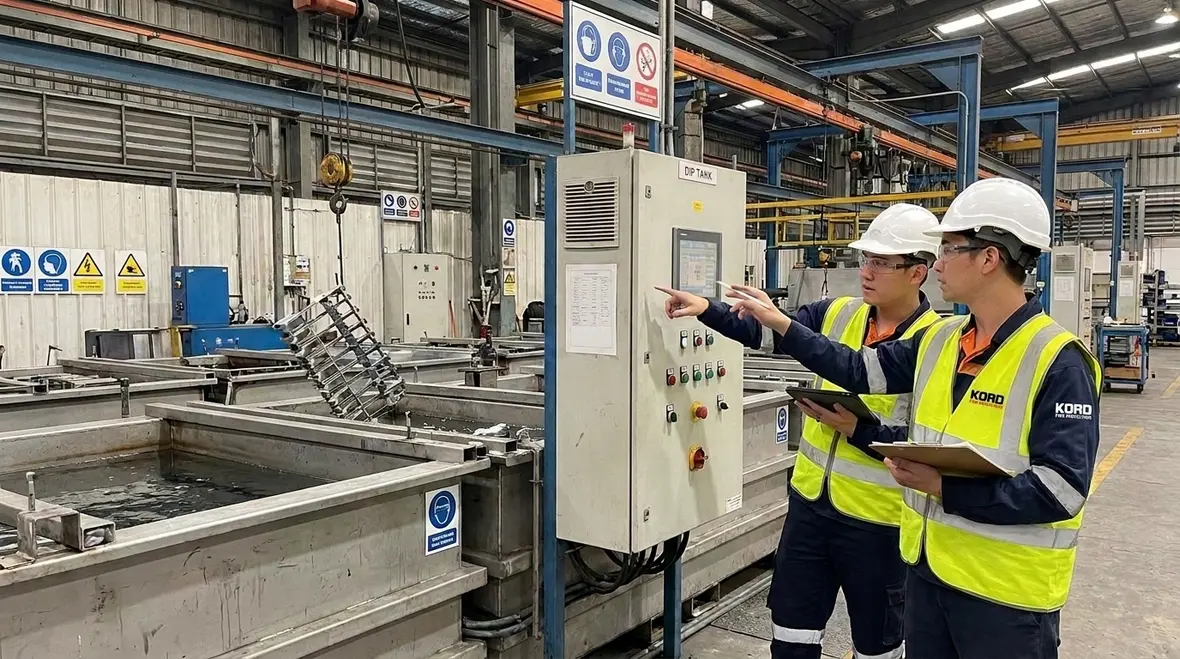
NFPA 34 Section 3.2: Official NFPA Terms Used in the Dipping and Coating Code
Quick Answer
NFPA 34 Section 3.2 standardizes terminology used across the Dipping and Coating Code so facility teams interpret requirements consistently. An NFPA 34 official definitions cross reference supports accurate compliance documentation, inspection readiness, and fewer costly misapplications of design and operating criteria.
For broader fire protection services in Southern California, Kord Fire supports facility teams with inspection, testing, troubleshooting, repairs, and documentation support that fit naturally into ongoing compliance work. ([kordfire.com](https://kordfire.com/fire-protection-services-southern-california/?utm_source=openai))
Why Section 3.2 matters for compliance work
In commercial, industrial, and retail facilities where dipping and coating operations handle flammable liquids and combustible materials, compliance errors often start with terminology. NFPA 34 Section 3.2 establishes the official terms used throughout the code, reducing ambiguity between engineering, operations, and inspection stakeholders.
For teams building maintenance plans, commissioning reports, and hot work or ignition source controls, the practical value is immediate: the same word must mean the same thing in every procedure, inspection checklist, and correction record. This is the intent behind an NFPA 34 official definitions cross reference, and it directly impacts how clauses in NFPA 34 are enforced during plan review and field assessment.
How the code relies on consistent definitions across sections
NFPA 34 is not a standalone set of rules. Its requirements frequently reference earlier terms for equipment, hazards, and operating conditions. When those terms are misunderstood, the facility can apply the wrong mitigation method, size the wrong components, or document the wrong inspection basis.
Operational impacts facility teams feel during inspections
- Incorrect equipment classification: Personnel may label a system using a general name while the code uses a specific term tied to protection objectives. Inspectors then evaluate against the wrong criteria.
- Maintenance and testing drift: PM schedules often inherit terminology from older SOPs. If those terms do not align with NFPA 34 official definitions cross reference guidance, maintenance records become incomplete or noncompliant.
- Procedure gaps for ignition control: Dipping, coating, and drying steps create transient ignition risks. Misdefined terms can cause incomplete controls or missing documentation of operating states.
Common failure points during documentation review
- Unclear boundaries between dipping areas, drying areas, and handling or storage spaces.
- Inconsistent naming in management of change (MOC) packages and contractor work orders.
- Deficient record traceability that fails to tie inspection findings back to the correct code-defined item or condition.
What teams should capture using NFPA 34 official definitions cross reference
Section 3.2 functions as the vocabulary for the entire Dipping and Coating Code. A practical compliance program uses those official terms to align drawings, equipment tags, training, inspection criteria, and operational checklists.
Build a “definitions map” for your site
Facility teams typically gain the most when they create a simple internal mapping tool that ties NFPA 34 terms to site-specific assets and conditions. For example, an item used in a cited requirement should have:
- An equipment identifier (tag number, line name, or station ID).
- The code term it corresponds to from Section 3.2.
- The acceptance criteria source where the term appears later in NFPA 34.
- Maintenance and inspection actions with frequency and responsible role.
Align the definitions with how commercial facilities operate
In real settings, the definitions must match the operational reality of shift turnover, contractor maintenance, and production scheduling. A definitions map prevents recurring issues such as:
- PM technicians testing one device while the SOP references another term.
- Operations staff using informal language that does not match the code-defined function.
- Corrective actions that fail to address the code-defined condition that triggered the observation.
How to apply Section 3.2 during inspections, testing, and maintenance
Fire safety compliance does not end at design. Facilities must demonstrate that defined systems and conditions remain in an acceptable state over time. When Section 3.2 terminology aligns with field practice, inspection findings become easier to resolve and easier to prevent.
Inspection preparation that reduces repeat findings
- Tag-based walkthrough: Walk the dipping, coating, and drying areas using the site’s code term mapping, not only asset names used by operations.
- Training alignment: Confirm that operators and maintenance staff use the same terminology in daily checks and abnormal condition reports.
- Evidence packaging: Store inspection and test records under the code-defined item name so reviewers can quickly verify scope.
Testing and maintenance mechanisms that commonly break down
Across dipping and coating systems, the most frequent operational degradation themes usually include:
- Sensor or interlock inconsistencies: Devices may remain operational but no longer track the correct operating state because of setpoint drift or wiring changes made during production downtime.
- Protection component deterioration: Components exposed to solvents, fumes, moisture, or residue can degrade in ways that reduce effectiveness while still appearing physically intact.
- Documentation gaps after MOC: Contractors and internal teams may update equipment or layout without updating term mapping, training materials, and inspection criteria.
When terminology is standardized at the outset, Kord Fire Protection can support a smoother compliance lifecycle, including readiness assessments, inspection support, and maintenance program alignment so field conditions match code intent.
That approach lines up with Kord Fire’s broader focus on inspections, routine testing, preventive maintenance, and keeping buildings inspection-ready through dependable service programs. ([kordfire.com](https://kordfire.com/?utm_source=openai))
Using documentation and links to support an audit trail
Terminology consistency becomes more valuable when it is supported by traceable documentation. For many facilities, the fastest way to improve audit readiness is to connect the “definitions map” to your existing compliance library and external resources.
Practical internal linking approach
Create internal links (within your facility’s document control system) from each code-defined term to:
- Commissioning and as-built documentation.
- PM plans and test procedures.
- Inspection forms and prior deficiency reports.
- Training records and SOPs.
If you maintain an online or intranet compliance portal, use anchor text that reflects the code term, not a generic label. This improves searchability during incident investigations, insurance inquiries, and AHJ or third party review.
To strengthen ongoing support, commercial facilities often engage Kord Fire Protection for recurring compliance service that ties operational evidence back to the correct code vocabulary.
For additional commercial fire protection guidance and support services, see Kord Fire Protection and review how ongoing testing, maintenance support, and readiness programs can reduce downtime during audits and inspections. Kord Fire describes its service model as inspection, testing, troubleshooting, monitoring coordination, repairs, and practical documentation support for facility teams. ([kordfire.com](https://kordfire.com/?utm_source=openai))
Frequently Asked Questions
Conclusion: confirm vocabulary, then confirm compliance
Section 3.2 prevents interpretation drift by locking in the code’s official terminology. Facility teams should implement an internal NFPA 34 official definitions cross reference, align it with equipment tags and SOPs, and update it through every MOC. If your organization needs help building or maintaining a documentation and inspection-ready compliance program, contact Kord Fire Protection for targeted readiness support, testing alignment, and maintenance program maintenance.

Join Our Newsletter!
Get the latest fire safety tips delivered straight to your inbox From our Newsletter.



