
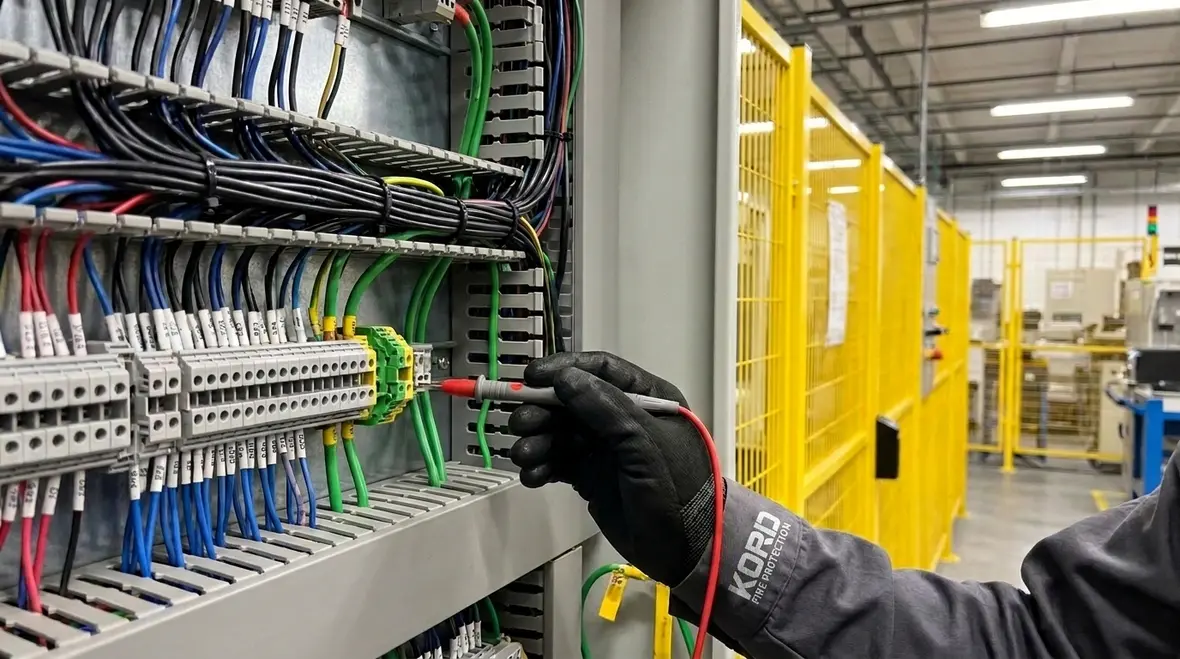
NFPA 34 Section 11.3: Electrical System and Component Requirements for Detearing
Quick Answer
NFPA 34 Section 11.3 requires engineered electrical systems for detearing operations to prevent ignition hazards, manage bonding and grounding, and verify that electrostatic control equipment stays in proper operating condition. Compliance focuses on correct component selection, installation, labeling, protection methods, and routine inspection and testing.
If your team is reviewing grounding integrity and electrical reliability across the facility, Kord Electric’s NEC grounding and bonding requirements for buildings is a useful companion resource before you get into the detearing-specific details.
What Section 11.3 Changes in Real Detearing Operations
NFPA 34 Section 11.3 governs how the electrical system and its components must be designed, installed, protected, and maintained for detearing-related processes where electrostatic ignition risk can exist. In practice, the section drives three operational priorities for commercial, industrial, and retail facilities: (1) ensure the electrostatic control pathway works every time, (2) prevent unintended energization or damage to wiring and controls, and (3) verify the system remains within required conditions through inspection and testing.
For facilities using electrostatic techniques, the core requirement is that NFPA 34 electrostatic detearing electrical system components operate as intended and that failures do not create a hidden ignition source. This typically affects control cabinets, wiring methods, grounding and bonding, interlocks, and monitoring devices used to verify safe operating states.
Which Electrical Components Section 11.3 Typically Covers
Section 11.3 focuses on the electrical system components that enable safe operation and that mitigate electrostatic hazards. While exact setups vary by facility and detearing method, the compliance scope usually includes the following component families.
1) Power distribution and control equipment
Facilities commonly rely on enclosures and distribution devices to feed electrostatic equipment and controls. Compliance expectations usually include proper ratings, secure mounting, and protection against impact, moisture ingress, and mechanical damage. Control equipment must also support fail safe behavior, such as shutting down or preventing operation when a safety relevant condition is not met.
2) Wiring methods, terminations, and cable integrity
NFPA 34 compliance efforts frequently fail at the “small details” level. Termination quality, conductor sizing, cable routing, and strain relief matter because vibration, cleaning processes, and equipment movement can loosen terminations or degrade insulation. Installers must support inspections that verify wiring integrity, correct connection points, and absence of damage.
3) Grounding and bonding components
Grounding and bonding form the practical safety backbone for electrostatic hazard reduction. Detearing systems require a maintained, continuous conductive path between conductive elements and the grounding system. When bonding straps corrode, connections loosen, or grounding resistances drift out of acceptable ranges, the electrostatic control pathway can fail even though the equipment appears to power on normally.
4) Electrostatic control and monitoring devices
Some detearing systems include monitoring components that confirm safe electrical conditions. These can include indicators of operating state, fault detection, or controls that prevent energization when conditions are outside acceptable parameters. The intent is simple: the system must not remain in a degraded state that increases ignition potential.
5) Safety interlocks and protective features
Interlocks and protective methods help stop operation during abnormal conditions such as open circuits, damaged enclosures, or abnormal operating states. In real facilities, bypassing or removing interlock hardware often becomes a compliance risk because it defeats the safety design.
How Facilities Should Verify Installation Compliance (Not Just Paper Compliance)
Section 11.3 requires that electrical systems and components not only be selected correctly but also be installed and maintained so they remain effective. Commercial compliance programs typically need evidence across the lifecycle, including initial verification and repeat checks after modifications.
Start with a field driven equipment map
Compliance work should begin with a documented equipment map linking each detearing operation area to its electrical system components, grounding points, control cabinet, wiring routes, and relevant interlocks. This prevents common gaps such as missing bonding jumpers after equipment moves or unclear responsibility between maintenance and electrical contractors.
Confirm the grounding and bonding pathway end to end
Inspection and testing should verify that bonding points provide continuity and that connections remain secure. Particular attention should focus on joints subject to corrosion, conductive path interruptions, and grounding connections that get disturbed during cleaning, equipment replacement, or floor work.
Inspect enclosures and conductor routing for damage and exposure
Detearing areas often include cleaning agents, high traffic, or repeated access for service. Inspect cable protection, conduit condition, strain relief, and enclosure integrity. Verify that wiring remains protected from abrasion and that terminations resist loosening.
Check control logic and interlock behavior
Facilities should test that safety controls perform as designed. This includes verifying that fault conditions generate the expected response, that resets follow procedure, and that interlocks cannot be bypassed without authorization and controls. Where monitoring is provided, verify indicator behavior and alarm response.
A related angle worth reviewing is Kord Electric’s post on facility electrical safety upgrades, especially if your detearing process sits inside a larger modernization or maintenance plan.
Common Failure Points That Trigger Section 11.3 Noncompliance
NFPA 34 electrostatic detearing electrical system components can appear compliant during routine walk throughs yet fail under deeper inspection. The most frequent commercial issues fall into the categories below.
Loose bonding connections or corroded bonding straps
Ground and bond components face continual stress from environmental conditions and maintenance activities. A corroded connection may pass a quick visual check but fail continuity and resistance expectations when measured.
Wiring degradation from maintenance practices
Repeated access to control panels and routing through congested areas increases the likelihood of nicked insulation, poorly supported cables, or improper termination. Facilities often address the symptom, such as replacing a wire, but not the root cause like inadequate cable management.
Overlooked modifications after commissioning
When equipment is relocated, added, or upgraded, wiring routes and bonding requirements can change. Without a formal compliance review, the new installation may leave gaps in the electrostatic control pathway.
Interlock defeat or uncontrolled reset behavior
Interlocks protect against abnormal states. However, when operational pressure leads to bypass practices or uncontrolled resets, the system can run in a condition that increases ignition risk.
Enclosure and protection limitations
Damaged cable glands, compromised seals, or improperly rated enclosures can allow contamination or moisture intrusion. That condition can degrade components and create intermittent faults that are difficult to detect without targeted testing.
Maintenance and Inspection Program Requirements for Ongoing Compliance
Section 11.3 expectations align with a lifecycle approach: facilities must maintain the electrical system so it remains safe and functional. Effective programs typically include documented inspection intervals, test methods, and clear ownership for corrective actions.
Define inspection triggers beyond scheduled intervals
- After any detearing equipment move, reconfiguration, or electrical modification
- After incidents involving arcing, nuisance alarms, or repeated fault conditions
- After maintenance activities that affect grounding, wiring, or enclosures
Document results in a way that supports audits
A strong compliance record ties test results to the specific components and locations. The documentation should include what was tested, the method used, the pass fail thresholds applied, and the status of corrective work when items do not meet expectations.
Assign trained responsibility and use consistent test procedures
Facilities reduce compliance risk when they standardize inspection procedures across sites. Technicians must understand how electrostatic detearing control equipment is intended to function and recognize failure indicators, especially in environments with frequent cleaning or heavy operational traffic.
How Kord Fire Protection Supports NFPA 34 Compliance for Detearing Electrical Systems
Commercial facilities often need more than a one time inspection. They require ongoing technical support to keep NFPA 34 electrostatic detearing electrical system components aligned with the intent of Section 11.3 over time, especially after changes to equipment, wiring, or operational controls. Kord Fire Protection helps facilities structure inspection and maintenance programs, verify electrostatic safety controls, and provide documentation that supports internal audits and third party reviews.
To strengthen your overall ignition risk control strategy, Kord Fire Protection can also support broader electrical safety initiatives and recurring compliance tasks. For additional guidance, visit Kord Fire Protection and discuss your detearing process, site layout, and maintenance practices.
Frequently Asked Questions
Next Step: Get a Section 11.3 Electrical Review Scheduled
If your facility performs detearing operations involving electrostatic controls, schedule an NFPA 34 Section 11.3 electrical system review to confirm component condition, grounding and bonding integrity, and control reliability. Kord Fire Protection can help you build a repeatable inspection and maintenance plan that protects occupants, supports audits, and reduces downtime caused by hidden electrical defects. Contact Kord Fire Protection today to align your program with commercial facility standards.

Join Our Newsletter!
Get the latest fire safety tips delivered straight to your inbox From our Newsletter.



