
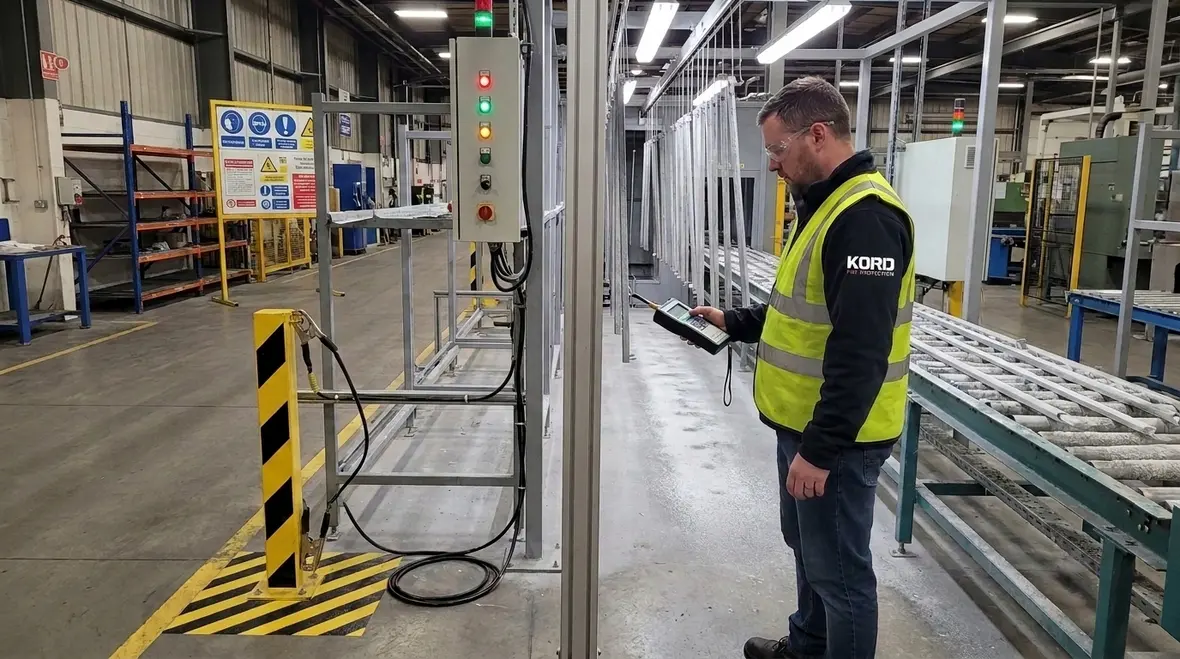
NFPA 34 Section 11.2: General Rules for Electrostatic Detearing
Quick Answer
NFPA 34 Section 11.2 sets baseline controls for electrostatic detearing activities, focusing on maintaining safe ignition control, preventing static charge accumulation, and ensuring equipment and procedures remain compliant throughout operations. Facilities must verify processes, bonding, grounding, inspection, and maintenance to sustain risk reductions.
Electrostatic detearing processes can involve combustible residues, flammable atmospheres, and conductive or semi conductive materials that may accumulate static charge. Under NFPA 34 electrostatic detearing general requirements, Section 11.2 establishes the general rules that help reduce ignition risk from electrostatic sources. Commercial, industrial, and retail facilities that operate in storage, handling, and processing environments use these provisions as a baseline for written procedures, verified hardware performance, and ongoing compliance.
What NFPA 34 Section 11.2 Covers in Practical Terms
NFPA 34 Section 11.2 addresses the general rules that apply across electrostatic detearing operations, not just specific detearing hardware. The provisions typically focus on controlling ignition hazards by preventing electrostatic charge buildup and managing how materials move, contact, separate, and discharge during routine and non routine conditions.
From a compliance standpoint, Section 11.2 functions as a framework. It supports requirements you will usually see reflected in facility programs, including:
- Defined operational controls for detearing tasks and associated equipment states
- Requirements or expectations for bonding, grounding, and conductive continuity
- Inspection and maintenance practices to prevent performance drift over time
- Training and procedural safeguards that reduce the likelihood of unsafe operation
In audits, this section frequently becomes a reference point when inspectors evaluate whether written procedures match how the work actually happens on the floor.
How Static Charge Can Become an Ignition Source During Detearing
Electrostatic hazards typically escalate when three elements align: a combustible material or vapor, an ignition capable energy mechanism, and a way to generate or maintain charge separation. Detearing operations often introduce multiple charge generating steps such as contact and separation, transfer of solids, and rapid movement of materials through or around conductive surfaces.
Common operational pathways that raise risk include:
- Improper conductive contact between equipment components or between the equipment and building grounding systems
- Material changes that affect conductivity, such as new residue characteristics, different product batches, or altered additives
- Wet or contaminated conditions that cause insulating films, poor electrical continuity, or drifting performance of bonding points
- Uncontrolled separation rates during detearing that amplify charge generation
For commercial facilities, the most frequent failure point is not the original design. It is degradation of bonding and grounding continuity, the accumulation of deposits that increase resistance, or procedural shortcuts when maintenance or production pressures occur.
NFPA 34 Electrostatic Detearing General Requirements: The Core Compliance Controls
While specific sub requirements can vary across the broader NFPA 34 framework, the intent behind NFPA 34 electrostatic detearing general requirements in Section 11.2 centers on ensuring that ignition controls remain effective during detearing operations. Facilities should treat this as a requirements hierarchy that spans hardware, procedures, and verification activities.
Bonding and grounding verification should be routine, not occasional
Electrostatic controls rely on conductive paths that consistently move charge to a safe reference. Bonding and grounding points must remain intact and electrically effective. In practice, that means facilities should confirm:
- Conductive connections are present where required by the equipment configuration
- Bonding straps and clamps are secure and not compromised by corrosion or mechanical damage
- Electrical continuity supports the intended static dissipation function
- Insulating residues do not block conductive surfaces and interfaces
Operational procedures must match the real workflow
Written procedures often fail during shift changes, during temporary shutdowns, or after equipment adjustments. Section 11.2 general rules are strongest when procedures reflect:
- Authorized operating conditions for detearing cycles, including startup and shutdown steps
- Limits on how quickly detearing activities occur and how materials are transferred
- Defined responses when abnormal conditions are observed (unexpected residue behavior, equipment faults, or continuity impairment)
- Clear documentation of who can run the operation and when the work is prohibited
Maintenance planning prevents performance drift
Even when initial installation is correct, maintenance gaps can create new ignition pathways. Facilities should plan for recurring checks of:
- Electrical connections and contact surfaces
- Wear items that can change how components align or contact each other
- Protective coatings or contamination control that might inadvertently create insulation
- Any related monitoring equipment that supports safe operation
This is where Kord Fire Protection typically adds value for ongoing compliance. A structured program reduces the likelihood of “surprise nonconformance” by turning critical electrostatic inspection activities into scheduled, documented work.
Inspection and Testing: What to Look For Before It Becomes a Finding
Compliance inspections commonly assess whether electrical continuity and operational controls function as intended. The best approach is to anticipate inspector focus and address common failure modes before they affect risk.
Visual inspection that goes beyond “it looks connected”
Electrostatic risk increases when bonding points remain present but become electrically ineffective. Inspectors often look for signs such as:
- Loose fasteners, worn clamp teeth, or incomplete contact
- Corrosion, paint coverage, or residue buildup at critical interfaces
- Missing jumpers, bypasses, or temporary workarounds left in place
- Damage from vibration, cleaning, or impacts that reduce conductivity
Functional checks tied to the detearing task
Facilities should ensure that verification activities reflect detearing conditions. A bonding measurement that passes during idle operation might not represent the electrical state during detearing movement or separation events. The goal is to confirm that the safe conductive pathways remain effective throughout normal use conditions.
Documentation supports defensibility
In commercial and industrial environments, the ability to show a consistent record matters. Maintain documentation that ties inspection results to:
- Equipment and location identifiers
- Date, method, and acceptance criteria
- Corrective actions taken and verification of their effectiveness
- Any changes in product, residue type, or operating mode
If the facility has related hot work or fire prevention controls, harmonizing documentation across programs also reduces friction during compliance reviews. For additional NFPA driven fire protection alignment, see Kord Fire Protection’s full lifecycle of fire protection servicing for service options that support practical, defensible safety documentation.
Common Failure Points in Commercial Facilities (and How to Prevent Them)
Most noncompliance trends are operational, not theoretical. Detearing work frequently occurs in production spaces where cleaning, maintenance, and workflow changes can unintentionally affect electrostatic control effectiveness.
Typical failure points include:
- Uncontrolled cleaning practices that leave insulating films or disrupt bonding points
- Modifications without risk review, such as replacing components, changing material handling paths, or upgrading equipment
- Bypassed or removed grounding hardware during maintenance, then not restored correctly
- Inadequate training refreshers for operators who work different shifts or cover positions
- Material variability that alters conductivity, moisture behavior, or residue characteristics
To prevent these issues, facilities should align training, maintenance schedules, and change management with the principles behind NFPA 34 Section 11.2. Kord Fire Protection supports this by helping commercial sites establish verification routines and documentation that align with inspection expectations.
Frequently Asked Questions
Call to Action
Facilities that perform electrostatic detearing should treat NFPA 34 Section 11.2 as an operational readiness requirement, not a one time design check. Kord Fire Protection can help establish practical inspection and maintenance routines, verify bonding and grounding performance, and strengthen documentation for audits and ongoing compliance. Contact Kord Fire Protection today to review your electrostatic control program and close common gaps before they become findings.

Join Our Newsletter!
Get the latest fire safety tips delivered straight to your inbox From our Newsletter.



