
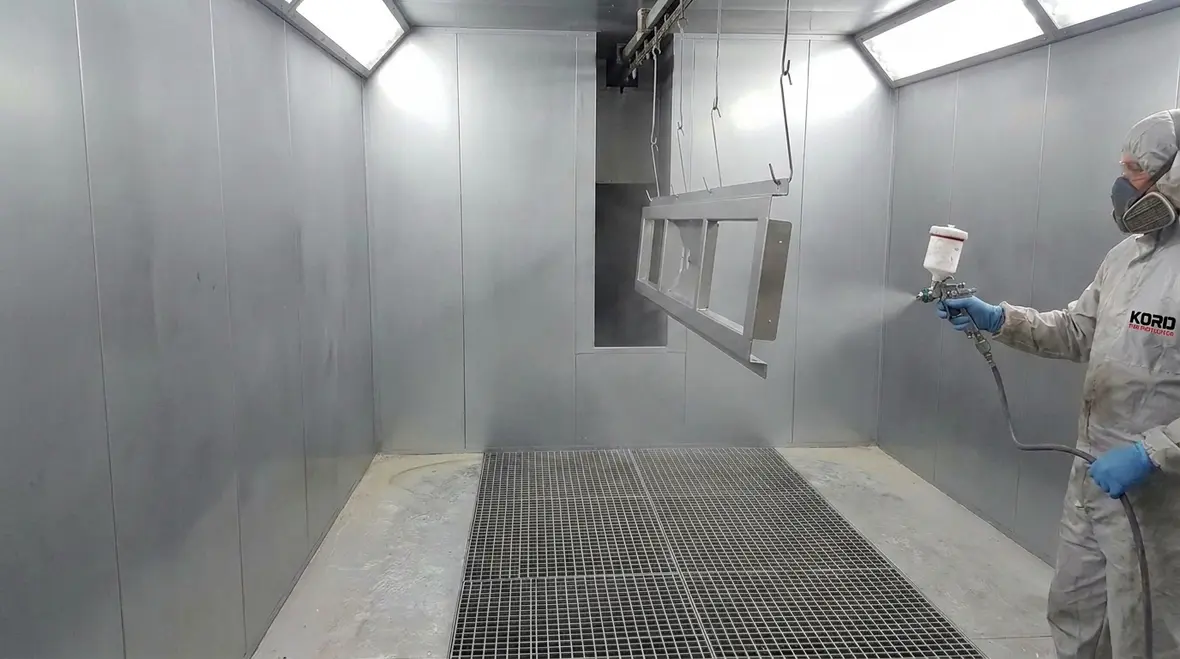
NFPA 33 Section 4.5: Noncombustible Materials in Spray Operations
Quick Answer: NFPA 33 Section 4.5 focuses on controlling ignition risks in spray areas by requiring noncombustible materials where conditions demand fire-resistant construction and practices. The section affects surfaces, overspray management, and equipment surroundings to reduce fuel loading and limit fire spread during spray operations.
Facilities dealing with spray booths, paint lines, or enclosed finishing areas can also review spray booth fire suppression for safer paint operations for a related look at how protection, inspection planning, and documentation support fit into the bigger compliance picture.
What NFPA 33 Section 4.5 requires for spray operations
NFPA 33 Section 4.5 addresses how facilities should use noncombustible materials in and around spray operations to reduce the likelihood that a small ignition event becomes a sustained fire. In practical terms, this section targets the materials that can serve as fuel during abnormal conditions such as overspray buildup, equipment malfunction, or the accidental ignition of residues.
For compliance planning, facility owners and safety teams treat this as a system-level requirement, not a one-time materials choice. NFPA 33 noncombustible material spray operations typically require verifying that the spray area enclosure, adjacent construction, and selected components maintain noncombustible performance under installation and maintenance conditions, including impacts from heat, cleaning chemicals, and routine wear.
Where noncombustible materials apply in a real spray room
Section 4.5 influences multiple locations that inspectors commonly assess during surveys and after changes to equipment or processes. These areas often include:
- Spray enclosure surfaces, including walls and ceilings where overspray may deposit.
- Flooring and ramps where residues can accumulate and where ignition sources may contact stored deposits.
- Partitions and mechanical boundaries around spray booths, spray lines, or application stations.
- Conduit and cable support pathways and structural supports where combustion exposure could occur.
- Storage areas near spray operations when materials could be implicated by radiant heat or contact ignition.
Commercial facilities often discover that the “spray room” is not the only relevant boundary. Retail and light industrial operations may use shared loading docks, adjacent prep benches, or semi-enclosed application zones where overspray and residue drift create unexpected fuel loading. A compliance assessment should map airflow paths, deposition patterns, and maintenance access routes before selecting or revalidating materials.
How inspectors verify noncombustible compliance during site walkdowns
Compliance verification typically combines document review and physical confirmation. Kord Fire Protection supports clients by aligning field observations with the intent behind NFPA 33 noncombustible material spray operations and with how Authority Having Jurisdiction teams evaluate conditions on the ground.
1) Product documentation and material classification
Inspectors commonly request evidence of noncombustible performance such as manufacturer documentation and code listings. The documentation needs to match the installed configuration, including thickness, mounting method, and any surface treatments.
2) Installation quality and continuity of protected boundaries
Even when a component is noncombustible, incomplete coverage or poor installation can defeat the protective intent. Frequent findings include gaps, poorly sealed penetrations, or incompatible trim materials at edges and corners. Any area that can accumulate overspray residues becomes a focal point.
3) Maintenance condition, not just initial install
Noncombustible compliance depends on ongoing condition. Over time, residues, overspray, and cleaning practices can damage finishes, compromise panels, or expose different underlying materials. Inspectors often look for overspray buildup and evidence that housekeeping and inspection routines keep residues from building to ignition-supporting levels.
Common failure points in noncombustible material spray operations
Operational realities create recurring gaps between the design intent and actual performance. These are the points most likely to trigger corrective actions or extended downtime:
- Overspray migration: Material drift deposits near adjacent walls, lighting recesses, and cable runs that were not considered “spray area surfaces” during initial layout.
- Incompatible panel upgrades: Renovations replace older noncombustible assemblies with products that look similar but fail noncombustible criteria.
- Damaged or modified boundaries: Openings for ductwork, electrical work, or cable additions create discontinuities where combustion exposure can occur.
- Residue accumulation: Even noncombustible surfaces can become surrounded by combustible residue layers if cleaning intervals do not match the process output and deposition rate.
- Maintenance and cleaning mismatch: Some cleaning compounds or abrasive practices can degrade materials or coatings, changing their fire performance over time.
To reduce these risks, facilities should implement a structured inspection and cleaning program tied to actual spray usage, not generic schedules. Kord Fire Protection helps commercial teams translate NFPA 33 requirements into practical maintenance triggers, documentation packets, and correction tracking.
Operational controls that work alongside Section 4.5
Section 4.5 supports overall hazard control, but it does not replace operational fire prevention measures. NFPA 33 noncombustible material spray operations generally succeed when noncombustible construction is paired with controls that prevent ignition and limit fuel loading.
Overspray management and housekeeping
Overspray behaves like a fuel precursor when it collects in sufficient quantity. Facilities should define cleaning methods, frequency, and responsible personnel, and they should inspect high deposition zones such as edges, corners, ceiling beam lines, and filter access areas.
Equipment condition and ignition source control
Spray equipment condition affects whether a minor event stays minor. Worn components, malfunctioning valves, or contaminated electrical interfaces can create ignition opportunities near exposed residues. A documented preventive maintenance approach reduces both the probability and severity of abnormal releases.
Change management for commercial work
Retail remodels, tenant improvements, and industrial utility upgrades frequently introduce new materials near spray operations. A change management process ensures that any new walls, panels, ceiling systems, or cable pathways remain consistent with the noncombustible boundaries intended under Section 4.5.
For related fire prevention support resources, facilities can reference Kord Fire Protection materials and service planning on their website: Kord Fire Protection.
How to build a compliance-focused inspection and maintenance plan
A strong compliance program turns Section 4.5 into predictable performance. The goal is to confirm that noncombustible boundaries and spray area conditions remain intact, clean, and properly documented between inspections.
Recommended documentation package
- Material submittals and noncombustible documentation for spray area construction components
- As-built drawings showing spray enclosure boundaries and adjacent material types
- Preventive maintenance records for spray equipment, associated electrical components, and controls
- Cleaning procedures, residue inspection checklists, and training records
- Change logs for renovations and equipment modifications
Inspection frequency calibrated to process intensity
Facilities should calibrate inspection and cleaning frequency to deposition rates, shift length, and change in product formulations. High-volume spray operations generally require tighter inspection cadence than low-volume or infrequent use. Kord Fire Protection can help develop practical schedules and correction workflows that withstand recurring AHJ scrutiny.
Frequently Asked Questions
Next steps: ensure ongoing compliance
NFPA 33 noncombustible material spray operations require more than selecting the right panels. Facilities should verify noncombustible boundaries in the as-built condition, control overspray residue through disciplined housekeeping, and maintain documentation through equipment and renovation change management. Engage Kord Fire Protection to perform a compliance-focused assessment, help prioritize corrections, and support ongoing inspection readiness so your spray operations stay protected and audit ready.

Join Our Newsletter!
Get the latest fire safety tips delivered straight to your inbox From our Newsletter.



