
NFPA 30 Section 22.13: Aboveground Tank Openings Other Than Vents
Quick Answer: NFPA 30 Section 22.13 governs how aboveground storage tanks are built, protected, and maintained where openings other than vents are present. It focuses on safe design, flame control, sealing, and inspection-ready hardware so leaks, ignition sources, and fire spread remain controlled.
What NFPA 30 Section 22.13 AST openings other than vents is trying to prevent
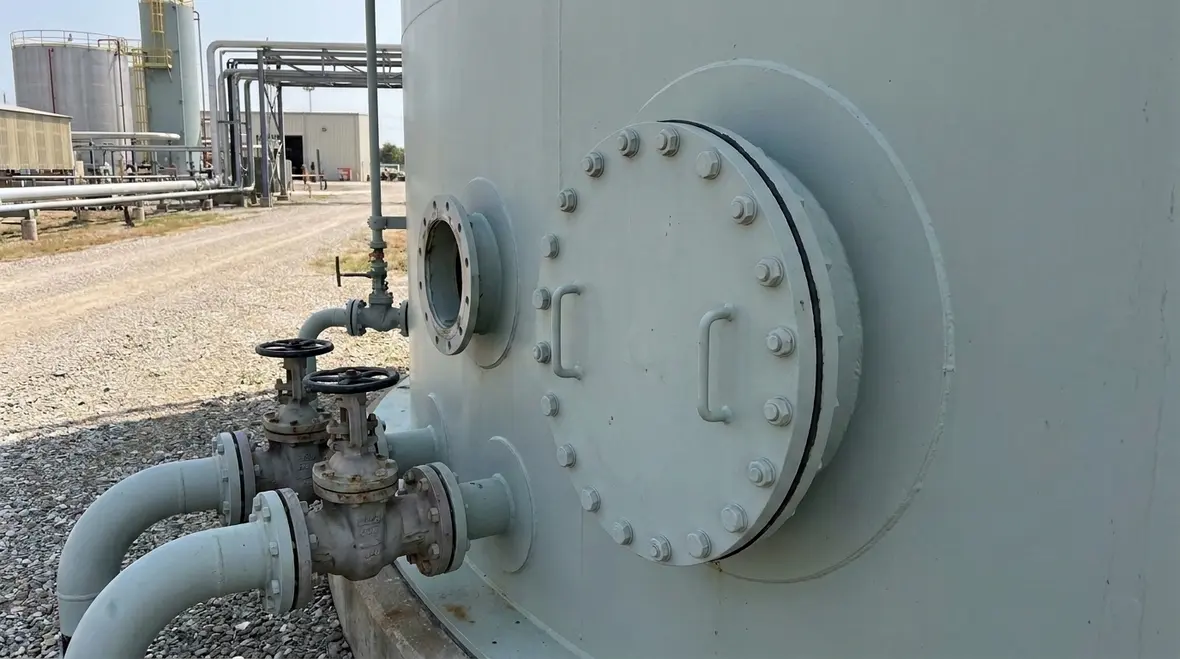
NFPA 30 Section 22.13 AST openings other than vents addresses a high-risk gap between tank integrity and day to day operations. Even when a tank meets general construction requirements, openings such as manways, gauge openings, product piping interfaces, and pump connections can create pathways for flammable vapor release, ignition entry, or fire spread.
To maintain compliance, facilities must treat these openings like engineered fire protection components, not routine maintenance points. This article explains common compliance challenges, inspection expectations, and practical maintenance controls that commercial and industrial sites use to stay audit ready.
Facilities dealing with broader system reliability issues can also benefit from fire protection services in Southern California, especially when inspection readiness, open deficiencies, or code deadlines are already in the mix.
For broader context on how NFPA 30 regulates flammable liquids, see how NFPA 30 regulates flammable liquids.
Where the rule applies and why it matters operationally
Section 22.13 applies to aboveground tanks when openings exist that are not vents. In real facilities, these openings often interface with transfer equipment, instrumentation, and access hardware. Each interface can shift from “stable condition” to “vapor release condition” when valves, seals, gaskets, or protective devices degrade.
Common AST openings other than vents found in commercial facilities
- Manways and access covers used for inspection or internal work
- Gauge openings and fittings for level or temperature measurement
- Sampling connections and thief hatch interfaces
- Pipe connections for fill, discharge, recirculation, and product transfer
- Openings used for installation or maintenance of internal equipment
From a compliance standpoint, the facility must ensure these openings remain controlled during normal operations, abnormal conditions, and maintenance activities. Many incidents start during maintenance because opening hardware gets temporarily bypassed, improperly reassembled, or left with damaged seals.
How compliance is typically achieved for AST openings other than vents
NFPA 30 Section 22.13 AST openings other than vents centers on preventing uncontrolled flame and vapor pathways around non vent openings. While facility-specific design details vary, the compliance approach consistently includes engineered flame control, robust sealing, and protected arrangement of connections.
1) Flame control measures at the opening interface
Non vent openings can create conditions where an external ignition source reaches internal vapor space, or where burning vapors exit through an opening and threaten adjacent exposures. Commercial tank systems therefore rely on flame arresting principles or equivalent protective design where required by the applicable code intent.
In practice, compliance often depends on whether the opening incorporates approved protective components and whether those components remain correctly installed, clean, and correctly sized.
2) Seals, gaskets, and closures kept in inspection condition
Seals and closures fail in predictable ways: gasket hardening from fuel exposure, improper torque during reassembly, misalignment of manway covers, and deformation from thermal cycling. When seals degrade, vapor leakage can occur without obvious odor or visible emission until conditions worsen.
Sites that stay audit ready use documented inspection intervals for seals and require traceable work orders for any removal and reinstallation of opening hardware. They also verify closure condition after any maintenance that disturbs the opening.
3) Protective arrangement of piping connections
Transfer piping and instrumentation lines can introduce ignition pathways if uncontrolled. Compliance typically requires that piping arrangements, fittings, and closure valves maintain the protective intent of the tank system. Anything that creates a temporary “open path” during operations must be managed with formal procedures.
What inspectors look for during audits and walkthroughs
In commercial and industrial environments, the strongest compliance evidence comes from repeatable inspection and maintenance records, not only the physical hardware. Auditors generally focus on whether non vent opening controls stay effective between service events.
High attention items for NFPA 30 Section 22.13 AST openings other than vents
- Condition of manway and gauge closures, including gasket integrity and closure alignment
- Presence and condition of protective devices associated with opening pathways
- Valve and connection readiness, including correct closed position and absence of “temporary bypass” conditions
- Evidence of leaks, seepage, or residue at opening interfaces (including around flange faces)
- Documentation for last seal replacement, reassembly verification, and any changes made to hardware
Operational failure points that frequently create non compliance
- “Quick open” practices during sampling or maintenance that do not include controlled closure verification
- Missing or incorrectly installed seals after internal access
- Damaged flame control inserts or protective components that get replaced with non equivalent parts
- Worn piping supports or misaligned flanges that stress closures and accelerate leakage
- Inconsistent torque procedures that lead to gasket extrusion or uneven compression
To reduce these risks, Kord Fire Protection supports facilities with inspection planning, compliance documentation support, and ongoing maintenance coordination, including verification activities that align with commercial facility standards for flammable liquid systems.
Making it practical on real sites: procedures, contractors, and recordkeeping
Section 22.13 compliance succeeds when the tank opening controls operate within a controlled maintenance management system. Retail, industrial, and commercial operators often face scheduling pressure, so a formal procedure prevents “shortcuts” during outages and maintenance windows.
Recommended site controls that support AST opening compliance
- Permit to work and isolation steps before any opening other than vents is disturbed.
- Equipment listing that ties each opening to its required protective components and approved replacement parts.
- Pre and post maintenance verification that confirms seals, closures, and protective devices return to inspection-ready condition.
- Contractor onboarding with documented requirements for gasket material, torque method, and reassembly checks.
- Maintenance record traceability including photos where appropriate, work orders, and measured closure outcomes.
Kord Fire Protection works as a compliance partner so facilities can keep NFPA 30 obligations aligned with operational realities, including scheduling inspections around production and maintaining audit-ready evidence for regulators and insurers.
Where NFPA 30 Section 22.13 fits into the broader flammable liquid program
Section 22.13 sits within a larger flammable liquids compliance framework that includes tank protection, venting controls, fire protection design, and ongoing system integrity management. Facilities often improve compliance faster when they connect “tank specific” rules to facility wide standards such as hot work controls, spill response readiness, and maintenance governance.
For facilities building a unified compliance plan, the supporting reference how NFPA 30 regulates flammable liquids helps link Section 22.13 decisions to the broader code objectives.
If your site also relies on suppression infrastructure tied to liquid hazards, foam fire suppression system maintenance and testing is a natural next read.
Frequently Asked Questions
Next step: keep AST opening hardware compliant year round
Commercial facilities reduce risk and audit time by managing NFPA 30 Section 22.13 AST openings other than vents with a controlled maintenance workflow, traceable reassembly verification, and documented inspection outcomes. Kord Fire Protection helps operators stay proactive through compliance focused inspections, maintenance support, and ongoing coordination. Contact Kord Fire Protection to review your current AST opening controls, identify likely failure points, and build an audit ready maintenance and inspection plan.

Join Our Newsletter!
Get the latest fire safety tips delivered straight to your inbox From our Newsletter.



