NFPA 3 Fire Protection Commissioning Goals
Quick Answer
NFPA 3 sets commissioning goals to verify that fire protection systems are designed installed and tested to a clear standard. This article explains how those commissioning objectives guide planning verification and documentation and shows how Kord Fire Protection can partner with Australian sites to deliver reliable compliant protection for industrial retail and commercial facilities.
For a practical look at how this plays out on active sites, see industrial fire pump commissioning in Australia. For a broader framework reference, you can also review this NFPA 3 overview for fire protection systems.
Introduction and NFPA 3 goals overview
Commissioning is more than a final sign off. It is a process that ensures readiness and reliability when it matters most. NFPA 3 provides the framework for commissioning fire protection systems by setting clear goals that must be met before a site is accepted. Those commissioning goals revolve around readiness accountability and evidence of performance. In practice that means confirming sensors respond alarms trigger actuators operate and all system interfaces work in concert. For facilities across Australia these commissioning objectives translate into a practical program that reduces risk shortens downtime and protects people and assets. The result is confidence that lasts beyond the last test report and into day to day operations.
NFPA 3 and commissioning goals for fire protection systems
NFPA 3 covers the lifecycle of a fire protection installation from design intent through handover. It defines roles responsibilities and the sequence of verification steps required to prove that the system meets design and code requirements. The standard emphasizes documentation traceability and repeatability. It calls for a structured approach to functional testing integration checks and final acceptance criteria. In short NFPA 3 aligns the project team around a common goal a trusted system that protects lives and property.
Why these goals matter on live sites
On a real project nobody wants to find out during a test that the system behaves like several strangers trapped in the same group chat. Clear commissioning goals keep everyone pointed at the same target. They help teams verify that devices respond correctly that interfaces pass the right signals and that documentation actually reflects what was built instead of what somebody hoped would be built three revisions ago.
The commissioning process in practice
Planning begins with a risk assessment and a review of design intent. A clear testing schedule is prepared to minimize site disruption while still delivering rigorous checks. Pre commissioning tasks verify component readiness and power supplies while system interfaces are mapped. Functional testing then verifies each function operates as intended and under fault conditions. Finally acceptance involves formal sign off and complete documentation that proves the system meets commissioning goals and fire protection objectives. The process is designed to be repeatable across sites and scalable for different sizes of facilities.
Key checkpoints before handover
- Confirm design intent and acceptance criteria are documented clearly
- Verify component readiness power supplies and interface mapping
- Run functional testing under normal and fault conditions
- Record traceable results and resolve issues before final sign off
- Complete handover materials and operator training
Kord Fire Protection partnership
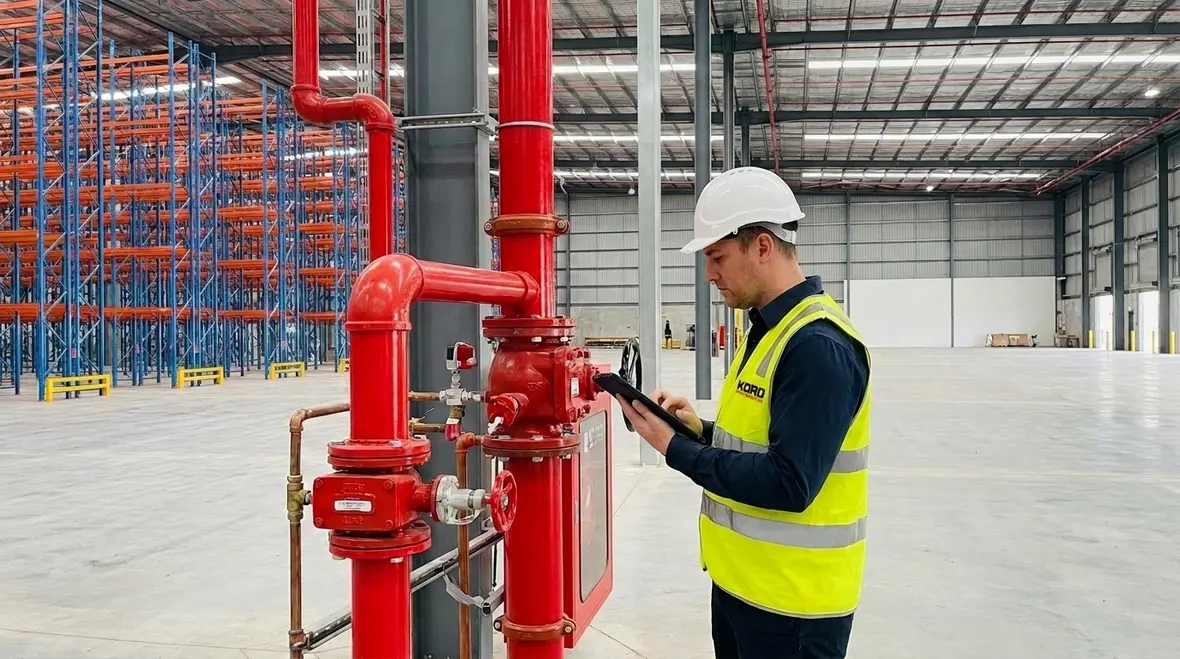
Kord Fire Protection brings deep experience in commissioning projects for industrial retail and commercial sites across Australia. The company offers independent verification design review pre commissioning checks functional testing and post implementation support. By partnering with Kord facilities gain a trusted adviser who can interpret NFPA 3 requirements align them with local codes and ensure the documented evidence needed for authorities having jurisdiction. In addition Kord can integrate best practice lessons learned from multiple sectors reducing risk and speeding up acceptance without cutting corners.
Achieving fire protection objectives in practice
In practice these objectives require disciplined coordination between design engineers facilities managers and commissioning specialists. A robust plan includes clear acceptance criteria traceable documentation and a credible testing regimen. Transitioning between testing phases should be smooth with issues resolved promptly to prevent delays. Moreover ongoing training and handover support help facility teams operate and maintain the system with confidence. When done well the commissioning process minimizes false alarms avoids unscheduled outages and keeps the site productive while maintaining safety as the top priority.
Australia market realities and dual column spotlight
Across Australia industrial sites retail complexes and office campuses face diverse risk profiles and regulatory expectations. The commissioning program must adapt to each site while keeping the core NFPA 3 principles intact. To illustrate practical alignment two quick columns cover key tasks side by side.
Column A
- Define acceptance criteria based on design intent
- Map system interfaces and control logic
- Validate sensors alarms and actuation under normal and fault conditions
Column B
- Document test results with clear traceability
- Perform final commissioning sign off and stakeholder approvals
- Provide training and handover materials for operations staff
FAQ
Conclusion
Engaging a partner who understands NFPA 3 plus the realities of Australian sites makes the commissioning journey smoother and more predictable. Kord Fire Protection offers the expertise to drive the commissioning goals and deliver fire protection objectives with clear documentation and strong results. Contact them to discuss how your next project can achieve safer operations and assured compliance.

Join Our Newsletter!
Get the latest fire safety tips delivered straight to your inbox From our Newsletter.