NFPA 291 Chapter 3 Hydrant Testing Definitions Explained
Quick Answer
NFPA 291 Chapter 3 sets the language that fire teams use to talk clearly about hydrant color, flow, pressure, and testing. In plain terms, it helps crews avoid confusion, compare sites with confidence, and support safer fire protection planning. For commercial properties that need dependable system oversight, full fire protection services from Kord Fire Protection can help turn those definitions into practical action. Kord also offers hydrant-focused support through its broader hydrant service expertise and related fire protection resources. ([kordfire.com](https://kordfire.com/full-fire-protection-services/?utm_source=openai))
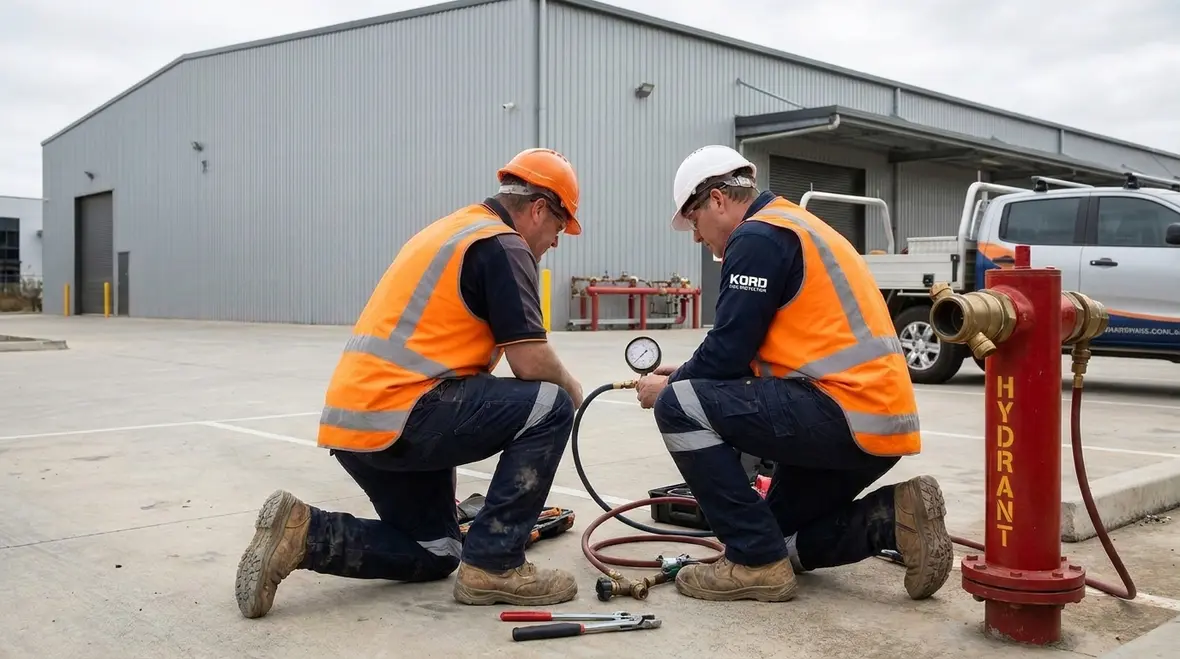
NFPA 291 Chapter 3 may sound dry at first, but it gives fire professionals the common language that keeps systems, crews, and reports aligned. In the world of fire hydrants, terms like available fire flow, static pressure, residual pressure, and hydrant marking do not sit in a dusty manual for decoration. They guide real decisions. For facilities that depend on reliable water supply and fast response, these definitions matter. And yes, they matter even more when a site has more moving parts than a movie plot from Marvel.
For industrial, retail, and commercial sites, Kord Fire Protection can be a vital partner because it helps translate those definitions into inspection, testing, maintenance, and reporting that support safer operations. Kord’s service pages emphasize routine testing, preventive maintenance, and compliance-focused support across fire protection systems, while its hydrant-related resources show how testing data informs planning and readiness. ([kordfire.com](https://kordfire.com/full-fire-protection-services/?utm_source=openai))
| Key NFPA 291 Chapter 3 term | What it means in practice |
| Available fire flow | The water supply a hydrant system can provide for fire response |
| Static pressure | Water pressure before water starts moving |
| Residual pressure | Pressure left while water is flowing |
| Hydrant classification | How hydrants are identified for response and planning |
Why these definitions matter for fire hydrant work
Chapter 3 gives the terms their proper weight. Without that shared language, one site might think a hydrant performs well, while another team reads the same result and sees a weak supply. That gap can create delays, poor planning, and expensive surprises. Also, nobody wants a fire report that sounds like a game of telephone played in a wind tunnel.
For facility managers, the value is simple. Clear definitions support clearer testing. Clear testing supports better decisions. Better decisions support safer people, assets, and business continuity. That is exactly why Kord’s hydrant testing content repeatedly connects field measurements to planning, maintenance, and operational confidence. ([kordfire.com](https://kordfire.com/huntington-park-fire-hydrant-testing-guide/?utm_source=openai))
Shared terms create shared expectations
When everyone uses the same definitions, engineers, technicians, property managers, and response teams can read the same report and come away with the same understanding. That might not sound glamorous, but it is incredibly useful. Available fire flow tells one part of the story. Static and residual pressure fill in the rest. Once those terms are understood correctly, test results become more than numbers on a page. They become a real picture of system readiness.
How Chapter 3 supports hydrant testing and reporting
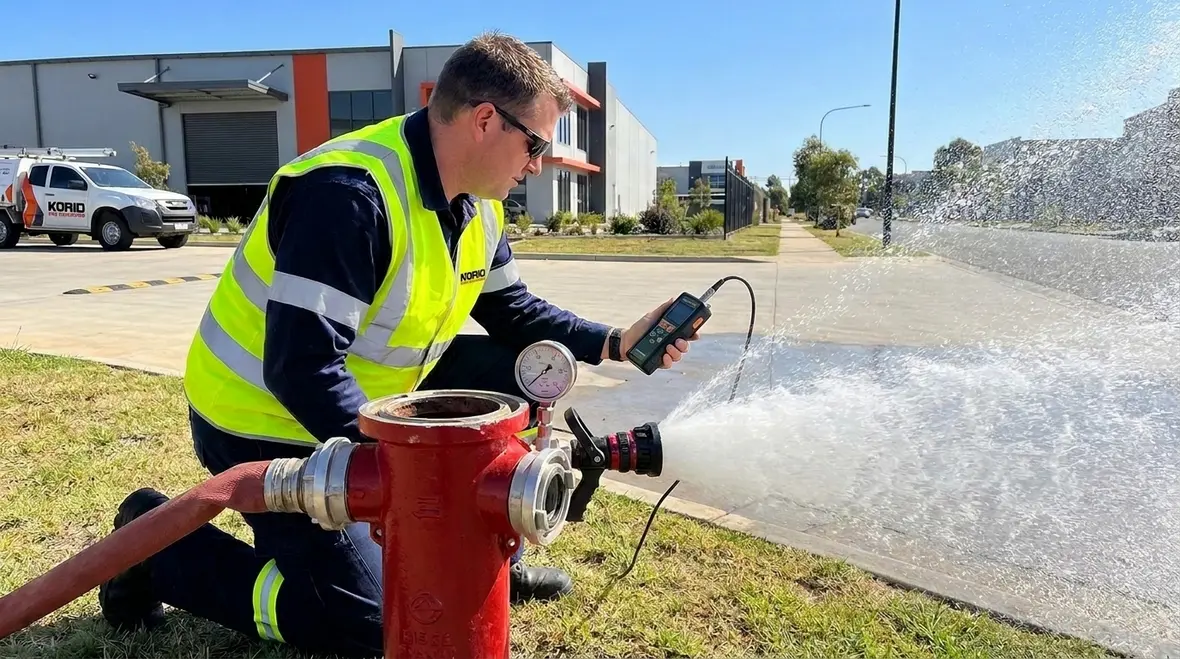
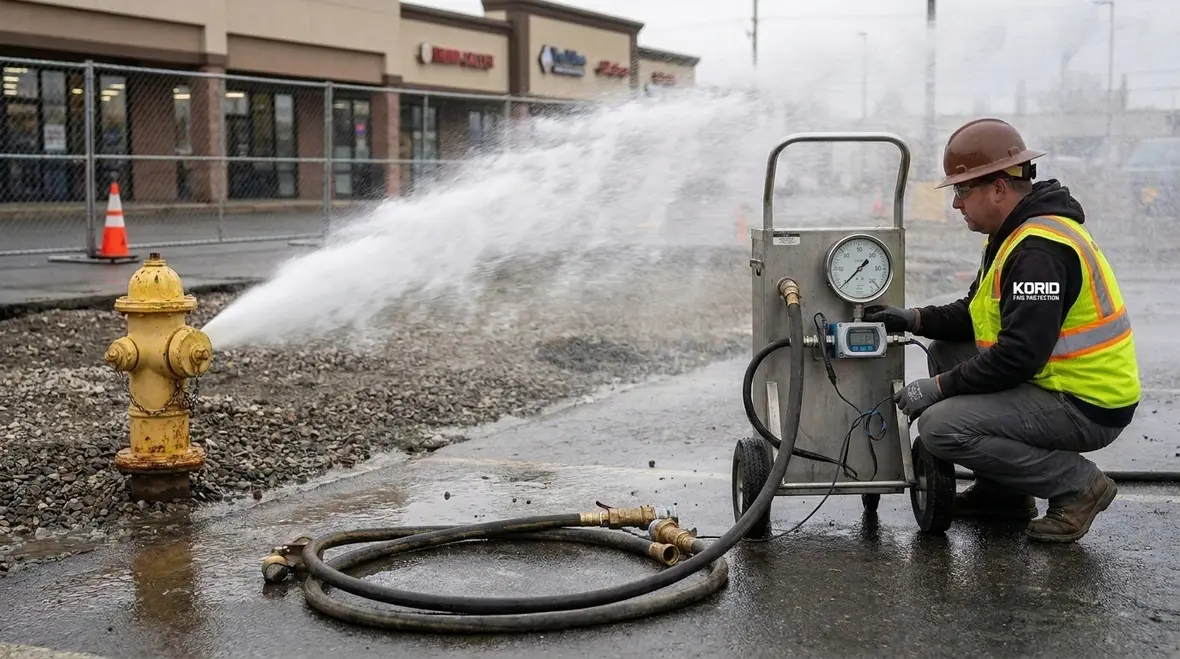
NFPA 291 fire hydrant definitions help teams describe test conditions in a way that others can trust. During a flow test, for example, the crew measures pressure before and during water movement. Then they use those results to judge how the supply behaves under demand. That makes the report useful for engineers, fire protection staff, and site leaders. Kord’s fire hydrant flow test guide explains this same practical relationship between flow, pressure, and real-world planning. ([kordfire.com](https://kordfire.com/fire-hydrant-flow-test-guide-to-water-pressure/?utm_source=openai))
In practical terms, Chapter 3 helps teams turn field work into information that can travel. A technician may conduct the test, but the report will likely be read later by multiple people who were not standing beside the hydrant when the gauges moved. Definitions make that handoff cleaner. They reduce the risk that one person thinks a number means one thing while another person reads it another way. In fire protection, that kind of clarity is not a luxury. It is the whole point.
- Describe hydrant performance with less confusion
- Compare one test with another using the same terms
- Record results that support audits and compliance reviews
- Plan upgrades when supply falls short
The report only helps if people can use it
A strong hydrant test report should not feel like it was written for a secret club of gauge whisperers. It should help decision makers understand what happened, what the readings suggest, and whether follow-up action makes sense. Kord’s hydrant articles consistently frame testing this way: useful data, clear reporting, and practical next steps. ([kordfire.com](https://kordfire.com/exterior-fire-hydrant-flow-testing-for-commercial-sites/?utm_source=openai))
What fire professionals should know about hydrant classification
Hydrant classification is more than a label on a cap or sign. It helps identify the supply level and the role a hydrant can play during emergency response. Because of that, the classification system supports both firefighters and site planners. It also helps reduce guesswork, and guesswork is a poor strategy when water and fire are in the same sentence.
For large sites, hydrant classification can influence response plans, access routes, and maintenance priorities. Therefore, facility teams should not treat it as paperwork. They should treat it as part of the site’s fire safety backbone. For readers who want broader context on testing and marking, Kord has a related NFPA 291 resource that fits naturally here: NFPA 291 fire hydrant testing and marking guide. Kord also links hydrant performance with larger system planning in related hydrant maintenance and flow testing content. ([kordfire.com](https://kordfire.com/fire-hydrant-maintenance-checklist-guide/?utm_source=openai))

Classification helps before the emergency starts
One of the underrated strengths of clear hydrant classification is how much it improves preparation long before an incident happens. Teams can map stronger and weaker supply points, spot locations that deserve closer monitoring, and avoid relying on assumptions that have aged badly. If a site is large, busy, or full of changing occupancy risks, that kind of foresight can save both time and money later.
NFPA 291 fire hydrant definitions in site planning
Site planning works best when definitions guide the layout and review process. If the available flow is known, teams can better judge whether a hydrant setup supports the building risk profile. If pressure data changes over time, the site can spot supply issues before a real event exposes them.
This is where hydrant testing stops being a once-and-done box to tick and starts acting like a planning tool. Repeated testing gives teams trend data. Trend data shows whether supply remains stable, improves, or slips. Kord’s hydrant testing and maintenance resources repeatedly position testing as part of a larger readiness strategy rather than a one-time ritual with wet shoes. ([kordfire.com](https://kordfire.com/exterior-fire-hydrant-flow-testing-for-commercial-sites/?utm_source=openai))
For warehouses, shopping centres, logistics hubs, and multi-tenant commercial facilities, dependable hydrant data matters because large floor areas and mixed uses often create complex water demand profiles. Kord’s service materials describe support for commercial and industrial properties, while its hydrant-specific guides connect testing data to design and operational planning. ([kordfire.com](https://kordfire.com/full-fire-protection-services/?utm_source=openai))
When numbers become decisions
A site can collect every gauge reading in the world and still miss the point if nobody knows what those numbers mean together. Chapter 3 definitions help solve that. Static pressure tells one story. Residual pressure tells another. Flow results add the final piece. Together, they reveal whether a water supply can support a fire event with enough force and volume. Suddenly the data stops looking like random trivia and starts acting like a decision-making tool.
Where Kord Fire Protection fits into this work
Kord Fire Protection can become a strong partner by helping facilities manage the practical side of hydrant compliance and performance. The company supports inspection, testing, maintenance, and reporting so that the language in NFPA 291 Chapter 3 becomes measurable action on site. Kord’s main site and full-service page describe a compliance-focused model that includes hydrants, inspections, testing, maintenance, and broader life-safety coordination. ([kordfire.com](https://kordfire.com/?utm_source=openai))
- Understand hydrant test results in plain language
- Track pressure and flow trends over time
- Identify weak points before they become costly issues
- Keep records ready for audits and internal reviews
When a partner like Kord Fire Protection reviews that data, the numbers stop being a puzzle and start becoming a plan. That is the difference between information and action. And action, in fire protection, is the part that pays rent.
FAQ: NFPA 291 Chapter 3 for fire professionals
Conclusion
NFPA 291 Chapter 3 gives fire professionals the terms they need to judge hydrant systems with clarity. That clarity supports safer planning, stronger reporting, and better coordination between testing teams and decision makers. Without shared definitions, even good field data can turn muddy fast.
Kord Fire Protection helps turn those definitions into reliable site action through testing, maintenance, and practical reporting support. If a facility wants better hydrant oversight and less guesswork, this is the moment to bring in the right partner and connect the language of NFPA 291 with real-world readiness. ([kordfire.com](https://kordfire.com/?utm_source=openai))

Join Our Newsletter!
Get the latest fire safety tips delivered straight to your inbox From our Newsletter.