
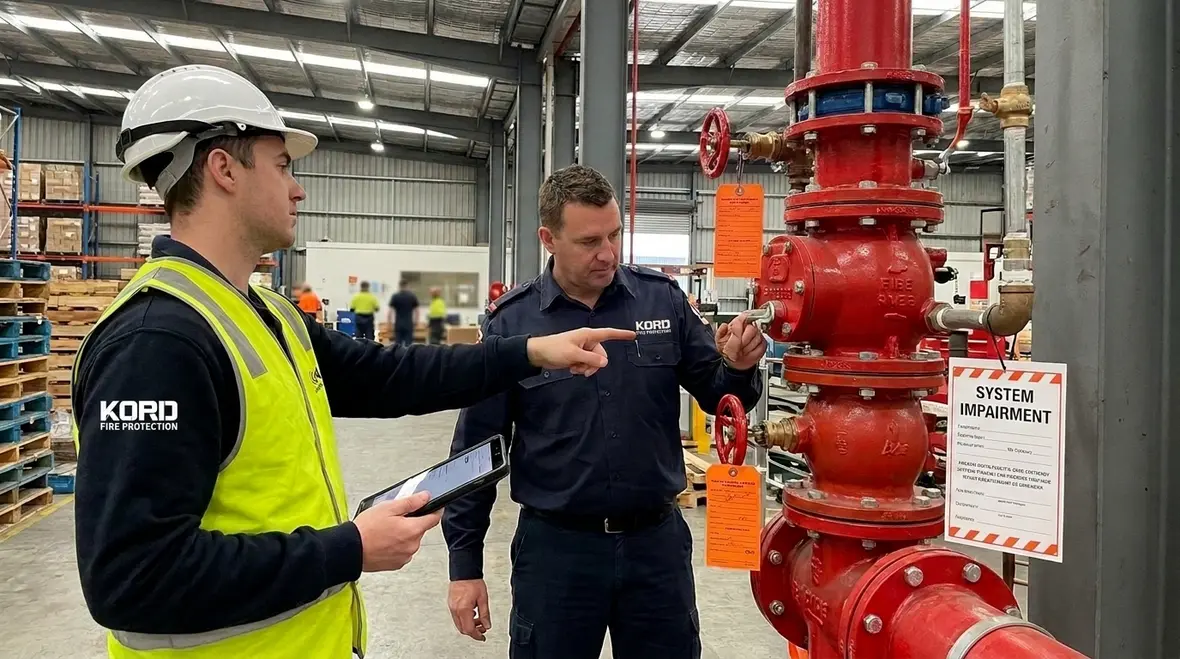
NFPA 25 Impairment Coordinator Responsibilities for Shutdowns
Quick Answer
NFPA 25 § 15.2 places a clear duty on the impairment coordinator to manage fire protection shutdowns with care, speed, and solid records. The role helps reduce risk, protect people and property, and keep systems restored fast. For industrial, retail, and commercial sites, Kord Fire Protection can become a steady partner in that work.
Fire protection shutdowns can feel like a bad scene in a disaster movie. However, the stakes are very real. The NFPA 25 impairment coordinator responsibilities are built to keep fire systems from becoming a weak link when inspections, repairs, or faults force a shutdown. In simple terms, the impairment coordinator controls the risk while the system is out of action. That means planning, warning, monitoring, and restoring protection with discipline. And when the clock starts ticking, Kord Fire Protection can help keep the whole process calm, compliant, and far less dramatic than a fire drill with no coffee.
If your site needs a practical partner for full fire protection services, it makes sense to line that support up before a shutdown turns your day sideways. A coordinated service team helps keep inspections, repairs, testing, and restoration tied together instead of scattered across five phone calls and one very stressed facilities manager.
What NFPA 25 § 15.2 Means for Fire Protection Shutdowns
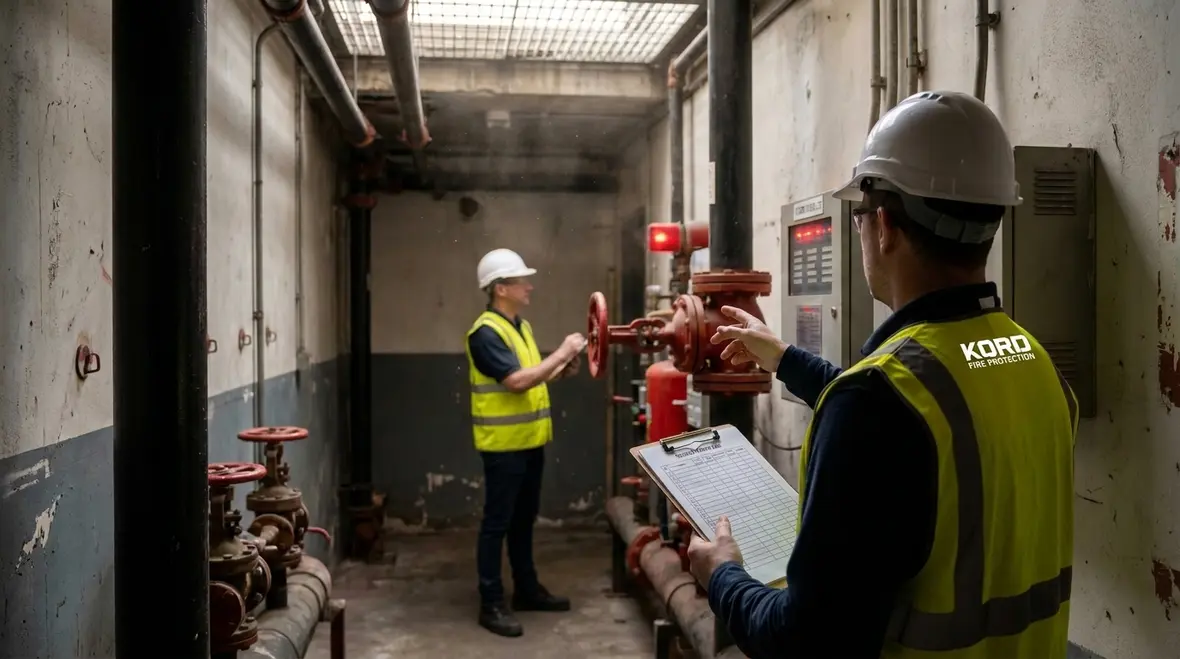
NFPA 25 § 15.2 focuses on how to manage impairments in fire protection systems. When sprinklers, pumps, alarms, or related equipment go offline, the site does not get to pretend nothing happened. Instead, the impairment coordinator must act at once. This role exists to make sure the shutdown does not turn into an open invitation for damage, loss, or chaos.
In practice, the coordinator tracks the impairment from start to finish. They confirm the work, document the issue, notify the right people, and support temporary fire safety steps. As a result, the site stays protected even while part of the system rests on the bench. That is the heart of the job. It is not glamorous, and it will never be confused with a victory lap, but it is exactly the kind of disciplined process that keeps one small system problem from becoming a very expensive headline.
For broader context, Kord Fire Protection’s NFPA 25 overview and complete water-based fire protection systems maintenance breakdown helps connect impairment duties to the wider inspection, testing, and maintenance framework. That bigger picture matters because shutdowns do not happen in isolation. They sit inside an ongoing maintenance program, and the better that program runs, the less often your site gets surprised.
Why the role matters the moment protection drops
The instant a fire protection system is impaired, the building’s level of defense changes. Even if the shutdown is planned, even if the repair is minor, and even if everyone swears it will only take an hour, the risk still shifts. The impairment coordinator is there to make sure that shift is recognized and controlled. Without that role, teams can drift into assumptions, and assumptions around life safety are not exactly a confidence inspiring strategy.
The Core NFPA 25 Impairment Coordinator Responsibilities
The NFPA 25 impairment coordinator responsibilities cover both planning and control. First, the coordinator must know when a system is impaired. Then, they must make sure the right people know it too. That includes site leaders, maintenance teams, fire service contractors, and anyone who needs to respond if an emergency happens during the shutdown.
Key duties usually include:
Identifying the impaired system and the reason for the shutdown
Recording start time, expected duration, and affected areas
Setting up fire watch or other temporary protection when needed
Making sure exits, alarm paths, and risk areas stay clear
Checking that the system returns to service safely
Keeping complete records for audits and review
That list may look neat on paper. In real life, it often happens while forklifts move, stock shifts, contractors ask questions, and operations keep rolling. Therefore, strong coordination matters more than fancy language. The coordinator has to keep the process moving while also slowing everyone down just enough to avoid bad decisions.
What good coordination looks like in practice
A strong impairment coordinator does not simply fill out a form and disappear into the background. They verify scope, confirm isolation points, make sure the shutdown is limited to the smallest practical area, and keep everyone honest about the timeline. They ask the useful questions. What exactly is offline? Which zones are exposed? Is hot work happening nearby? Who has been notified? What temporary measures are already in place? When will testing happen before service is restored? Those questions are not paperwork fluff. They are the difference between controlled risk and blind optimism.
How the Impairment Coordinator Manages Risk During a Shutdown
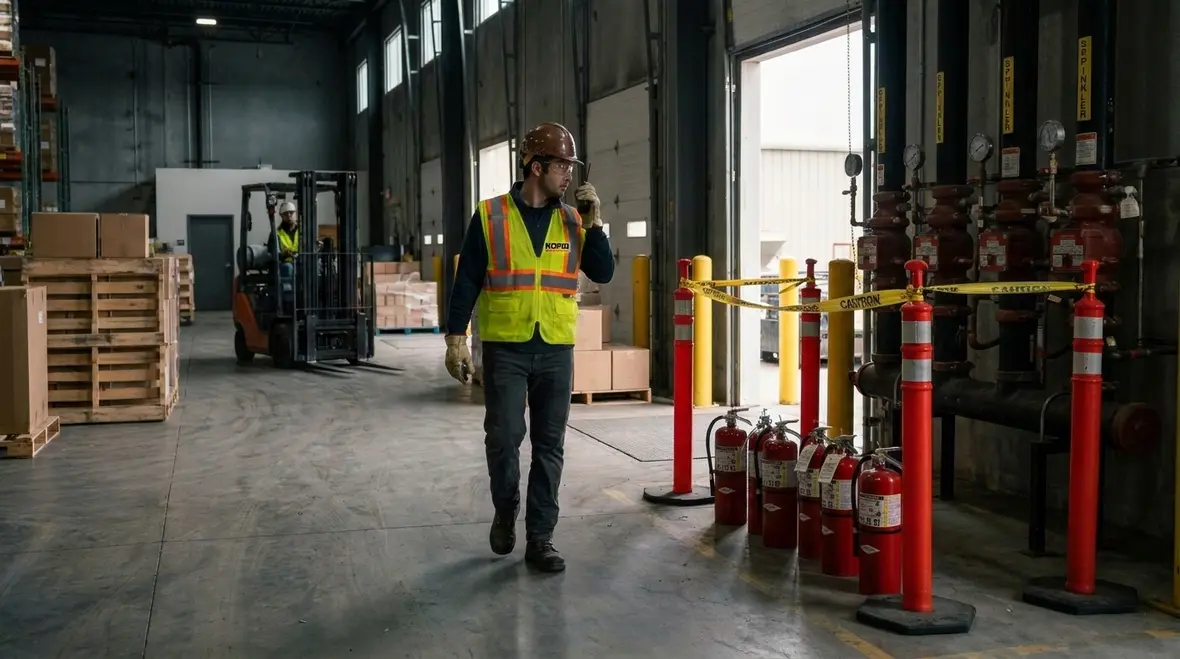
The coordinator does not just handle admin. They manage risk in a live environment. That means they look at what the shutdown affects, how long the gap will last, and what could go wrong. For example, a sprinkler valve closed for a repair in a warehouse creates a very different risk than a small alarm fault in an office wing.
Because of that, the coordinator must match the response to the site. Temporary measures may include fire watches, extra patrols, portable extinguishers, restricted hot work, staged work timing, or tighter access control around the affected area. Moreover, the coordinator must keep the impairment short. The longer the system stays offline, the more exposure the site carries. Fire does not care about meeting minutes, and it never reads the memo.
This is also where practical site knowledge matters. A distribution hub with active loading bays, a manufacturing site with process heat, and a retail center with public traffic all create different pressure points during a shutdown. The best impairment plans are specific, not generic. They reflect occupancy, fuel load, operating hours, access routes, staffing levels, and whatever else could make a bad day worse.
Common temporary safeguards during an impairment
Assigning a fire watch to patrol the affected area on a documented schedule
Suspending hot work until the system is restored or alternate controls are approved
Positioning portable extinguishers where response may be needed fastest
Keeping egress routes and fire department access points clear at all times
Sequencing work so the impairment starts late and ends early instead of lingering all day
None of those measures replaces a fully functioning fire protection system. That is the point. They are temporary controls meant to shrink exposure until the real protection is back online. If someone starts talking about a long shutdown as though a clipboard and two traffic cones have solved everything, the impairment coordinator should probably be the first person to ruin that fantasy.
How Kord Fire Protection Supports the Job
Kord Fire Protection can become a vital partner because this work needs more than good intentions. It needs experienced people who understand shutdown planning, system testing, restoration, and risk control. For industrial, retail, and commercial facilities, that support can save time and reduce stress.
Here is where Kord Fire Protection adds real value:
It helps plan shutdowns so work happens with less disruption
It supports inspection, testing, and repair with clear steps
It helps coordinate temporary fire protection during impairment
It documents work so the site keeps a solid record trail
It helps bring systems back online safely and fast
In other words, Kord Fire Protection can work beside the impairment coordinator like a reliable second lead in a well cast action film. The coordinator runs the scene. Kord helps make sure the scene does not go off script. That kind of support is especially useful when a facility needs sprinkler service, alarm coordination, repairs, testing, and restoration lined up without creating a weeklong operational headache.
For sites where water-based protection is central to the shutdown plan, Kord Fire Protection’s fire sprinkler system service is a natural fit to reference during planning. It connects inspection, maintenance, repairs, and NFPA compliant support in a way that complements the impairment coordinator’s job rather than complicates it.
When Sites Need Strong Coordination Most
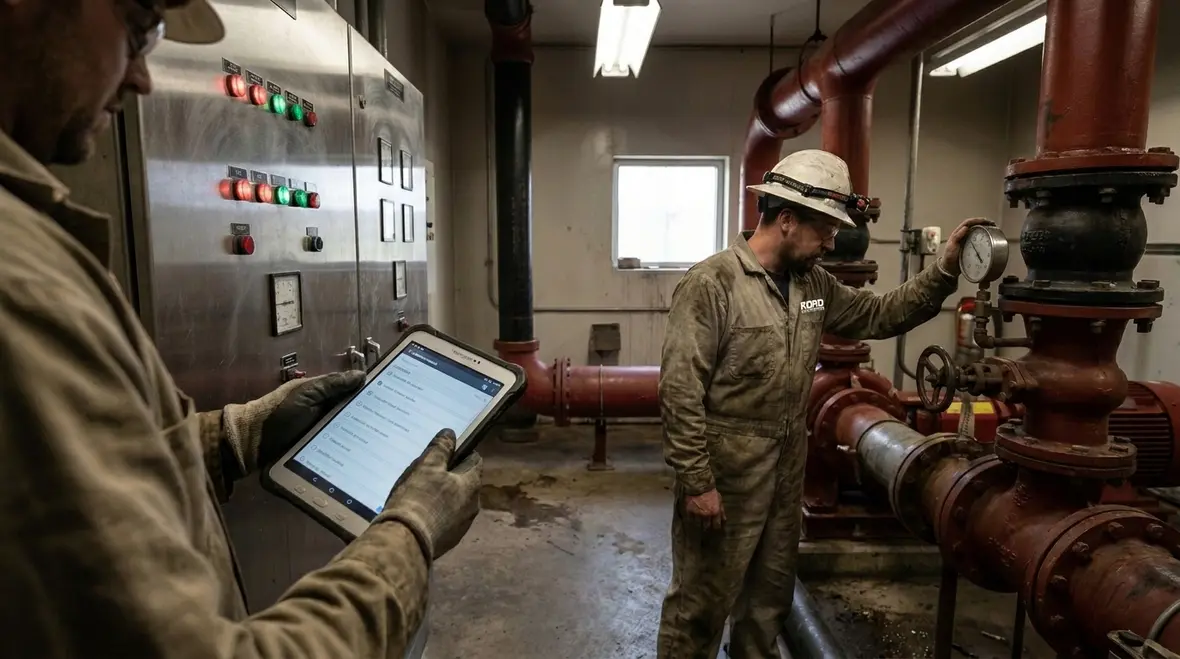
Not every impairment looks the same. However, some situations demand sharper control than others. Large warehouses, shopping centres, manufacturing plants, distribution hubs, and multi site commercial properties often face higher risk because of size, occupancy, or fuel load.
For these sites, even a short fire protection shutdown can create serious exposure. Therefore, the coordinator must understand the layout, the operations, and the timing of the work. If the site runs after hours, the plan should reflect that. If the space stores high value goods or critical stock, the response should match that risk. A one size approach here would be like using a garden hose at a bonfire. The mood may be hopeful, but the math says otherwise.
Higher risk conditions that deserve extra attention
Facilities with high pile storage or dense stock arrangements
Buildings with continuous operations and limited downtime windows
Sites using process heat, flammable materials, or frequent hot work
Properties with multiple tenants or large public occupancy
Campuses where one shutdown can affect several interconnected areas
In these environments, a coordinator who understands both the system and the site can prevent small maintenance work from creating outsized exposure. The job is part communication hub, part traffic control, part risk manager, and part professional reminder that no, this is not the day to leave things vague.
Why Documentation and Communication Matter
Good documentation turns a stressful event into a controlled process. The impairment coordinator should keep clear notes on the shutdown, the cause, the response, and the restoration. This record helps with internal review, insurance questions, and future maintenance planning.
Just as important, communication keeps people safe. Staff need to know what is offline, what areas are affected, and what temporary rules apply. Meanwhile, contractors and managers need the same facts so they can make smart decisions. Without clear communication, people start guessing, and guessing is a poor strategy around fire protection.
| Column 1 | Column 2 |
| Impairment starts | Coordinator logs the shutdown and alerts key teams |
| Temporary protection begins | Fire watch, extra checks, or controls are put in place |
| Repair work continues | Kord Fire Protection supports testing, repair, and oversight |
| System returns to service | Coordinator confirms full restoration and closes records |
That record trail also improves future planning. If a facility has repeated impairments involving the same valve set, the same area, or the same timing conflict, the paperwork should expose that pattern. Then the team can fix the root problem instead of acting shocked every six months when the exact same issue strolls back into the building like it pays rent.
FAQ: NFPA 25 Impairment Coordinator Responsibilities
Conclusion: Keep Shutdowns Controlled, Not Chaotic
NFPA 25 § 15.2 gives the impairment coordinator a serious job: keep fire protection shutdowns under control and bring systems back fast. That takes clear planning, sharp communication, and solid follow through. The role is not just about checking boxes. It is about keeping risk visible, limited, and actively managed while protection is impaired.
Kord Fire Protection can help make that process smoother, safer, and far less stressful. When a shutdown happens, the best move is simple: call in the right partner, stay ahead of the risk, and restore protection with discipline before a manageable issue gets the chance to become something much worse.

Join Our Newsletter!
Get the latest fire safety tips delivered straight to your inbox From our Newsletter.



