NFPA 25 Emergency Impairment Restoring System to Service Guide
Quick Answer
NFPA 25 §§ 15.5 to 15.7 guide how fire sprinkler and suppression systems stay safe during planned outages, sudden failures, and return to service. In simple terms, the rules help keep buildings protected, workers informed, and risk under control. For facilities that need hands-on support, fire sprinkler services and repairs from Kord Fire Protection fit naturally into outage planning, corrective work, and system restoration.
For commercial and industrial properties, the big idea is simple: when protection goes offline, someone needs a plan before stress starts freelancing.
NFPA 25 §§ 15.5 to 15.7: Why Impairment Control Matters
When a fire protection system is taken offline, even for a short time, the risk does not politely wait outside. It walks in. That is why NFPA 25 emergency impairment restoring system to service requirements matter so much. These sections explain how to handle preplanned impairments, emergency impairments, and the return to normal operation with care and clear records.
For industrial sites, retail centres, warehouses, and busy commercial facilities, the goal is simple. Keep people safe, reduce downtime, and avoid turning a routine job into a headline. Nobody wants that kind of surprise. Not even the insurance team.
What Is a Preplanned Impairment?
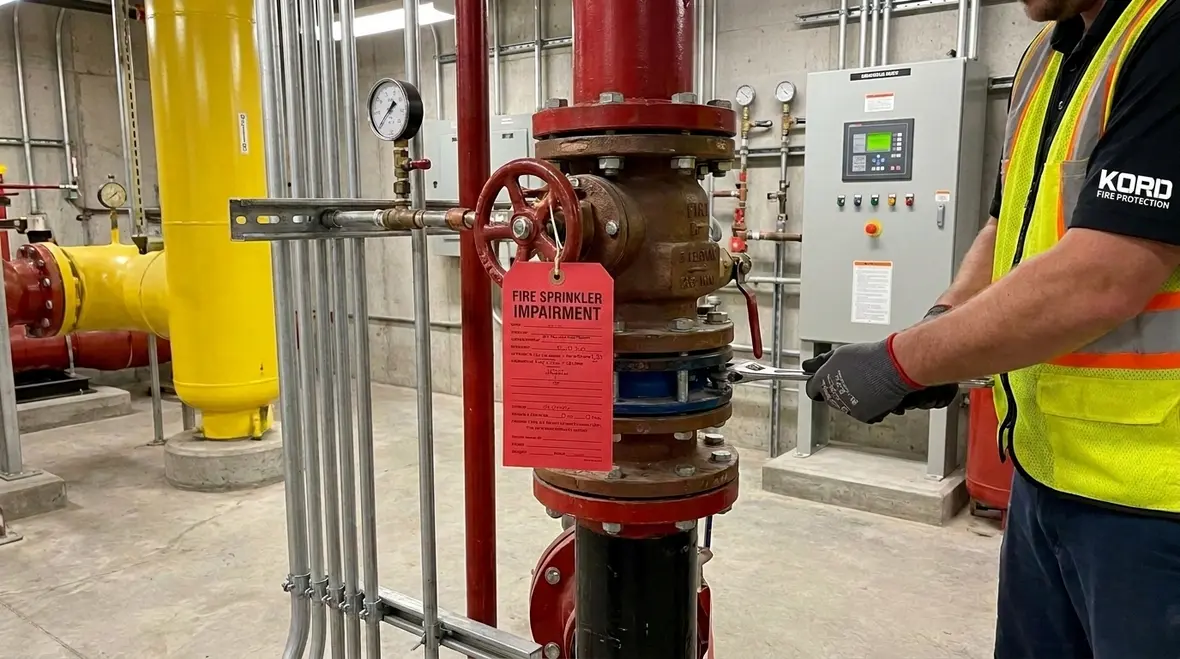
A preplanned impairment happens when a fire system must be taken out of service on purpose. This may happen for upgrades, inspections, repairs, valve work, sprinkler replacement, or testing that cannot be done while the system stays active.
NFPA 25 expects the facility to plan the work in advance. Therefore, the site should review the affected area, the duration, the fire load, the occupancy, and the extra protection needed during the outage. In practice, that may include fire watches, temporary pumps, shutdown notices, isolation plans, and communication with staff and key contractors.
What should be reviewed before the shutdown starts
- Which zones, valves, alarms, or pumps will be affected
- How long the impairment is expected to last
- Whether the building has high hazard storage, production, or public occupancy concerns
- What temporary safety measures should be added during the outage
- Who needs to approve, monitor, and communicate the work
Here is the point: the more organised the plan, the less dramatic the day becomes. Fire protection should never feel like an episode of “guess what failed now.”
If your team wants more background on how inspection and maintenance standards fit into bigger water-based system care, Kord Fire Protection also covers that in its NFPA 25 overview for complete water-based fire protection systems maintenance.
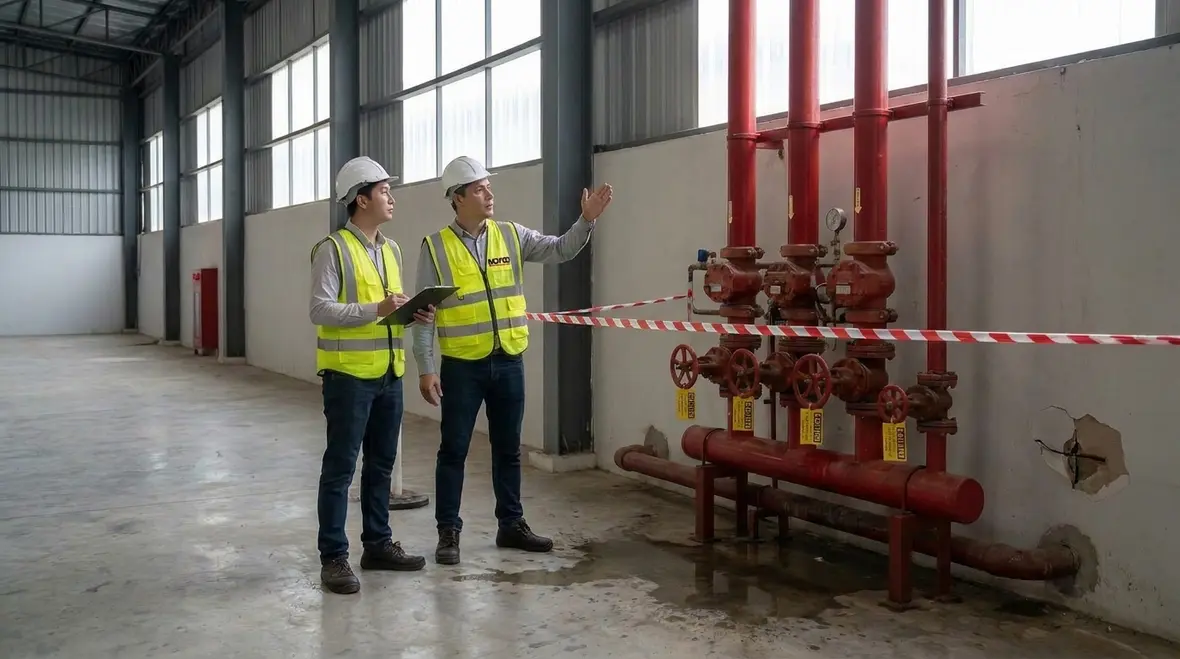
Emergency Impairment Response for Fast Action
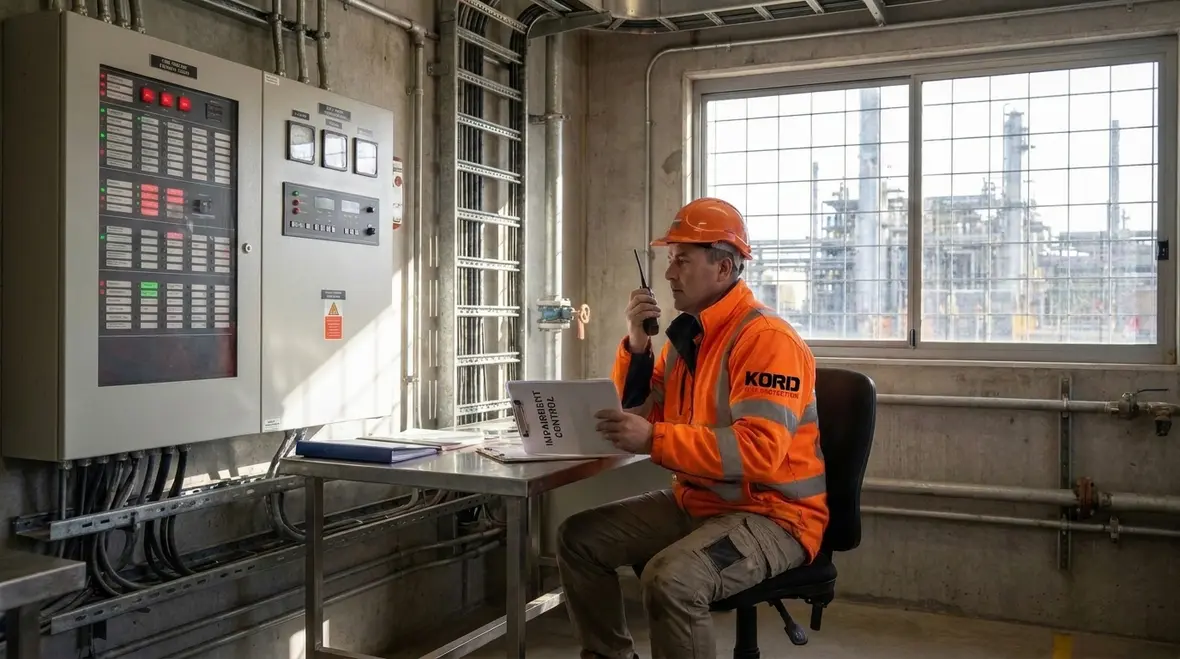
An emergency impairment is different. It occurs when a system fails without warning, or when damage makes it unsafe to keep running. A burst pipe, broken valve, severe leak, impact damage, or sudden pump fault can all force immediate action.
NFPA 25 calls for quick notification, proper isolation, and prompt repairs. Just as important, the responsible team must assess the risk to the building and decide whether added protection is needed while the system stays down. That may mean fire watch, alarm changes, staged shutdowns, or temporary equipment.
What a strong emergency response usually includes
- Immediate identification of the failed system or affected area
- Notification to site leaders, monitoring parties, and impacted occupants
- Isolation of damaged components to prevent wider system trouble
- Rapid dispatch for repair and technical assessment
- Temporary safeguards that match the level of risk
Speed matters here, but so does good judgment. A fast bad decision still counts as a bad decision, and fire systems are not the place for improvisation worthy of a reality show.
Teams that want a broader companion read can also review Kord Fire Protection’s fire protection impairment management guide, which supports the same idea: identify the scope, notify the right people, apply temporary controls, and restore service without confusion.
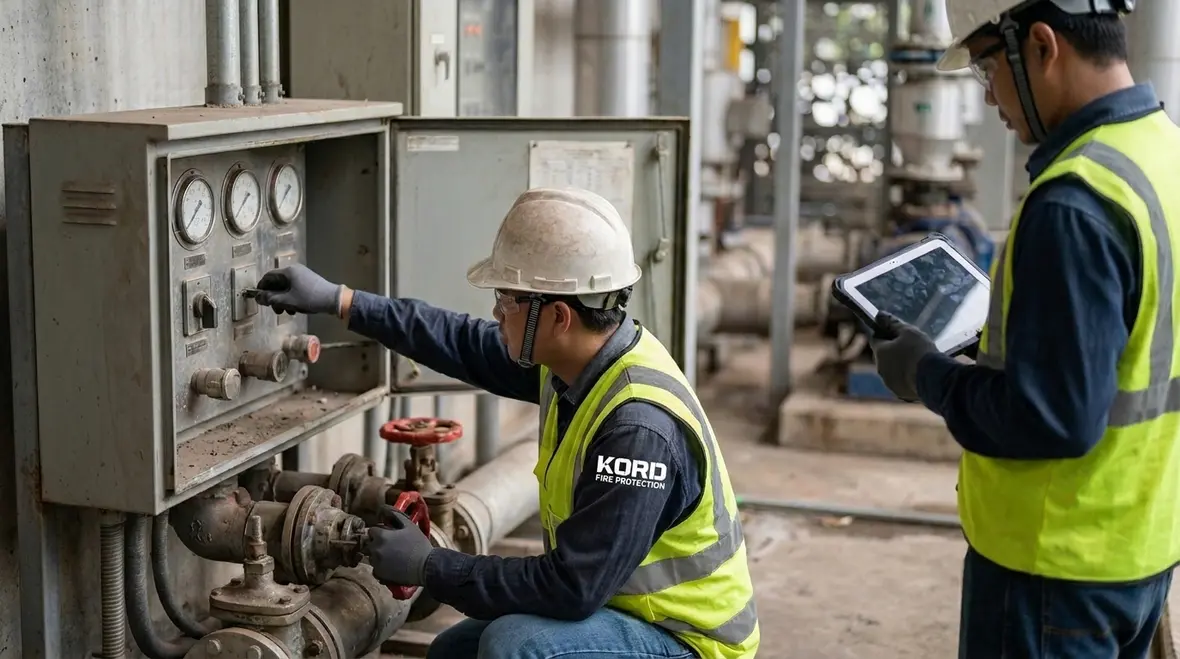
How the NFPA 25 Emergency Impairment Restoring System to Service Process Works
Once repairs are complete, the system must return to service in a controlled way. The NFPA 25 emergency impairment restoring system to service process focuses on making sure every part works as intended before the building relies on it again.
That process usually includes these steps:
- Verify all repairs and replacements are complete
- Remove temporary protection only after the system is ready
- Open valves, reset controls, and restore power or water supply
- Test alarms, switches, pumps, and related devices as needed
- Confirm the system is free from leaks, faults, or other issues
- Document the work and notify the right people that protection is back online
Why “back on” is not the same as “ready”
In short, the system should not just be “on.” It should be proven ready. That difference matters more than many people think. A restored valve position, a cleared supervisory signal, a successful pump run, and a clean final check all help confirm that the building is not leaning on false confidence.
Preplanned Impairment
Planned ahead, with notices, risk checks, and temporary protection in place. The facility has time to think clearly, assign roles, and make sure the outage stays controlled instead of wandering into avoidable problems.
Emergency Impairment
Triggered by sudden failure, requiring fast isolation, response, and extra safeguards. The pressure rises quickly, so procedures and communication become the calm adults in the room.
Restoring to Service
Finished only after testing, checks, and records confirm the system is safe again. The handoff back to normal operation should be deliberate, verified, and clearly communicated to everyone who needs to know.
Quick takeaway
Planned outage, surprise failure, controlled restoration. Those are the three duties in plain English, and each one matters because buildings do not get partial credit during an emergency.
Why Documentation and Communication Save Time
Good records do more than satisfy paperwork. They show what was shut down, when it happened, who approved it, what protection was added, and when the system returned to service. As a result, teams can track trends, reduce repeat failures, and support audits or insurance reviews.
Communication matters just as much. Facility managers, security staff, tenants, production teams, and contractors all need clear updates. Otherwise, one department thinks the system is live while another still has fire watch in place. That kind of confusion can undo a well run plan in minutes.
Helpful records to keep after any impairment
- Date and time the impairment started
- Cause of the shutdown or failure
- Areas and equipment affected
- Temporary measures used during the outage
- Repair actions completed
- Testing performed before restoration
- Date and time the system returned to service
- Names of the responsible and notified parties
How Kord Fire Protection Supports Facilities
Kord Fire Protection can become a vital partner in this work because impairment control is not just a technical task. It is a coordination job, a risk job, and a trust job. Kord Fire Protection can help facilities plan outages, respond to unplanned failures, complete repairs, and guide the return to service with steady oversight.
That support can reduce downtime and protect business operations. Moreover, Kord Fire Protection can help make sure the NFPA 25 emergency impairment restoring system to service process aligns with site needs, safety goals, and practical schedules. In plain English, they help keep the system working and keep the stress level from doing a sequel.
FAQ
Conclusion: Keep Protection Online and Risk Down
Fire system impairments do not need to become chaos. With clear planning, quick response, and proper restoration, facilities can stay protected and compliant. A documented process helps teams move with less confusion, less downtime, and far fewer unpleasant surprises.
Kord Fire Protection can help sites manage each step with confidence. When the system must go offline, the right partner helps bring it back safely, correctly, and without drama.

Join Our Newsletter!
Get the latest fire safety tips delivered straight to your inbox From our Newsletter.