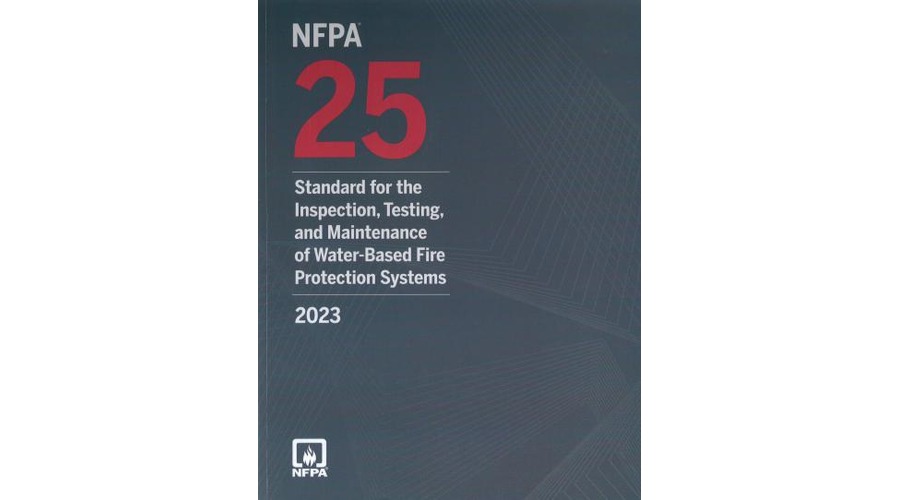
NFPA 1900 Section 10.7 Optical Warning Systems
Quick Answer: NFPA 1900 Section 10.7 sets the rules for optical warning systems on fire apparatus so emergency vehicles stay visible, clear, and effective on the road. For industrial, commercial, and facility fleets, the standard helps support safer response, better compliance, and smarter maintenance planning.
Fire truck emergency lighting NFPA 1901 has long shaped how emergency vehicles alert traffic and protect crews. Now, NFPA 1900 carries that purpose forward with updated guidance for optical warning systems on fire apparatus. For industrial, retail, commercial, and facility operations, this matters because visibility is not a side issue. It is the first line of defence when a heavy vehicle enters a live scene, a busy yard, or a public road. And yes, the lights still need to work when the night, the weather, and everyone’s patience are all running low.
Near the top of the article, it is worth noting that broader fleet readiness often benefits from coordinated support through full fire protection services. That kind of support fits naturally when operators want one team helping with inspections, testing, maintenance schedules, and the wider compliance picture instead of juggling separate vendors and hoping they all speak the same language.
What NFPA 1900 Section 10.7 Means in Plain Terms
Section 10.7 focuses on the optical warning systems that help fire apparatus stand out through light output, placement, and performance. In simple terms, it tells operators and service teams how warning lights should support safe movement and scene control. The goal is not just brightness. It is consistent warning that other road users can notice fast and from the right angles.
This section matters because emergency visibility fails when lights are too weak, badly aimed, or blocked by dirt and fittings. As a result, crews may face more risk during response and roadside work. A well planned system helps the vehicle communicate its presence before it reaches the hazard. That is not magic. That is engineering doing its job.
How Optical Warning Systems Protect Crews and Bystanders
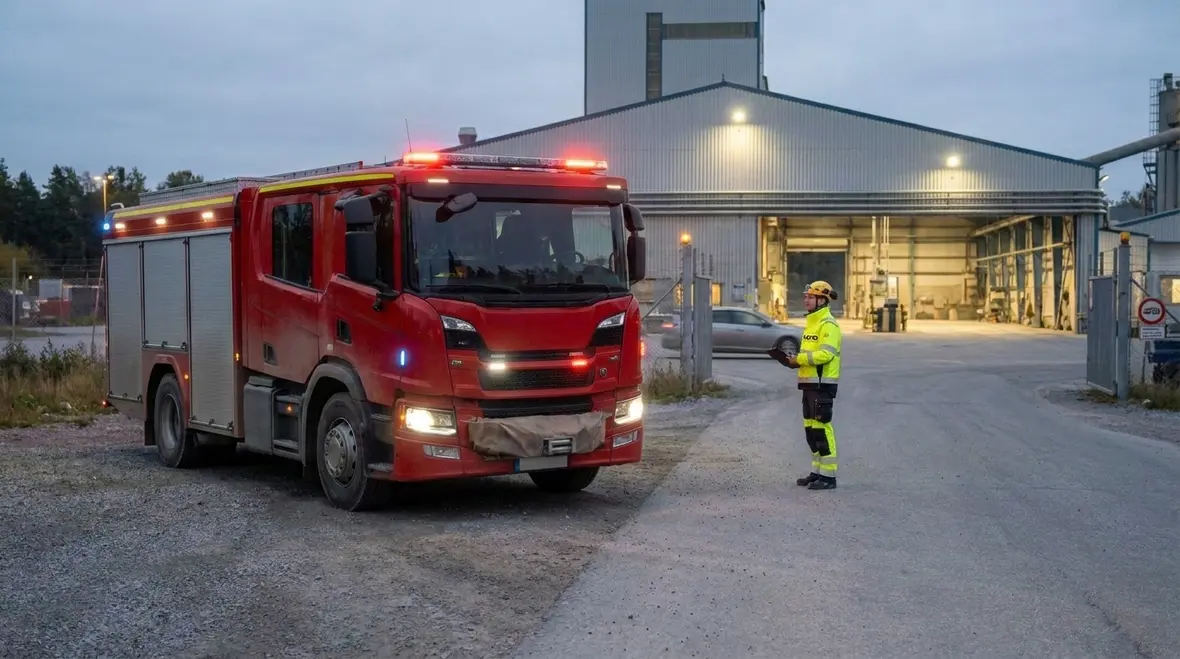
Optical warning systems do more than flash. They create a clear visual message that a large emergency vehicle is moving, stopping, or working nearby. In busy industrial zones, that message can stop a forklift from drifting, a truck from edging too close, or a driver from making a poor decision at the worst moment.
For facilities teams, this matters because fire apparatus often operate in mixed traffic spaces. These include logistics yards, ports, factories, shopping precincts, and large commercial sites. Therefore, the lighting setup must support rapid recognition from multiple directions. When the system performs well, the crew gains time. And time, as every response manager knows, is the difference between a manageable call and a very long day.
Why visibility is a working safety system
A warning light package has one job: make the apparatus impossible to misunderstand. That matters during roadway response, but it also matters on private sites where mixed vehicle traffic creates its own kind of chaos. Drivers, plant operators, contractors, and visitors all process risk differently. Clear lighting helps shorten that hesitation window before someone makes a bad choice. If a siren is the shout, the optical system is the body language that tells everyone exactly where not to be.
What Fire Apparatus Teams Should Check During Compliance Reviews
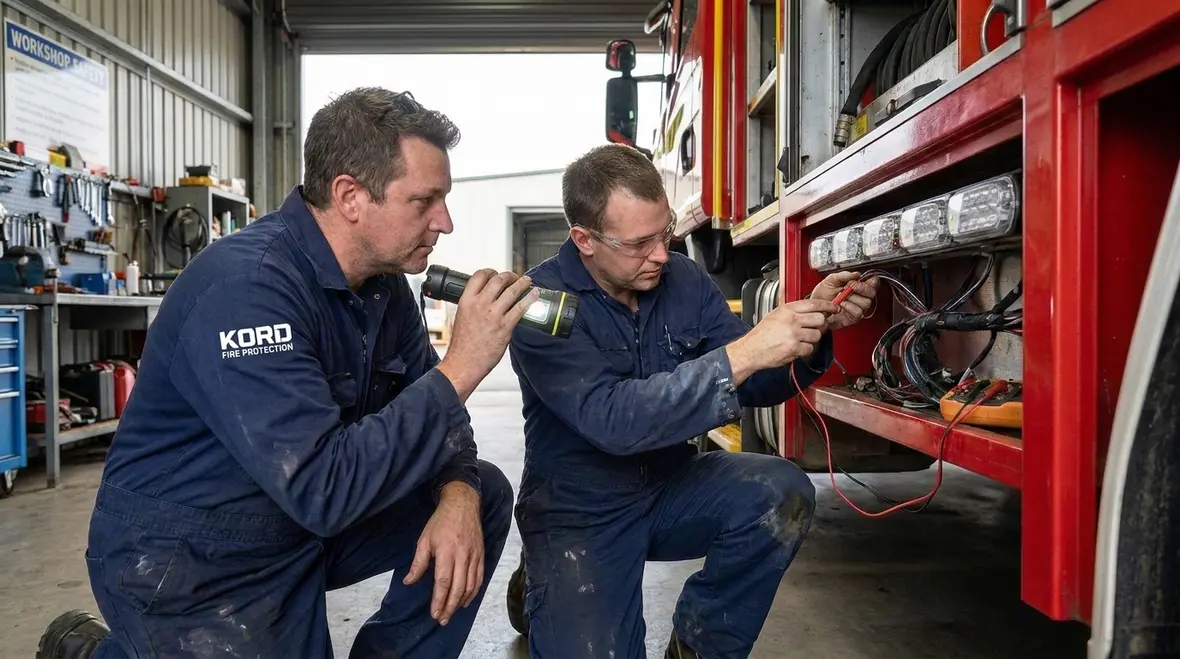
Compliance reviews should not treat emergency lighting like a box to tick and forget. Instead, teams should look at function, placement, lens condition, wiring health, and light output. They should also check whether the system still matches the vehicle’s current use and body layout.
Useful review points include:
- Light visibility from front, side, and rear angles
- Lens damage, fading, or dirt buildup
- Loose mounts or worn wiring
- Proper activation with each response mode
- Any obstruction from ladders, tools, or accessories
Because apparatus change over time, a system that once worked well may no longer suit the vehicle’s real world setup. That is why regular inspection matters. A siren may grab attention, but lighting tells the full story. Even Batman would agree, and he is famously serious about vehicle upgrades.
Maintenance details that tend to cause trouble
The small issues are usually the ones that turn into expensive headaches. A cracked lens invites moisture. A loose bracket shifts beam direction. A tool rack added after delivery blocks visibility from the side. Dust, vibration, weather, and daily wear all conspire to make a once tidy setup a little less effective every month. That is why review routines should be practical, repeatable, and documented well enough that the next technician does not have to play detective.
How Kord Fire Protection Can Support This Service
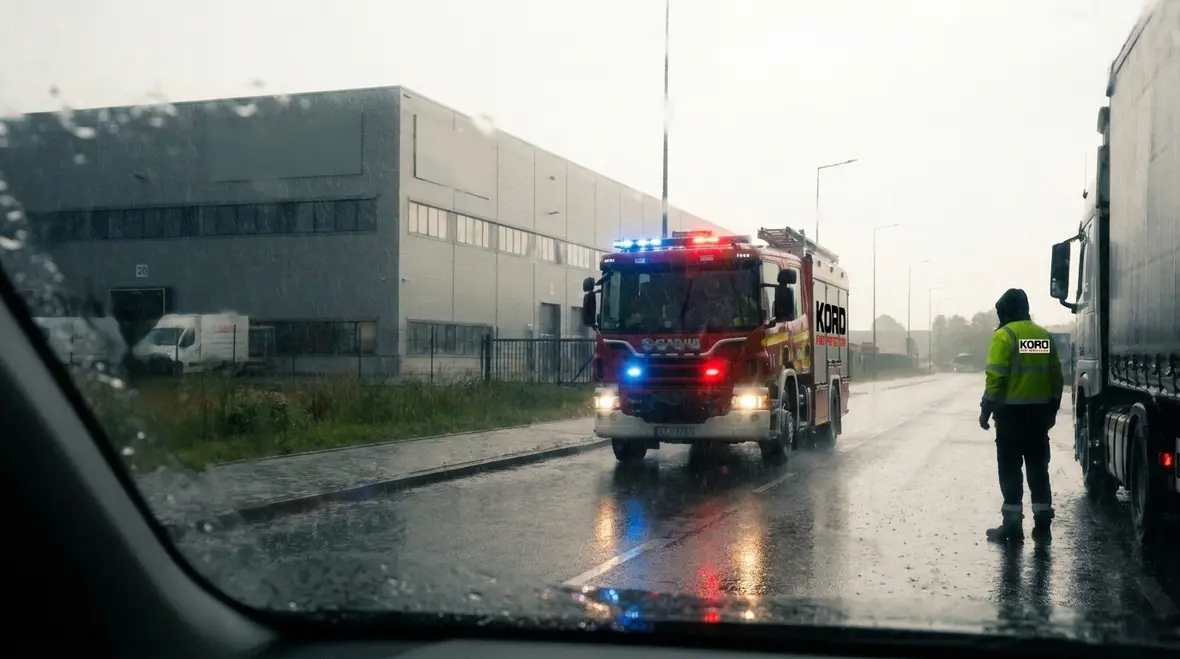
Kord Fire Protection can become a vital partner in this work by helping teams keep fire truck emergency lighting systems aligned with safety needs and service demands. They can support inspection, maintenance, repair, and practical advice for apparatus that must stay ready for duty.
For industrial and commercial clients, this kind of support is valuable because downtime costs money and weak lighting raises risk. Kord Fire Protection can help identify faults early, reduce avoidable failures, and keep the vehicle ready for fast response. In short, they help turn a compliance task into a reliable service plan. That is the sort of partnership that keeps a fleet from becoming a very expensive roadside ornament.
How Kord Fire Protection adds value:
They can work with site teams, fleet managers, and emergency service operators to support ongoing maintenance and system checks. In addition, they can help document work, plan servicing schedules, and keep equipment performance in line with operational needs. For sites that manage multiple vehicles or complex response plans, that support can make a real difference.
For readers who want broader context around connected service planning, Kord Fire also has a useful companion article on the full lifecycle of fire protection servicing. It fits naturally here because warning systems perform best when inspection, maintenance, repair, and replacement all follow the same disciplined rhythm instead of a panic driven schedule.
Fire Truck Emergency Lighting NFPA 1901 and the Shift to NFPA 1900
Many teams still use fire truck emergency lighting NFPA 1901 as a reference point because it shaped industry practice for years. However, NFPA 1900 now brings the guidance into a broader, updated standard. That shift matters because vehicle design, LED systems, and operating conditions have changed. Standards must keep up or they start acting like an old map in a new city.
The practical lesson is simple. Teams should not rely on memory or old setup habits. They should review the current standard, confirm vehicle performance, and make sure their warning systems still serve today’s risks. This is especially important for fleets that operate across large sites where visibility, weather, dust, and traffic patterns can change fast.
If readers want a direct supporting resource, Kord Fire Protection also publishes an article specifically on the NFPA 1900 standard. That makes it a natural interlink here for teams comparing legacy habits with the newer framework and trying to avoid the classic mistake of treating yesterday’s setup like it automatically answers today’s risks.
Benefits for Commercial and Industrial Fleets
Operational Benefit
Better visibility helps crews move safely through busy work zones and public roads.
Compliance Benefit
Aligned systems support a stronger audit trail and a more reliable response fleet.
Business Benefit
Well maintained apparatus protects uptime, staff safety, and site response readiness.
Maintenance Benefit
Regular review helps find faults before they become service delays or safety problems.
Risk Control Benefit
Clear warning reduces the chance of confusion, impact, or scene intrusion.
Planning Benefit
A structured lighting review helps teams budget smarter, schedule service earlier, and avoid nasty surprises the week an audit appears.
Why This Matters for Facilities and Fleets
Industrial and commercial sites often rely on heavy vehicles, wide access roads, and varied lighting conditions. Therefore, optical warning systems must do more than look bright in a showroom. They need to perform in dust, rain, glare, and night work. They also need to hold up under real use, not just a neat inspection photo.
For facility managers and fleet leaders, the message is clear. Treat emergency lighting as a working safety system, not an accessory. When teams review it properly and partner with experts like Kord Fire Protection, they improve readiness and reduce unnecessary risk.
FAQ
Keep Your Apparatus Ready for the Next Call
NFPA 1900 Section 10.7 gives fleets a clear path toward safer optical warning systems, and that starts with proper review and maintenance. For commercial and industrial operators, the next step is simple. Work with a trusted partner who understands the job.
Kord Fire Protection can help keep fire apparatus visible, ready, and fit for service when it matters most. With the right service rhythm, the lights do what they are supposed to do: warn clearly, protect crews, and save everyone from learning the hard way that visibility is never optional.

Join Our Newsletter!
Get the latest fire safety tips delivered straight to your inbox From our Newsletter.