
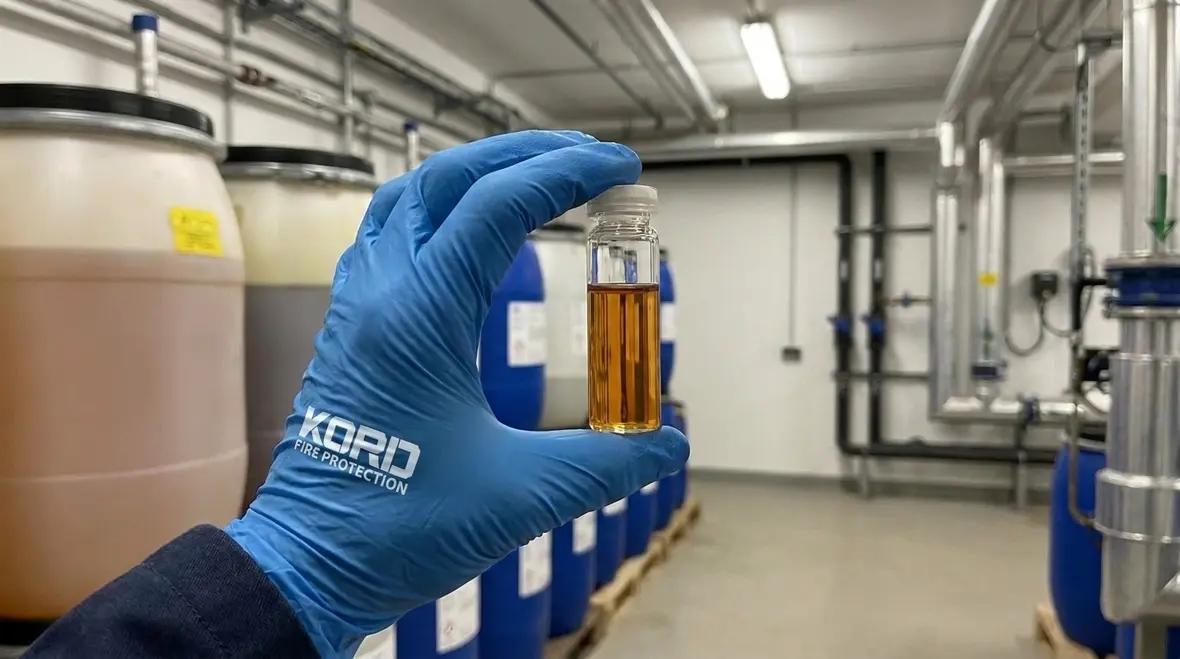
NFPA 18 Section 10.2: Inspection of Wetting Agent Concentrate – What to Check
Quick Answer: NFPA 18 section 10.2 requires inspections of wetting agent concentrate to confirm it remains within specified condition and concentration limits, and that it can reliably perform during discharge. The inspection checklist should verify labeling, container integrity, concentration testing method, recordkeeping, and compatibility checks for the system.
Commercial fire protection systems that rely on water-based wetting agents need more than periodic “visual looks.” NFPA 18 section 10.2 wetting agent concentrate inspection checklist guidance focuses on whether the concentrate remains usable, correctly identified, and capable of delivering the required wetting performance when proportioned into the protected water stream.
If your team is also tightening broader inspection routines, it helps to understand how fire sprinkler inspection for Australian commercial sites fits into a more controlled compliance program across active facilities.
Why NFPA 18 section 10.2 wetting agent concentrate inspection matters in the real world
In practice, wetting agent concentrate failures rarely happen overnight. Concentrate degradation, incorrect top ups, contamination, and inaccurate proportioning can slowly erode performance. In facilities such as retail loading docks, industrial process areas, warehouses, and commercial kitchens, operational uptime expectations and frequent maintenance turnovers increase the risk of inconsistent handling.
Compliance teams also need repeatable inspection methods. A strong NFPA 18 section 10.2 wetting agent concentrate inspection checklist prevents “best guess” maintenance by ensuring the facility can demonstrate what was checked, how it was checked, and whether the results met the applicable limits in the standard and system listing documentation.
For broader system context, review Kord Fire Protection’s overview of wetting agents and where they fit in the NFPA 18 framework: NFPA 18 overview: wetting agents.
What section 10.2 expects you to verify before discharge performance is assumed
Section 10.2 inspections generally aim to confirm three outcomes: the concentrate is still suitable for use, it remains correctly identified and contained, and it will be proportioned and delivered as intended. Facilities commonly struggle with the “suitable for use” portion because it requires test results and documented acceptance criteria, not just observations.
1) Identity, documentation, and traceability
Start by confirming the concentrate matches the system design and listing requirements. The inspection should verify:
- Manufacturer, product name, and concentration type match the originally installed specifications.
- Container labeling remains present, legible, and consistent with the system’s documentation.
- Receipts, batch records, and installation records exist and can be cross referenced to the current container.
- Any replacement or top up occurred using the correct product and verified mixing rules.
Common failure point: Facilities sometimes “substitute” wetting agents during supply shortages without full documentation. Even if the material appears similar, the chemistry can vary enough to affect surface tension performance.
2) Container integrity, storage conditions, and contamination risk
Concentrate containers and storage configurations influence performance. Your NFPA 18 section 10.2 wetting agent concentrate inspection checklist should include:
- Container condition, including closures, seals, and absence of leaks.
- Evidence of contamination such as particulates, unexpected discoloration, or foreign matter.
- Storage conditions consistent with manufacturer guidance, including temperature extremes and exposure issues.
- Secondary containment or spill control measures if the area uses them.
Common failure point: Concentrate in mislabeled or previously used containers can introduce oils, cleaning chemicals, or residues that reduce wetting effectiveness.
How to test wetting agent concentrate correctly during inspection
Testing is where compliance breaks down most often. A wetting agent concentrate inspection must follow the correct method for the product and must support repeatable results.
Concentration verification
Your checklist should define the method used to confirm concentrate concentration within allowable tolerance, based on NFPA 18 requirements and manufacturer test procedures. This typically includes:
- Test method selection aligned to the specific wetting agent chemistry.
- Proper sample collection practices to avoid introducing contamination.
- Instrument calibration and documentation where applicable.
- Acceptance criteria tied to the system’s required performance and required concentration limits.
Commercial compliance challenge: Multiple facilities use different test kits, different staff, or informal procedures. That inconsistency makes trend analysis and audit readiness difficult.
Compatibility checks for the proportioning components
Even with correct concentrate, the system must proportion accurately. Include inspection items that support compatibility and delivery reliability:
- Proportioning equipment condition and evidence of chemical compatibility (gaskets, seals, tubing materials).
- Check for residue buildup in suction lines, strainers, or injection points.
- Verify that lines are not obstructed and that suction is stable during operation where testing is permitted.
Common failure point: Old concentrate residues can cause partial clogging. That reduces injection rate and wetting performance without producing obvious visual signs.
If the facility’s inspection program also interfaces with pump performance and water supply stability, it helps to align testing expectations with established fire pumping guidance. For additional technical reference on pump systems and reliability considerations, see NFPA 20 fire pump acceptance testing guide.
NFPA 18 section 10.2 wetting agent concentrate inspection checklist
The items below provide a practical, audit-ready structure for a facility inspection. Adjust wording to match your system documentation, manufacturer instructions, and the applicable testing method required for your wetting agent.
Pre inspection readiness
- Confirm inspection is scheduled per your facility program and permit or insurance requirements.
- Verify correct concentrate product identification from system drawings and prior records.
- Confirm test equipment availability and instrument calibration status, if used.
Visual and physical container checks
- Inspect container integrity (closures, seals, and absence of leaks).
- Confirm label legibility and matching product identity to documentation.
- Check storage conditions consistent with manufacturer guidance.
- Look for contamination indicators such as particulates, discoloration, or residue.
Concentration and condition testing
- Collect samples using approved methods to prevent contamination.
- Perform concentration verification test using the correct method for the product.
- Record results, test date, sample source, and acceptance determination.
- Confirm trend history if this is not the first test in the record set.
System delivery and proportioning support checks
- Inspect injection components and interfaces for damage, corrosion, or residue.
- Check suction lines, strainers, and fittings for obstruction or build up.
- Verify compatibility condition of seals and materials in contact with the concentrate.
- Confirm proportioning equipment condition is consistent with prior maintenance records.
Documentation and recordkeeping
- Maintain inspection forms that tie test results to the correct system and tank/container.
- Document corrective actions if results indicate out of tolerance conditions.
- Retain manufacturer data and calibration certificates for any test instruments.
- Update maintenance logs and ensure any replacement product is tracked to batch documentation.
Common failure points that show up during audits and insurance reviews
Audits typically do not fail a facility on a single missed detail. They uncover repeat weaknesses that suggest the program is not tightly controlled. The following issues frequently appear when reviewing wetting agent concentrate maintenance records.
1) Weak traceability for product changes
Records may show a tank was refilled, but the facility cannot demonstrate what product was used, the batch number, or the date of change. Without traceability, inspectors cannot verify that replacement material meets the system requirements.
2) Inconsistent testing methods
Facilities sometimes switch between test strips, calculators, and handheld meters without documenting methodology differences. Even if results appear close, auditors often require method control and calibration evidence.
3) Ignoring delivery path residue and compatibility
Concentrate can meet concentration targets while injection performance still fails because of clogged strainers, degraded seals, or buildup. A complete NFPA 18 section 10.2 wetting agent concentrate inspection checklist must connect concentrate condition to system delivery reliability.
4) Poor housekeeping around chemical storage
Wetting agent storage areas can accumulate cleaning chemicals or allow container cross contamination. Even minor cross contamination can alter wetting surface tension performance.
How to keep wetting agent programs audit ready: maintenance workflow and service partnership
Commercial facilities benefit from a maintenance workflow that treats wetting agent concentrate inspection as a controlled process. That includes controlled sampling, method standardization, and a documented corrective action loop.
Kord Fire Protection supports ongoing compliance through structured service planning and verification practices suitable for commercial, industrial, and retail environments. Facilities typically need coordination around access windows, documentation requirements, and system availability.
For related service scope and compliance support, see Australian fire sprinkler services.
Frequently Asked Questions
Call to action
To keep your wetting agent program defensible, standardize your NFPA 18 section 10.2 wetting agent concentrate inspection checklist, lock in approved test methods, and document traceability from batch to tank. Kord Fire Protection can help establish inspection workflows and ongoing maintenance support for commercial and industrial systems. Contact Kord Fire Protection to review your current records, confirm inspection procedures, and strengthen audit readiness.

Join Our Newsletter!
Get the latest fire safety tips delivered straight to your inbox From our Newsletter.



