
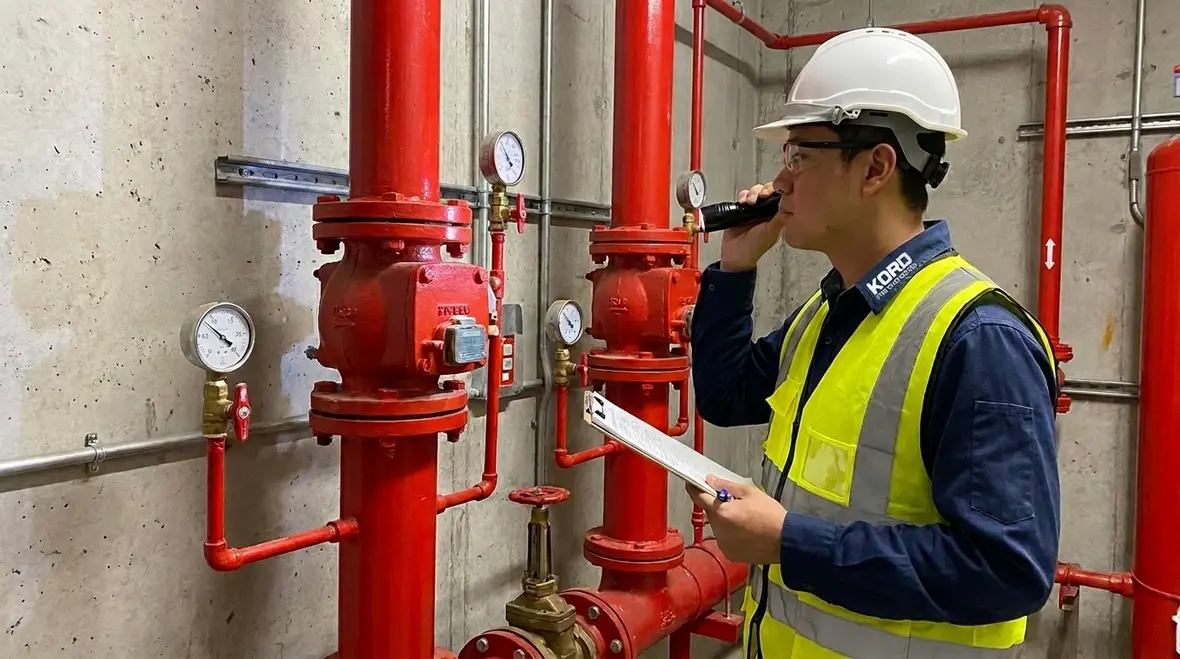
NFPA 18 Chapter 10 Guide: Keeping Fixed Wetting Agent Systems Code-Compliant
Quick Answer: NFPA 18 chapter 10 inspection testing maintenance fixed wetting agent systems require disciplined schedules for inspection, functional testing, and recordkeeping. Commercial facilities must verify agent concentration, proper system operation, unobstructed nozzles, and dependable release and control hardware to maintain compliance and fire performance.
Why NFPA 18 Chapter 10 Matters for Fixed Wetting Agent Systems
Fixed wetting agent systems support fire suppression strategies for hazards where water alone may not adequately control spread, especially when foam or wets agents help improve penetration, drainage control, or surface wetting. NFPA 18 chapter 10 inspection testing maintenance fixed wetting agent systems focuses on making sure the system that sits idle for long periods will function correctly when called upon.
In practice, compliance failures often stem from unmanaged maintenance, incomplete documentation, or undetected drift in agent concentration. For commercial, industrial, and retail facilities, the goal extends beyond passing an inspection. The goal involves reducing downtime risk during shutdown windows, maintaining clear operational accountability, and proving that the system is reliably capable.
If your facility program also touches connected water-based protection assets, a practical companion read is NFPA 25 fire pump testing requirements. To understand how wetting agents fit into the larger fire risk management approach, review: NFPA 18 overview: wetting agents and system basics.
What Chapter 10 Typically Requires During Inspections
NFPA 18 chapter 10 inspection testing maintenance fixed wetting agent systems begins with inspection activities intended to confirm the system remains in a serviceable condition. Facilities usually expect a combination of visual checks, verification of mechanical integrity, and confirmation that the system has not been modified in ways that impact performance.
1) Visual condition and physical integrity checks
- Confirm agent piping, tanks, cabinets, and components remain free of damage, corrosion, leaks, and loose fittings.
- Verify nozzles, distributors, and coverage hardware remain unobstructed and installed as designed.
- Check that pressure gauges, fittings, valves, and enclosures are present, readable, and properly labeled.
2) Concentration, fluid condition, and contamination control
One of the most common fixed wetting agent failure points involves agent concentration drift or fluid degradation. Concentration problems can result from improper top ups, partial drain issues, contamination from incompatible materials, or prolonged service life beyond recommended intervals.
Chapter 10 compliance efforts should verify concentration using appropriate sampling procedures and test methods suitable for the specific wetting agent formulation used. Where facilities rely on contractors or in house staff, the inspection program must still ensure that sampling is repeatable, documented, and compared to acceptance criteria.
3) Electrical, control, and initiating device readiness
While a fixed wetting agent system may deploy through hydraulic or valve logic, most installations include detection, control, and release components. Inspections must verify that initiating devices and control hardware remain connected, correctly configured, and free from tampering or fault states.
- Check control panels for trouble conditions and proper indicator behavior.
- Confirm wiring integrity, correct terminal condition, and no unauthorized bypasses.
- Inspect interlocks tied to pumps, valves, or system release sequences.
How Functional Testing Protects Performance on Demand
Inspection identifies visible or measurable conditions. Functional testing proves the system can perform its intended sequence. For fixed wetting agent systems, functional tests must focus on fluid delivery capability, discharge performance, and reliable release under realistic control logic.
1) Release sequence and valve operation verification
Facilities should verify that release and control components respond correctly to the activation signal. That includes confirming that valves open and actuate within acceptable timeframes, that pilot or control lines are not restricted, and that end devices operate without binding.
2) Pump performance and pressure delivery checks
Where a pump is part of the fixed wetting agent system, testing typically verifies pressure generation and proper flow delivery. A frequent operational issue involves worn seals, clogged strainers, or partially blocked suction supplies, leading to insufficient pressure during discharge.
Partnering with experienced technicians helps facilities reduce test related downtime and ensures that test instrumentation is calibrated and suitable for verifying operating conditions. For related commercial pumping expertise, see: Fire Pumps industry resources.
3) System discharge validation and coverage alignment
Discharge validation should confirm that the system can distribute agent to the intended protected area. Typical problem patterns include displaced nozzles, changed mounting points after renovations, blocked or failed distributors, and partial line restrictions that do not show up during simple visual inspection.
Whenever the facility undergoes construction or rack changes, the maintenance team should assess whether discharge coverage remains compliant with the original design intent.
Maintenance Planning: Preventing the Real Root Causes of Noncompliance
Maintenance makes the difference between paperwork compliance and operational readiness. NFPA 18 chapter 10 inspection testing maintenance fixed wetting agent systems should be run as a documented program that aligns with equipment manufacturer guidance, system design criteria, and the facility’s risk profile.
1) Create a schedule tied to system components, not calendar averages
Effective maintenance planning maps tasks to components. For example, tank related tasks focus on fluid condition and sealing integrity, while valve and control tasks focus on actuators, linkages, and control reliability.
This component based approach reduces missed tasks during shift changes and prevents relying on memory. It also helps during audits when inspectors ask for a clear line between maintenance records and system reliability.
2) Manage agent replenishment procedures to avoid concentration drift
Replenishment events can introduce the most severe concentration errors if the facility mixes the wrong agent, uses incorrect dilution ratios, or uses unapproved water sources. Maintenance should include:
- Correct pre mix procedures using specified dilution and quality parameters
- Controlled sampling before and after replenishment
- Documentation of batch numbers, mix dates, and test results
3) Strainers, filters, and flow paths require proactive inspection
Flow obstructions can develop without visible signs. Strainers and filters can accumulate debris, while internal tubing can show early signs of scaling or residue buildup. Regular maintenance removes these restrictions before they impact discharge effectiveness.
4) Commissioning changes and renovations trigger revalidation
Commercial facilities frequently modify storage layouts, ceiling obstructions, or mechanical rooms. Those changes can affect nozzle aiming, line routing, and the ability to discharge to the intended hazard area. A compliant maintenance program includes a change management trigger that initiates review after:
- Tenant fit outs or rack rearrangements
- Ceiling modifications, soffits, or new obstructions
- Piping alterations, pump changes, or valve upgrades
Recordkeeping and Audit Readiness for Chapter 10 Compliance
Inspectors typically focus on evidence. Therefore, the records must demonstrate that NFPA 18 chapter 10 inspection testing maintenance fixed wetting agent systems are followed with consistency and accuracy.
What strong documentation includes
- Inspection forms with date, system ID, and results for all required visual checks
- Functional test reports showing test conditions, measured values, and acceptance status
- Agent sampling and concentration results with sampling method and comparison criteria
- Maintenance actions taken, parts replaced, and calibration or verification notes
- Deficiency tracking and closure evidence
How facilities should handle deficiencies
When defects appear, documentation should show both immediate mitigation actions and the planned corrective maintenance scope. A key compliance risk occurs when facilities record “noted” issues without a corrective timeline or without confirming that repairs restore system performance.
Kord Fire Protection supports commercial compliance through structured service planning and verified documentation. Learn more about our capability: Australian fire sprinkler services and compliance support.
Common Compliance Challenges and How to Avoid Them
Many noncompliance issues follow predictable patterns. Addressing them early lowers risk, reduces rework, and prevents missed test windows.
Challenge 1: Concentration not verified or improperly sampled
Facilities sometimes sample infrequently or use inconsistent procedures. The result is unreliable concentration trending. Corrective action involves standardizing sampling locations, adopting repeatable test methods, and verifying acceptance thresholds each inspection cycle.
Challenge 2: Nozzle obstruction after routine operations
Warehouse and retail operations can introduce temporary obstructions that become permanent, especially during storage changes. Preventive action involves inspection walkdowns that include coverage hardware verification at the same locations each cycle.
Challenge 3: Control faults treated as “nuisance” issues
If control panels show recurring trouble conditions, treating them as nuisance alarms can mask a failure to release. Preventive action involves trend analysis and targeted corrective maintenance to restore supervisory and alarm signaling integrity.
Challenge 4: Renovations disrupt hydraulic or discharge performance
When lines are rerouted or valves are moved, discharge characteristics can change. Facilities should require a revalidation review after any modification that affects discharge routing, valve placement, or hazard geometry.
Frequently Asked Questions
Call to Action
Keep fixed wetting agent systems code-compliant by running NFPA 18 chapter 10 inspection testing maintenance on a documented, component based schedule and by verifying agent concentration, release performance, and discharge coverage after any changes. Kord Fire Protection can help commercial facilities plan inspections, functional tests, and maintenance with audit-ready records. Contact Kord Fire Protection today to align your system service program with real operational risk, not just checklist completion.

Join Our Newsletter!
Get the latest fire safety tips delivered straight to your inbox From our Newsletter.



