NFPA 16 Section 9.3 Foam Water System Inspection Schedule
Quick Answer
NFPA 16 Section 9.3 sets the pace for foam water system care with clear inspection, testing, and maintenance expectations. In simple terms, the NFPA 16 maintenance frequency, foam water system inspection schedule, and fire suppression ITM frequency help keep industrial and commercial systems ready when trouble shows up. Kord Fire Protection can support each step with skilled service and reliable compliance checks.
For facilities that need broader fire suppression services near the top of the planning process, this section fits naturally into a larger protection strategy instead of living alone in a dusty binder that only gets opened when someone starts sweating before an inspection.
NFPA 16 Section 9.3 Explained for Busy Facilities
NFPA 16 Section 9.3 tells owners and managers how often foam water systems need attention. It does not exist for paperwork alone. It exists because foam systems must work fast during a fire, especially in industrial, retail, and commercial sites where flammable liquids or high risk zones can turn ugly in a hurry. Therefore, the NFPA 16 maintenance frequency matters as much as the system itself. A missed check today can become a very loud problem tomorrow, and nobody wants that kind of surprise on a Monday morning.
In practical terms, the foam water system inspection schedule supports safe operation, while the fire suppression ITM frequency helps confirm that valves, piping, proportioning devices, alarms, and foam concentrate storage all stay in working shape. As a result, teams can reduce risk, support compliance, and avoid the classic “it looked fine last month” defense. Fire never accepts that excuse.
What Section 9.3 Means in Daily Operations
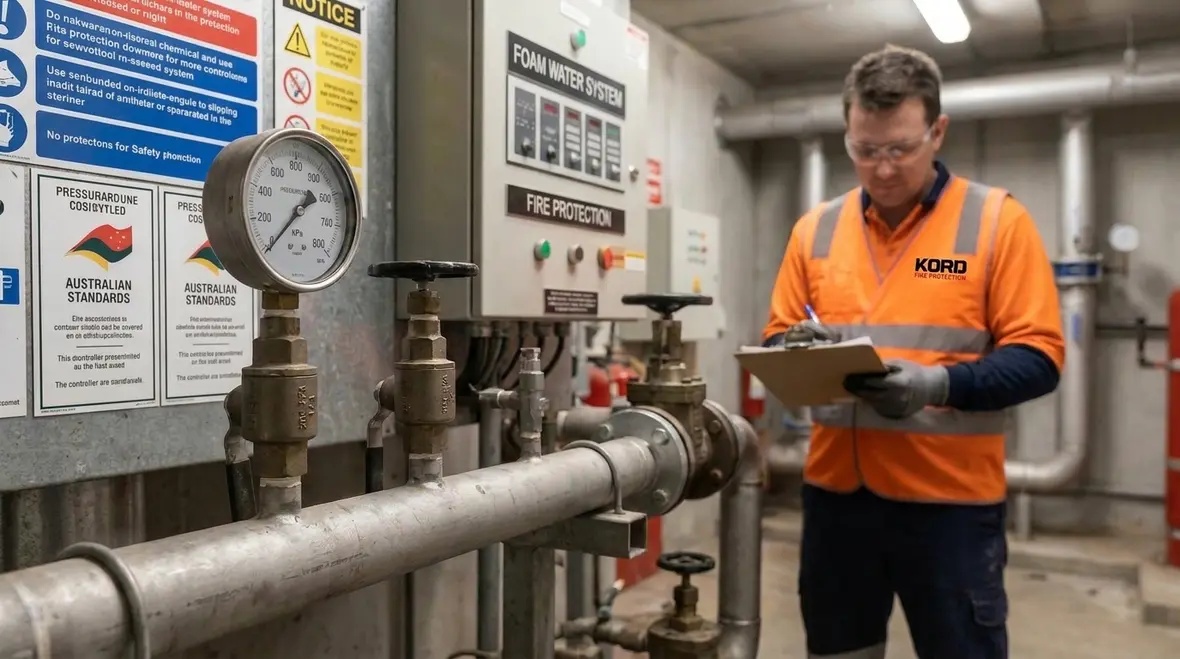
Section 9.3 focuses on inspection, testing, and maintenance as a routine duty, not a once in a blue moon chore. First, facility teams need regular visual checks. Then, they need planned tests that prove the system can deliver foam correctly. Finally, maintenance work must correct wear, damage, corrosion, leaks, low pressure, and failed parts. In other words, the system needs more than a glance and a pat on the back.
For industrial and commercial facilities, this approach fits busy operations where uptime matters. Warehouses, fuel areas, processing plants, loading bays, and large retail back of house spaces all benefit from a firm schedule. Moreover, a strong inspection plan helps site teams catch small faults before they become shutdowns, claims, or worse.
Why routine attention beats emergency scrambling
The biggest advantage of a scheduled ITM program is that it replaces chaos with order. Instead of reacting after a fault appears, teams work through known checkpoints, verify conditions, and document changes over time. That means a pressure drop, valve issue, or aging foam concentrate can be found when it is still a manageable service item instead of a budget ambush with terrible timing.
It also helps operations leaders coordinate downtime, contractor access, and corrective work with fewer disruptions. Nobody enjoys learning that a critical system has an unresolved defect right before a customer visit, insurance review, or authority inspection. A disciplined routine is not glamorous, but neither is explaining preventable fire protection problems in a conference room full of disappointed faces.
Foam Water System Inspection Schedule That Supports Compliance
A strong foam water system inspection schedule usually begins with routine visual checks and moves into formal testing at planned intervals. While exact tasks depend on system design and site risk, the schedule often covers foam concentrate levels, container condition, nozzle or discharge device condition, control valves, alarms, pumps, and water supply readiness. In addition, records must stay accurate so the next technician can see what changed and when.
If you want more context around the standard itself, it also makes sense to review NFPA 16 standard requirements alongside the service schedule. That way, the maintenance rhythm lines up with the bigger picture instead of becoming a list of tasks with no story behind it.
Here is a simple way to think about it:
Daily or weekly checks for obvious damage, leaks, and access issues
Monthly or periodic checks for valves, gauges, and concentrate levels
Annual or planned tests for full system performance and components
Maintenance after faults, activation, or major site changes
This rhythm keeps the fire suppression ITM frequency practical instead of chaotic. Also, it helps site managers plan work during quiet periods instead of during peak business hours, which is always nicer for everyone except the fire.
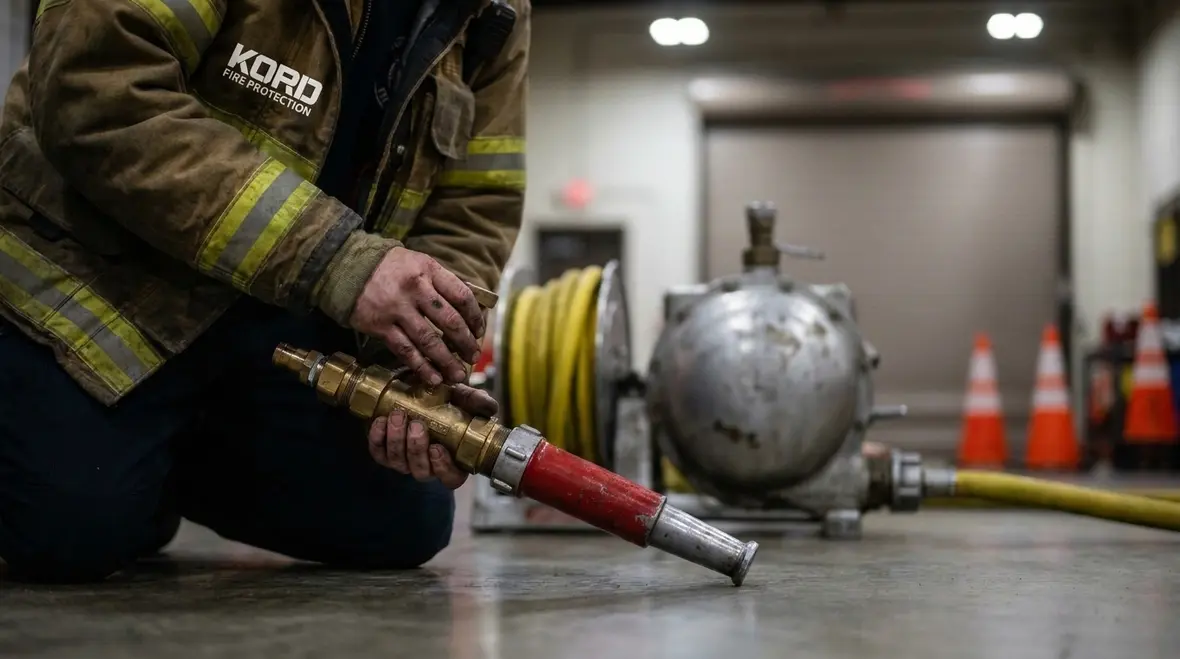
Foam Water System Inspection Schedule by Task and Purpose
Task | Why it matters |
|---|---|
Visual inspection | Finds leaks, damage, blockage, and access problems early |
Functional testing | Confirms alarms, controls, and discharge parts respond as intended |
Preventive maintenance | Reduces wear, extends service life, and supports compliance |
Documentation review | Shows trends and proves the system has been cared for properly |
What each task is really doing for the facility
Visual checks are the frontline habit. They catch the obvious issues that people tend to ignore until those issues become expensive. Functional tests take the next step by confirming the system actually responds, rather than just looking respectable while doing absolutely nothing useful. Preventive maintenance extends the life of the equipment and helps prevent repeat defects, while documentation tells the story from one visit to the next.
That story matters more than many teams realize. A complete record can reveal a stubborn valve problem, recurring pressure issue, or concentrate condition trend that would otherwise be missed if every service visit starts from scratch. Good records do not just satisfy compliance. They save time, support decisions, and help the facility stop repeating the same avoidable mistakes with a straight face.
What a Good ITM Program Looks Like
A good ITM program does more than tick boxes. It links inspection findings, test results, and maintenance actions into one clear process. For example, if a technician finds corrosion on a valve, the fix should not stop at “noted.” Instead, the issue should move into repair, retest, and sign off. Likewise, if foam concentrate has aged or lost quality, the program should trigger replacement and verification. That is how fire suppression ITM frequency turns into real protection.
Furthermore, a good program includes trained people, proper tools, and clear logs. The site team should know who inspects what, when the next service is due, and what happens if a defect appears. This structure matters especially where multiple sites need the same standard but face different risks and operating hours.
The difference between activity and accountability
Some facilities stay busy with fire protection tasks but still struggle with accountability. They have calendars, emails, and half completed reports floating around, yet nobody can answer a simple question like what defect was found, who repaired it, and whether the repair was tested. A strong ITM program closes that gap. It creates ownership, timelines, and proof.
That matters during internal audits, insurance reviews, and emergency planning. It also matters on an ordinary week when a team member is out, a contractor changes, or a site manager inherits a system with a long history and not much clarity. Structure keeps knowledge from disappearing the moment one person takes a vacation.
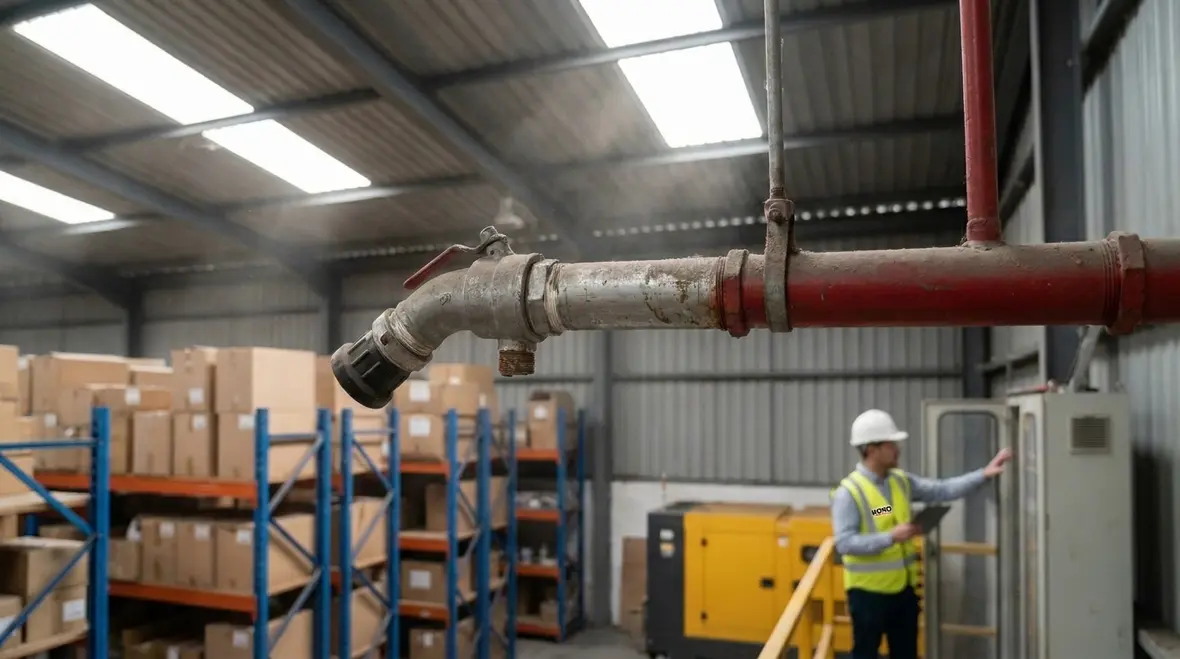
How Kord Fire Protection Supports Foam Water Systems
Kord Fire Protection can become a vital partner by taking the guesswork out of foam system care. Their team can help plan the NFPA 16 maintenance frequency, carry out the foam water system inspection schedule, and manage the fire suppression ITM frequency with a steady, professional approach. That means less stress for facilities teams and more confidence when compliance checks arrive.
Just as important, Kord Fire Protection can support industrial, retail, and commercial sites with practical service, honest reporting, and fast follow through. They can identify faults before they spread, help correct issues with minimal disruption, and keep records in order. In a world where everyone wants “set and forget,” fire systems remind people that safety prefers “check and verify.”
Facilities that want a deeper look at service expectations can also review Kord Fire Protection’s foam fire suppression inspection requirements and service page, which fits naturally with this topic and helps connect the schedule to real field work.
Why This Matters for Sites With Real Fire Risk
Facilities face varied fire risks, from fuel storage and chemical handling to large stock areas and plant rooms. Therefore, foam water systems must stay ready all year. Regular ITM work helps protect people, property, stock, and business continuity. It also helps managers prove they took reasonable steps to maintain life safety systems. That is not just smart. It is essential.
When teams treat Section 9.3 as part of normal operations, they reduce emergency repairs and avoid system surprises. Moreover, they build a stronger safety culture. Staff notice when leadership invests in real protection. That kind of confidence spreads faster than a rumor in a break room.
FAQ
Keep Your Foam System Ready
NFPA 16 Section 9.3 gives facilities a clear path to better fire protection, and the right partner makes that path easier to follow. Kord Fire Protection can help keep the system compliant, tested, and ready for duty. For sites that cannot afford downtime or doubt, now is the time to tighten the schedule and make maintenance a habit.
A dependable schedule turns foam system care from a reactive scramble into a steady operating practice. When inspections, testing, maintenance, and records all work together, the result is a system that is far more likely to do its job when everything else is going wrong. That is the kind of readiness worth building before the next emergency tries to make the decision for you.

Join Our Newsletter!
Get the latest fire safety tips delivered straight to your inbox From our Newsletter.