NFPA 1 Section 1.1 Fire Code Scope and Jurisdiction
Quick Answer
NFPA 1 Section 1.1 defines where the Fire Code applies, who can enforce it, and how local authority shapes compliance. For industrial, retail, commercial, and facility sites across Australia, it helps set a clear path for safer operations. Kord Fire Protection can support that path with practical fire safety services, inspections, and compliance help.
If your site needs coordinated support across inspections, testing, and compliance planning, full fire protection services can help connect the code requirements to day to day action in a way that feels far less dramatic than discovering a missing record five minutes before an inspection. ([kordfire.com](https://kordfire.com/full-fire-protection-services/?utm_source=openai))
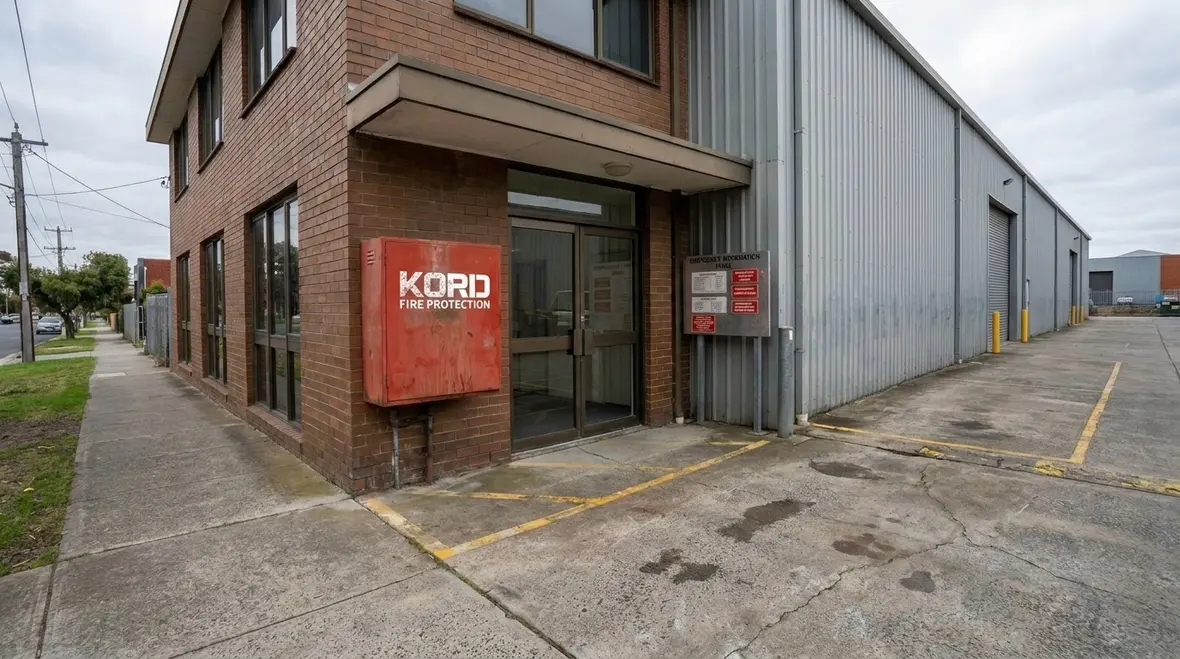
NFPA 1 Section 1.1 Fire Code Scope and Jurisdiction Overview
NFPA 1 Section 1.1 gives a simple but powerful rule: know where the fire code applies, and know who has the final say. In plain terms, the NFPA 1 fire code scope defines the reach of the code, the fire code jurisdiction requirements explain who can enforce it, and the fire marshal authority scope sets the power to review, approve, and require action. For industrial, retail, and commercial sites, that matters a great deal. After all, fire safety is not the place to play “guess who.”
Across Australia, site leaders often deal with local fire rules, insurer demands, and building obligations at the same time. Therefore, understanding how scope and jurisdiction work helps reduce risk, avoid delays, and keep operations steady. This is where a trusted partner like Kord Fire Protection becomes valuable. The right team helps translate code language into practical action, which saves time, stress, and a fair bit of paperwork drama.
Why the section matters before the rest of the code does
Section 1.1 is basically the front door to the rest of NFPA 1. Before anyone debates maintenance intervals, suppression details, or equipment placement, this section asks a more basic question: does the code apply here, and who gets to interpret it on the ground? That order matters. If a business skips it, every later compliance decision can wobble. And wobbly compliance is not exactly a comforting phrase.
It also sets expectations for communication. Site managers, contractors, maintenance teams, insurers, and authorities all need a shared understanding of the rules in play. Once that foundation is clear, project planning becomes more predictable, audit preparation becomes less chaotic, and authority reviews stop feeling like a scavenger hunt with consequences.
What Section 1.1 Means for Business Sites
Section 1.1 sets the stage for the rest of the code. It tells the reader that NFPA 1 is not just a list of rules. Instead, it is a framework for applying fire safety in the right place and under the right authority. That matters because a warehouse, shopping centre, plant room, or logistics hub may each face different hazards. As a result, compliance needs to fit the site, not a one size fits all plan.
The section also helps define how a fire code connects to local law. In many cases, a site may need to follow both internal safety systems and the rules of the local authority. So, the code does not sit in a vacuum. It works with permits, inspections, emergency plans, and maintenance records. In short, it keeps fire safety tied to real world control.
For businesses with changing layouts, rotating tenants, equipment upgrades, or evolving process risks, this section quietly becomes one of the most useful parts of the entire code. It gives leaders a practical lens for asking whether the existing fire strategy still matches the actual use of the space. That sounds simple, but it is the kind of simple question that prevents very expensive answers later.

Fire Code Jurisdiction Requirements in Practice
The fire code jurisdiction requirements tell a business who can enforce the code and what that enforcement can include. That authority often sits with the local fire marshal, building official, or another approved body. Therefore, site teams need to know which office controls approvals, inspections, and corrections.
For Australian industrial and commercial sites, this matters when a project changes, equipment gets upgraded, or a fire system falls out of date. A clear jurisdiction path prevents confusion. It also stops teams from chasing the wrong contact while deadlines keep moving, which, as everyone knows, is a fine way to turn a Monday into a small disaster.
What enforcement usually touches on
- Plan reviews for new work, upgrades, and layout changes.
- Inspections tied to occupancy, system condition, and site hazards.
- Correction notices for unsafe conditions or missing documentation.
- Approval of fire protection measures, emergency access, and maintenance evidence.
In practice, the businesses that handle jurisdiction well are usually the ones that keep authority contacts clear, records current, and change management disciplined. They do not wait until the inspection calendar starts glaring at them. They build readiness into ordinary operations, which is much easier than trying to assemble compliance from scattered emails and half remembered service notes.
Where Fire Marshal Authority Sits
The fire marshal authority scope usually includes inspection rights, orders to correct unsafe conditions, and the power to approve or reject fire protection measures. That does not mean the authority acts alone. However, it does mean the marshal can shape how a site proves compliance.
For businesses, this creates a simple rule. Keep records ready, keep systems maintained, and keep communication open. In addition, the authority may ask for proof of service, equipment testing, fire alarm checks, extinguisher placement, exit access, or special hazard controls. When those items are in order, reviews tend to move faster and with less friction.
This is also why broader compliance support matters. Kord Fire Protection describes its Australia fire protection approach as one built around detection, suppression, staff readiness, inspection support, and current documentation for industrial, retail, and commercial facilities. ([kordfire.com](https://kordfire.com/australia-fire-protection-for-compliance-and-readiness/?utm_source=openai))
How Kord Fire Protection Supports Compliance
Kord Fire Protection can become a vital partner because code understanding is only useful when it turns into action. The team can help site managers inspect systems, plan maintenance, and prepare for audits or authority visits. Moreover, they can support fire safety across multiple facility types, including warehouses, retail spaces, commercial buildings, and industrial operations. Kord Fire’s service pages emphasize coordinated inspections, testing, maintenance, and compliance readiness across sprinkler, alarm, extinguisher, and related systems. ([kordfire.com](https://kordfire.com/full-fire-protection-services/?utm_source=openai))
Here is where that support becomes especially useful:
- They help identify gaps before an inspection exposes them.
- They support routine maintenance for alarms, extinguishers, and suppression systems.
- They help site teams understand what the local authority may expect.
- They reduce downtime by solving issues early, not after a shutdown notice lands like a bad sequel.
If your team wants a broader code context, Kord Fire Protection also has a related guide on NFPA 1 fire prevention and safety, which fits naturally with Section 1.1 because scope and jurisdiction only make sense when tied back to the larger purpose of the code. ([kordfire.com](https://kordfire.com/full-fire-protection-services/?utm_source=openai))
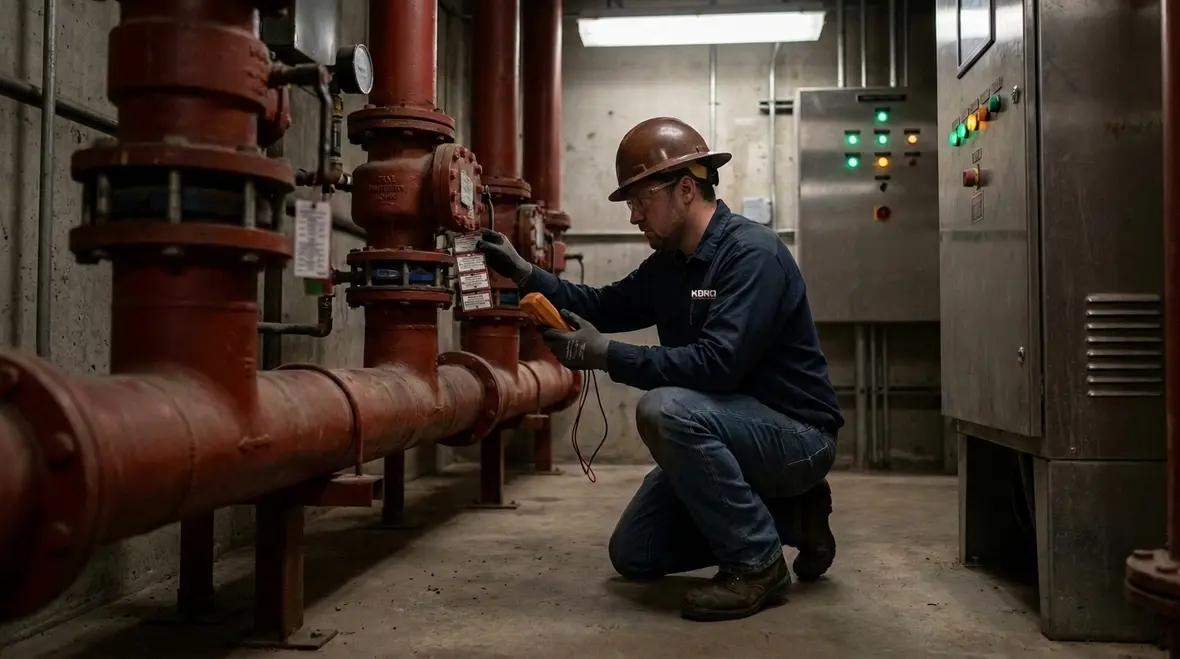
NFPA 1 Fire Code Scope for Industrial and Commercial Sites
Below is a simple view of how the code scope and local control often work together.
Code scope
Defines where the fire rules apply, including occupied buildings, processes, and hazards tied to the site.
Jurisdiction
Shows which authority can inspect, approve, and enforce fire safety requirements.
Marshal authority
Sets the power to require fixes, review plans, and confirm that controls meet the needed standard.
Business impact
Affects project timing, maintenance planning, insurance readiness, and day to day safe operation.
What Good Compliance Looks Like
Good compliance starts with a site specific review. Then it moves into maintenance, staff training, and clear records. Furthermore, the fire safety plan should match the actual layout, use, and risk level of the facility. A retail center needs fast exit control and clear alarms. A warehouse may need stronger attention on storage, access, and suppression. An industrial plant may need even more detail around process risk and special hazards.
That is why a fire code review should never feel like a box ticking exercise. It should work like a living system. When the site changes, the fire plan should change too. Otherwise, the paper trail may look excellent while the actual risk quietly throws a party in the corner.
Signs a site is managing scope and jurisdiction well
- Authority contacts and approval steps are documented.
- Inspection, testing, and maintenance records are current and easy to retrieve.
- Fire protection systems reflect the building’s present layout and use, not last year’s version.
- Site teams know who owns follow up actions when issues are found.
- Contractors and internal staff are working from the same compliance picture.
Why This Matters Across Australia
Australian businesses face a mix of local rules, insurer needs, and operational pressure. Therefore, knowing the basics of NFPA 1 Section 1.1 helps leaders make better calls on fire safety. It also helps teams speak clearly with inspectors, contractors, and internal safety staff. When everyone understands the scope and the authority behind it, the process becomes smoother and safer.
That clarity also helps during upgrades and maintenance planning. Kord Fire Protection’s Australia focused articles repeatedly connect compliance readiness with inspections, documentation, system support, and practical site coordination for industrial, retail, and commercial operations. ([kordfire.com](https://kordfire.com/australia-fire-protection-for-compliance-and-readiness/?utm_source=openai))
FAQ
Conclusion
NFPA 1 Section 1.1 gives businesses a clear map for fire safety control. For industrial, retail, and commercial sites, that map matters every day. It explains where the code reaches, who enforces it, and how authority shapes compliance decisions long before the first inspection note lands on someone’s desk.
Kord Fire Protection can help turn code into action, keep systems ready, and support stronger compliance across Australia. For sites that want less risk and more confidence, the next step is simple: get expert support and stay ahead of the fire safety curve.

Join Our Newsletter!
Get the latest fire safety tips delivered straight to your inbox From our Newsletter.