NFPA 16 Section 9.2 Foam Water System Alarm Testing in Australia
Quick Answer
NFPA 16 Section 9.2 requires regular testing and inspection of alarm and detection devices in foam water systems so they work when a fire starts. For industrial, retail, and commercial sites across Australia, this is not just a box to tick. It is a practical step that helps protect people, property, and business uptime.
NFPA 16 alarm testing plays a key role in keeping foam water systems ready for action. For Australian facilities, the work usually includes a foam water system alarm inspection, device checks, and fire suppression detection testing that confirms signals reach the right panels and alarms sound as expected. In plain terms, the system must speak up before trouble turns into a headline. And yes, that little beep or signal can save a lot more than a manager’s mood on Monday morning.
Why this matters
If your site relies on foam protection for flammable liquid risks, alarm and detection testing is what helps the whole sequence start on time, not after the fire has already stolen the plot.
Facilities that need a broader suppression strategy can also explore foam fire suppression systems services as part of a more complete maintenance and testing approach.
Understanding NFPA 16 Section 9.2
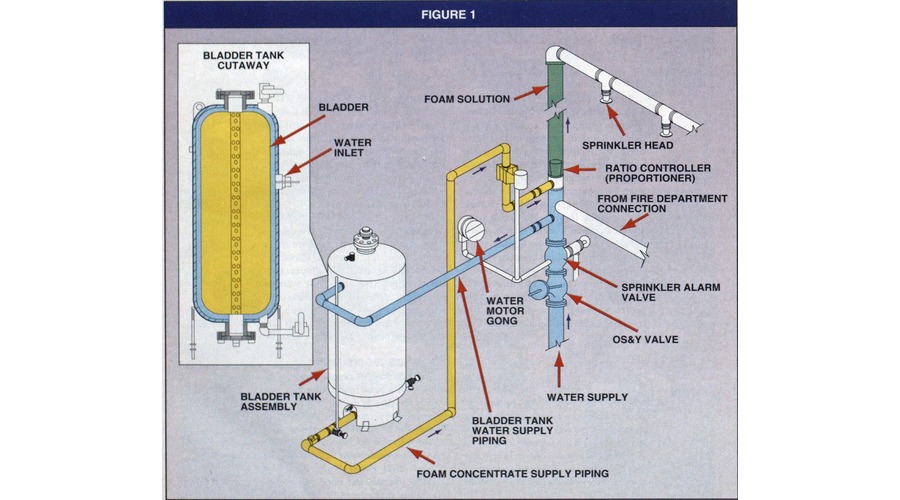
NFPA 16 Section 9.2 focuses on the testing and inspection of alarm and detection devices used with foam water systems. These devices help confirm when a fire condition exists and when the system must respond. Because foam systems protect high risk areas such as fuel storage, loading bays, manufacturing zones, and chemical handling spaces, the alarms must work without delay.
This section matters because foam systems rely on fast detection. If a detector fails, the system may not trigger in time. That is why inspection teams check each device, confirm signal paths, and verify that alarms reach the control equipment. In short, the system must not act like a movie extra that shows up late.
In practical terms, Section 9.2 is about proving the alarm side of the protection system is alive, responsive, and able to communicate with the rest of the suppression sequence. A foam system can have all the right hardware in place, but if the alarm and detection devices fail to spot the problem or pass the signal correctly, the rest of the system is left waiting for instructions that never arrive. That is a terrible time for silence.
For Australian facilities, this becomes especially relevant where production schedules, logistics pressure, and hazardous storage all compete for attention. Good alarm testing makes sure the life safety system still gets its say. It also gives site teams confidence that the system can react as designed rather than leaving everyone to discover faults during the worst possible moment, which is a very expensive way to learn anything.
What a Foam Water System Alarm Inspection Covers
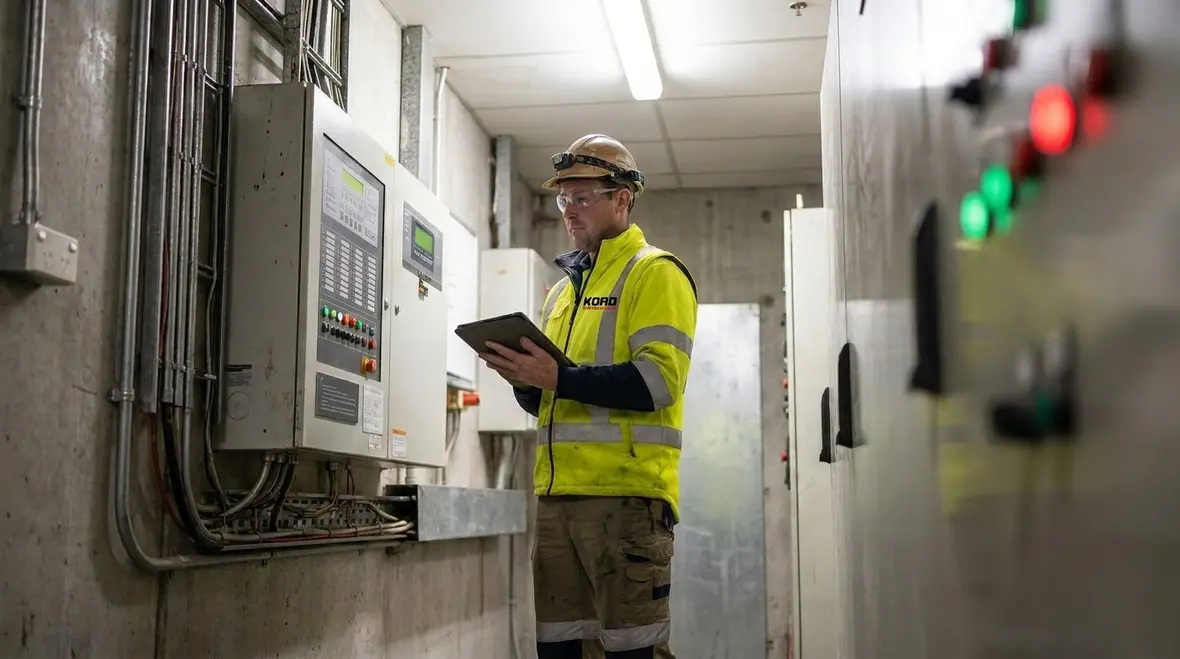
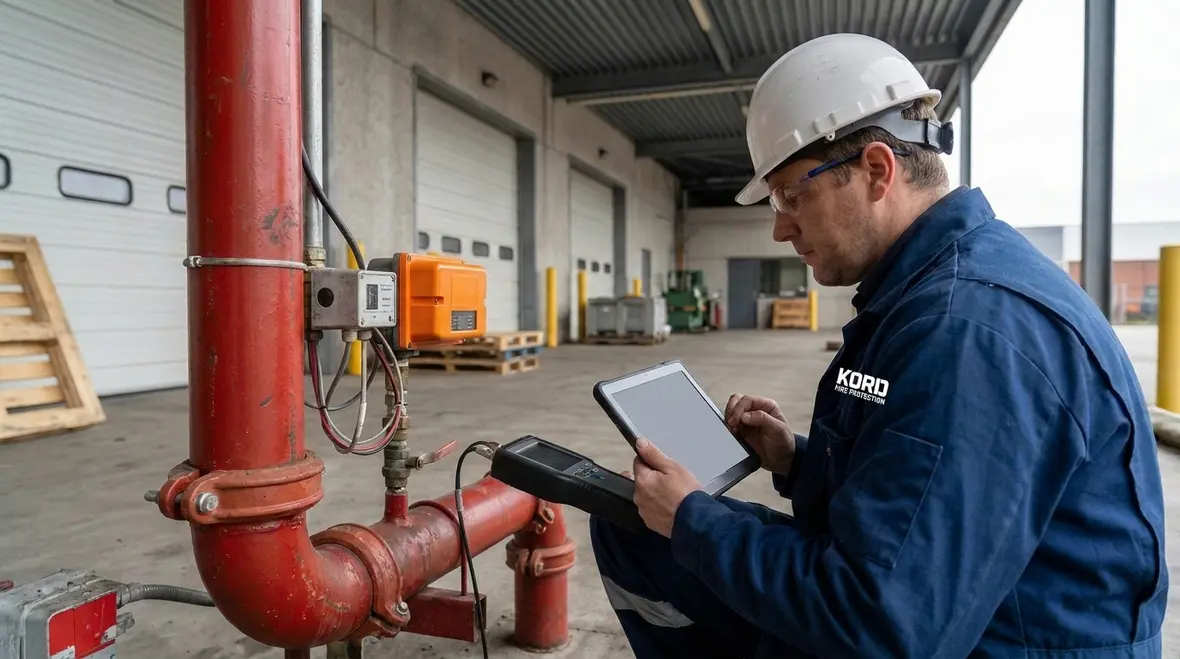
A proper foam water system alarm inspection goes beyond a quick visual glance. It checks whether each alarm and detection component still performs under real conditions. In most commercial and industrial settings, that includes detectors, manual call points, alarm panels, pressure switches, and related signals.
The goal is not to admire the equipment and hope it feels appreciated. The goal is to confirm function. Technicians need to know whether devices are clean, correctly located, responsive, and able to trigger the expected chain of events. Even a well designed system can suffer from dust buildup, corrosion, vibration, accidental damage, poor wiring condition, or small changes made around the hazard area that affect detector performance.
In many facilities, the inspection also includes checking that panel indications are accurate, warning devices activate properly, and supervisory or trouble signals are identified without confusion. If the system interfaces with pumps, valves, shutdown controls, or remote monitoring, those connections deserve attention too. Foam protection is a team sport. If one player misses the call, the whole line can wobble.
- Checking device condition for damage, dirt, corrosion, or tampering
- Testing alarm activation and signal transmission
- Confirming panel response and audible or visual alerts
- Reviewing wiring, connections, and device placement
- Recording results for maintenance and compliance files
These steps matter because small faults often hide in plain sight. A dusty detector or loose connection may seem minor, yet it can weaken the whole chain. Fire safety systems, much like a good rugby team, only work well when every part holds its line.
Dual Column Guide for Facility Teams
| What the Team Checks | Why It Matters |
|---|---|
| Detectors and alarm devices | Confirms the system can sense danger and send a warning |
| Signal flow to panels | Ensures alerts reach the correct control point fast |
| Device condition and placement | Reduces false alarms and missed activation |
| Test records and logs | Supports compliance and service history |
How NFPA 16 Alarm Testing Supports Risk Control
NFPA 16 alarm testing helps reduce the chance of system failure during a real fire event. This matters most in sites where foam systems protect flammable liquids, process areas, or storage zones with higher fire load. Since foam systems are often part of a larger suppression strategy, the alarm and detection side must work as one clean chain.
Regular testing also helps identify weak points before they become expensive problems. For example, a detector may still look fine while its response time has drifted. Or a panel may receive the signal but fail to display it correctly. These are the kinds of issues that can turn a normal day into an insurance conversation nobody wants.
Risk control is really about shrinking uncertainty. When alarms, detectors, and control signals are tested on a consistent basis, site teams get a clearer picture of what is working, what is aging, and what needs repair before it turns into downtime. That visibility matters in facilities where disruption affects stock, schedules, deliveries, staff, and customer expectations all at once.
Testing also supports decision making beyond the fire system itself. Accurate records help managers plan maintenance windows, justify corrective work, and show a reliable service history. That can be useful for audits, internal reviews, and risk conversations with stakeholders who prefer paperwork over surprises. Fair enough, because surprises in fire protection tend to be the wrong kind.
If your team is also reviewing the broader standard framework, it makes sense to reference NFPA 16 standard guidance alongside site specific alarm and detection testing plans so the bigger compliance picture stays connected.
Why Fire Suppression Detection Testing Needs Skilled Support
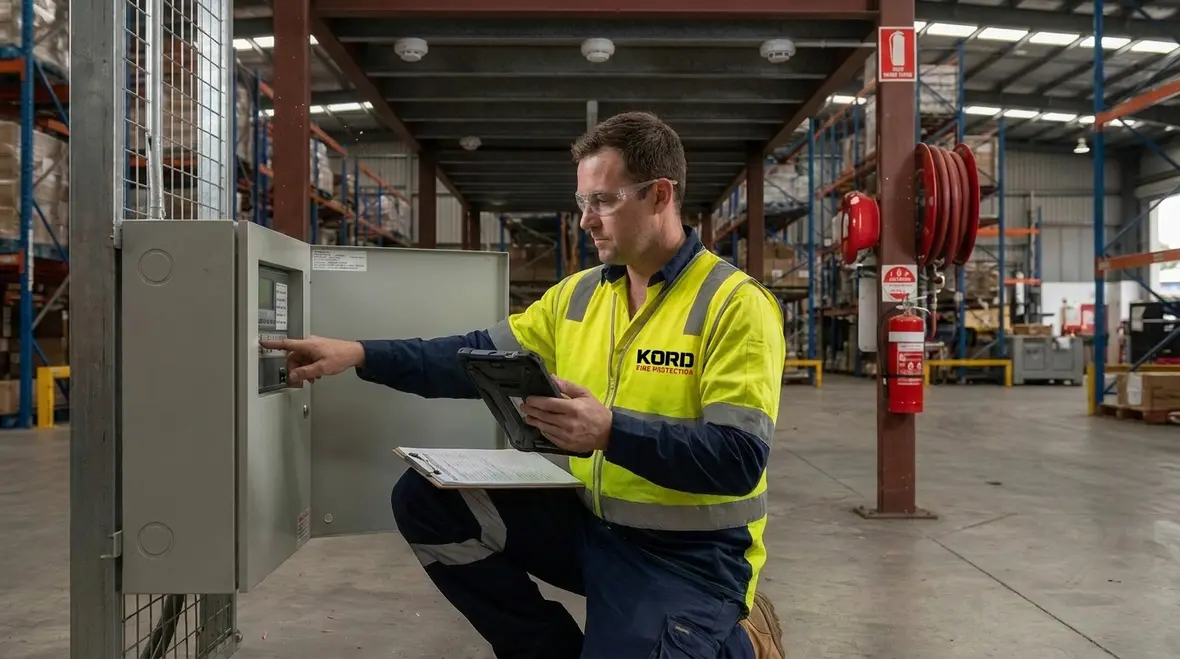
Fire suppression detection testing requires more than basic site awareness. It needs trained technicians who understand foam water system design, device behavior, and the way signals interact with suppression controls. In many facilities, the system may also link to pumps, valves, remote monitoring, and shutdown controls. That means one missed step can affect the entire protection plan.
For Australian businesses, this is especially important across warehouses, transport hubs, retail back areas, manufacturing plants, and fuel related operations. These sites often run on tight schedules. Therefore, testing must be accurate, efficient, and well documented so operations can keep moving without chaos.
Skilled support also helps avoid another common problem: incomplete testing that creates confidence without proof. A technician who understands suppression logic can verify not just whether a detector trips, but whether the right panel receives the signal, whether the right outputs respond, and whether any delay, fault, or mismatch appears along the way. That is the difference between a real test and a ceremonial button press.
When testing is handled well, site teams get cleaner reports, clearer follow up actions, and less disruption to operations. They also avoid the usual confusion that happens when one contractor checks a device, another reviews a panel, and nobody quite owns the full story. The system deserves better than a group project with no project manager.
How Kord Fire Protection Becomes a Vital Partner
Kord Fire Protection can become a vital partner by helping facilities manage NFPA 16 alarm testing, foam water system alarm inspection, and fire suppression detection testing with a clear and professional process. Their support helps teams stay ahead of faults, reduce downtime, and maintain confidence in system readiness.
Just as important, Kord Fire Protection can help coordinate service around site operations. That matters for busy industrial and commercial properties where shutdowns cost money and time. With the right partner, the work becomes less of a disruption and more of a controlled, planned safeguard. In other words, the fire system gets the attention it deserves, without turning the whole place into a scene from Mission Impossible.
A capable partner also helps connect inspection findings with corrective action. That means issues do not just land in a report and gather dust next to an old folder nobody wants to open. Instead, the service process can move from test to diagnosis to repair planning with better speed and less confusion, which is exactly what facility managers need when they already have twenty other priorities competing for oxygen.
What Facility Managers Should Ask For
Facility managers should ask for a service partner that can explain findings in plain language, provide clear test results, and highlight any corrective actions fast. They should also expect a service approach that fits Australian site needs, supports documentation, and keeps the system aligned with safety expectations.
Good questions include whether the team can test all connected alarm points, inspect device condition, and record issues for follow up. They should also ask how the service schedule fits with production, trading hours, and risk controls. That kind of planning keeps everyone calmer, and calmer sites tend to make fewer expensive mistakes.
Managers should also ask how findings will be prioritised. Not every issue carries the same urgency, and a useful partner will help separate immediate risks from items that can be scheduled sensibly. It is also worth asking whether reports are detailed enough to support maintenance history, budgeting, and future system planning. Vague notes like “checked system, seems fine” belong in comedy, not compliance files.
FAQ
Conclusion
NFPA 16 Section 9.2 is not just compliance language. It is a practical safeguard for foam protected sites. With the right testing, inspection, and documentation, facilities can reduce risk and stay ready. Kord Fire Protection can help make that process smooth, clear, and dependable.
For Australian businesses that value uptime and safety, now is the time to act. A tested alarm path, a documented inspection, and a partner who understands the full suppression picture can make the difference between controlled response and unnecessary chaos. That is a much better outcome than hoping the system figures it out on the day.

Join Our Newsletter!
Get the latest fire safety tips delivered straight to your inbox From our Newsletter.