NFPA 1 Section 1.12 Fire Code Records and Reports
Quick Answer
NFPA 1 Section 1.12 sets the rules for fire code records and reports, helping facilities keep clear, accurate, and ready to review documents. For industrial, retail, commercial, and facilities teams, this supports fire code record keeping, fire inspection records NFPA, and fire department reporting requirements. Kord Fire Protection can help manage these duties with calm, reliable support.
Good record keeping is one of those things nobody brags about at lunch, yet everyone wishes they had handled properly when an inspection, audit, or authority request lands without warning. This section is about staying ready before that moment arrives.
Near the top of that readiness list is having a provider that can keep inspections, testing, and documentation aligned. Kord’s full fire protection services page shows how inspections, testing, maintenance, and reporting can stay under one roof, which is exactly the kind of structure that helps records remain useful instead of becoming a pile of digital confetti.
NFPA 1 Section 1.12 and Why It Matters
NFPA 1 Section 1.12 gives a simple but serious message: keep the records, keep them accurate, and keep them ready. In plain terms, this section covers fire code records and reports that show a site has met its fire safety duties. For busy sites, that means less scrambling when an inspector arrives and fewer blank looks when someone asks, “Where is the report?”
For industrial plants, retail centres, office towers, and large facilities, fire code record keeping is not just paperwork. It is proof. It helps show that inspections happened, defects were fixed, and fire safety systems stayed in working order. It also supports fire department reporting requirements, which can matter during audits, reviews, or compliance checks.

What Fire Code Record Keeping Includes
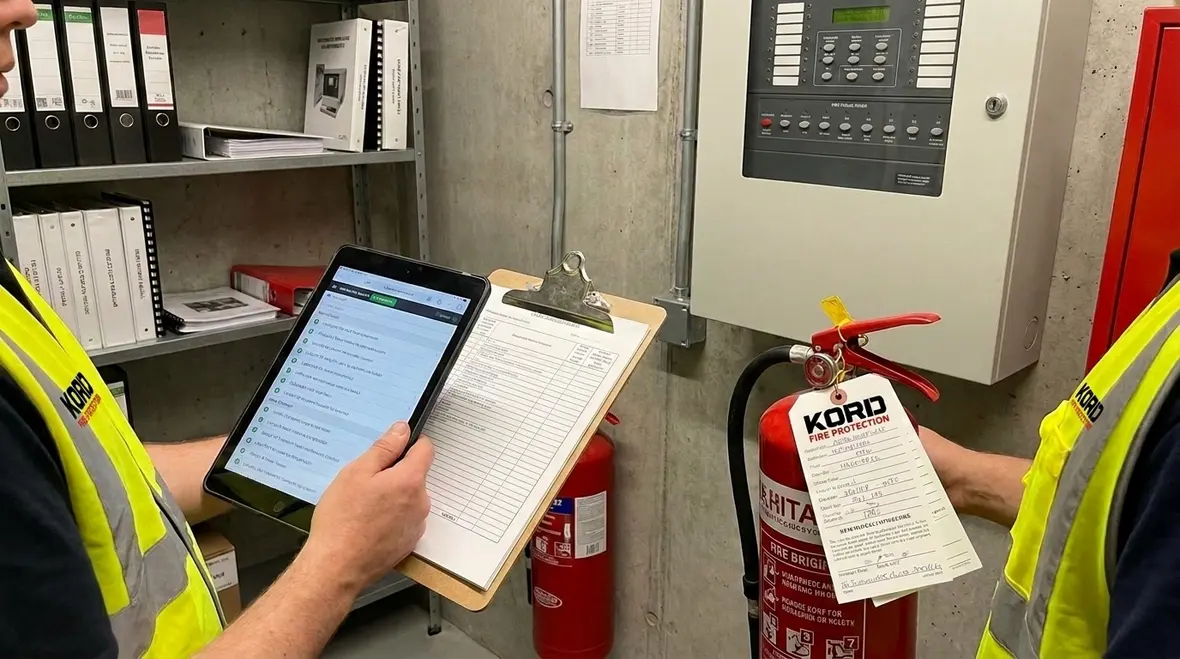
Fire code record keeping under this section usually includes inspection logs, service reports, test results, correction notices, and other records that show fire safety work took place. It also includes proof that issues were handled on time. That matters because a missing record can create the same headache as a missing extinguisher, just with more paperwork and less dignity.
In practice, strong records help a site track the details that actually keep operations sane. Instead of bouncing between email chains, handwritten notes, and that one spreadsheet everybody fears touching, a proper system keeps the facts in one trail that people can follow without needing a treasure map.
Typical records to keep on file
- Inspection dates and findings
- Testing and maintenance for alarms, pumps, sprinklers, and extinguishers
- Corrective actions and repair dates
- Communication with fire authorities and internal teams
- Report retention and easy access for review
These records are even more useful when they are tied to a regular inspection and maintenance rhythm. Kord’s article on the full lifecycle of fire protection servicing explains how inspection reports, maintenance logs, and service records support compliance over time, which fits naturally with the record keeping purpose behind Section 1.12.
How Fire Inspection Records NFPA Support Compliance
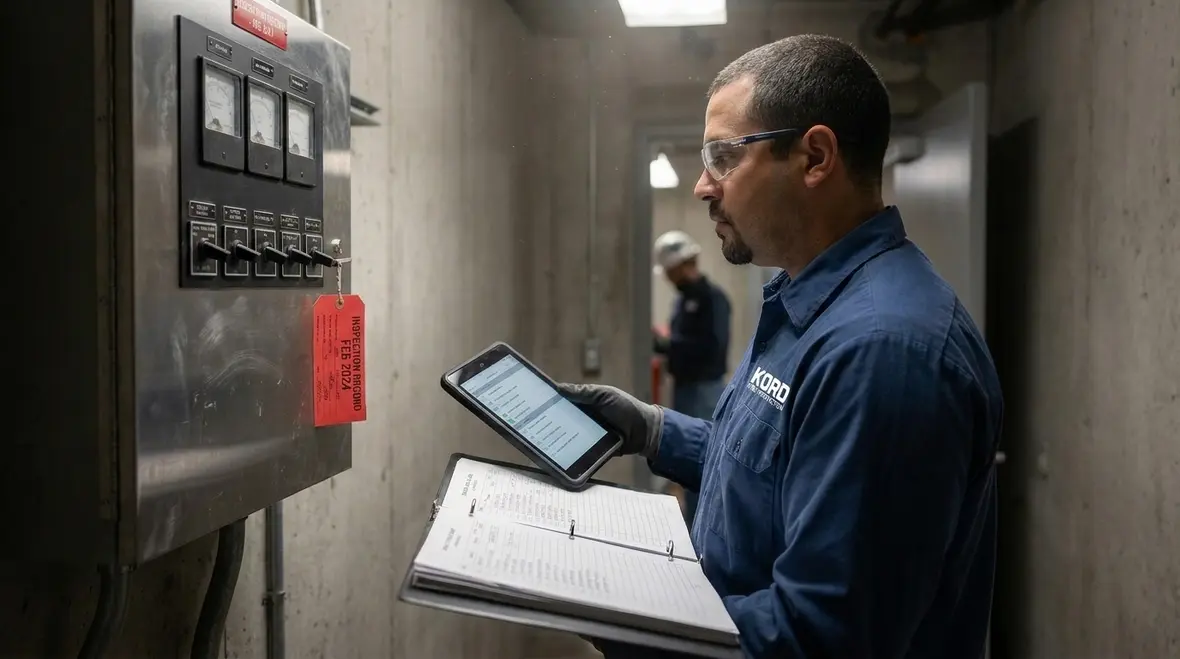
Fire inspection records NFPA expectations help facilities prove that fire safety systems were checked on schedule. These records should be clear, dated, and easy to find. They should also show what was found and what was done next. That level of detail helps reduce risk and keeps everyone on the same page.
When records stay organized, managers can spot repeat issues before they grow teeth. For example, if the same fire door fails three times, the record trail makes the problem hard to ignore. Likewise, if a sprinkler valve test keeps showing pressure issues, the paper trail can speed up repairs and support smarter planning.
Why detail matters
A date alone is not enough. A useful record shows the asset, the finding, the action taken, and who completed the work.
Why access matters
If nobody can find the record quickly, it may as well be hiding behind the holiday decorations and broken office chair.
Fire Department Reporting Requirements in Real Operations
Fire department reporting requirements often become part of day to day compliance work. These may involve providing inspection reports, test results, incident details, or proof of corrective action. Because different jurisdictions can ask for different documents, teams need a system that keeps records tidy and available.
Here is where many facilities run into trouble. The work itself may happen on time, but the documents get buried in inboxes, folders, and someone’s memory. As every seasoned facility manager knows, memory is useful, but it is not a compliance strategy.
This is also where interlinked documentation across multiple systems becomes helpful. Kord’s fire protection services guide outlines how inspection and maintenance steps build on one another, reinforcing the idea that reports are not isolated documents. They are part of a larger operating picture.
Why NFPA 1 Section 1.12 Helps Facilities Stay Ready
NFPA 1 Section 1.12 helps create order. First, it supports traceability, so each inspection or service event can be tied to a date, a result, and an action. Next, it helps with accountability, because records show who did the work and when. Finally, it helps with continuity, since a new manager can step in and understand what happened before.
This matters for sites that must manage multiple systems and many moving parts. A retail site may juggle alarms, emergency lighting, and extinguishers. A warehouse may add pumps, hydrants, and large equipment zones. In both cases, records can either keep the system smooth or turn compliance into a scavenger hunt worthy of a reality show.
Three practical benefits of organized records
- They reduce time lost during inspections and audits
- They make repeat deficiencies easier to identify and prioritize
- They help new managers or contractors understand site history quickly

How Kord Fire Protection Becomes a Vital Partner
Kord Fire Protection can become a vital partner by helping facilities keep records accurate, organized, and ready for review. Rather than leaving teams to chase paperwork after the fact, Kord can support a more controlled process from the start.
This can include scheduled inspections, service reporting, compliance documentation, and practical guidance on what records need to stay on file. As a result, site teams can focus on operations while still meeting fire code record keeping duties. In addition, Kord can help reduce gaps that often appear when multiple contractors, sites, or shifts are involved.
If your team also needs a broader code context, Kord’s guide to NFPA 1 fire prevention and safety is a useful companion resource that helps connect this records section to the wider purpose of the code.
How the Service Works Across Two Key Areas
Below is a simple view of how strong support can help.
| Facility Need | How Kord Fire Protection Helps |
|---|---|
| Inspection tracking | Kord helps keep fire inspection records NFPA aligned and easy to locate |
| Report storage | Kord can organize service reports and compliance records for quick access |
| Corrective action | Kord helps document defects, repairs, and follow up work clearly |
| Authority requests | Kord supports fire department reporting requirements with ready records |
| Ongoing compliance | Kord helps maintain a steady system, not a last minute panic |
What Good Records Look Like in Practice
Good records do not need to be fancy. They need to be complete, readable, and current. A strong record should show the asset inspected, the date, the condition found, the action taken, and the person or company that completed the work. It should also be easy to retrieve when a fire officer, auditor, or facility leader asks for it.
Even better, the records should tell a story. Not a dramatic one, like an action film with too many explosions, but a clear one that proves the system stayed under control. That story matters because it reduces risk and shows real care for people, property, and business continuity.
FAQ
Keep Records Ready Before the Next Inspection
NFPA 1 Section 1.12 reminds every facility that fire records are part of fire safety, not an afterthought. For industrial, retail, commercial, and large facilities, strong documentation can save time, reduce risk, and support better decisions.
Kord Fire Protection can help keep that system in order with dependable service and clear reporting. When the next review comes, the paperwork should not sweat. The people should not either.

Join Our Newsletter!
Get the latest fire safety tips delivered straight to your inbox From our Newsletter.