
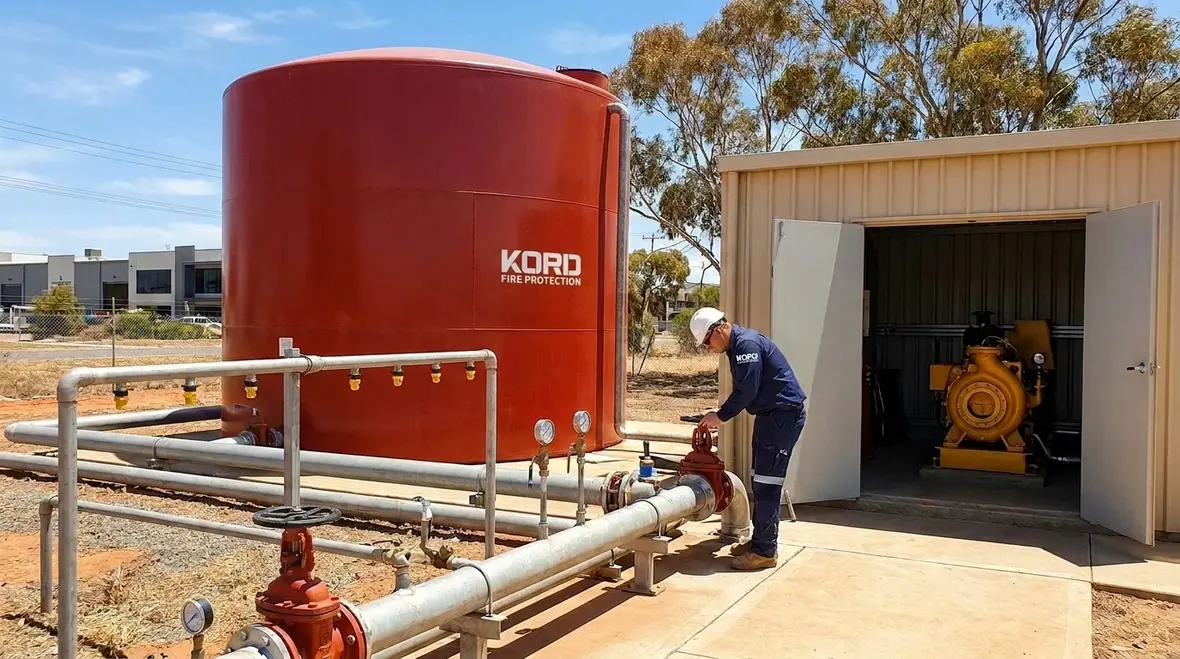
NFPA 15 Section 9.3 Acceptable Water Supply Spray Systems
Quick Answer
NFPA 15 Section 9.3 sets the standard for acceptable water supply systems for spray systems, helping industrial and commercial sites keep protection steady, reliable, and code aligned. In Australia, facilities need the right water source, pressure, capacity, and controls. Kord Fire Protection can help design, assess, and maintain these systems so the whole setup works when it matters most.
For sites reviewing overall protection readiness, Kord Fire Protection also provides full fire protection services that fit naturally alongside water spray system planning, inspection, and ongoing support.
Understanding NFPA 15 Water Supply Needs
NFPA 15 acceptable water supply spray systems are built to feed water spray protection with enough pressure and flow to do the job properly. In plain terms, the system must deliver water when the fire risk says, “Now would be a very bad time for a holiday.” That means the supply must support the spray nozzles, the hazard level, and the required duration without fading early.
For industrial, retail, and commercial sites across Australia, this matters because the supply is not just a plumbing detail. It is the backbone of performance. If the source cannot keep up, the spray system cannot protect equipment, tanks, conveyors, process areas, or building assets the way it should.
What Section 9.3 Is Asking For
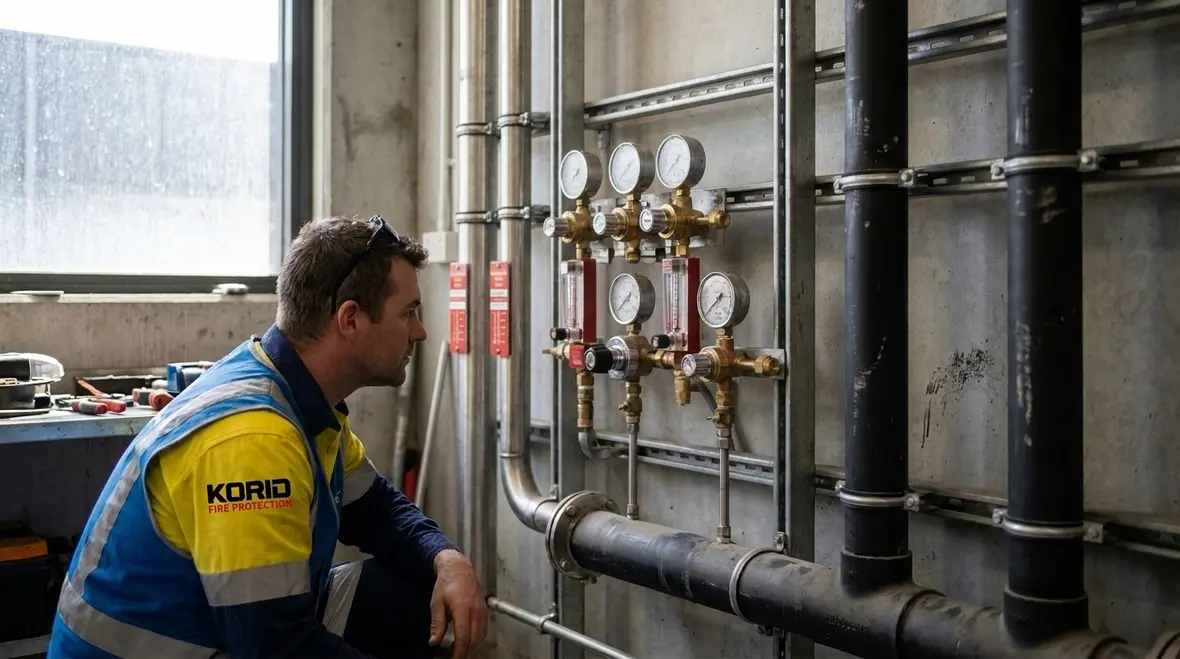
Section 9.3 focuses on whether the water source can provide a dependable supply for spray protection. It looks at capacity, pressure, and system reliability. It also expects the supply arrangement to match the fire hazard and the system design.
In practical terms, the water supply must remain stable long enough for the spray system to control exposure or cool surfaces. That may mean municipal mains, fire pumps, stored water tanks, or a combination of sources. The key point is simple: the system should not lose steam halfway through the mission. Even Batman would want the backup plan checked first.
Why supply reliability matters more than it sounds
A water spray system can be designed beautifully on paper and still underperform if the supply is inconsistent. Pressure swings, undersized tanks, poorly maintained valves, or weak pump support can all reduce performance right when the system needs to behave like a professional and not like someone winging a group presentation. Section 9.3 pushes owners and operators to look beyond simple availability and ask whether the source is truly dependable under emergency demand.
Acceptable Water Supply Types for Spray Systems
NFPA 15 allows several water supply options when they meet the design demand. The right choice depends on site risk, available infrastructure, and the performance needs of the spray system.
Common acceptable supply types include:
Municipal water supply when it can provide the needed flow and pressure with enough reliability.
Fire pumps that boost pressure and help maintain the design demand across the system.
Dedicated water storage tanks that hold enough supply for the required duration.
Combination systems using mains, pumps, and stored water for stronger resilience.
Many facilities use more than one source. That approach adds comfort, and in fire protection, comfort is not fluff. It is risk control.
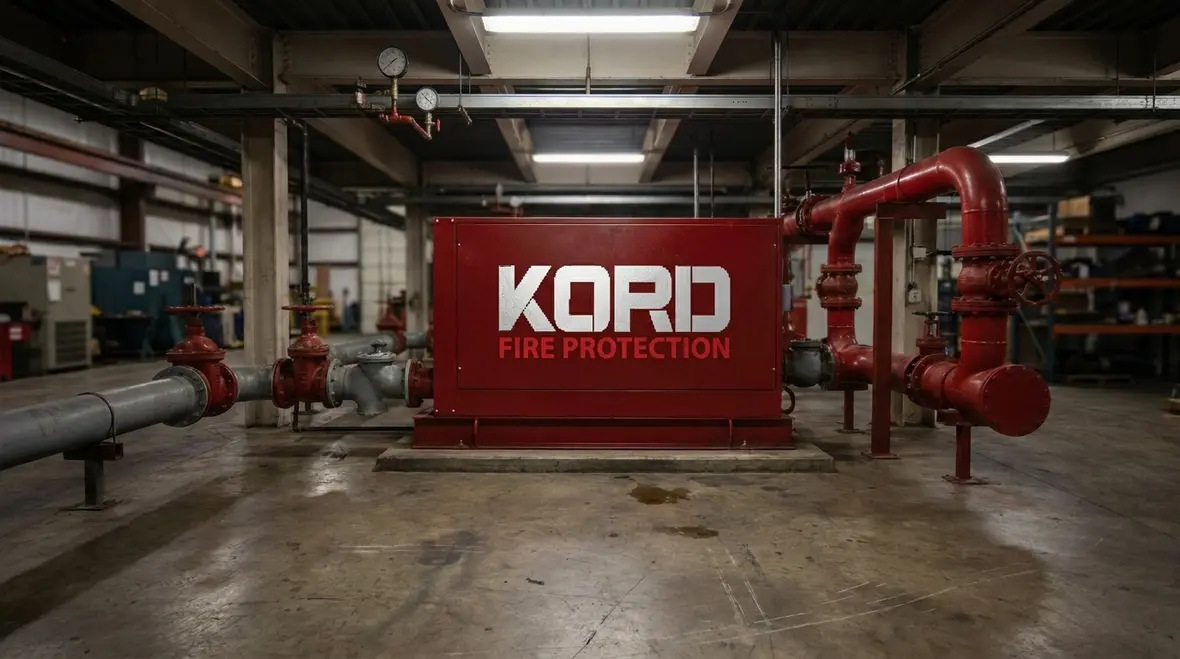
How these supply types usually play out on site
Municipal mains can work well where the network is strong and predictable, but that confidence should come from verified data, not optimism. Fire pumps become important where added pressure is needed or where the source exists but cannot meet peak spray demand on its own. Dedicated tanks are especially useful when the site needs a set reserve for a defined duration. Combination systems often provide the best resilience because they reduce the chance that one weak link takes the whole plan down with it.
If your design review also touches pump setup, acceptance, or performance checks, Kord Fire Protection’s article on NFPA 20 Chapter 14 fire pump acceptance testing requirements gives useful context for how pump support ties back to dependable water delivery.
How a Site Can Check Compliance
To see whether a water supply fits NFPA 15 acceptable water supply spray systems, the site must compare actual supply performance against the system design. First, it needs a flow test or supply data. Then it needs a hydraulic review to confirm pressure loss, pump performance, and discharge demand. After that, it should confirm the duration of supply for the hazard.
That process should also account for future site changes. A retail expansion, a new process line, or added equipment can change water demand. Therefore, a system that looked fine two years ago may now be living on borrowed time. Not ideal.
A practical review sequence
Collect current water supply data from testing, utility records, tanks, and pump documentation.
Compare that data to the actual spray system demand, not the guessed demand from three projects ago.
Review friction loss, elevation, control valves, and any equipment that changes available pressure.
Confirm the supply lasts for the full required duration for the hazard being protected.
Recheck the arrangement after site changes, hazard upgrades, or layout modifications.
Why Kord Fire Protection Matters on This Job
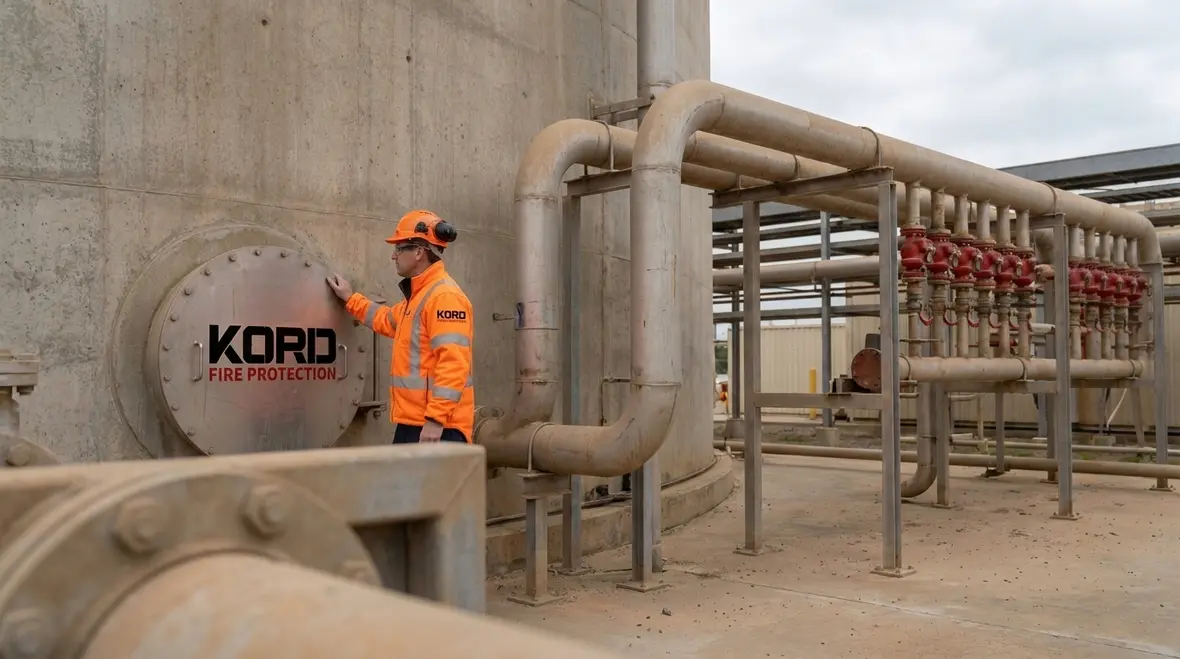
Kord Fire Protection can become a vital partner because these systems need more than parts. They need judgment, design skill, and long term care. Kord Fire Protection can assess the current water supply, identify weak points, and help match the supply to the spray system demand. That saves time, reduces guesswork, and supports better compliance outcomes.
For industrial and commercial operators, this support matters during upgrades, audits, maintenance shutdowns, and new builds. Kord Fire Protection can help with system design, water supply reviews, and ongoing servicing so the protection stays ready. In other words, they help make sure the system does not act brave on paper and shy in real life.
For broader technical background, it also helps to review Kord Fire Protection’s guide on NFPA 15 enhancing fire safety with water spray fixed systems, especially when a project needs water supply choices tied back to overall spray system intent.
Dual View of Water Supply Options and Site Risk
Here is a simple view of how supply choice and site risk often line up.
Water Supply Option | Best Fit When |
|---|---|
Municipal mains | The local supply can reliably meet flow and pressure needs |
Fire pump added to mains | The site needs higher pressure or steadier delivery |
Stored tank supply | The hazard needs a dedicated reserve with set duration |
Combined supply | The site needs stronger resilience and backup protection |
That table is useful, but the real answer always comes from the hazard, the hydraulics, and the actual site conditions. A neat chart never stopped a bad design from being bad.
Common Mistakes That Cause Trouble
One common mistake is assuming the existing water main will always be enough. Another is failing to test pressure under real demand. Sites also get into trouble when they forget that valves, pumps, tanks, and controls need maintenance too. A supply is only acceptable if it works on the day of the test and the day of the incident.
Another issue comes from poor planning during site changes. New process gear, extra storage, or altered building layouts can increase hazard or water demand. So, any review should look at the whole site, not just the shiny bits that make the monthly meeting feel productive.
Mistakes that deserve a second look
Treating historic flow test data like it never ages.
Skipping pump performance checks when system demand has changed.
Ignoring maintenance on control valves, tank components, and supervisory features.
Assuming “available water” automatically means “acceptable water supply.”
Reviewing one isolated component instead of the complete water delivery path.
FAQ
Conclusion
NFPA 15 acceptable water supply spray systems are only as strong as their source, design, and upkeep. For Australian industrial, retail, and commercial sites, Kord Fire Protection can help turn a compliance task into a reliable safety asset.
If the site needs a water supply review, system upgrade, or full spray protection support, now is the time to act. A capable spray system is great. A capable spray system with a proven water supply is a whole lot better.

Join Our Newsletter!
Get the latest fire safety tips delivered straight to your inbox From our Newsletter.



