NFPA 15 Section 10.1: Certification for Water Spray System Acceptance
Quick Answer: NFPA 15 Section 10.1 requires a proper certification step before a water spray system is accepted. In plain terms, the system must prove it was installed, inspected, tested, and performs as designed. For industrial, commercial, and retail sites across Australia, this process helps reduce risk, support compliance, and keep people and assets protected.
For facilities that need broader support around inspections, suppression, sprinklers, and readiness, full fire protection services can fit naturally into the conversation once acceptance planning starts taking shape.
Why NFPA 15 certification water spray acceptance matters
NFPA 15 certification water spray acceptance sits at the heart of a reliable fire protection program. It confirms that a water spray system will do what it was built to do when heat, flame, or exposure arrives like an unwelcome guest who never got the memo. In facilities across Australia, this matters for warehouses, plant rooms, manufacturing lines, fuel areas, and other high risk spaces where speed and control can make all the difference.
Section 10.1 sets the standard for proving the system is ready for service. Therefore, the focus is not just on hardware. It is on proof. The system must be checked against design intent, flow needs, coverage, controls, and the full install scope. As a result, acceptance becomes the bridge between construction and real protection.

What Section 10.1 expects during acceptance
NFPA 15 Section 10.1 requires clear evidence that the water spray system meets the approved design. In practice, this means the contractor, owner, and fire protection team must verify key parts of the installation before handover. The process often includes inspection, testing, documentation, and sign off.
To keep the process grounded, the main checks usually include:
- Correct installation of nozzles, piping, valves, and controls
- Proper coverage of the protected hazard or equipment
- Reliable water supply and pressure performance
- Functional alarm and release device checks
- Evidence that the system matches the approved drawings and specs
So, the goal is simple. If the system says it can protect the asset, it must show its work. No bluffing. No stage magic. Just tested performance.
Core acceptance checkpoints
Every acceptance review works best when the basics are treated like non negotiables. Nozzle orientation, spacing, valve identification, trim, and water delivery details all matter because one overlooked detail can ripple through the whole system.
What teams are really proving
The team is proving the installed system matches the approved intent in the real world, not just on paper. That includes showing the protected hazard has proper spray coverage and that the controls respond in a dependable, repeatable way.
How the acceptance process usually works
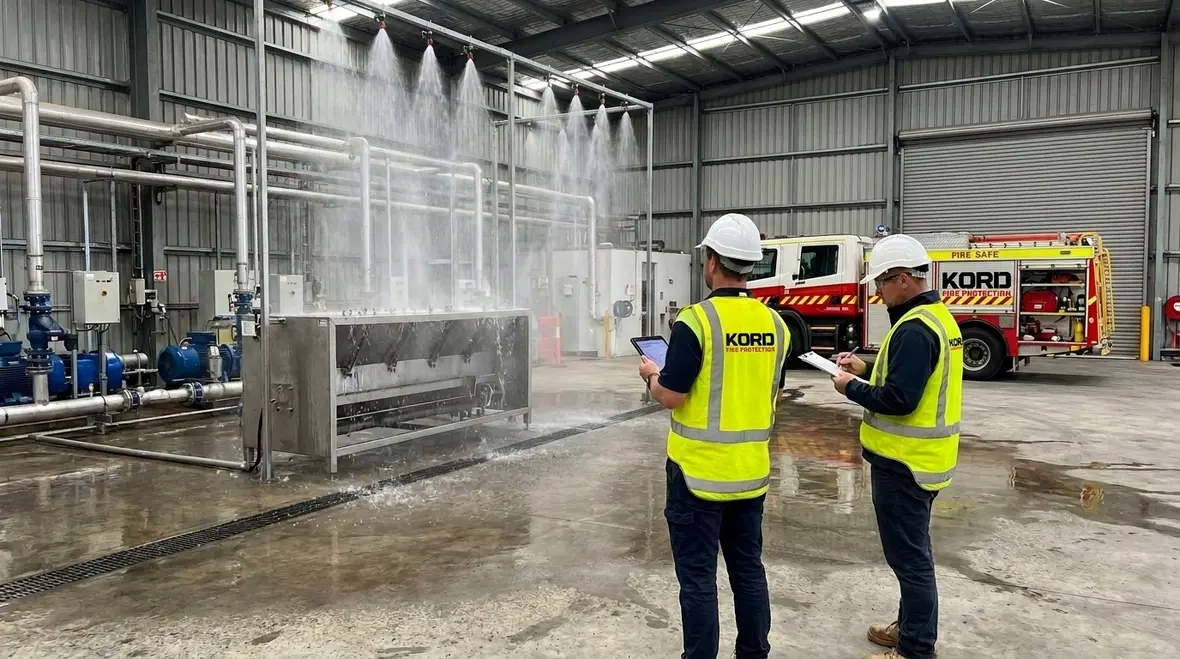
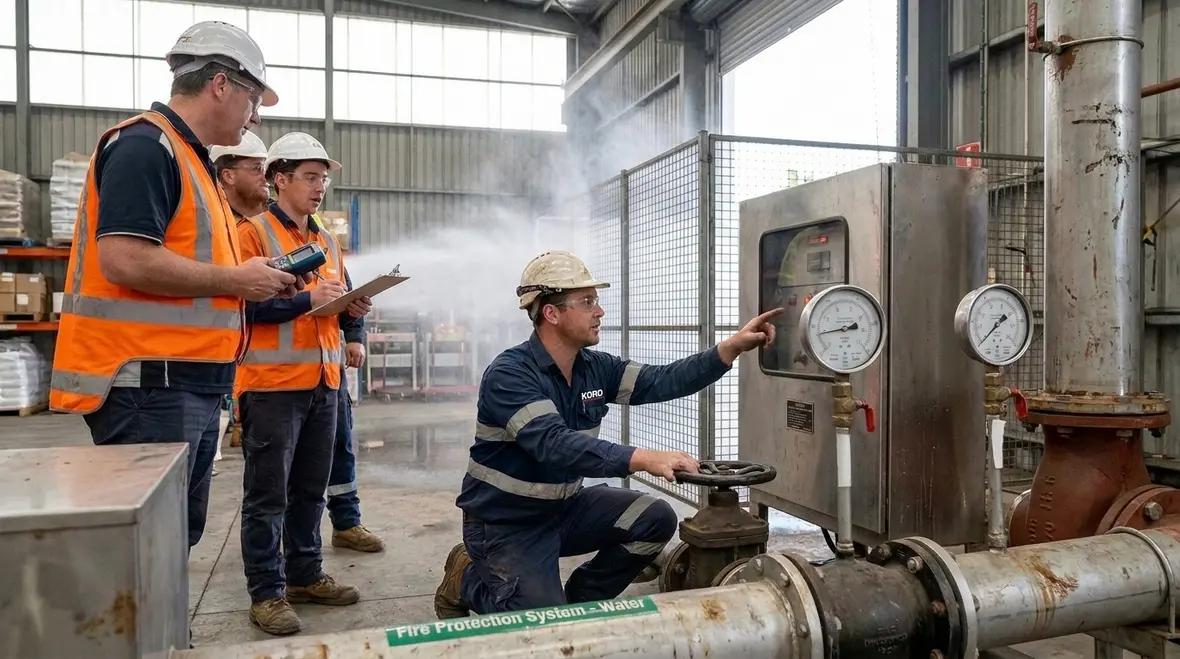
Acceptance does not happen in one quick visit. Instead, it follows a structured path that helps catch mistakes before they become expensive problems. First, the installed system gets inspected. Next, it undergoes operational tests. Then, the results are compared to the design documents and the project requirements.
In many projects, the process also includes witnessing by the owner, consultant, or authority having jurisdiction. Consequently, everyone involved gets a clear view of how the system responds. This matters because a small miss during commissioning can turn into a big headache later, and nobody wants that plot twist.
A practical sequence that keeps surprises small
Most teams move through acceptance in a logical order. They confirm installation details, verify hydraulic and water supply conditions, test initiating and releasing functions, and review supporting records. That rhythm matters because rushing straight to the final demonstration without the prep work is a bit like baking a cake and skipping the oven. Ambitious, sure. Effective, not so much.
When that sequence is followed well, the acceptance stage becomes less dramatic and more predictable. It also gives the owner confidence that any defects, adjustments, or missing information can be handled before the project reaches the finish line.
What Kord Fire Protection can bring to the job
Kord Fire Protection can become a vital partner in NFPA 15 certification water spray acceptance because the work demands more than basic installation. It requires technical skill, field discipline, and a calm hand when schedules get tight. That is where an experienced partner earns real value.
Kord Fire Protection can support the job by helping with system review, site checks, testing coordination, and closeout documentation. In addition, they can help reduce delays by spotting issues early, before the final acceptance stage turns into a last minute scramble. For industrial and commercial sites, that kind of support can save time, money, and a fair bit of stress.
If you want a broader look at water spray protection itself, NFPA 15 and water spray fixed systems offers useful context that pairs naturally with the acceptance and certification side of the discussion.
| Project need | How Kord helps |
|---|---|
| Compliance review | Checks the system against NFPA 15 acceptance needs and project scope |
| Testing support | Coordinates practical tests and helps document results clearly |
| Handover readiness | Confirms the system is ready for certification and operation |
| Issue resolution | Identifies gaps early so corrections happen before final sign off |
Why documentation can make or break acceptance
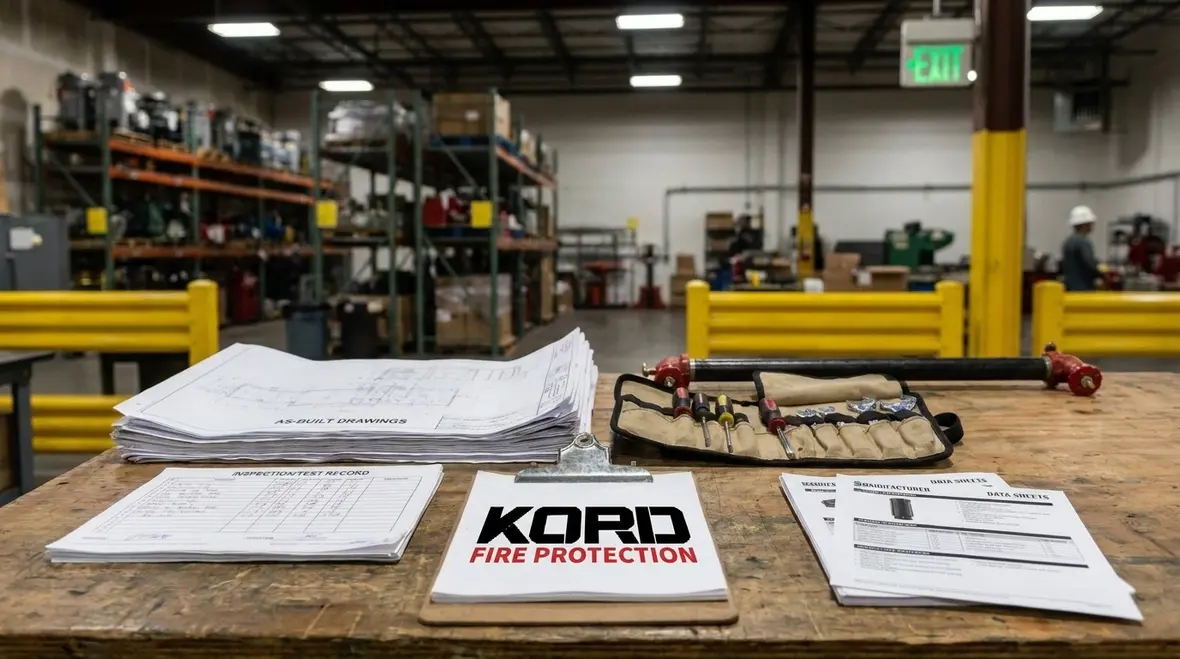
Strong documentation is not paperwork for paperwork’s sake. It proves the system passed the right checks. Without it, a project can look complete while still missing the proof needed for acceptance. Therefore, test records, as built drawings, equipment data, and inspection notes all carry real weight.
For facilities teams, this record trail also helps later during maintenance, audits, upgrades, or incident reviews. In other words, good documents do not just help today. They also help the next person who walks into the plant room at 6 a.m. with a clipboard and a serious face.
Documents that usually matter most
- Inspection and test records that show what was verified
- As built information reflecting the installed layout
- Equipment submittals and product data tied to the approved design
- Sign off notes that show outstanding items were resolved
- Closeout records that make future service and review easier
When those records are organized well, acceptance moves faster because fewer people are left hunting through emails, folders, and mystery attachments that somehow ended up named final final revised actual final.
How this supports Australian industrial and commercial sites
Across Australia, many facilities depend on water spray systems for exposure protection, equipment cooling, or fire control in high risk areas. These sites often run complex operations with tight shutdown windows and strong safety demands. As a result, acceptance work must stay practical, accurate, and efficient.
Because of that, NFPA 15 certification water spray acceptance should fit into the broader site safety plan. It should support operations, not interrupt them more than needed. With the right fire protection partner, the process becomes smoother, the risk drops, and the system enters service with greater confidence.
Why this matters beyond the handover date
A clean acceptance process has benefits that last well beyond commissioning day. It creates a stronger baseline for maintenance, future alterations, internal audits, and training. It also reduces the chance that the site inherits hidden deficiencies that only become obvious after the system is expected to perform under pressure. That is not the kind of surprise anyone wants on their calendar.
FAQ
Final thoughts for facilities ready to move forward
NFPA 15 certification water spray acceptance is not just a final step. It is the proof that a protection system is ready to perform when it matters most. For facilities that want fewer delays and stronger compliance, Kord Fire Protection can be the steady partner that helps get the job done right.
Reach out and make the final handover feel less like chaos and more like control. When acceptance is handled with care, the site gets more than a sign off. It gets confidence, clarity, and a system that is ready to back up its promises when the pressure is on.

Join Our Newsletter!
Get the latest fire safety tips delivered straight to your inbox From our Newsletter.