
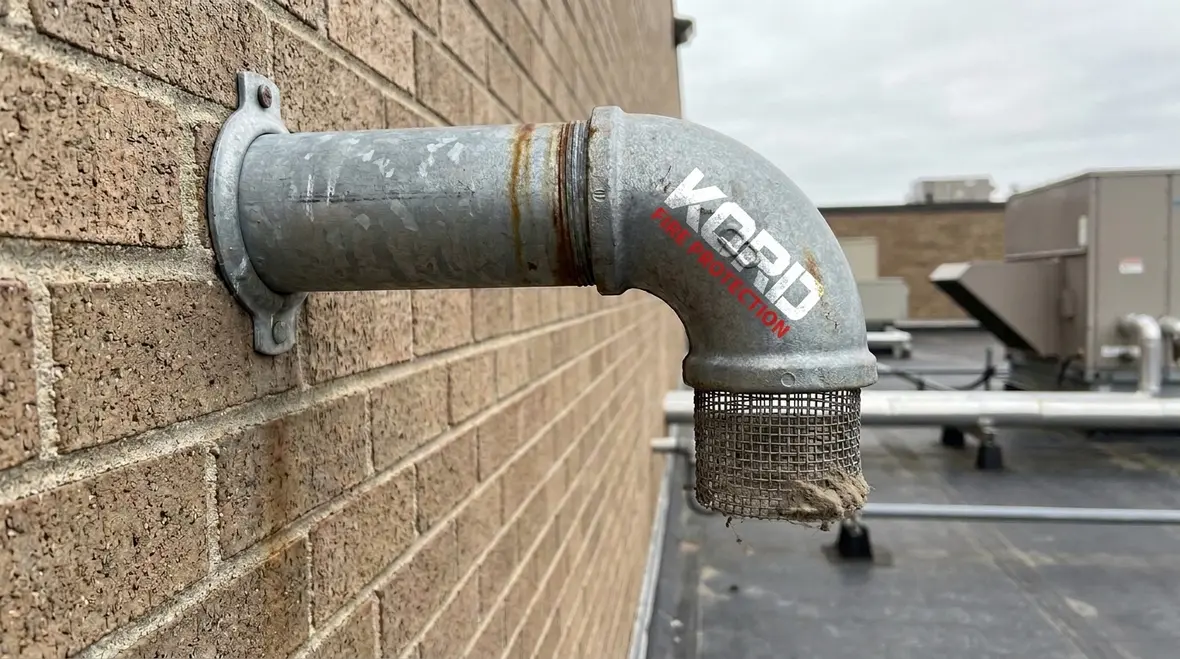
NFPA 31 Section 8.6: Tank Vent Piping Requirements
Quick Answer: NFPA 31 Section 8.6 sets the design and installation controls for vent piping serving oil storage tanks. It focuses on preventing unsafe pressure or vacuum conditions, limiting flame spread risk, and ensuring venting remains unobstructed and serviceable. Compliance depends on correct routing, materials, and inspection readiness.
If you’re tightening up the wider installation picture too, it helps to pair vent piping review with a broader oil-burning equipment installation guide so tank vent details are not evaluated in isolation.
Why NFPA 31 tank vent piping requirements matter in real facilities
NFPA 31 tank vent piping requirements exist to manage the pressure and airflow behavior of fuel tanks under normal operating conditions and upset events. In commercial, industrial, and retail installations, vent systems also determine how reliably tanks can expand and contract with temperature change, pump operation, and drawdown. A vent that is improperly sized, incorrectly routed, or prone to blockage can contribute to tank deformation, erratic burner performance, and unsafe release pathways.
In practice, facility teams often discover vent nonconformities during commissioning, service call follow-ups, or compliance audits. Common drivers include retrofit piping, changed tank location, altered burner room layouts, and late modifications to fuel piping that ignore the original vent intent. Early verification of vent piping design reduces downtime and prevents recurring inspection failures.
Section 8.6 scope: what tank vent piping controls
Section 8.6 governs how tank vents connect to the tank and how the vent piping system routes from the tank to the designated discharge point. The requirements aim to ensure the tank can breathe without creating excessive internal pressures or damaging vacuum conditions. The vent path must also remain protected against conditions that can lead to ignition or flame propagation, especially where the vent discharge could be exposed to external ignition sources.
For ongoing compliance programs, the scope typically includes verification of the following operational control points:
- Proper connection to the tank in accordance with the system design intent
- Correct vent termination arrangement and discharge location
- Vent piping materials and installation methods consistent with NFPA 31 expectations
- Vent openings maintained clear so airflow is not restricted
- Inspection access and maintenance feasibility for the vent components
How tank vent systems behave during normal operation and upset conditions
A tank vent system is not passive in impact. During heating and cooling cycles, fuel volume changes create a need for controlled pressure relief and air movement. When burners start, fuel is drawn and the tank experiences a pressure change. If venting cannot keep up, the tank may see elevated pressure or excessive vacuum. Either condition can cause problems such as:
- Reduced burner reliability due to inconsistent fuel delivery pressures
- Stress on tank fittings and associated piping connections
- Increased likelihood of leak paths developing around components
- Higher risk of venting malfunction from condensation, debris, or incorrect termination design
In many commercial buildings, vent issues do not always appear immediately. They develop over time due to condensation, soot and dust accumulation, insect activity near terminations, or construction changes that affect airflow around discharge points. Maintenance must treat the vent system as a living component, not a one time installation detail.
Key installation and protection considerations under NFPA 31
NFPA 31 tank vent piping requirements address installation features that prevent both mechanical failure and ignition risk. The most frequent compliance challenges usually relate to termination configuration, routing constraints, and component compatibility with oil service conditions.
1) Correct routing and avoidance of blockage
Vent piping must maintain a clear flow path. Improper routing can create low points where condensation collects or can encourage accumulation of debris. Sags and sharp directional changes can also slow airflow, increasing restriction likelihood. In practical facility terms, design and maintenance teams should confirm:
- The vent run does not trap liquid or encourage persistent condensation pockets
- The vent remains unobstructed where it passes through mechanical spaces or near service areas
- Any protective features do not choke airflow during winter operation or high burn demand
2) Termination and external exposure management
The termination should support safe venting during normal operation while managing external ignition risks. In retail and commercial plant rooms, terminations can end up too close to doors, soffits, or areas where personnel work. They can also be placed where prevailing winds promote reentry of vapors toward building openings. Verification should include what the vent discharge actually does under real site conditions such as snow cover risk, wetting exposure, and access restrictions that can lead to temporary coverings.
3) Protection devices and flame control intent
Where protection features are used, they must match the intent of the standard and be installed in a manner that does not defeat venting performance. A common failure point involves incorrect substitution of components during maintenance. When a replacement part changes airflow characteristics or introduces clogging potential, the vent may become ineffective, and the tank may enter pressure imbalance. Compliance efforts should standardize parts selection and require documentation for any replacement device.
4) System compatibility during alterations
Many facilities undergo upgrades: burner replacements, piping reroutes, pump swaps, tank relocation, and changes to fuel handling logistics. These scope changes often trigger unintended effects on the vent system. A thorough NFPA 31 compliance review should treat vent piping as part of the integrated fuel system rather than a separate “as found” element. The review should confirm that the modified setup still satisfies NFPA 31 tank vent piping requirements for flow and safe discharge.
Common failure points seen during inspections and service visits
Commercial compliance teams repeatedly see the same patterns. Understanding these failure points helps facility owners prioritize preventive actions and reduce repeat findings.
Blocked or restricted vent outlets
Condensation, debris, and insect activity can restrict vent flow. Even partial restriction can create pressure instability, especially in high cycling seasons. Vent obstruction can be hard to notice without targeted inspection.
Incorrect slopes and trapped condensate
Improper pitch or routing creates low points that retain liquid. Over time, retained liquid and sediment can narrow the effective vent path. The effect is often most visible during colder periods when condensation production increases.
Unauthorized component substitutions
Maintenance may replace vent components with “equivalent” items that do not match the original vent intent. Equivalency assumptions frequently become the root cause of noncompliance. The facility should require a documented match to the specified vent arrangement.
Termination placement issues after building changes
Plant rooms and external areas change with landscaping, construction, and accessibility upgrades. A vent termination that was safe at installation may become unsafe or obstructed after later work. Inspection programs should incorporate change management.
Operational checks and maintenance that support ongoing compliance
NFPA 31 compliance requires more than installation verification. It demands a maintenance mindset that keeps venting performance reliable. Facility teams should establish recurring checks that confirm the vent system remains functional and unimpeded.
- Visual inspection of vent piping for damage, improper support, and unintended modifications
- Verification that vent terminations remain clear and free of coverings, debris, or obstructions
- Assessment of condensation behavior and evidence of trapped liquid along the vent run
- Documentation review for any fuel system alteration that could influence vent performance
- Component verification against the original design intent and any manufacturer guidance
To connect vent performance to the wider fuel system installation quality, facility leaders often benefit from a broader installation review. Kord Fire Protection provides practical guidance on oil burning equipment installation practices that align with common NFPA 31 compliance expectations. See: NFPA 31 a practical guide to oil burning equipment installation.
For facilities that operate across multiple sites or have frequent service turnovers, Kord Fire Protection supports consistent compliance outcomes through structured inspections, test preparation, and ongoing maintenance coordination. This approach reduces the risk of venting system drift over time and helps maintain defensible compliance records. For related perspective on code-driven substitutions and why “close enough” usually isn’t, see NFPA 31 Section 1.5 equivalency options under the oil burner code.
Frequently Asked Questions
Get vent system compliance verified before the next audit
Tank vent issues often appear after seasonal changes, renovations, or component swaps. Kord Fire Protection can review your installed vent piping against NFPA 31 tank vent piping requirements, identify common failure risks, and support maintenance planning so the system stays reliable. Contact Kord Fire Protection to schedule a targeted inspection and produce a clear, actionable compliance plan for commercial oil storage and burner rooms.

Join Our Newsletter!
Get the latest fire safety tips delivered straight to your inbox From our Newsletter.



