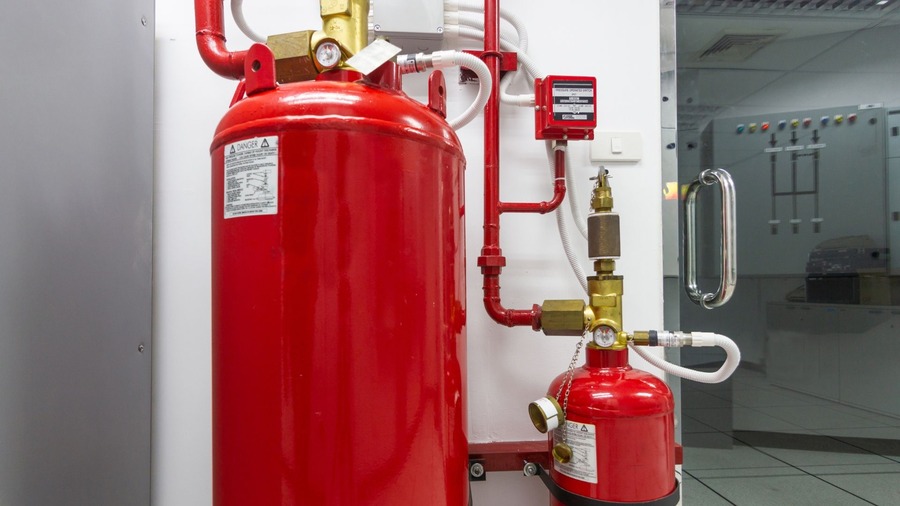
NFPA 15 Section 11.1 General Inspection Testing Maintenance
Quick Answer: NFPA 15 Section 11.1 sets the baseline for keeping water spray systems ready to perform when heat, flame, or process risk shows up. It covers regular inspection, testing, and maintenance so industrial, retail, commercial, and facility teams can spot trouble early, stay compliant, and avoid a very expensive surprise.
When a NFPA 15 inspection testing maintenance water spray program runs well, it does more than tick a box. It protects people, assets, and operations from damage that can halt a site faster than a power cut during a live broadcast. For facilities that depend on water spray systems for hazard control, Section 11.1 gives a clear framework for routine care. It also helps teams keep systems reliable, ready, and aligned with site safety goals. And yes, the system should not be treated like that one office coffee machine that only gets attention when everyone is desperate.
If your team is already planning broader system upkeep, it makes sense to align this work with a professional fire sprinkler system service strategy so inspection, repair, and readiness do not end up living in separate silos.
What NFPA 15 Section 11.1 requires
Section 11.1 focuses on general inspection, testing, and maintenance for water spray systems. In simple terms, the standard expects owners and operators to check that the system stays in proper working order at all times. That means routine checks, functional testing, and maintenance work must happen on schedule, not after a fault appears.
The purpose is clear. First, the system must remain ready to discharge water at the right place and pressure. Second, its components must stay free from damage, blockage, or wear. Third, the site must keep records that show the system has been cared for properly. This matters because a system that looks fine on the outside can still hide corrosion, valve issues, or nozzle blockages. Fire systems, like old movie villains, rarely announce themselves before the trouble starts.
How inspection and testing keep systems dependable
Inspection and testing work together. Inspection finds visible problems. Testing confirms that the system still works under real conditions or close to them. Together, they protect the performance of the entire water spray setup.
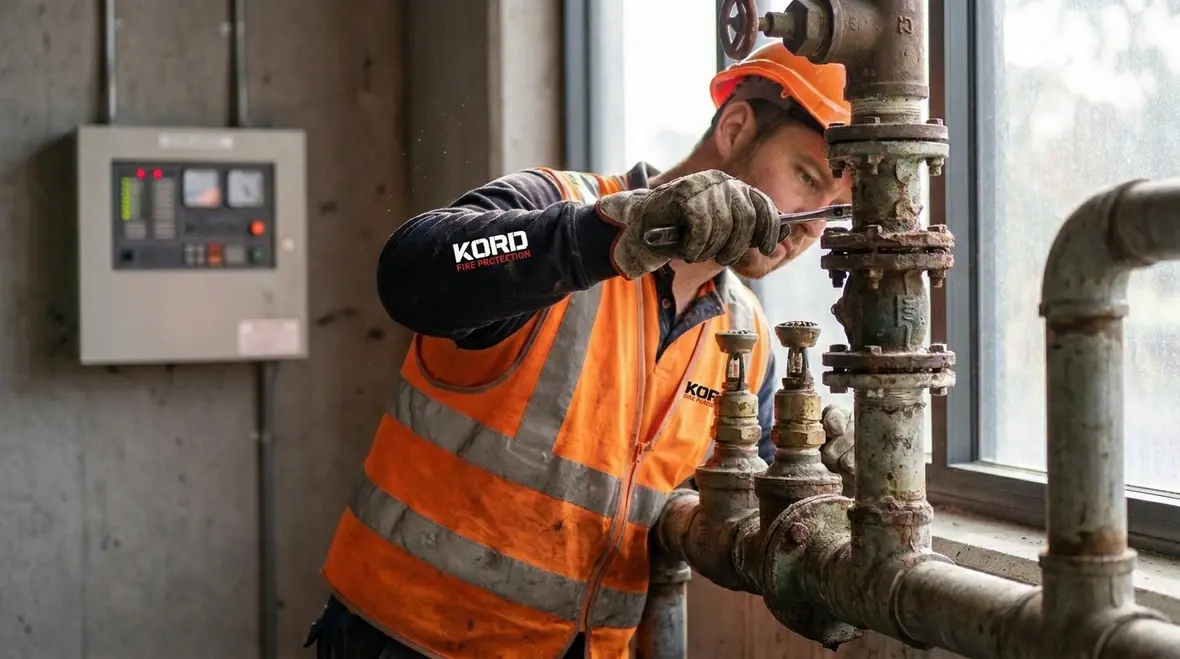
During inspection, technicians may look at valves, piping, supports, nozzles, alarms, pumps, and control parts. They also check for leaks, damage, missing labels, tampering, or signs of corrosion. Meanwhile, testing verifies flow, pressure, alarm response, valve operation, and other key functions. As a result, small issues can be fixed before they become system failures.
Common checks in a NFPA 15 inspection testing maintenance water spray program include:
- Visual checks for corrosion, leaks, and physical damage
- Valve position checks and control verification
- Spray nozzle condition and cleanliness
- Pump and water supply performance
- Alarm and supervisory signal checks
- Pressure and flow testing
- Record review and maintenance follow up
That list may sound straightforward, but the real value is in consistency. A single missed blockage or a valve left in the wrong position can quietly undo the reliability of the entire arrangement. Water spray systems are generous with water, not with second chances.
Why maintenance matters for industrial and commercial sites
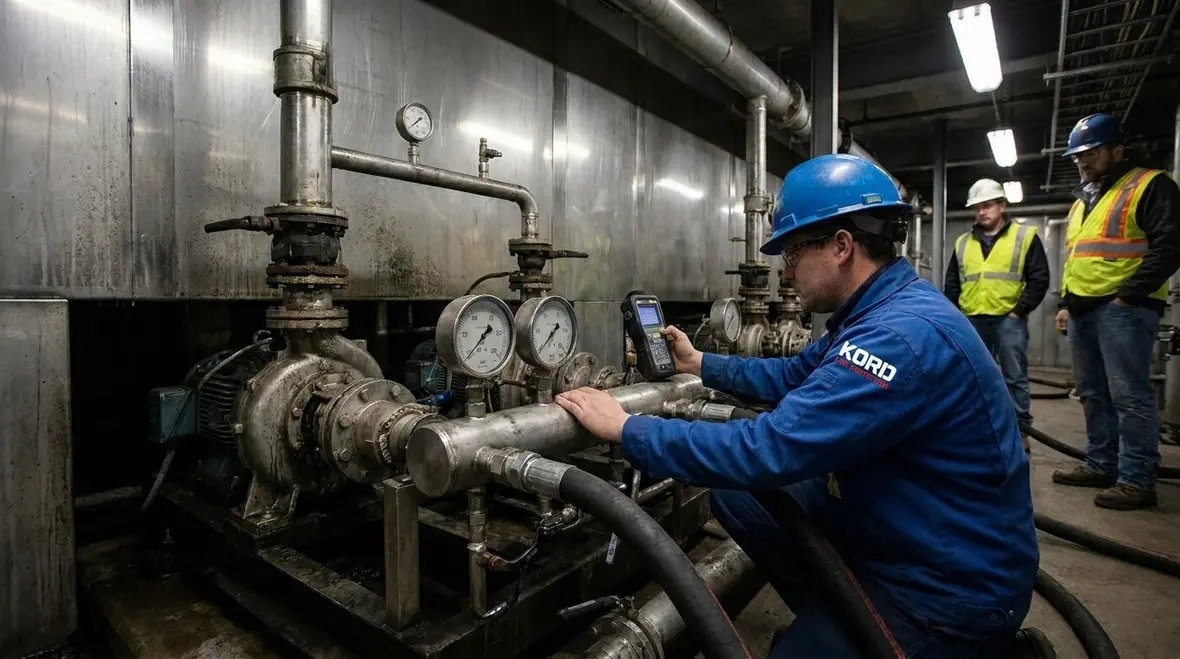
Maintenance is where reliability becomes real. A system can pass one inspection and still fail later if it is not maintained properly. In industrial and commercial settings, that risk can mean lost stock, shutdowns, equipment damage, and safety exposure.
Water spray systems often protect high risk assets such as fuel systems, transformers, process equipment, cable runs, and special hazards. Because of that, maintenance must match the risk level of the site. A busy retail distribution centre, for example, may need very different planning than a manufacturing plant with heat and dust in the air. Either way, the goal stays the same: keep the system ready to act fast and work as designed.
To keep things practical, many sites use a planned maintenance schedule that covers routine servicing, fault repair, and periodic deeper checks. This keeps the site ahead of problems instead of chasing them after the alarm sounds. That is usually cheaper too, which never hurts.
Sites with vibration, dust, moisture, chemical exposure, or heavy traffic usually need even tighter discipline. Those environmental factors do not politely wait until the next convenient calendar window. They keep working in the background, which means your maintenance plan has to work in the foreground.
What a compliant program usually includes
A strong compliance program under NFPA 15 Section 11.1 should go beyond a quick look around. It should include a clear schedule, trained technicians, proper tools, and written results. In other words, the system needs a plan, not wishful thinking.
Dual column view of key service elements and why they matter
| Service element | Why it matters |
|---|---|
| Routine inspection | Finds visible faults early |
| Functional testing | Confirms the system responds as intended |
| Preventive maintenance | Reduces wear and delays breakdowns |
| Corrective repairs | Fixes problems before they spread |
| Documentation | Supports compliance and audit readiness |
A dependable program also separates responsibilities clearly. Someone should own scheduling. Someone should verify corrective work closes out properly. Someone should review records for patterns, not just file them away and hope the cabinet radiates accountability. When roles are blurry, missed tasks tend to become everyone else’s problem.
How Kord Fire Protection supports this service
Kord Fire Protection can become a vital partner in this work because this service needs more than a toolbox and a clipboard. It needs experience, consistency, and a sharp eye for risk. Kord Fire Protection can help facilities plan, inspect, test, maintain, and document their water spray systems so the site stays safer and better prepared.
Just as important, Kord Fire Protection can help reduce downtime by scheduling work around operations and responding quickly when defects appear. That support matters across industrial, retail, and commercial sites where interruption can ripple through supply, sales, and safety. When a facility manager needs confidence, Kord can bring it with professional servicing that keeps the system ready for the moment it is truly needed. Think of it as having the serious firefighter energy without the dramatic siren in the background.
Teams looking for more background on water spray protection can also review NFPA 15: enhancing fire safety with water spray fixed systems, which gives helpful context for how these systems are meant to protect critical hazards in the first place.
How often should sites review water spray systems
The right schedule depends on the site design, risk profile, operating conditions, and applicable standards. However, no system should sit untouched for long. Regular review helps teams catch wear from vibration, dust, heat, moisture, and general use.
Sites should also review after any change to the process area, pipework, nozzle arrangement, pump setup, or water supply. In addition, any alarm event, leak, or discharge should trigger a follow up check. That way, the system remains tied to the current site layout, not the layout from three renovations ago when everyone still thought “temporary” meant six months.
That review rhythm matters because system risk changes with operations. Equipment moves. Storage practices shift. Production loads increase. Even small layout changes can alter exposure or obstruct spray patterns. If the site evolves, the inspection and maintenance plan has to evolve with it.
Why compliance protects more than equipment
Compliance protects people, operations, and reputation. A well maintained water spray system can limit fire spread, support emergency response, and reduce loss. It also helps a business show due care during audits, insurance reviews, and incident investigations.
For facilities, that matters in a real way. Industrial plants, shopping sites, warehouses, and commercial complexes all face pressure to stay open, safe, and insured. Therefore, NFPA 15 Section 11.1 should be treated as part of everyday risk control, not a one time admin task.
The payoff is not just compliance paperwork. It is operational confidence. It is fewer nasty surprises. It is a better chance that if a hazardous event occurs, the system responds the way the design intended instead of choosing that exact moment to become abstract art.
FAQ
Conclusion
NFPA 15 Section 11.1 gives facilities a clear path to safer, more reliable water spray protection. For teams that want less guesswork and more confidence, Kord Fire Protection can be the partner that keeps systems ready, records tidy, and risk under control.
If the site depends on performance, now is the time to schedule a professional inspection and keep protection working as it should. Good systems deserve good upkeep, and this is one area where “we will get to it later” is rarely a winning strategy.

Join Our Newsletter!
Get the latest fire safety tips delivered straight to your inbox From our Newsletter.