NFPA 15 Equivalency Alternative Compliance Under Section 1.5
Quick Answer
NFPA 15 Section 1.5 allows a project to use an equivalent solution when it delivers the same level of fire protection and safety. In plain terms, NFPA 15 equivalency alternative compliance gives facilities room to meet the code intent with smart, site specific design. Kord Fire Protection can help prove, document, and deliver that path with confidence.
When a site must protect industrial plant, retail stock, or a busy commercial facility, the code does not always demand one single route. In fact, NFPA 15 equivalency alternative compliance can open the door to a practical solution that still meets the same safety goal. That matters across Australia, where plant layouts, water supply limits, and operational risks can vary wildly. One warehouse may look like a scene from a logistics documentary, while another feels like a maze designed by a sleep deprived architect. Either way, the fire protection plan has to work.
Section 1.5 of NFPA 15 gives the approval path for equivalent systems, methods, and materials when they can show equal performance. Therefore, the focus shifts from “copy the standard” to “prove the result.” That is where a strong partner becomes vital, because good equivalency is not guesswork. It is engineering, evidence, and clear communication. Facilities that already rely on full fire protection services often find this route easier to manage because design, documentation, inspection readiness, and system follow through stay connected from start to finish. That kind of coordination can save a project from the classic fate of having six opinions, three markups, and one very tired project manager.
What NFPA 15 Section 1.5 Means for a Project
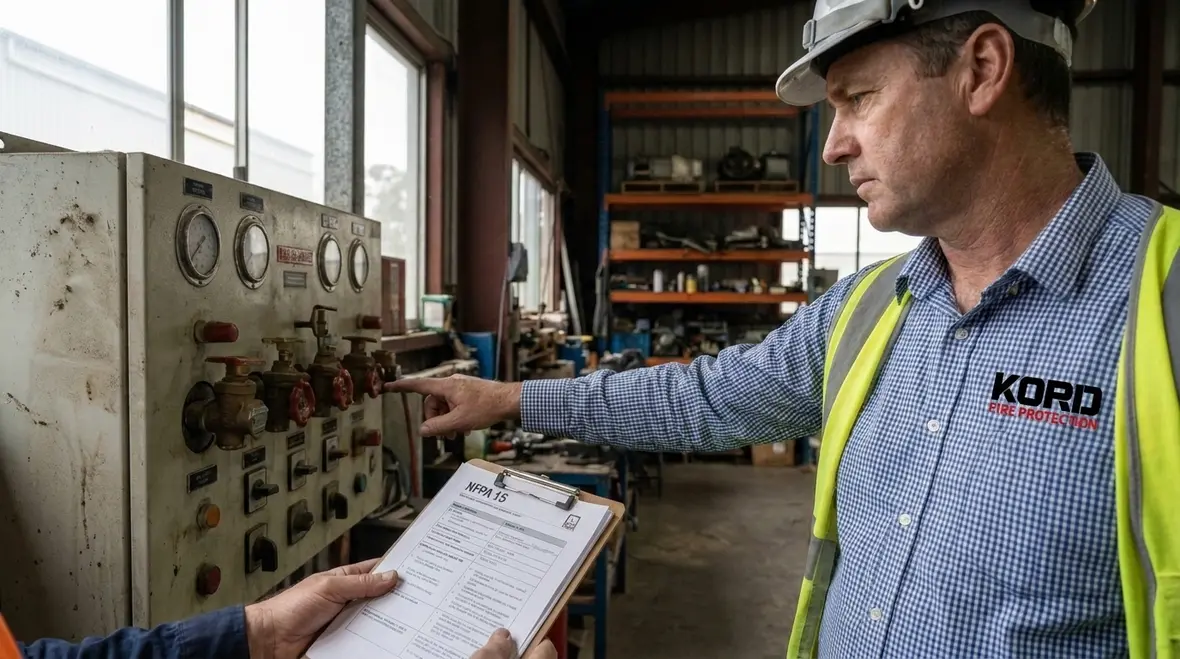
Section 1.5 is the flexibility clause with a serious job. It allows an authority having jurisdiction to accept a design that differs from the prescriptive text if it provides the same level of protection. In simple terms, the project team can propose another path, as long as it performs like the code expects.
This matters because facilities often face real world limits. Water storage may be tight. Plant equipment may block a standard nozzle layout. A retrofit may need to protect live operations. So, instead of forcing a rigid design into a stubborn space, the team can show that an alternate design still delivers proper discharge, coverage, and system response.
That distinction is important. Equivalency is not a free pass to improvise and hope for the best. It is a formal way to demonstrate that a different method still achieves the same fire protection outcome. If the standard route fits, great. If it does not, Section 1.5 creates room for a design that respects the hazard, the building, and the actual operating conditions without pretending every site was built from the same cookie cutter drawing set.
Where NFPA 15 Equivalency Alternative Compliance Fits
NFPA 15 equivalency alternative compliance comes into play when a site cannot follow the exact prescriptive route, yet still needs a code aligned outcome. It may involve another nozzle arrangement, a different control approach, or a design based on performance data and engineering analysis.
It is especially useful in industrial, retail, and commercial environments where hazards are real but layouts are rarely polite. Existing equipment might create awkward shadow areas. Water supply might support one strategy better than another. Operational continuity may limit how much of the site can be altered during construction. In those cases, the best answer is not always the most obvious prescriptive answer. It is the one that can be justified clearly and proven thoroughly.
- A clear description of the site risk
- The exact code provision being replaced
- The equivalent method or material proposed
- Evidence that it performs as well or better
- Documentation for the fire authority or certifier
That sounds simple enough, but the paperwork can move from “reasonable” to “please send help” very quickly. Still, with the right team, the process stays controlled and professional. A clean equivalency submission helps decision makers understand the risk, the logic, and the benefit without digging through a mountain of disconnected notes and marked up PDFs that seem determined to test everyone’s patience.
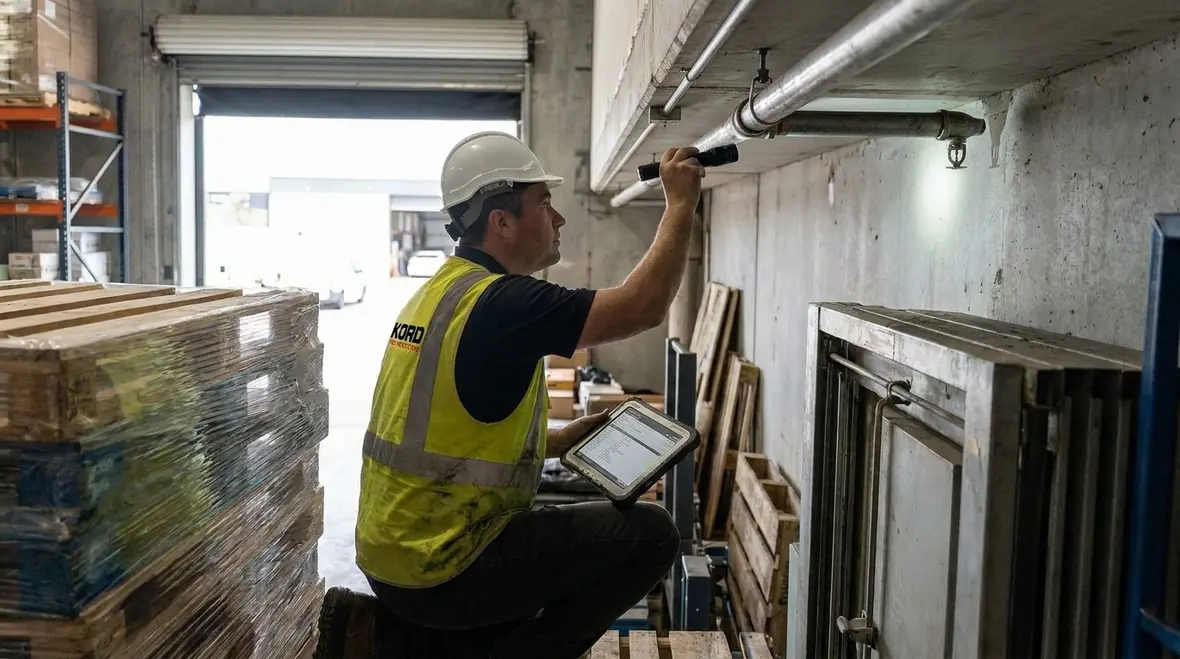
How a Dual Approach Helps the Approval Process
One side of the job is technical. The other side is practical. Both matter. A useful way to view NFPA 15 equivalency alternative compliance is through two parallel tracks.
Technical track
Here, the design team studies hazard type, discharge needs, nozzle performance, water supply, exposure risk, and system response. They compare the proposed solution against the intent of NFPA 15. Then they build the case for equivalency with data and calculations.
This is where sound engineering earns its keep. The team should be able to explain why the alternate layout works, how coverage is maintained, what assumptions were used, and how the system will behave under credible fire conditions. If the proposed design cannot survive real world scrutiny, it does not magically become stronger because someone put it in a nice report binder.
Approval track
Here, the team prepares the submission, explains the design logic in plain language, and answers questions from the authority. This step saves time, because a clear proposal avoids the usual “can you explain that again” loop that every project manager knows too well.
The approval side also benefits from context. Where useful, teams can reinforce their approach by connecting it with related system strategy, such as centralizing automatic fire protection controls when coordination and response logic are part of the bigger site picture. Not every reviewer wants a novel, but every reviewer does want a submission that is coherent, direct, and backed by evidence instead of confidence alone.
Why Kord Fire Protection Becomes a Vital Partner
Kord Fire Protection can play a vital role because equivalency work needs more than a standard install crew. It needs a partner that can think through the code, the site, and the end use of the building. In industrial, retail, and commercial settings, that support can protect the project from delays, redesigns, and avoidable cost.
- Early review of site constraints
- Design input for alternate compliance paths
- Coordination with builders, engineers, and facility teams
- Documentation for approval and audit trails
- Installation and commissioning aligned with the approved design
As a result, the project team gets a more direct route from concept to sign off. That matters when a shutdown window is short and the clock is not exactly feeling generous. It also helps when a project must tie equivalency reasoning back to broader system readiness, such as the practical guidance discussed in NFPA 15 water spray fixed systems, because alternate compliance only succeeds when the end performance remains dependable.

What Facility Teams Should Ask Before Choosing an Equivalency Path
Before a site selects NFPA 15 equivalency alternative compliance, it should ask a few direct questions. Will the proposed method protect the same hazard? Can the design survive the real site conditions? Will the authority accept the evidence? And will the system remain easy to maintain after handover?
These questions keep the project grounded. They also help prevent a flashy idea from becoming an expensive lesson. After all, fire protection should be dependable, not theatrical. Batman had style, but most facilities need something a little more practical.
It is also smart to ask who will maintain the system, how future inspections will be documented, and whether operations staff will understand what has been installed and why. An elegant alternate solution loses a lot of charm if nobody on site can support it after handover. Long term performance matters just as much as approval day.
NFPA 15 Equivalency Alternative Compliance Checklist for Australian Sites
- Define the hazard and the exact area of protection
- Confirm the code provision that needs an alternate path
- Gather engineering data and product evidence
- Test the idea against water supply and system limits
- Prepare a clean submission for approval
- Plan installation, testing, and ongoing maintenance
This checklist helps industrial, retail, and commercial sites move from uncertainty to action. Moreover, it keeps the project focused on performance rather than paperwork alone. A disciplined process makes it easier to compare options, explain tradeoffs, and keep the conversation centered on safety outcomes instead of design preferences.
For teams managing broader site risk, it can also help to review related planning topics like special hazard fire suppression so the equivalency path fits into the larger protection strategy rather than sitting off to the side like a last minute patch. Good projects are rarely built from isolated decisions. They work because the whole protection plan makes sense together.
FAQ
Conclusion
NFPA 15 Section 1.5 gives facilities a practical path when standard design rules do not fit the site. With the right evidence, clear documentation, and a capable partner, equivalency becomes a strength, not a shortcut.
Kord Fire Protection can help turn that flexibility into a safe, approved, and well executed fire protection outcome. For complex sites, that kind of support is worth its weight in confidence.

Join Our Newsletter!
Get the latest fire safety tips delivered straight to your inbox From our Newsletter.