
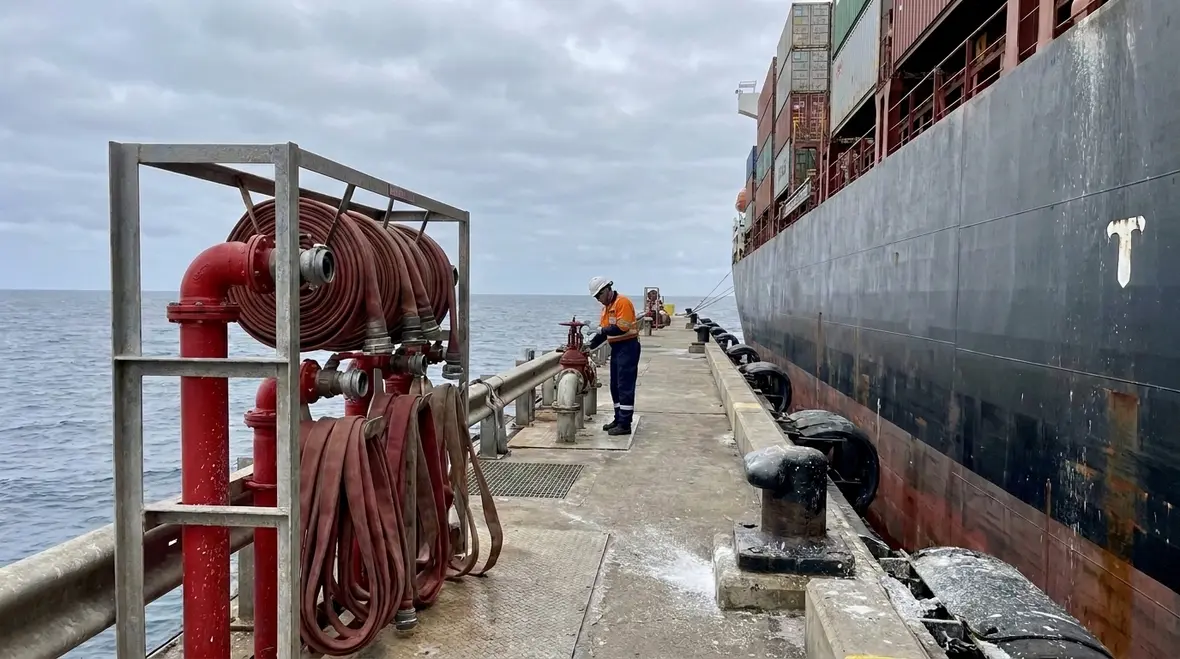
NFPA 14 Section 15.1: Where Maritime Standpipe Requirements Apply
Quick Answer: NFPA 14 Section 15.1 applies maritime standpipe requirements when an AHJ and facility scope involve vessels or marine-adjacent fire protection where standpipe and hose systems support manual firefighting operations. The rule focuses on the installation details, performance expectations, and maintenance needs specific to maritime environments.
For teams planning system details early, a useful related resource is Kord Fire Protection’s guide to standpipe plans and specifications submittals, which fits naturally with maritime scope review before design assumptions get expensive.
What Section 15.1 is trying to solve
NFPA 14 sets engineering and installation requirements for standpipe and hose systems. Section 15.1 narrows the conversation to maritime standpipe applications. In practical terms, the standard addresses the reality that marine environments, vessel operations, and onboard access patterns create different risks than typical land based buildings. That difference drives how piping, valves, hose stations, and water supply interfaces must work, and how facilities must keep them reliable over time.
For a maritime standpipe system application NFPA 14, compliance teams must confirm whether the occupancy and configuration fall under the maritime provisions, then apply the correct system details and inspection expectations before the system goes into service.
When do maritime standpipe requirements apply?
Section 15.1 applies when standpipe and hose systems serve maritime fire fighting needs where the configuration and operating context resemble shipboard or marine operations. That can include onboard standpipe/hose arrangements, marine terminals under maritime regulatory expectations, and other situations where the AHJ evaluates the system as maritime rather than strictly building interior.
Key triggers that typically lead to maritime classification
-
Vessel or onboard operations: Fire protection systems designed to support manual firefighting during vessel operations are frequently evaluated under the maritime provisions.
-
Marine environment conditions: Corrosion, vibration, salt air exposure, and constrained access influence material selection and maintenance practices.
-
Water supply and transfer considerations: Maritime water systems can include pumps, tank supplies, and interfaces that behave differently than municipal building mains.
-
Unique access and deployment patterns: Hose use, hydrant/connection locations, and operational paths can vary from typical commercial floors.
Because the exact boundary between building and maritime can be handled case by case by the AHJ, project teams should treat Section 15.1 as a classification checkpoint. Early confirmation reduces redesign risk when the system details must be revised for maritime performance and reliability.
How maritime standpipe systems differ in practical design
Maritime environments expose standpipe systems to failure modes that land based facilities can often minimize through standard materials and straightforward maintenance schedules. In a maritime standpipe system application NFPA 14, designers and maintainers must expect impacts from corrosion, vibration, intermittent service demand, and accessibility limitations.
Operational performance: valves, hose stations, and deployment
Maritime standpipe arrangements rely on immediate usability during an emergency. Systems must support rapid deployment by trained responders, and where applicable, by onboard personnel. That drives attention to:
-
Valve accessibility and labeling: Valves must be reachable under realistic conditions and configured for consistent operation.
-
Hose station layout and protection: Hose and nozzles must be stored to minimize damage while remaining ready for quick use.
-
Flow availability: The system must deliver dependable flow at the expected hose operating points under the maritime supply behavior.
Water supply reliability in marine settings
Onboard or marine-adjacent water supply can involve different pump strategies, storage tank behavior, and transfer equipment. Even when the standpipe piping looks similar, the supply side can be the limiting factor. Common design and maintenance gaps include:
-
Underspecified pump performance or curves: Pressure and flow delivered during standpipe operation must match hose stream demands.
-
Strainer and suction issues: Marine service can introduce debris and corrosion products that obstruct flow.
-
Cross connection control failures: Improper interface between maritime supply sources and the standpipe system can lead to reduced pressure or contamination risks.
If the supply side needs a deeper field reality check, Kord Fire Protection’s water supply guidance for standpipe systems is a natural companion to maritime design review.
What compliance looks like day to day: inspections, testing, and failure points
Standpipe compliance is not just installation paperwork. Maritime systems require disciplined inspection and testing to remain dependable after long service intervals, fluctuating environmental exposure, and operational wear.
Inspection and testing focus areas
For commercial service providers supporting ongoing compliance, the practical inspection lens typically includes these recurring checks:
-
Valves and moving parts: Confirm proper travel, leak tightness, and that valve operation matches the intended procedure.
-
Hoses and couplings: Inspect for deterioration, damage, and secure connection compatibility with station couplings.
-
Pipe condition and corrosion control: Verify that marine exposure has not compromised wall thickness, supports, or joining integrity.
-
Pressure and flow verification: Validate that performance aligns with design expectations, not historical assumptions.
Common failure points unique to maritime environments
Even well designed systems can fail when maintenance cycles or marine exposure patterns outpace the plan. Common issues include:
-
Stuck valves: Corrosion and salt residue can prevent full opening or cause partial flow restriction.
-
Damaged hose fabric or couplings: Mechanical handling, moisture ingress, and storage wear can degrade usable service life.
-
Support deterioration: Pipe supports exposed to vibration and corrosion can allow misalignment that impacts valve operation and hose station readiness.
-
Supply side degradation: Pump suction performance declines due to marine debris, scaling, or corrosion in wetted components.
To address these challenges, many commercial and industrial facility teams rely on recurring compliance service rather than one time acceptance testing. Kord Fire Protection supports system readiness through structured inspections, documentation support, and maintenance planning tailored to the facility operating profile.
How to confirm maritime applicability before you lock the design
Teams reduce rework by confirming the maritime classification early. A strong compliance workflow includes administrative review and field verification, not just drawing review.
Practical steps
-
Verify the governing authority and regulatory framing: Confirm whether the AHJ treats the arrangement as maritime under the applicable scope.
-
Review the proposed standpipe configuration holistically: Evaluate hose station placement, valve accessibility, and routing relative to operational paths.
-
Validate the water supply behavior: Confirm pump and supply performance for the standpipe system application NFPA 14 context, including interfaces and transfer conditions.
-
Plan the inspection and maintenance workflow: Define who performs inspections, how records are kept, and what maintenance triggers restart after a marine service event.
For broader standpipe and hose system concepts and common safeguarding considerations, review this resource: NFPA 14 safeguarding against fire hazards with standpipe and hose systems.
Frequently Asked Questions
Next step: confirm applicability, then lock in readiness
NFPA 14 Section 15.1 compliance depends on correct maritime classification and reliable system performance under real service conditions. Owners should verify applicability with the AHJ, then schedule a maintenance and testing plan that addresses corrosion, valve reliability, and supply side performance. Kord Fire Protection can help document compliance, assess failure risks, and maintain dependable standpipe readiness. Contact Kord Fire Protection to review your system scope and build a compliance roadmap.

Join Our Newsletter!
Get the latest fire safety tips delivered straight to your inbox From our Newsletter.



