
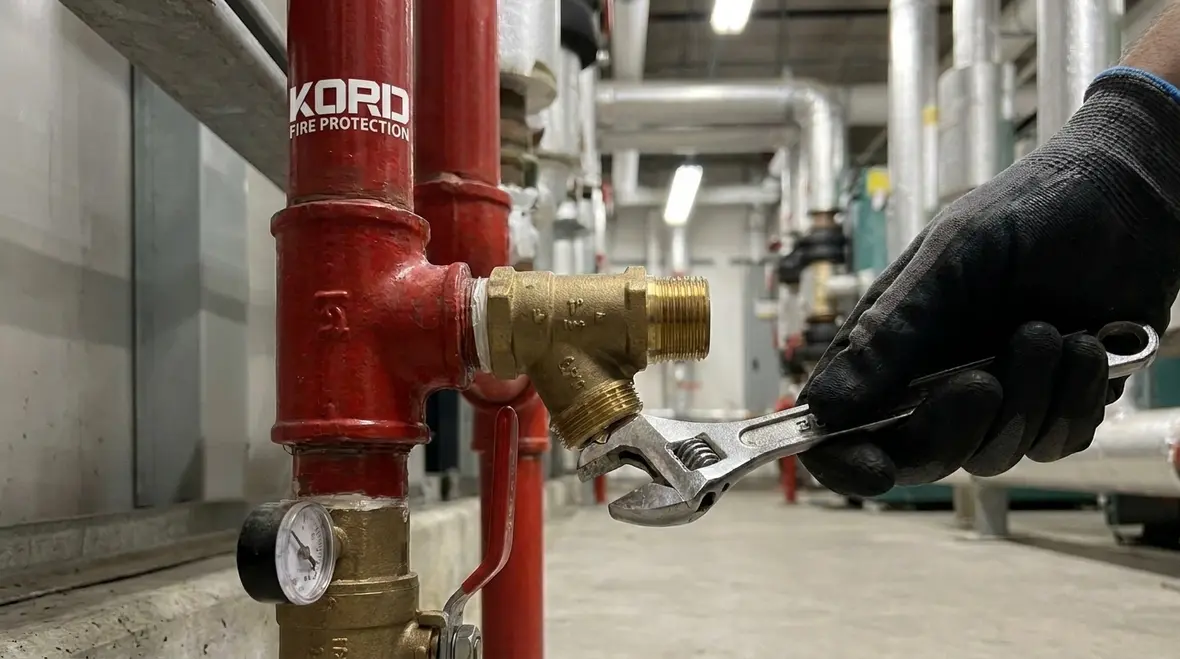
NFPA 13R Section 6.9 Drains: Size, Valve, and Trapped-Dry-Port Requirements
Quick Answer
NFPA 13R Section 6.9 sets specific requirements for drain sizing, drain valves, and trapped dry system drain ports. For facilities using a trapped dry configuration, compliance hinges on using the correct 1 inch drain valve and maintaining proper drainage pathways so the system can fully empty during testing or freezing exposure scenarios.
NFPA 13R 6.9 drains 1 inch drain valve trapped dry system requirements exist to ensure sprinkler systems drain reliably without leaving stagnant water where it can freeze, corrode, or obstruct future operation. While the rules apply broadly, practical compliance depends on how the drains are piped, how valves are selected and installed, and how trapped-dry components are protected from air binding, debris intrusion, and improper commissioning.
If you’re reviewing drain performance as part of broader sprinkler upkeep, fire sprinkler system service can help tie drainage issues back to testing, maintenance, and repair before they turn into a nasty surprise during inspection.
What NFPA 13R Section 6.9 Is Trying to Achieve
Section 6.9 addresses a recurring field issue: drains that technically exist but do not drain effectively under real operating conditions. In commercial and multi family environments, installers and inspectors often encounter failures such as water trapped in low points, obstructed drain ports, or valves that do not open to the required discharge path. Those conditions increase freeze risk, complicate system verification, and can create misleading test results.
A compliant design ensures:
- Drain piping and ports are sized to move water out of the system after the isolation and actuation scenarios that require draining.
- Drain valves deliver dependable flow characteristics and do not stick in a partially open state.
- Trapped dry configurations maintain their intended air and water separation while still allowing proper drainage where NFPA 13R requires it.
- Inspection and maintenance can confirm operation without guesswork or intrusive teardown.
For a helpful baseline on system installation coordination and common compliance pitfalls, see Kord Fire Protection’s NFPA 13 overview of automatic sprinkler system installation. The concepts translate directly into drain and commissioning practices.
How Section 6.9 Impacts Drain Sizing and Discharge Pathways
In practice, drain sizing controls whether water can exit quickly enough to meet the intent of the rule. If the drain line is undersized, or if bends, obstructions, or improper routing reduce hydraulic capability, water may remain trapped in sections that should empty. That can defeat both freezing protection goals and maintenance objectives, especially in commercial facilities where temperature swings and intermittent occupancy are common.
Operational reality: drainage depends on more than a label
Inspectors typically confirm drain effectiveness using observed flow behavior and system documentation. However, the most common “looks compliant” failures include:
- Drain piping routed uphill from a low point, creating a re capture pocket.
- Drain lines that terminate into sumps or piping that does not actually provide free discharge under gravity.
- Valves installed with improper orientation that restrict discharge.
- Debris or construction residue inside the drain port or valve seat that prevents full opening.
Routing guidance that supports compliance
Drain piping should follow the discharge intent in the system design and allow continuous drainage. Where the design requires discharge to a drain system, the discharge connection must not become a back pressure path. For trapped dry systems, discharge behavior also depends on the correct sequence of air and water movement during drainage.
Why the 1 Inch Drain Valve Matters in a Trapped Dry System
For installations governed by the NFPA 13R 6.9 drains 1 inch drain valve trapped dry system requirement, the drain valve size is not an arbitrary selection. It influences flow capacity during draining, reduces the likelihood of incomplete emptying, and helps prevent partial drainage that leaves water in sensitive portions of the system.
Common commercial installation problems
- Valve selection mismatch: Installing a smaller or incorrect valve model that does not meet the intended flow or discharge characteristics.
- Seat wear and sticking: Valves that do not cycle during commissioning can stick due to mineral buildup, sediment, or manufacturing residue.
- Improper linkage or actuation: In some setups, drain valves connect to auxiliary components that must operate as intended. Incorrect arrangement prevents full opening.
- Leaks that mask drainage: Drips or weeping that lead maintenance teams to assume “it drained,” even when the system retained water elsewhere.
Inspection focus during acceptance and periodic testing
Technicians generally verify that the valve opens fully, that discharge is observable and consistent, and that system documentation matches field configuration. After the valve is opened, drainage performance must align with the trapped dry design intent, with water moving out of the relevant piping without introducing conditions that compromise the dry air space.
Trapped Dry Ports: Preventing Air Binding and Ensuring Reliable Drainage
Trapped dry systems use a controlled separation between air and water to limit freezing exposure. NFPA 13R 6.9 drains 1 inch drain valve trapped dry system requirements work with trapped dry port design to ensure water can exit when required. If ports are improperly piped, partially blocked, or not configured to drain correctly, the system can exhibit incomplete drainage and trapped water pockets.
Mechanisms that lead to failure
- Partial blockage: Construction debris, thread sealant debris, or scale can partially obstruct a trapped dry port.
- Incorrect connections: A wrong tee orientation or incorrect extension length can create an unintended trap.
- Air binding: If air cannot vent as drainage begins, water can stall and remain in portions of pipe.
- Improper commissioning: If the system is not drained and re established using correct procedures, it may start operation with unintended residual conditions.
Commercial and retail facility realities
In occupied retail and mixed use properties, shutdown windows are short. That constraint increases the risk that drainage testing becomes a quick verification rather than a fully validated process. A disciplined approach matters: technicians should coordinate access, complete the full drain sequence, and document results in a way that supports future inspection readiness.
For additional industry context on fire pump and water supply system coordination that often interacts with drainage and testing logistics, reference this fire pump acceptance testing guide as a supplemental resource when assessing system performance baselines.
Compliance and Maintenance: How Kord Fire Protection Supports Section 6.9 Readiness
NFPA 13R 6.9 drain compliance does not end at installation. Drains and trapped dry components require ongoing attention to remain operable through the lifecycle. Commercial facilities also face a documented maintenance expectation: valves must operate, ports must remain clear, and maintenance teams need traceable records tied to the actual system configuration.
Key maintenance activities that reduce risk
- Valve cycling and performance checks: Verify full opening behavior and confirm no restricted discharge pathway.
- Port inspection for obstruction: Remove scale and debris where accessible, and confirm integrity of trapped dry connections.
- Documentation review: Validate that as built drawings match field configuration, including drain valve sizing and discharge routes.
- Seasonal readiness: In freezing climates or temperature variable buildings, ensure the drainage method remains dependable before the harshest conditions.
Kord Fire Protection helps commercial, industrial, and retail clients stay audit ready by combining field verification with practical testing and corrective action planning. This service approach addresses the most common compliance gaps: misrouted discharge, incorrect valve configuration, and trapped dry port conditions that only become obvious during true drain performance testing.
Frequently Asked Questions
Conclusion: Get Your Drains and Trapped Dry Ports Audit Ready
Section 6.9 drain compliance depends on correct valve sizing, sound discharge routing, and trapped dry port performance that proves out under real drainage conditions. If your project is commissioning, upgrading, or preparing for inspection, Kord Fire Protection can verify the field configuration, validate drainage readiness, and document corrective actions. Contact Kord Fire Protection today to schedule a Section 6.9 focused compliance and maintenance review for your commercial or industrial fire sprinkler system.

Join Our Newsletter!
Get the latest fire safety tips delivered straight to your inbox From our Newsletter.



