
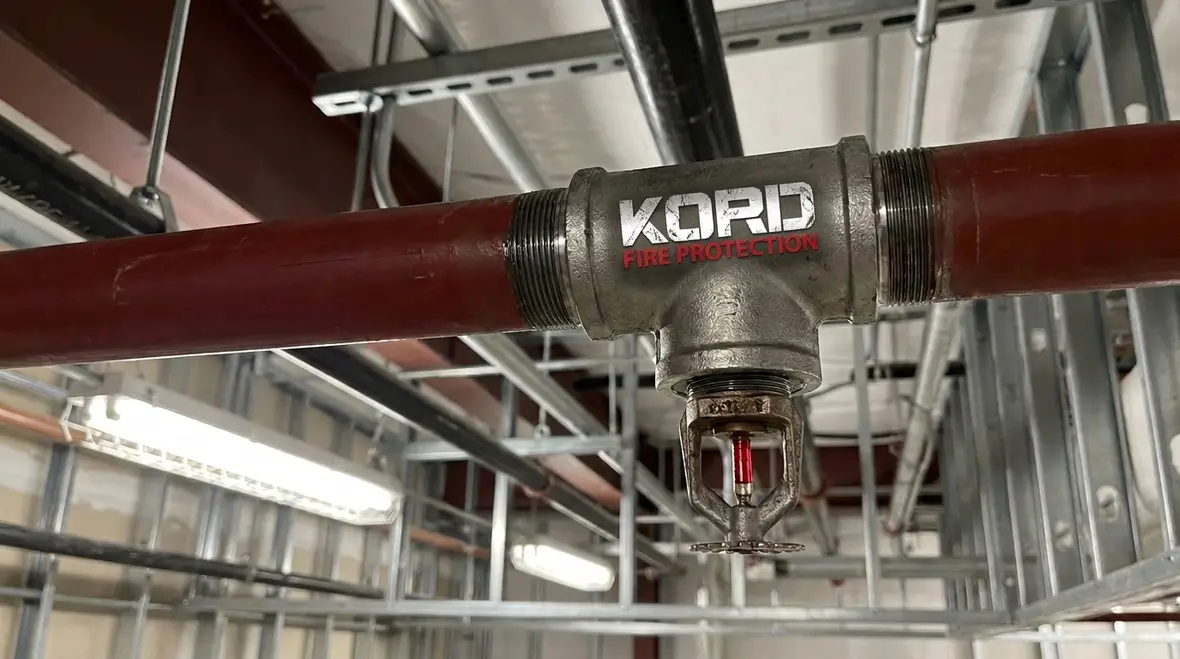
NFPA 13R Section 2.3 Other Publications: ASME, ASTM, and AWS Specs Behind Your Pipe and Fittings
Quick Answer
NFPA 13R Section 2.3 directs designers and installers to other recognized engineering publications that govern pipe, fittings, joining methods, materials, and workmanship. In practice, facility owners must confirm that the installed components match NFPA 13R 2.3 ASTM ASME AWS pipe fitting specifications, then maintain them through inspection and testing cycles.
Why NFPA 13R 2.3 “Other Publications” matters in the real world
Commercial facilities rarely fail on a single code citation. More often, failures emerge from mismatched product documentation, undocumented material substitutions, or installation practices that technically “fit” but do not meet the referenced standards. NFPA 13R Section 2.3 becomes the bridge between the sprinkler system requirements in NFPA 13R and the engineering specifications that control how piping and fittings are manufactured and installed.
This is where NFPA 13R 2.3 ASTM ASME AWS pipe fitting specifications become operationally critical. Designers and contractors must ensure the pipe and fittings used for the sprinkler system are produced and assembled in accordance with the referenced ASME, ASTM, and AWS requirements, as applicable to the component type and connection method.
For an overview of how installation practices interact with system performance, see NFPA 13 overview for automatic sprinkler system installation. Even though that page focuses on NFPA 13, many coordination points with workmanship, test readiness, and acceptance apply directly to 13R project delivery.
If your team is also planning post-installation upkeep, it helps to align these material and workmanship checks with a broader commercial fire protection inspection and maintenance strategy early, before documentation gaps turn into approval delays.
What Section 2.3 typically controls: materials, joining, and workmanship
NFPA 13R Section 2.3 does not replace the sprinkler design and installation rules. Instead, it tells the industry which other recognized publications govern key technical aspects of the fire sprinkler piping system. The practical compliance work usually falls into three buckets.
1) Pipe and fitting material requirements
ASME and ASTM publications cover material properties and manufacturing requirements. For sprinkler piping systems, these requirements affect pressure rating, corrosion resistance considerations, and mechanical integrity under test pressures and long term service conditions. In many commercial and retail environments, the pipe network may be exposed to variable humidity, cleaning chemicals, and condensation cycles that can accelerate corrosion if the wrong material class is used.
2) Connection method and mechanical performance
ASTM and related referenced standards often establish the acceptance criteria for pipe and fitting dimensions, tolerances, and joining compatibility. When field conditions force substitutions, contractors can inadvertently create a mismatch between pipe and fitting end preparation, thread forms, or dimensioning practices. That mismatch can lead to slow leaks, impaired pressure testing results, or joint failure during hydrostatic testing.
3) Welding and brazing controls (when applicable)
AWS specifications govern welding and brazing processes, including qualified procedures and workmanship controls. Not all 13R systems rely on welding, but when threaded fittings, roll grooving, or alternative connection approaches are not feasible, welding and brazing may enter the installation strategy. Facility owners and inspection teams still need to ensure documentation supports the process used, the welder qualification status, and the accepted procedure that matches the piping product requirements.
Where compliance breaks down: common failure points during inspection and maintenance
Even when the system “looks correct,” inspectors and maintenance teams often encounter issues that trace back to Section 2.3 referenced standards. These problems tend to appear during commissioning, annual inspections, or after tenant improvements and piping modifications.
Missing or inconsistent product documentation
One of the most common gaps is incomplete submittal packages. The maintenance team needs traceability for pipe, fittings, and any joining method used. When documentation does not clearly support NFPA 13R 2.3 ASTM ASME AWS pipe fitting specifications, the facility owner may face costly rework or delayed approvals because components cannot be verified after the fact.
Field substitutions that do not meet referenced spec intent
Contractors sometimes substitute fittings due to availability or jobsite constraints. If the substitution changes the material class, pressure rating, or dimensional compatibility, the system may still operate, but the risk profile changes. Under test, those joints can reveal seepage patterns, thread damage, or improper fit up.
Joint workmanship that passes visuals but fails under pressure
Sprinkler piping is subjected to inspections and acceptance tests that reveal joint defects. Poor thread engagement, improper sealant practices, inadequate cleaning prior to assembly, and insufficient weld/braze procedure control can all produce leaks or weak joints. These issues often surface during hydrostatic testing, periodic drain downs, or after valve operations that change flow and pressure conditions.
Hidden corrosion and mechanical damage in commercial spaces
Retail and industrial facilities frequently run sprinkler piping near loading docks, mechanical rooms, and exterior walls. Corrosion and impact damage can accumulate in locations that are difficult to view during routine walkthroughs. When corrosion reduces wall thickness or joint integrity, the referenced material and workmanship intent becomes more than paperwork. It becomes a predictor of whether the system will perform as designed.
How to verify NFPA 13R 2.3 ASTM ASME AWS requirements on a project
A practical verification process helps commercial owners reduce downtime, prevent rework, and protect inspection outcomes. Kord Fire Protection supports teams with compliance oriented documentation review, installation coordination support, and ongoing service planning for commercial systems.
Step 1: Confirm the applicable components and connection methods
The first check focuses on what was installed: pipe material type, fitting type, and how joints were made. Each connection style can carry different referenced standard expectations. Facility teams should not assume that “fire sprinkler system fittings” automatically match the intended specifications without traceable labels and submittal support.
Step 2: Review manufacturer certification and submittals against referenced standards
Submittals should align with the standards called out through NFPA 13R 2.3. The best submittal packages clearly state material grades and provide manufacturing documentation. Where welding or brazing is present, evidence of procedure compliance and qualification should be available.
Step 3: Coordinate acceptance testing with maintainability goals
Commissioning and acceptance testing should be planned so the maintenance team can service the system afterward without disturbing critical joints. If the system requires repairs, the facility team should ensure replacements still satisfy NFPA 13R 2.3 ASTM ASME AWS pipe fitting specifications. This is particularly important after construction activities that can damage concealed piping.
Step 4: Implement a maintenance documentation system
Ongoing compliance depends on record control. After inspections, repairs, and seasonal maintenance, Kord Fire Protection can support document updates that link repairs to the system components they affect, which strengthens defensibility during audits and insurer reviews.
Linking fire sprinkler performance to system reliability
NFPA 13R focuses on a life safety objective, but reliability depends on details governed by the “other publications” referenced in Section 2.3. When pipe and fittings meet their material and joining requirements, the system performs more consistently during testing, drain down cycles, and emergency actuation scenarios.
Facility teams also benefit from aligning sprinkler system service decisions with broader fire system knowledge. The Fire Pump Association resource at firepumps.org provides additional industry context for water supply performance considerations that can influence pressure stability and overall sprinkler system behavior.
Frequently Asked Questions
Conclusion and call to action
NFPA 13R 2.3 does not live in isolation. It impacts every joint, every substitution decision, and every maintenance repair made years after installation. To protect commercial operations, reduce rework risk, and support defensible inspections, engage a qualified sprinkler service partner early. Kord Fire Protection helps owners validate referenced documentation, coordinate acceptance readiness, and maintain system integrity over time. Contact Kord Fire Protection for a compliance focused review and an ongoing inspection and maintenance plan.

Join Our Newsletter!
Get the latest fire safety tips delivered straight to your inbox From our Newsletter.



