
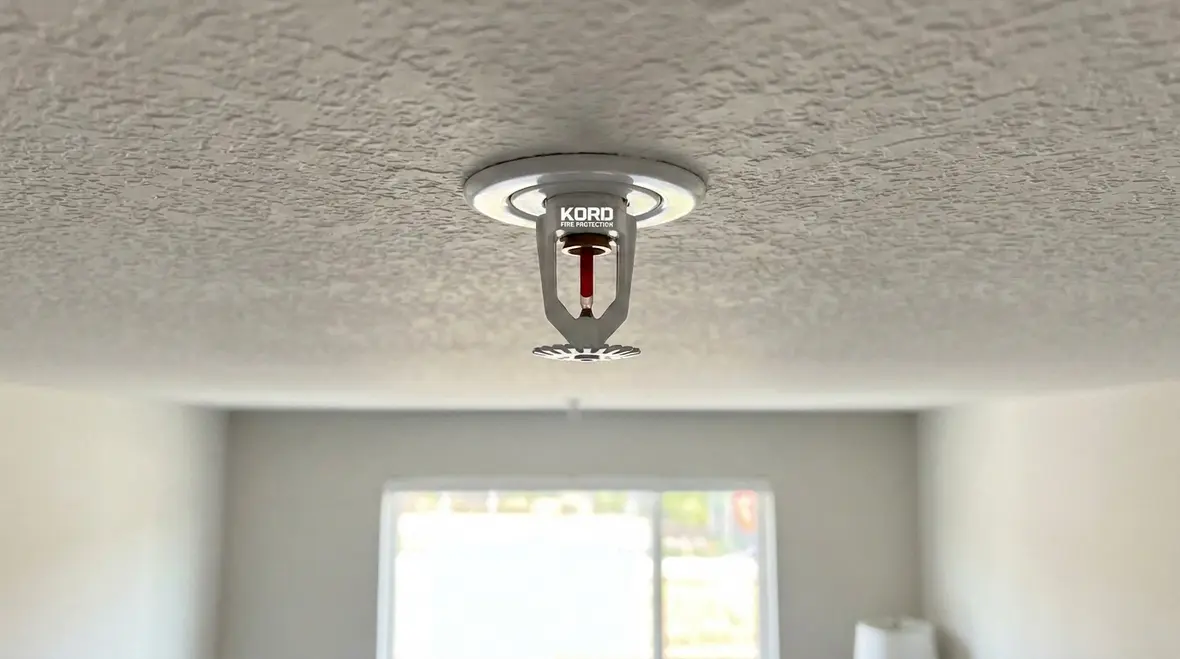
NFPA 13D Section 1.2: Why NFPA Designed 13D Specifically for Homeowner Protection
Quick Answer
NFPA 13D Section 1.2 purpose residential fire sprinkler homeowner protection by defining a residential sprinkler approach that balances life safety with realistic homeowner needs. It targets efficient installation and manageable maintenance while supporting reliable operation in common home fire scenarios.
What does NFPA 13D Section 1.2 actually require?
NFPA 13D Section 1.2 establishes the intent behind the NFPA 13D standard: residential automatic sprinkler systems designed to protect people in one and two family dwellings and other qualifying occupancies. The section frames the design philosophy so the system remains effective under typical residential conditions, without applying the same level of complexity used for larger, higher hazard commercial buildings.
In practice, Section 1.2 drives how designers and installers apply spacing, water supply provisions, sprinkler selection, and installation practices. It also informs inspection, testing, and maintenance expectations that support long term operability for the homeowner, not just initial compliance.
If you want a service-focused look at how sprinkler systems are installed, inspected, and maintained in the field, see Kord Fire’s fire sprinkler system service page. For an installation overview that ties these ideas to system components and field execution, see NFPA 13 overview: automatic fire sprinkler system installation.
Why NFPA limited the scope: homeowner protection, not building performance theater
Residential fire sprinklers operate in a different risk and resource environment than most commercial sprinkler systems. NFPA 13D Section 1.2 reflects that reality by focusing on life safety outcomes that homeowners can rely on while keeping design manageable and installable.
Key differences from higher complexity standards
- Target hazard levels: NFPA 13D addresses typical residential fire behavior rather than high challenge commercial fire loads.
- System design approach: NFPA 13D generally uses simpler hydraulic and layout assumptions suited to dwellings with limited floor area and lower occupancy density.
- Serviceability: Systems must remain practical for ongoing homeowner ownership, including inspection and routine readiness.
From a compliance standpoint, this reduces the likelihood that the system will be “technically correct on paper” but unreliable in real use. Kord Fire Protection teams routinely encounter the gap between design intent and site conditions, especially when contractors select materials or routing methods that do not match residential system constraints.
How Section 1.2 supports reliable operation inside real homes
The “homeowner protection” objective in NFPA 13D Section 1.2 is achieved through design and operational choices that account for how homes are built and how they are maintained.
1. System components that work as intended
A residential sprinkler system must respond correctly when a fire initiates. NFPA 13D arrangements depend on proper sprinkler placement, correct temperature rating and listing, and accurate installation so the sprinkler deflector aligns to the ceiling plane and performs as tested.
Common failure points seen during field verification include mislocated sprinklers, improper spray patterns, and rough in changes that leave gaps in coverage or create obstructions. Those issues often originate during remodels, ceiling finishes, or homeowner-led modifications that are not coordinated with the sprinkler layout.
2. Water supply readiness for the long term
Section 1.2 intent includes the premise that a homeowner will have a system that can be relied upon, which means the water supply and control valves must remain functional. In practice, compliance depends on:
- Maintaining correct backflow and check valve arrangement (where required by local plumbing codes and permitting conditions)
- Ensuring the correct pressure and flow conditions exist at the system operating demand
- Keeping valves accessible and unobstructed so they can be inspected and serviced
In commercial and industrial facilities, water supply monitoring is often treated as a managed program. In residential systems, the program shifts to inspections, testing, and owner awareness. Kord Fire Protection supports clients by coordinating ongoing compliance so the system does not degrade due to neglect, valve painting, or concealed access issues.
3. Maintenance and inspection are part of homeowner protection
NFPA 13D Section 1.2 purpose residential fire sprinkler homeowner protection is not only about initial compliance. It is about sustaining function through routine checks. Sprinkler systems can fail when:
- Sprinklers are painted or capped, blocking discharge or altering heat response
- Drain valves are left open or fittings loosen after service
- Air in the system increases and delays water delivery in some configurations
- Remodels change ceiling heights or introduce obstructions without updating sprinkler placement
These issues show up repeatedly when homeowner renovations modify attic storage, install drop ceilings, or add insulation without coordinating with the sprinkler system. Effective compliance requires documenting changes and confirming that the system’s coverage assumptions remain valid.
What compliance looks like in the field: procedures and documentation
NFPA 13D Section 1.2 intent turns into deliverables during commissioning and ongoing maintenance. Typical operational procedures include accurate system acceptance testing, documentation of system configuration, and future inspection readiness.
Commissioning and acceptance basics
- Verify system layout and obstruction clearance before walls and ceilings close.
- Confirm sprinkler identification and listing, including temperature rating and finish where applicable.
- Test water flow and verify the system is capable of meeting the design assumptions.
- Inspect valve locations and access so the homeowner can operate and service the system per requirements.
Inspection and testing that protect the owner, not just the file
Residential sprinkler compliance often fails because paperwork exists but operational checks do not occur consistently. When Kord Fire Protection supports homeowner and property manager programs, the focus remains on:
- Maintaining inspection schedules based on the applicable standard and local authority requirements.
- Documenting impairment findings such as obstructed sprinklers, damaged components, or valve tampering.
- Corrective action tracking so issues are closed quickly, not deferred.
For additional industry background on fire pump and water supply considerations that often intersect with sprinkler readiness, refer to this fire pump water supply guide.
Common misconceptions about NFPA 13D homeowner protection
Several misunderstandings undermine NFPA 13D Section 1.2 purpose residential fire sprinkler homeowner protection. Addressing them reduces both compliance risk and real world failure probability.
“A residential sprinkler system is maintenance free.”
Residential systems require routine inspection and correction of impairments. Even if the homeowner never sees sprinklers operate, valves, pressure conditions, and obstructions must be managed.
“If sprinklers are installed, the system will always discharge properly.”
Installation quality affects performance. Sprinklers must be installed with correct orientation, verified coverage, and correct type for the system. Small errors can produce major consequences during a fire.
“Remodeling does not require sprinkler updates.”
Remodels often change ceiling geometry, introduce new obstructions, or alter room layouts. Those changes can invalidate the assumptions used for design. Compliance requires reassessment when work affects ceilings and concealed spaces.
Kord Fire Protection emphasizes practical coordination during renovations and property transitions. This approach aligns technical compliance with day to day homeowner realities, which is exactly what NFPA 13D Section 1.2 aims to support.
Frequently Asked Questions
Take action: protect compliance and performance over time
NFPA 13D Section 1.2 purpose residential fire sprinkler homeowner protection succeeds only when installation quality and ongoing service align with the standard’s intent. Kord Fire Protection helps homeowners and property managers maintain sprinkler readiness through inspection planning, testing coordination, and impairment correction. Contact Kord Fire Protection today to review your system documentation, verify ongoing compliance, and create a practical maintenance schedule you can trust.

Join Our Newsletter!
Get the latest fire safety tips delivered straight to your inbox From our Newsletter.



