
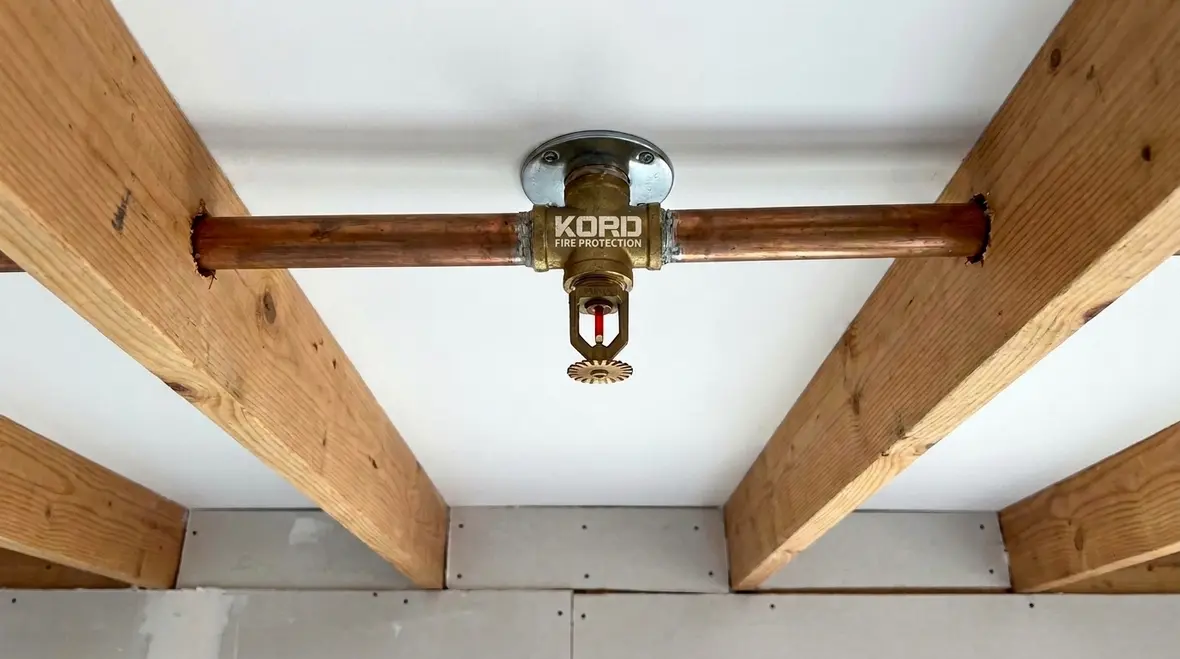
NFPA 13D Section 1.1: What Buildings Fall Under Residential Sprinkler System Scope?
Quick Answer: NFPA 13D Section 1.1 applies to residential occupancy and certain dwelling units where a residential sprinkler system is permitted. The scope depends on building type, occupancy characteristics, and limitations on hazards, construction, and system design. Always confirm the exact applicability with the full NFPA 13D text and AHJ requirements.
For help with fire sprinkler system service, installation, and maintenance, Kord Fire Protection supports property owners with design, inspection, repairs, certification, and ongoing compliance planning. ([kordfire.com](https://kordfire.com/fire-sprinkler-service/?utm_source=openai))
Understanding NFPA 13D Section 1.1 in Plain Terms
NFPA 13D is the standard most commonly referenced for sprinkler protection in residential occupancies using light hazard design concepts. The question behind NFPA 13D Section 1.1 residential sprinkler system scope coverage requirements is straightforward: which buildings and residential settings fall within the rules set for a residential sprinkler system, versus those that must follow other NFPA sprinkler standards.
In practice, scope decisions come down to occupancy classification, the building’s intended use, and how the system interfaces with commercial facility expectations. Commercial, industrial, and retail environments often include mixed occupancies, tenant changes, or shared services that affect whether a “residential” system concept remains acceptable. Kord Fire Protection supports facilities and property owners through scope verification, installation oversight, and ongoing inspection and maintenance planning to avoid operational downtime and compliance gaps. ([kordfire.com](https://kordfire.com/fire-sprinkler-service/?utm_source=openai))
What NFPA 13D Section 1.1 Scope Usually Covers
Residential occupancies and dwelling units where NFPA 13D is permitted
NFPA 13D Section 1.1 focuses on buildings where residential sprinkler systems are appropriate, generally when the conditions align with light hazard protection goals. Typical examples include dwelling units and certain residential structures where the design concept matches the standard’s permitted framework.
However, scope is not simply “anything with residences.” The key compliance challenge lies in determining whether the building’s actual occupancy features and concealed spaces still fit within the residential rules. During plan review, facilities often run into issues tied to additions, partial tenant buildouts, or changing storage arrangements that introduce higher hazard conditions not contemplated by a basic residential design.
Site and building conditions that can shift the system standard
Even when a building appears residential at a glance, the system scope may need to change if the occupancy or configuration does not match NFPA 13D assumptions. Real world drivers include:
- Mixed occupancy scenarios, such as residential units with commercial use areas or common spaces that behave like public or business occupancies.
- Storage usage that exceeds typical residential arrangements, especially in corridors, basements, or detached accessory spaces.
- Construction features that create concealed space challenges, requiring detailed coordination of sprinkler placement and obstruction handling.
- Alterations and renovations that add high load components, enclosed utilities, or increased combustible loading.
For many commercial property managers, the scope decision becomes an operational risk because it affects inspection routines, testing capabilities, spare parts requirements, and what the fire alarm and water supply documentation must reflect. Kord Fire Protection helps teams align system intent with actual building usage so inspections and maintenance remain predictable. ([kordfire.com](https://kordfire.com/?utm_source=openai))
When a Building Might Not Qualify for NFPA 13D
Indicators that require heightened scope scrutiny
NFPA 13D scope limitations exist for a reason: residential sprinklers are designed for specific hazard expectations and water supply performance assumptions. Facilities frequently discover scope mismatches during commissioning or when AHJs request documentation that the system cannot supply.
Common indicators include:
- Non residential or mixed occupancy areas that behave like business or public spaces rather than dwelling units.
- Higher hazard storage or process hazards that exceed light hazard intent.
- System performance constraints where the water supply, pipe sizing expectations, or pressure requirements do not align with the NFPA 13D permitted design approach.
- Complex concealed spaces that require more extensive design coordination than a residential concept typically supports.
Why scope changes matter operationally
If a building does not qualify for NFPA 13D, teams risk designing and maintaining a system that does not meet the required standard. That can trigger repeated corrective actions, extended permit delays, and rework of piping routes, device selection, and coverage patterns.
Maintenance operations also change. A system that falls outside NFPA 13D scope can require different inspection frequencies, different test locations, and different expectations for documentation. Commercial property standards often tighten oversight through integrated maintenance schedules, asset tagging, and documented response plans. Kord Fire Protection uses practical compliance workflows so facilities can maintain readiness and avoid surprise service interruptions. ([kordfire.com](https://kordfire.com/fire-protection-services-guide-by-kord-experts/?utm_source=openai))
How Installation and Maintenance Decisions Affect Compliance
Scope coverage requirements are only the beginning. The installation method, water supply configuration, and maintenance plan determine whether the sprinkler system performs as intended when inspected and during an emergency.
Installation interfaces that commonly create compliance friction
Sprinkler systems are sensitive to workmanship and coordination. Facilities that later discover scope mismatches often experience issues in these areas:
- Water supply readiness: the system relies on stable pressure and flow. If the water supply cannot meet the required demand, the system fails acceptance criteria.
- Pipe arrangement and protection of components: improper layout or unsupported runs can lead to physical damage risk and service access problems.
- Obstruction and clearance rules: missing coordination for beam projections, soffits, or structural obstructions impacts sprinkler distribution and listing compliance.
- Device selection: the wrong temperature rating, or incorrect orientation, can create acceptance failures and maintenance setbacks.
Maintenance and inspection realities for commercial stakeholders
Even where NFPA 13D applies, commercial owners still manage the system like critical life safety infrastructure. That means:
- Scheduled inspections: valves, gauges, and alarm or supervisory features must remain functional.
- Flow testing and impairment control: maintenance windows must be coordinated to protect readiness.
- Recordkeeping: drawings, hydraulic information, and as built documentation must stay current through remodels and tenant changes.
- Component replacement planning: sprinkler heads, gauges, and fittings require replacement readiness so repairs do not extend downtime.
For broader context on system installation expectations, see this technical overview: NFPA 13 overview and automatic fire sprinkler system installation. While NFPA 13D has distinct scope and design rules, the installation quality and documentation discipline required for reliable performance remains a consistent theme across standards. ([kordfire.com](https://kordfire.com/nfpa-13-overview-automatic-fire-sprinkler-system-installation/?utm_source=openai))
Practical Compliance Workflow: Confirming the Scope Before You Build
Scope confirmation should happen early, not after framing or after occupancy. A practical workflow reduces risk and prevents last minute changes that impact costs and schedules.
Step 1: Verify occupancy and building configuration
Teams should compile the occupancy classification, unit count, configuration of common areas, and how the building is actually used. Mixed usage plans should be identified early so designers can confirm which standard applies.
Step 2: Cross check limitations and system design intent
Because NFPA 13D Section 1.1 scope coverage requirements depend on permitted conditions, the design team should confirm the hazard assumptions match the building’s actual use. If storage patterns, concealed space complexity, or operational conditions deviate, the design path may need adjustment.
Step 3: Align inspection, impairment, and maintenance planning
Commercial and retail facilities often face operational constraints. Maintenance plans should include how testing impacts operations, what access limitations exist, and how documentation will be updated after turnover or remodels.
Step 4: Use listed components and maintain service access
Sprinkler systems require listed components, correct installation practices, and access for inspection and maintenance. Poor accessibility can lead to incomplete inspections and slower corrective action during deficiencies.
When teams seek reliable background knowledge on fire pump and water supply considerations that can influence sprinkler performance, Fire Pumps resources can help: firepumps.org. Water supply performance drives system readiness regardless of the sprinkler standard selected. ([firepumps.org](https://firepumps.org/blog/bs-en-12845-water-supply-for-fire-pumps-guide/?utm_source=openai))
Frequently Asked Questions
Get Scope Confirmation and a Maintenance Plan That Stays Compliant
Commercial property owners, developers, and facility managers should confirm NFPA 13D Section 1.1 applicability before installation. Kord Fire Protection supports scope verification, installation oversight, commissioning readiness, and ongoing inspection and maintenance planning so systems remain compliant through changes. Contact Kord Fire Protection to review your building details and create a practical compliance pathway for residential sprinkler system decisions. Kord Fire Protection helps businesses and property owners manage fire protection systems with a practical, compliance-focused service model. ([kordfire.com](https://kordfire.com/?utm_source=openai))

Join Our Newsletter!
Get the latest fire safety tips delivered straight to your inbox From our Newsletter.



