
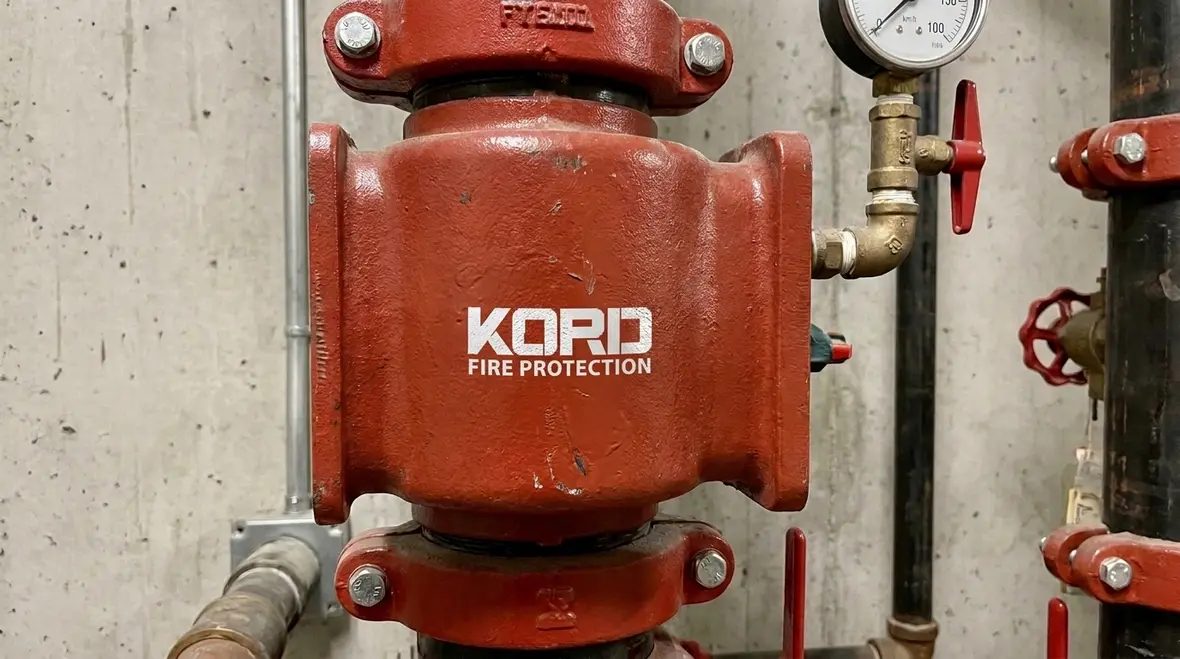
NFPA 13 Section 29.6 – General Information Sign for Sprinkler Systems
Quick Answer: NFPA 13 Section 29.6 requires an approved general information sign for sprinkler systems so occupants, fire responders, and service personnel quickly identify key system details. The sign supports accurate incident response, faster troubleshooting, and safer maintenance when conditions change.
If you are tightening up documentation and field readiness, a fire sprinkler system service program can help tie signage, inspections, repairs, and updates together so the system information on the wall actually matches the system in the building.
What NFPA 13 Section 29.6 Signage Is For
NFPA 13 general information sign sprinkler systems support operational readiness by communicating critical sprinkler system information at the system location. In commercial facilities, this sign reduces time to identify the correct water supply, system type, hazard and control valve arrangement, and relevant inspection or supervisory details. Fire officials and maintenance contractors often arrive under time pressure, with incomplete knowledge of the building’s installed systems.
Because signage sits at the interface of life safety and property protection, compliance must be practical and durable. Facilities commonly face real world challenges such as vandalism risk, poor visibility in plant rooms, label wear from humidity, and coordination issues during tenant changes. Proper installation and ongoing inspection help avoid those failure points.
Where the Sign Gets Installed and Why Location Matters
The general information sign required by NFPA 13 Section 29.6 gets installed at the designated sprinkler system location, typically near the fire department connections, water supply, or control valve area identified during system design. The goal stays consistent: responders should find it quickly without searching multiple rooms.
For commercial, industrial, and retail buildings, the location frequently becomes a compliance weak point. Examples include:
- Signs placed behind locked doors without a practical access path for service or emergency personnel.
- Mounting surfaces that corrode or peel due to water mist, chemical exposure, or temperature cycling.
- Viewing blocked by pipes, insulation, shelving, or equipment relocation during future renovations.
- Multiple systems in one facility where the sign references the wrong floor, zone, or hazard.
A robust approach includes verifying signage sightlines during commissioning, updating the sign after any design changes, and confirming that the correct sign remains at the correct location for each sprinkler system.
What the Sign Must Convey: Operational Information Responders Need
NFPA 13 general information sign sprinkler systems include information that supports identification and operational response. While exact wording and formatting must comply with the applicable requirements for the specific system, the sign generally serves as a summary reference for key system attributes.
Typical content categories
- System identification details to confirm the correct installation or zone.
- Information related to water supply and system arrangement so responders can select correct operating procedures.
- Reference details that support inspection, service, and operational use during troubleshooting.
- Operational or supervisory information required by the standard’s sign intent, aligned with the installed system features.
Common failure points that create compliance gaps
- Outdated information after sprinkler modifications, hazard reclassifications, or valve changes.
- Inconsistent updates when contractors replace components, relocate control valves, or alter piping routes.
- Illegible print, missing dates, or labels that degrade in damp mechanical spaces.
- Signs that reference outdated system maps, identifiers, or connection labeling schemes.
Commercial facilities often correct these gaps through a disciplined workflow: design review of signage during construction, field verification at acceptance, and periodic audit aligned with internal inspection and maintenance schedules.
Installation, Materials, and Durability Requirements That Avoid Future Repairs
A sign that technically meets requirements can still fail operational intent if it becomes unreadable, detached, or placed where it cannot be found. For NFPA 13 Section 29.6 compliance to remain meaningful, the installation process must address durability and placement stability.
Practical installation guidance
- Mount using corrosion resistant hardware and a substrate that resists moisture and vibration.
- Select signage materials rated for the environment, especially in mechanical rooms exposed to humidity and spray.
- Prevent cover plates or insulation from obscuring the sign after future maintenance access work.
- Use a clear mounting height and viewing angle for first responders approaching the system from likely approach paths.
Maintenance and update triggers
Maintenance teams should treat sign verification as part of routine sprinkler system documentation control. Update the sign after any change that affects the conveyed information, such as:
- Control valve replacement or relocation.
- Hydraulic design changes that alter system classification, arrangement, or identifying details.
- Modifications from tenant improvements or revised occupancy use.
- Changes to water supply or connection identification that responders rely upon.
Where installation and updates get missed, Kord Fire Protection can help commercial owners maintain a documented, inspection ready sprinkler program. This includes field verification, signage review against system configuration, and coordination for ongoing compliance.
How Inspection and Maintenance Teams Should Verify Signage
Sign verification should not wait for major inspection cycles. A structured check routine catches problems early: missing signs, unreadable content, and mismatched identifiers. This reduces last minute noncompliance risk and supports smoother authority having jurisdiction interactions.
Field verification checklist
- Confirm the sign is present at each required location for each sprinkler system.
- Read and compare the sign content to current system configuration and valve arrangements.
- Verify labeling matches current naming conventions, zone identifiers, and connection details.
- Inspect mounting stability and legibility under typical lighting conditions.
- Document the verification result and schedule updates after work orders or renovations.
For a broader installation context, facilities can reference the installation and commissioning overview at NFPA 13 automatic fire sprinkler system installation overview. That resource supports system level understanding that complements signage compliance and avoids piecemeal documentation.
Related Guidance and Industry Resources
Signage compliance works best when tied to overall sprinkler system understanding and program management. Additional resources include:
- kordelectric.com for commercial electrical and life safety coordination considerations that often intersect with alarm and supervisory signaling.
- kordfire.com.au for regional fire protection experience that can help facilities manage ongoing compliance lifecycle planning.
- firepumps.org for technical background on water delivery components and system performance considerations that connect to responder operational needs.
Kord Fire Protection positions signage as a small but high impact element within the broader NFPA 13 compliance program. When sign content, mounting location, and system documentation align, incidents and inspections run more smoothly for owners, contractors, and first responders.
Frequently Asked Questions
Conclusion: Schedule a Sign and Sprinkler Program Verification
NFPA 13 Section 29.6 general information signage helps responders find the right system details quickly and helps maintenance teams keep the installation accurate over time. Kord Fire Protection recommends scheduling a field verification of sign presence, content accuracy, and mounting location, then linking updates to your work order and renovation process. If you want a compliant, inspection ready sprinkler documentation package, contact Kord Fire Protection to review your current system and signage in a practical, facility specific way.

Join Our Newsletter!
Get the latest fire safety tips delivered straight to your inbox From our Newsletter.


