NFPA 1 Section 45.5: Loose Combustible Fiber Storage
NFPA 1 Section 45.5 Loose Combustible Fiber Storage Fire Code for Commercial Facilities
Quick answer: NFPA 1 loose combustible fiber storage fire code requires controlled storage of loose fibers away from ignition sources, with defined clearance distances, fire barriers, ventilation, and strict housekeeping. Compliance demands documented procedures, regular inspections, and coordinated maintenance from a qualified fire protection partner such as Kord Fire Protection.
For facilities building a broader compliance strategy, Kord Fire Protection also offers full fire protection services that support inspection readiness, maintenance scheduling, and system performance across commercial properties.
Understanding the Scope of NFPA 1 Section 45.5
NFPA 1 Section 45.5 addresses the storage of loose combustible fibers in commercial, industrial, and retail facilities. Loose fibers include bulk fibers, fiber waste, lint, and other uncontained forms such as cotton, jute, flax, hemp, sisal, and certain synthetic fibers. The section applies when these materials are stored in bulk, on racks or open floor areas, or generated as waste from manufacturing or processing operations.
Proper interpretation focuses on minimizing ignition risk, limiting heat buildup, and preventing fiber dust accumulation. Facilities must recognize that fiber storage areas can act as fuel in a fire scenario, so the code emphasizes robust separation, containment, and active protection measures.
For a wider code context, this NFPA 1 comprehensive guide to fire prevention and safety helps connect this section to the bigger fire code picture.
Core Requirements and Compliance Targets
- Separation and clearance: Maintain defined clearances between loose fiber storage and ignition sources such as heating equipment, electrical gear, or hot work areas. Distance requirements vary by occupancy and risk class, and must be verified against the current code text and local amendments.
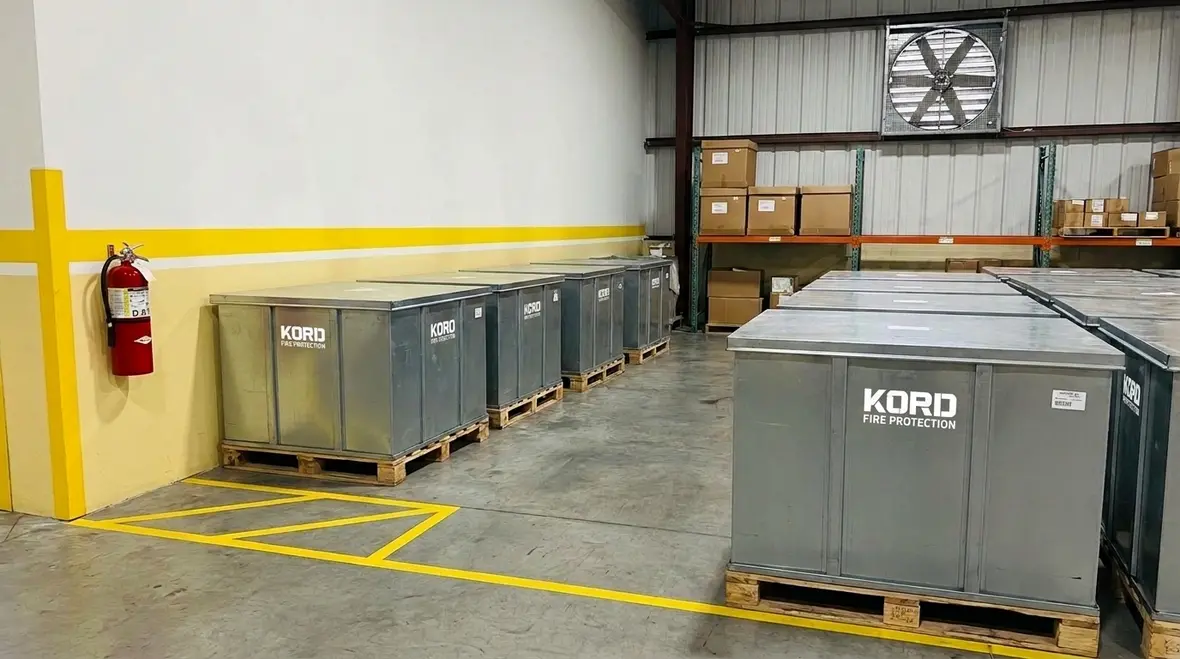
- Fire barriers and enclosures: Use fire rated partitions or specifically approved containers and enclosures for fiber storage to limit flame spread and shield adjacent spaces. Doors and access points should remain closed when storage is in use.
- Ventilation and dust control: Implement local exhaust or ventilation to control airborne fiber dust. Design should prevent dust accumulation on surfaces and reduce the likelihood of dust explosions in extreme cases.
- Housekeeping and waste management: Establish routine cleaning to remove loose materials from floors and ledges. Use metal lids on waste containers and ensure periodic removal of accumulate waste by trained personnel.
- Storage containers and labeling: Store loose fibers in covered, closed containers where feasible and label storage areas with hazard indicators. Avoid piling that impedes access or increases heat retention.
- Ignition source control: Prohibit open flames and unnecessary heat sources in or near storage areas. Manage static electricity with proper bonding and grounding where appropriate, and restrict hot work to approved zones.
- Inspection, documentation and training: Maintain inspection checklists, incident logs, and training records. Conduct periodic self assessments and confirm that a qualified fire protection professional reviews the program.
Design and Construction Considerations for Commercial Facilities
Facility design should support the intent of NFPA 1 Section 45.5 without disrupting operations. Key considerations include creating dedicated fiber storage rooms or clearly defined zones with appropriate fire rated walls and doors, ensuring accessible egress around stored materials, and integrating sprinkler coverage that is aligned with the hazard class of the fibers stored. Where feasible, install dust collection and filtration systems to minimize fiber accumulation on ducts, equipment, and ceilings.
Electrical and lighting in storage areas must meet applicable codes and be protected from potential dust-related ignition. Detectors such as smoke or heat sensors should be considered in or near storage zones, with a clear procedure for alarms and subsequent actions. Documentation of design decisions and maintenance responsibilities supports defensible compliance during audits.
Why sprinkler readiness matters in fiber storage zones
Because loose combustible fibers can intensify fire spread fast, facilities often pair storage controls with dependable suppression infrastructure. Kord Fire Protection’s fire sprinkler services can fit naturally into a maintenance strategy for these higher-risk storage areas.
Operational Procedures and Inspection Protocols
Establish a practical, repeatable routine that fits the facility’s operations. Recommended practices include:
- Daily visual inspections of floors and work surfaces for loose material buildup and signs of heat or damage.
- Weekly checks of ventilation systems, dust collection efficiency, and the integrity of barriers and lids on waste containers.
- Monthly verification of exit routes, signage, and accessibility to storage areas for emergency response teams.
- Quarterly testing of fire extinguishers and inspection of sprinkler heads and detection devices around fiber storage zones.
- Annual reassessment of separation distances, door operation, and barrier effectiveness, with updates to procedures as operations evolve.
Recordkeeping is essential. Maintain current floor plans showing storage locations, control measures, and inspection results. Regular training reinforced by simulated drills helps facilities respond quickly to incidents while maintaining compliance with NFPA 1 loose combustible fiber storage fire code guidelines.
Practical Compliance Challenges in Commercial Facilities
Commercial and retail facilities often face space constraints and dynamic inventory levels that complicate consistent fiber storage. Shared spaces and high personnel turnover require clear accountability, persistent training, and robust signage. Budget pressures can lead to deferred maintenance or incomplete documentation, creating gaps during audits. A proactive approach combines periodic expert assessments with a disciplined in house routine to meet NFPA 1 Section 45.5 expectations.
Partnering with a dedicated fire protection provider helps translate code language into actionable field procedures. A provider can help with risk assessments, installation of appropriate barriers, ongoing testing, and staff training. In addition, third party reviews can support insurance and regulatory expectations while reducing overall fire exposure for commercial facilities.
Frequently Asked Questions
In the field, practical compliance hinges on clear procedures, consistent training, and timely maintenance. A trusted partner such as Kord Fire Protection provides ongoing assessment, testing, and maintenance programs to sustain compliance with NFPA 1 loose combustible fiber storage fire code across all facilities.
Conclusion and call to action: To protect people, property, and assets, engage Kord Fire Protection for a comprehensive assessment of your loose fiber storage practices, implement tailored procedures, and establish a continuous testing and maintenance program aligned with NFPA 1 Section 45.5. Contact Kord today to schedule a site review, develop a customized compliance plan, and ensure your facility remains audit ready and safer for operations.

Join Our Newsletter!
Get the latest fire safety tips delivered straight to your inbox From our Newsletter.