NFPA 1 Section 38.2 Cannabis Fire Permits Australia
Quick Answer
NFPA 1 Section 38.2 sets the fire permit rules for cannabis facilities that handle growing, processing, storage, and related work. It helps operators meet fire safety needs before trouble starts. Kord Fire Protection can support this process by guiding permit readiness, systems, inspections, and compliance work across industrial, retail, and commercial sites in Australia.
For teams that want support early, full fire protection services can help connect permit planning with inspections, alarms, sprinklers, extinguishers, and ongoing readiness in one coordinated path.
Understanding NFPA 1 Section 38.2 for Cannabis Sites
NFPA 1 Section 38.2 focuses on fire permits for cannabis operations, and that matters because these sites often mix plant material, electrical loads, drying rooms, storage, and extraction areas. In plain terms, the rule helps keep a facility from becoming the opening scene of a disaster film. It also gives fire authorities a clear path to review risk before operations begin.
For operators, the cannabis facility fire permit is not just paperwork. It is part of a wider safety plan that ties into building use, fire systems, access, and site controls. As a result, the permit process can shape how a site is designed, fitted out, and approved for work. That is why many project teams pair permit planning with broader compliance support instead of treating fire review like a last minute side quest.
A strong permit strategy also keeps the conversation practical. It connects the authority review to what actually happens on the floor each day, from irrigation controls and lighting racks to storage layouts and maintenance access. If the building looks compliant on paper but falls apart in real use, nobody wins, especially not the poor person explaining it during inspection.
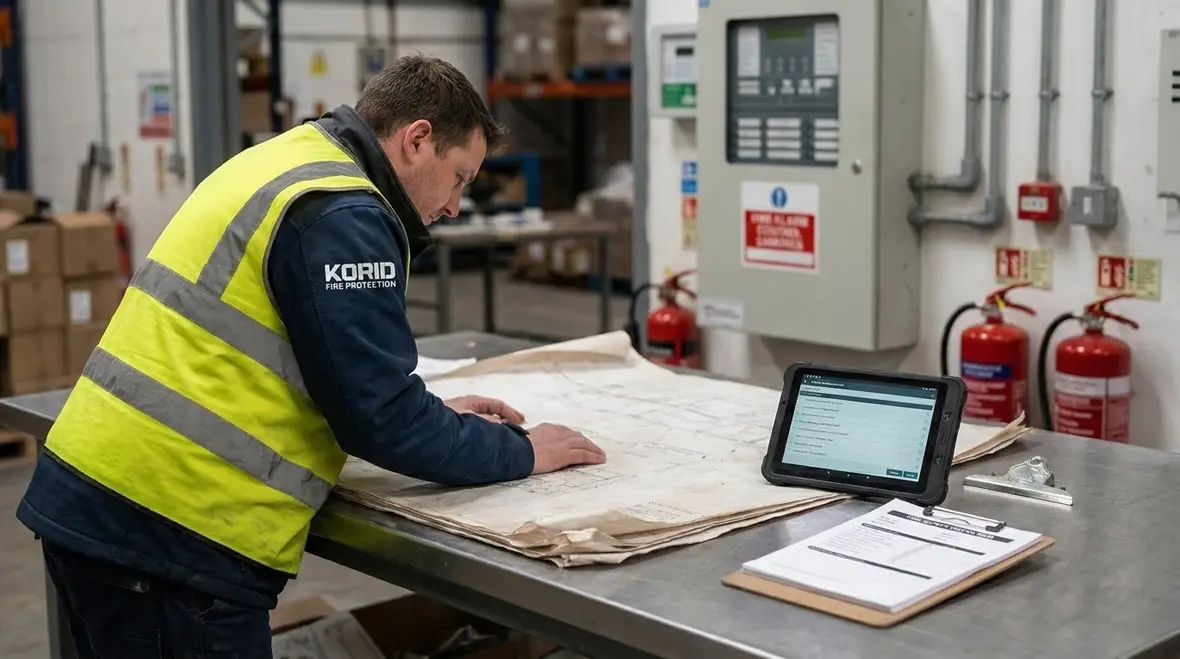
Why permit planning matters from day one
Many projects run into trouble because fire safety enters the conversation too late. However, a marijuana grow permit NFPA review should start during design, not after equipment arrives on site. That early step can save time, cost, and a fair bit of stress.
In cannabis facilities, the fire risk profile can change fast. Grow rooms may use high intensity lighting, controls, pumps, and climate systems. Meanwhile, processing areas may bring in solvents, dust, or heat generating equipment. Therefore, the permit path must reflect the real use of the space, not just the floor plan on paper.
Two permit areas that deserve close attention
- Facility use and process type
This covers cultivation, drying, trimming, storage, extraction, and support spaces. Each use can bring different fire controls and permit triggers. - Fire protection systems and access
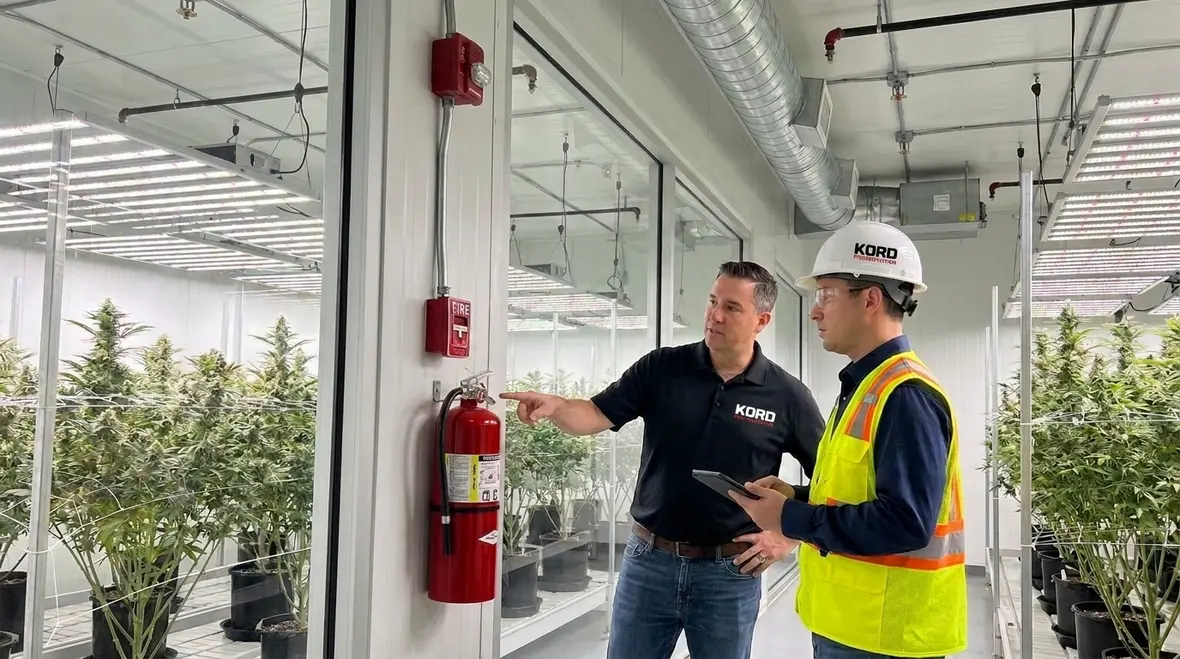
This includes alarms, sprinklers, extinguishers, emergency paths, and clear access for responders. If fire crews cannot move in safely, the site already has a problem.
Starting early also gives teams time to resolve conflicts between operations and life safety. A layout that works beautifully for workflow may create issues for egress, suppression coverage, equipment clearance, or responder access. It is much easier to adjust that in design than after walls, racks, and utilities are already in place and everyone is pretending the redlines are not multiplying.
Facilities that build permit planning into the project timeline tend to move with less drama. Documentation is cleaner, fire protection systems are matched more closely to actual hazards, and the review process usually becomes a lot more predictable. Predictable may not sound glamorous, but in construction and compliance it is practically a love language.
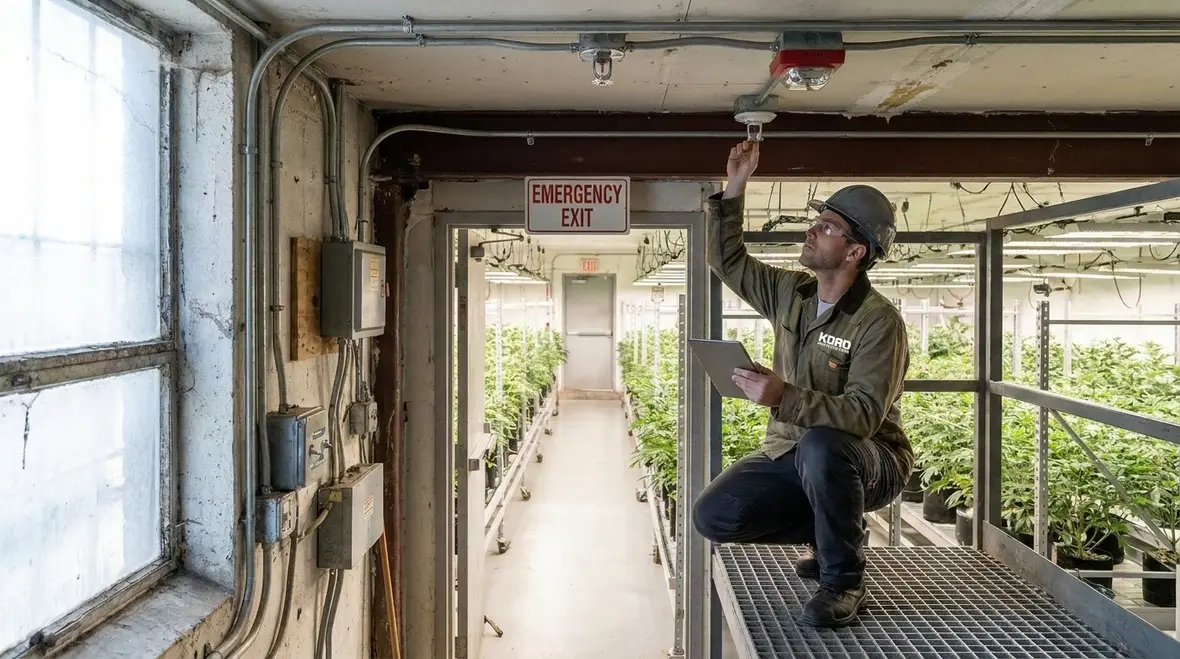
What cannabis cultivation permit requirements usually include
Cannabis cultivation permit requirements often go beyond a single form. In many projects, reviewers want details on the building layout, process zones, electrical use, hazard controls, storage methods, and emergency plans. They may also check whether the fire system matches the load and occupancy of the site.
Because industrial and commercial cannabis facilities can vary so much, permit expectations can shift from one site to another. However, the core idea stays the same: the facility must prove it can manage fire risk in a clear and practical way. That means the team needs records, drawings, system details, and a solid plan for ongoing checks.
Just as important, the site must keep the permit current. When plant layout changes, equipment moves, or occupancy shifts, the fire review may need an update. Fire safety, after all, dislikes surprises almost as much as a cat dislikes a bath.
Common information reviewers want to see
- Current drawings that show room use, storage areas, exits, and hazard zones
- Details on alarms, sprinklers, extinguishers, and any special suppression features
- Electrical and mechanical information that affects heat load or ignition risk
- Emergency procedures, shutdown steps, and staff response planning
- Inspection records, maintenance logs, and updates tied to equipment or layout changes
This is also where related planning resources can help teams stay organized. Kord Fire Protection’s NFPA 1 guide fits naturally into the bigger picture because it frames fire prevention and safety requirements in a broader operational context.
When teams understand what will be requested before submittal, they avoid the classic cycle of partial documents, confusing revisions, and frantic follow up emails. Nobody wants a permit package that reads like three different people assembled it during a power outage. Clear records make the process faster and easier for everyone involved.
How Kord Fire Protection supports permit success
Kord Fire Protection can become a vital partner because it helps bridge the gap between fire code intent and real site conditions. Instead of guessing what a reviewer wants, a facility team can work with a partner that understands fire systems, permit needs, and compliance steps.
The support can include site review, system planning, documentation help, inspection coordination, and compliance guidance. Moreover, Kord Fire Protection can help facility managers spot weak points before they turn into permit delays. That matters in cannabis projects, where time lost can affect crop cycles, production targets, and lease deadlines.
In practice, this kind of partner can help with alarms, sprinklers, extinguishers, hydrostatic checks, and system servicing. In addition, the team can support readiness for authority review and help keep the site in line after approval. Think of it as having the calm engineer in the room while everyone else is trying to remember where the latest drawing went.
That broader coordination matters because a permit is only one checkpoint in a facility’s life. Once operations begin, systems still need maintenance, inspection scheduling, updates after modifications, and practical support when conditions change. The best compliance approach is the one that keeps working after the permit binder has stopped being the star of the meeting.
What industrial, retail, and commercial teams should prepare
For Australia based industrial, retail, and commercial operators, permit readiness works best when the team keeps fire safety visible across the whole project. First, they should confirm the building use and process flow. Next, they should map fire protection systems against the real hazards on site. Then, they should gather records, test reports, and maintenance logs.
They should also train staff on emergency response, equipment shutdown, and reporting steps. Even the best permit can lose value if the people on site do not know what to do when an alarm sounds. Therefore, the permit should connect with daily operations, not sit quietly in a file like a forgotten movie sequel.
Cannabis cultivation permit requirements also tend to work best when the site keeps strong communication between design, fire protection, and operations teams. That steady connection can reduce delays, cut back rework, and improve trust with inspectors.
A practical permit readiness checklist
- Confirm actual building use, occupancy, and process sequence
- Match protection systems to cultivation, storage, drying, and processing hazards
- Gather drawings, service records, and test documentation in one place
- Review emergency access, egress paths, and responder movement
- Train on alarm response, shutdown steps, and incident reporting
- Set a process for updating documents when equipment or layout changes
How the process usually flows from review to approval
Most permit processes begin with a site review, followed by drawing checks, system checks, and comments from the authority or fire reviewer. Then, the team may need to make corrections, submit updates, and confirm system readiness. After that, the permit can move toward approval and activation.
However, approval is not the finish line. It is the start of the site’s ongoing duty to maintain fire safety. As a result, regular inspection and service work remain part of the permit life cycle. A strong fire protection partner can help keep that path smooth and steady.
That lifecycle view is what separates a one time approval from a durable compliance strategy. Facilities that keep records current, systems serviced, and teams trained are usually better positioned when inspectors return or operations expand. In other words, the goal is not to survive one review and then immediately tempt fate.
FAQ
Move the project forward with the right fire partner
NFPA 1 Section 38.2 is not just a rule to file away and forget. It shapes safer cannabis facilities from the ground up. For operators across industrial, retail, and commercial sites in Australia, Kord Fire Protection can help turn permit pressure into a clear, workable plan.
When fire safety needs a steady hand, the right partner makes all the difference. With coordinated support across systems, inspections, and compliance tasks, teams can move from uncertainty to action without turning the project into a chaos experiment with clipboards.

Join Our Newsletter!
Get the latest fire safety tips delivered straight to your inbox From our Newsletter.