
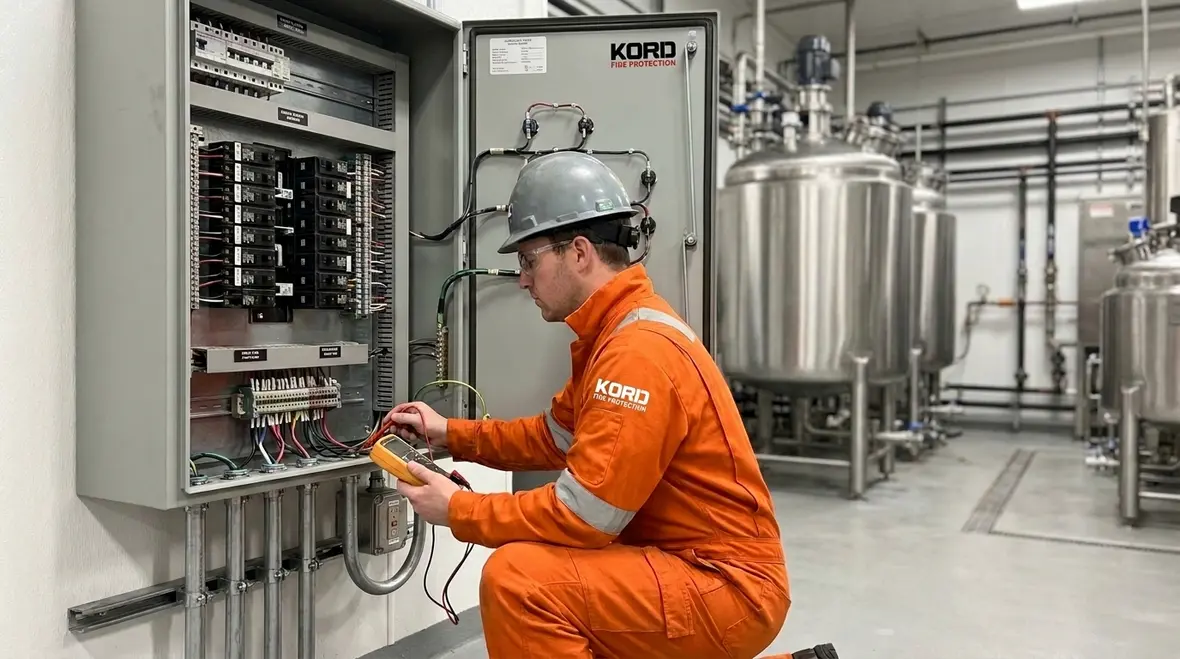
NFPA 36 Section 7.7: Electrical Systems for the Extraction Process
Quick Answer
NFPA 36 Section 7.7 sets detailed safety expectations for electrical systems used during the extraction process. These requirements focus on risk reduction through proper equipment selection, wiring practices, grounding and bonding, protection of circuits, and reliable inspection and maintenance. Facilities must verify compliance through documented testing and ongoing upkeep.
Teams working through inspection planning and documentation gaps can also review fire safety system documentation for compliance for a practical companion to maintaining cleaner records and stronger audit readiness.
Why NFPA 36 Section 7.7 matters to real extraction operations
Electrical systems are often treated as a “facility utility” topic, yet NFPA 36 treats electrical design and maintenance as a core safety control during the extraction process. The extraction environment can introduce flammable atmospheres, ignition capable circuits, and abnormal operating conditions. For commercial, industrial, and retail facilities, the practical challenge is aligning extraction process needs with electrical code compliance, inspection discipline, and day-to-day maintenance routines.
For teams seeking clarity on NFPA 36 extraction electrical systems requirements, the key is to look beyond installation and focus on function over time. Electrical hazards typically emerge from change management gaps, deferred maintenance, cable degradation, improper termination, and incomplete commissioning evidence.
What Section 7.7 expects from extraction electrical systems
Section 7.7 centers on ensuring that electrical systems support safe extraction operations without introducing ignition sources or unsafe conditions. While facilities often focus on “what devices are allowed,” compliance depends on the whole electrical path: power source, wiring method, equipment ratings, protection devices, and the ongoing verification that systems remain in a safe condition.
1) Electrical equipment must match the hazard environment
In extraction settings, electrical equipment selection must account for operating conditions that may generate ignitable concentrations. Common pitfalls include installing general-purpose equipment where a hazardous location rated component is required, using components with mismatched temperature ratings, or substituting parts during repairs without maintaining original listings or ratings.
2) Wiring and installation practices must support safe operation
Compliance requires that wiring methods and installation workmanship reduce the risk of faults, damaged insulation, and unintended exposure. Facilities commonly face issues such as flexible conduit misrouting, improper sealing of penetrations, missing fittings, and insufficient strain relief that accelerates connector failure.
3) Protection of circuits must work under abnormal conditions
Electrical protection devices must clear faults and abnormal conditions without creating unsafe states. The operational failure pattern typically involves nuisance tripping that triggers bypass behaviors, oversized overcurrent protection that delays fault clearing, or protective devices that degrade due to heat, corrosion, or mechanical wear.
Hazard control and commissioning: where most compliance gaps appear
Many facilities pass initial inspection but struggle after the first operational cycle. The main reason is insufficient commissioning evidence and incomplete hazard documentation tied to electrical systems.
Document the system basis before energization
Before energizing equipment, commercial operators should verify that the electrical design basis matches the extraction process hazards. This includes confirming that equipment ratings, installation method, and circuit protection align with the intended operation. A frequent gap involves “as-built” drawings that lag behind field modifications, especially after equipment upgrades or vendor changes.
Verify grounding and bonding continuity
Grounding and bonding support safe fault clearing and reduce the likelihood of energizing conductive enclosures. Operational issues include loose bonds, corrosion at terminations, and grounding paths disrupted by renovations or equipment swaps. Testing and continuity verification must be repeated when changes occur.
Confirm accessibility for inspection and maintenance
NFPA 36 Section 7.7 compliance relies on the ability to inspect electrical components and maintain them. If panels cannot be accessed safely, conduit routing prevents visual checks, or labeling is incomplete, maintenance teams may delay corrective action. That delay increases the chance that degradation progresses beyond safe limits.
Inspection and maintenance expectations for electrical safety
Electrical systems become less reliable when facilities lack a structured maintenance program. Under NFPA 36, safe electrical operation depends on continuing verification that systems remain suitable for the extraction environment.
Use a maintenance plan tied to failure points
Common extraction electrical failure points include:
- Terminal overheating caused by loose connections, incorrect torque, or mismatched conductors
- Cable jacket damage from abrasion, chemical exposure, or improper routing
- Corroded enclosures and fittings that compromise integrity
- Defective protective devices, including drifted trip settings or worn contactors
- Improper sealing of conduit and openings, allowing hazardous atmospheres to migrate
Maintain inspection records and change control
Commercial facilities often treat inspection records as compliance paperwork rather than risk management. A stronger approach ties inspection findings to corrective action tracking, retesting, and document updates. When equipment changes occur, facilities should verify that installed components still meet the original electrical safety basis.
For ongoing compliance support, Kord Fire Protection helps commercial teams maintain documentation discipline, coordinate inspections, and address electrical life safety risks through practical, facility-ready service programs. Learn more through Kord Fire Protection.
Operational procedures: keeping electrical systems safe during extraction
Even with compliant installation, daily operating practices influence electrical safety. Electrical hazards can appear during startups, shutdowns, maintenance windows, and abnormal operating conditions.
Control access and work permits for energized systems
Facilities should enforce controlled work practices that prevent unauthorized modifications to electrical circuits. Maintenance that requires opening panels or replacing components should follow a procedure that confirms proper isolation, verifies absence of hazardous conditions where required, and ensures that replacement parts match original ratings and listings.
Prevent bypassing protective devices
Nuisance faults can tempt teams to bypass protection to keep operations moving. This behavior typically undermines the intent of circuit protection and increases the likelihood of unsafe failures. A better operational response includes troubleshooting the root cause, restoring correct protection settings, and verifying safe performance before return to service.
Maintain labeling and operating alignment
Clear identification of circuits, disconnects, and emergency shutdown interfaces supports safe operation and quick isolation during emergencies. Label drift and missing identifiers lead to slow response and increased risk when urgent actions are required.
How commercial teams can verify compliance with NFPA 36 electrical requirements
Compliance verification works best when facilities use a structured approach that includes design review, field evidence, and testing artifacts.
Practical verification checklist for extraction electrical systems
| Verification Area | What to Confirm | Common Evidence |
|---|---|---|
| Equipment suitability | Proper ratings for the extraction environment and intended operation | Nameplates, listings, start-up records |
| Wiring and fittings | Approved methods, secure terminations, and intact enclosures | As-built drawings, inspection reports, photo documentation |
| Circuit protection | Correct protective device selection and functional operation | Trip testing records, device calibration history |
| Grounding and bonding | Continuity and corrosion control at connections | Continuity test results, corrective action logs |
| Maintenance readiness | Access, labeling, and inspection frequency | Maintenance plans, completed inspection checklists |
To strengthen external audit readiness and reduce operational downtime caused by unclear electrical documentation, Kord Fire Protection can support inspection planning, documentation review, and ongoing service coordination. This helps facilities maintain operational compliance, not just installation compliance.
Frequently Asked Questions
Conclusion and call to action
NFPA 36 Section 7.7 is only “managed” when facilities control electrical hazards throughout the equipment lifecycle. Review equipment suitability, confirm circuit protection and grounding integrity, and enforce inspection and maintenance discipline tied to real failure points. If your facility needs a practical compliance plan, documentation support, or ongoing inspection coordination, contact Kord Fire Protection today to strengthen safety outcomes and reduce inspection risk.
For a broader look at closing documentation gaps before they turn into inspection surprises, see Kord’s fire protection compliance auditing guide.

Join Our Newsletter!
Get the latest fire safety tips delivered straight to your inbox From our Newsletter.



