
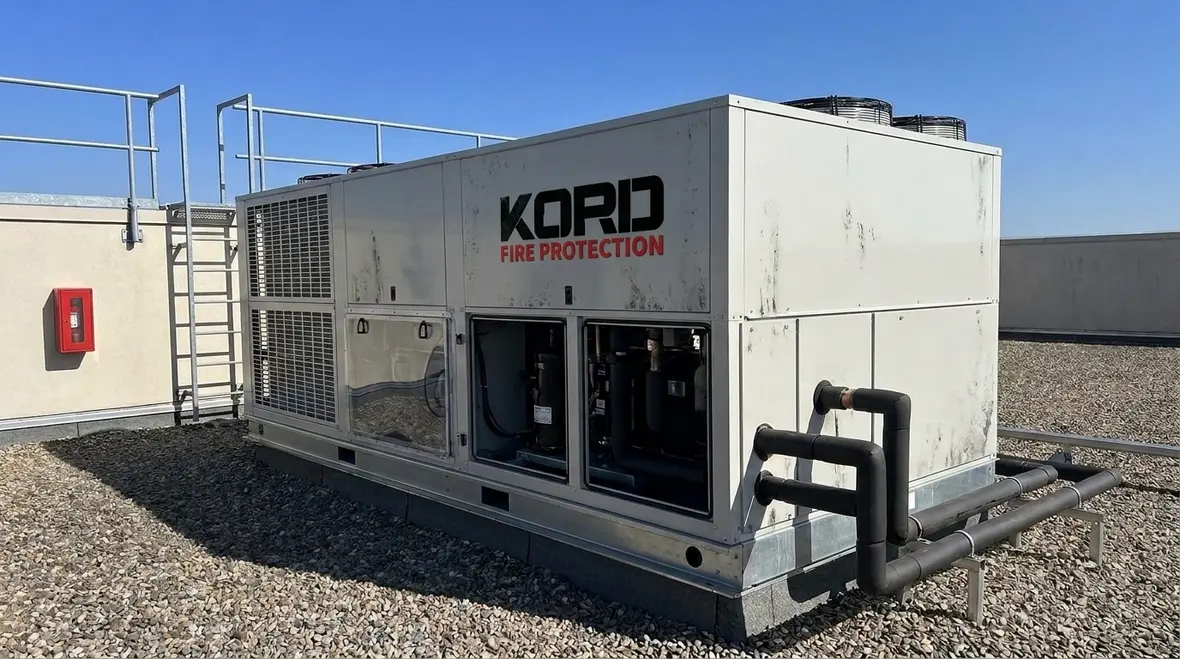
NFPA 40 Section 4.7: Heating, Cooling, and Refrigeration Equipment Rules
Quick Answer: NFPA 40 Section 4.7 sets operational and design expectations for heating, cooling, and refrigeration equipment used with certain fire hazards. It focuses on safe installation, inspection readiness, and maintaining controls that prevent ignition sources, system failures, and unsafe conditions.
For a broader look at inspection planning and long term system readiness, review the full lifecycle of fire protection servicing. It fits naturally with Section 4.7 because equipment safety is rarely a one and done affair. It is more like a quiet responsibility with a clipboard.
What NFPA 40 Section 4.7 Covers for Commercial Heating, Cooling, and Refrigeration Systems
NFPA 40 Section 4.7 establishes rules for the safe management of heating, cooling, and refrigeration equipment in environments where fire hazards may exist. For facilities that also contend with specific process materials and risk controls, NFPA 40 heating cooling refrigeration equipment nitrate film requirements matter because they tie equipment safety to overall fire prevention strategy. Commercial, industrial, and retail operators typically encounter Section 4.7 during plan review, pre opening commissioning, and ongoing maintenance inspections.
While the exact subsection text should always be confirmed against the current adopted edition in your jurisdiction, the core compliance themes remain consistent. Section 4.7 addresses how equipment is installed, how it is operated safely, and how it is maintained so it does not become an ignition source or a path for fire spread.
How Heating Equipment Requirements Affect Ignition Control
Heating equipment often introduces risk through surface temperatures, combustion byproducts, and electrical or mechanical failures. Under NFPA 40 Section 4.7, compliance typically expects that heating systems are located, arranged, and protected to reduce the chance of ignition of nearby combustibles.
Common compliance expectations in the field
Temperature control and limits: Facilities must ensure heaters and hot surfaces operate within the design intent of the system. Malfunctioning thermostats, failed limit switches, and improperly calibrated controls can push surfaces into ignition territory.
Clearances and shielding: Heaters require adequate separation from combustibles and appropriate guards where staff may otherwise store materials too close.
Ventilation and exhaust management: Gas fired or combustion related heating must manage exhaust so it does not create unsafe heat accumulation or deposit heat transfer surfaces with soot or residues that can change performance.
Electrical integrity: Loose terminations, water intrusion, and damaged insulation can create arcing conditions. Many recurring violations trace back to installation drift during renovations.
Typical failure points
Inoperative temperature sensors that cause heaters to cycle improperly.
Bypassed interlocks installed during troubleshooting without restoring protection controls.
Accumulated debris or residues on heat exchange surfaces that alter operating temperature.
For ongoing readiness, commercial operators should treat heating equipment like a fire prevention device. Kord Fire Protection supports facilities with inspection planning, documentation verification, and practical testing support so systems remain aligned with NFPA 40 Section 4.7 expectations.
Cooling and Refrigeration: Preventing Unsafe Conditions During Normal and Abnormal Operation
Cooling and refrigeration systems reduce temperature to preserve product and process needs. However, these same systems can contribute to fire risk when refrigerants, electrical components, defrost systems, and airflow paths are not managed properly. NFPA 40 Section 4.7 ties equipment operation and maintenance to preventing ignition sources and unsafe propagation of fire.
Key operational and maintenance concerns
Electrical components and controls: Compressors, fans, defrost heaters, and control panels require a maintained condition. Failures such as overheated wiring, poor contact integrity, and corrosion at terminals can create ignition hazards.
Defrost systems: Defrost cycles can increase surface temperatures. Control logic, defrost timing, and protective temperature limits should prevent defrost components from energizing in unsafe scenarios or on damaged equipment.
Airflow management: Blocked coils, obstructed returns, or malfunctioning fans can cause overheating of electrical motors and condensers. Over time, this also accelerates insulation aging.
Refrigerant handling and leak management: Leaks impact system performance and can create secondary hazards depending on refrigerant type and facility controls. Leak detection and repair documentation help maintain a safe operating profile.
Inspection reality in commercial sites
In retail and industrial facilities, refrigeration rooms, cold storage enclosures, and mechanical equipment areas often fall out of compliance during renovations. Common issues include storage placed too close to equipment, improvised cable routes, damaged fan guards, or failed drain management leading to water intrusion into electrical components. Section 4.7 compliance typically depends on keeping these systems in a predictable and documented condition.
Where the Phrase NFPA 40 Heating Cooling Refrigeration Equipment Nitrate Film Fits Compliance Planning
Facilities that handle or store materials requiring stringent ignition and contamination controls often face additional complexity when refrigeration and cooling equipment operates in close proximity to sensitive materials. The keyword phrase NFPA 40 heating cooling refrigeration equipment nitrate film reflects a practical compliance planning scenario: the heating, cooling, and refrigeration systems must support safe conditions where ignition control and risk reduction must remain reliable.
In practice, compliance planning should address the full lifecycle. That includes initial installation verification, commissioning documentation, and maintenance procedures that prevent equipment degradation from becoming an ignition source. Where nitrate film or similarly sensitive materials are present, operators typically implement tighter controls for temperature, monitoring, and separation of ignition capable equipment.
Commercial compliance actions that reduce risk
Documented inspection intervals: Align preventive maintenance schedules with inspection readiness expectations.
Thermal and electrical verification: Confirm sensors, limits, and operating profiles after service work, especially after component replacement.
Access control and housekeeping standards: Maintain clearances around compressors, condensers, and electrical panels. Prevent storage encroachment in mechanical areas.
Change management: Ensure any modification to control sequences, defrost logic, or wiring is reviewed and documented for ongoing compliance.
Kord Fire Protection assists facilities in building a defensible maintenance and inspection program tied to NFPA expectations. The focus stays on practical outcomes: reliable equipment operation, clean documentation, and reduced inspection surprises.
Inspection Readiness and Maintenance Documentation for Section 4.7
NFPA 40 Section 4.7 compliance frequently depends on whether a facility can demonstrate that heating, cooling, and refrigeration equipment continues to operate safely over time. Inspectors typically look for operational condition, protective features, and maintenance records that show systematic control.
What to document
Preventive maintenance logs: Evidence of regular inspection, cleaning, calibration checks, and functional testing.
Service records: Component replacements such as thermostats, fan motors, defrost components, limit switches, and control boards.
Test results and corrective actions: Any out of tolerance findings and how they were corrected.
Configuration control: Records showing setpoints and control sequence changes were verified after service.
How equipment mechanisms create inspection gaps
Thermal cycling wear: Repeated heating and cooling cycles loosen connections and degrade insulation. Over time, this can lead to intermittent faults that are missed during routine walkthroughs.
Moisture intrusion: Refrigeration drain lines and condensate management failures can cause corrosion in control panels.
Delayed defect discovery: Fans or defrost heaters may fail in a way that does not immediately trip alarms, leaving a hazard until a later event.
To strengthen ongoing compliance readiness, facilities benefit from a structured partner approach. Kord Fire Protection helps commercial teams align fire safety inspection workflows with mechanical equipment risk controls, so Section 4.7 expectations remain actionable, not theoretical.
Practical Next Steps: Build a Section 4.7 Compliance Program
Facilities typically get the best results by converting NFPA 40 Section 4.7 into daily operational controls and maintenance verification. The program should connect equipment condition, documentation, and site risk controls into one manageable system.
A focused implementation checklist
Inventory equipment: List heaters, compressors, refrigeration units, defrost systems, electrical panels, and associated controls.
Map locations and clearances: Identify any equipment that sits near combustibles or sensitive materials, including cold storage areas and mechanical rooms.
Set maintenance intervals: Confirm schedules for inspection, cleaning, calibration verification, and functional testing.
Standardize corrective actions: Require documented repair verification before return to service.
Coordinate with fire protection services: Ensure inspection readiness aligns with fire prevention goals and facility standards.
If your organization needs a compliance partner that understands how mechanical equipment affects overall fire risk, Kord Fire Protection can help structure inspections, maintenance readiness, and documentation practices across commercial facilities.
For additional guidance on maintaining safe fire protection readiness, review Kord Fire Protection resources here: Kord Fire Protection.
If you want a service page that connects directly to recurring inspections, testing, and maintenance support, see local fire protection services. It is a practical next click for teams trying to keep compliance from turning into a scavenger hunt.
Frequently Asked Questions
Call to Action
Operational safety depends on keeping heating, cooling, and refrigeration systems in a verifiable condition aligned with NFPA 40 Section 4.7. Kord Fire Protection helps commercial facilities build inspection readiness through practical maintenance coordination, documentation support, and risk focused follow through. Contact Kord Fire Protection to review your current equipment program and identify gaps before they become inspection findings.

Join Our Newsletter!
Get the latest fire safety tips delivered straight to your inbox From our Newsletter.



