NFPA 1 Section 29.1 Parking Garage Fire Safety
Quick Answer: NFPA 1 Section 29.1 sets the baseline for parking garage fire safety by focusing on access, fire control, ventilation, detection, and maintenance. For commercial and industrial sites, it helps reduce risk, protect people and property, and support compliance with the parking structure fire code and garage fire protection requirements.
Parking garage fire safety NFPA rules matter because garages can turn into fast moving fire traps when fuel, heat, and poor airflow meet. In retail, commercial, and industrial sites, the parking structure fire code and garage fire protection requirements guide how these spaces stay safer for workers, customers, and assets. This is not just paperwork in a hard hat. It is risk control with teeth.
For properties that need broader support beyond one checklist, full fire protection services can help connect inspections, testing, repairs, and ongoing readiness into one practical plan.
What NFPA 1 Section 29.1 Covers in a Parking Garage
NFPA 1 Section 29.1 sets clear fire safety expectations for parking garages. It focuses on how the garage is built, how it is used, and how fire can be detected and managed before it spreads. In simple terms, it asks one big question: if a vehicle fire starts here, can the site respond fast enough?
The code looks at fire access, smoke control, sprinkler systems where needed, alarm systems, and housekeeping. It also expects owners to keep exits open and systems working. That sounds basic, yet basic is often where things go sideways. A blocked exit or a failed alarm can turn a routine incident into a very expensive headline.
Why these basics carry so much weight
A parking garage is a strange little ecosystem. It combines vehicles, combustible fluids, battery systems, concrete decks, open traffic movement, hidden corners, and changing occupancy by the hour. That means fire safety cannot rely on one magic fix. It needs layers. Access helps crews get in. Detection helps people react early. Suppression helps keep a bad event from becoming a disaster. Maintenance keeps all of that from silently failing in the background while everyone assumes it is fine.
How the Parking Structure Fire Code Protects Commercial Sites
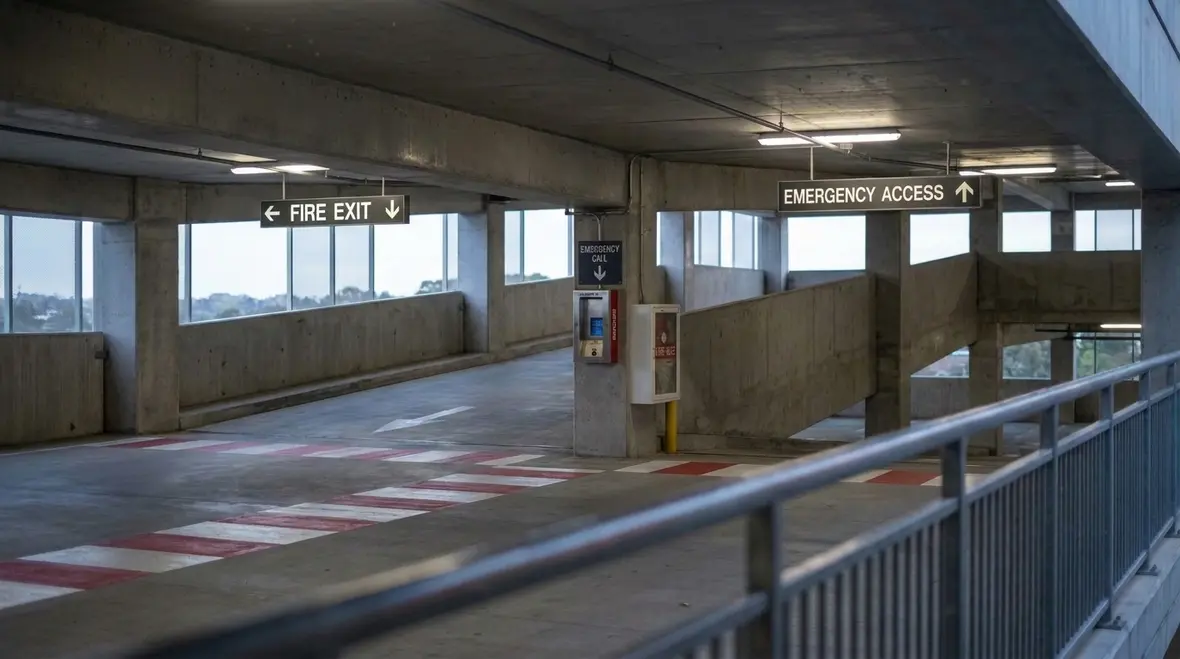
The parking structure fire code matters because parking garages do more than store cars. They support retail traffic, logistics, staff access, deliveries, tenant movement, and public safety. When a fire starts in a garage, the smoke can spread quickly through ramps, shafts, and open levels. Therefore, the code aims to slow that spread and give people time to leave.
In commercial and industrial settings, garages often connect to busy buildings, plant rooms, loading areas, or public entrances. As a result, one fire can affect the whole site. Good fire protection does not just protect the garage. It protects business continuity, staff movement, emergency access, and the rhythm of the property itself. Nobody wants a fire drill to become the main event.
The real operational problem behind a garage fire
A vehicle fire is not politely contained to one parking bay just because everyone would prefer that. Heat can compromise nearby vehicles, smoke can reduce visibility almost immediately, and panic can do its own damage when drivers and pedestrians are trying to leave the same structure at once. For facility managers, that means the code is really about preserving time: time to detect, time to notify, time to evacuate, and time for responders to do their job without fighting a maze of preventable problems.
Facilities that already review related code topics may also find it useful to connect this discussion with NFPA 1: A Comprehensive Guide to Fire Prevention and Safety, especially when building a broader compliance strategy that goes beyond one occupancy type.
Garage Fire Protection Requirements That Matter Most
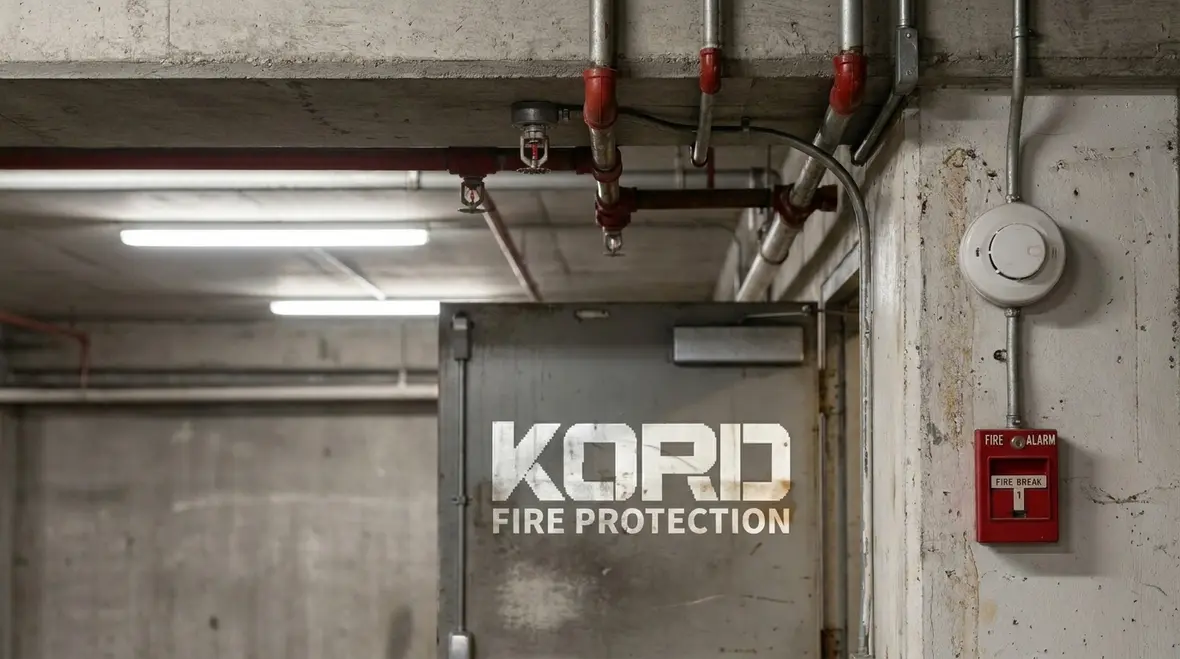
Garage fire protection requirements usually focus on a few key systems and habits. First, the garage needs proper detection and alarm coverage so fire is found early. Next, sprinkler systems or other suppression methods may be required based on garage size, layout, and use. Then comes smoke control, which helps keep escape paths usable.
Housekeeping also plays a major role. Oil spills, rubbish, stored goods, and poor maintenance all raise fire risk. In addition, electrical faults, damaged fixtures, and poor ventilation can make the situation worse. Good protection is not just equipment on a ceiling. It is a full system of design, service, inspection, and daily care.
The five areas teams should not treat as background noise
| Area | What It Means |
| Access and exits | Keep emergency routes clear and easy to use |
| Detection and alarms | Find fire early and alert people fast |
| Suppression systems | Control fire growth before it spreads |
| Smoke management | Help people evacuate and fire crews respond |
| Maintenance | Keep every system ready and working |
Each of these areas supports the others. Clear access without working alarms still leaves people exposed. Working alarms without usable exits create a different kind of mess. A suppression system that has not been inspected can look impressive right up until the moment it disappoints everyone. The strongest garage fire safety programs treat these categories as one connected system rather than a stack of unrelated boxes to tick during a rushed site review.
What Facility Teams Should Check First
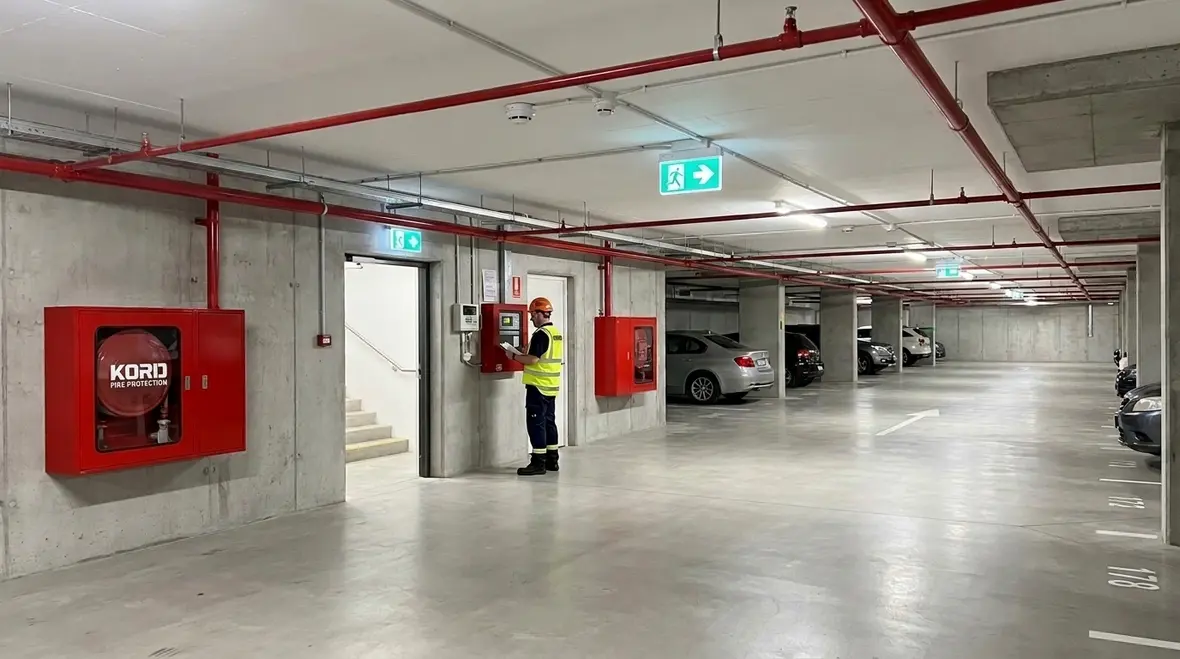
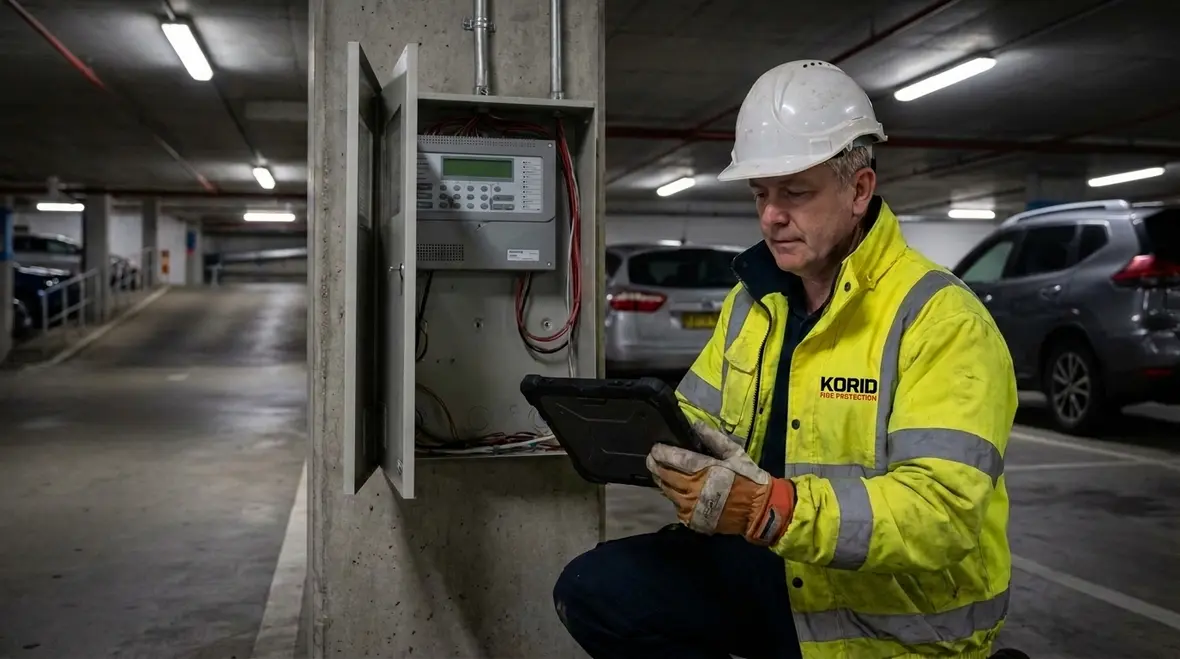
Facility teams should start with the basics, because the basics win fights every day. They should inspect exits, lighting, alarms, sprinklers, signage, and access routes for fire crews. They should also confirm that housekeeping standards are actually being followed instead of merely admired from afar. If a garage looks like a storage room for broken cones, old boxes, and one mysterious pallet, the fire risk is already climbing.
They should test systems on schedule and fix defects fast. Moreover, they should train staff to report hazards early and know what to do during an alarm. This is especially important in sites with high traffic, shift work, or mixed use. When everyone knows the plan, response time improves.
A practical first-pass checklist mindset
Teams do not need to begin with a dramatic overhaul. They need a disciplined walkthrough. Are exit doors unobstructed? Are extinguishers visible and serviceable? Are alarm devices, sprinkler components, and control equipment being inspected and documented? Is storage creeping into areas where it does not belong? Is lighting good enough for people to orient themselves during a stressful event? These questions are plain on purpose. Fire safety usually breaks down through ordinary neglect, not cinematic villainy.
Why Kord Fire Protection Becomes a Vital Partner
Kord Fire Protection can become a vital partner because parking garage fire safety NFPA compliance needs more than a one time check. It needs expert support, ongoing service, and practical advice that fits the site. Kord Fire Protection helps owners and managers understand the parking structure fire code, identify gaps, and keep garage fire protection requirements on track.
For commercial and industrial facilities, that support can include system inspection, maintenance planning, compliance checks, and corrective work. In addition, Kord Fire Protection can help sites reduce downtime by spotting issues before they become emergencies. That kind of help saves time, money, and stress. In fire safety, stress is never a good control measure.
Where service support makes the biggest difference
Garages are busy, repetitive environments, which is exactly why missed issues can hide in plain sight. A dependable partner helps keep inspection schedules organized, identifies weak points before they trigger citations or failures, and turns technical requirements into actions a property team can actually manage. That is the difference between having equipment on paper and having fire protection that is ready under pressure.
How Compliance Helps Operations Stay Smooth
Compliance does more than satisfy a rule book. It helps reduce shutdown risk, protects assets, and supports insurer confidence. Furthermore, it gives managers a clear path for upkeep and record keeping. When a site can show that its garage systems are inspected and maintained, it is in a stronger position during audits, incidents, or maintenance planning.
For busy sites, this matters because parking garages often support the daily flow of people and goods. A fire issue can interrupt traffic, delay trading, and create safety concerns. Therefore, strong compliance is not a burden. It is a business tool dressed in safety boots.
Why documentation and upkeep matter just as much as hardware
A well maintained system supports smoother operations because fewer surprises turn into emergency repairs, failed inspections, or access restrictions. Just as important, records show whether the property is managing fire protection responsibly over time rather than reacting only when something breaks. In other words, compliance is not only about avoiding problems. It is about building stability into the way the site runs day after day.
FAQ
Parking Garage Fire Safety That Holds Up Under Pressure
Parking garage fire safety NFPA guidance gives commercial and industrial sites a strong base to work from. However, real protection comes from good systems, steady maintenance, and expert support. Kord Fire Protection can help keep garages ready, compliant, and safer for daily use.
For sites that need reliable support, now is the time to act and strengthen fire protection before trouble arrives uninvited. The goal is simple: reduce risk, protect operations, and make sure the garage does not become the weak link in an otherwise well run property.

Join Our Newsletter!
Get the latest fire safety tips delivered straight to your inbox From our Newsletter.