NFPA 1 Section 18.5 Fire Hydrant Requirements
Quick Answer: NFPA 1 Section 18.5 sets the baseline for fire hydrant placement, access, flow, and upkeep so fire crews can act fast during an emergency. For industrial, retail, and commercial sites across Australia, strong hydrant planning, correct spacing, and proper installation help protect people, property, and operations. That is where Kord Fire Protection can step in and keep the whole system ready for duty.
When a site faces fire risk, there is no room for guesswork. Fire hydrant requirements NFPA, hydrant spacing fire code, and fire hydrant installation standards help shape systems that emergency crews can trust. NFPA 1 Section 18.5 gives clear direction on how hydrants should support fire response. For industrial plants, shopping centres, warehouses, and other commercial sites across Australia, those rules matter. They help reduce delay, improve access, and keep fire suppression practical when seconds start acting like divas.
For sites that need hands on support with layout reviews, testing, repairs, and ongoing fire protection planning, Kord Fire Protection’s complete fire protection services can fit naturally into a broader compliance strategy. If hydrants are only one part of the risk picture, having one provider that can support inspection, maintenance, upgrades, and emergency service makes the whole process far less chaotic.
What NFPA 1 Section 18.5 Means for Site Safety
NFPA 1 Section 18.5 focuses on fire hydrants as part of a site’s emergency response plan. It covers where hydrants should sit, how easy they are to reach, and how well they must perform. In simple terms, the code wants hydrants to work when the fire truck arrives, not after a dramatic pause worthy of a movie sequel.
For commercial and industrial sites, this section supports fast fire attack. It helps ensure that crews can connect, draw water, and move without delay. As a result, the hydrant system becomes more than a box to tick. It becomes part of the site’s survival plan.
Why the code matters beyond basic compliance
A hydrant that technically exists but performs poorly is not much of an achievement. Section 18.5 matters because it ties location and accessibility to actual emergency use. A site can spend money on hardware, signage, and pipework, but if crews cannot reach the hydrant quickly or if the available water does not support firefighting operations, the protection value drops in a hurry. That is why thoughtful planning is not a nice extra. It is the difference between a system that looks fine on paper and one that earns its keep under pressure.
How hydrant spacing and access affect compliance
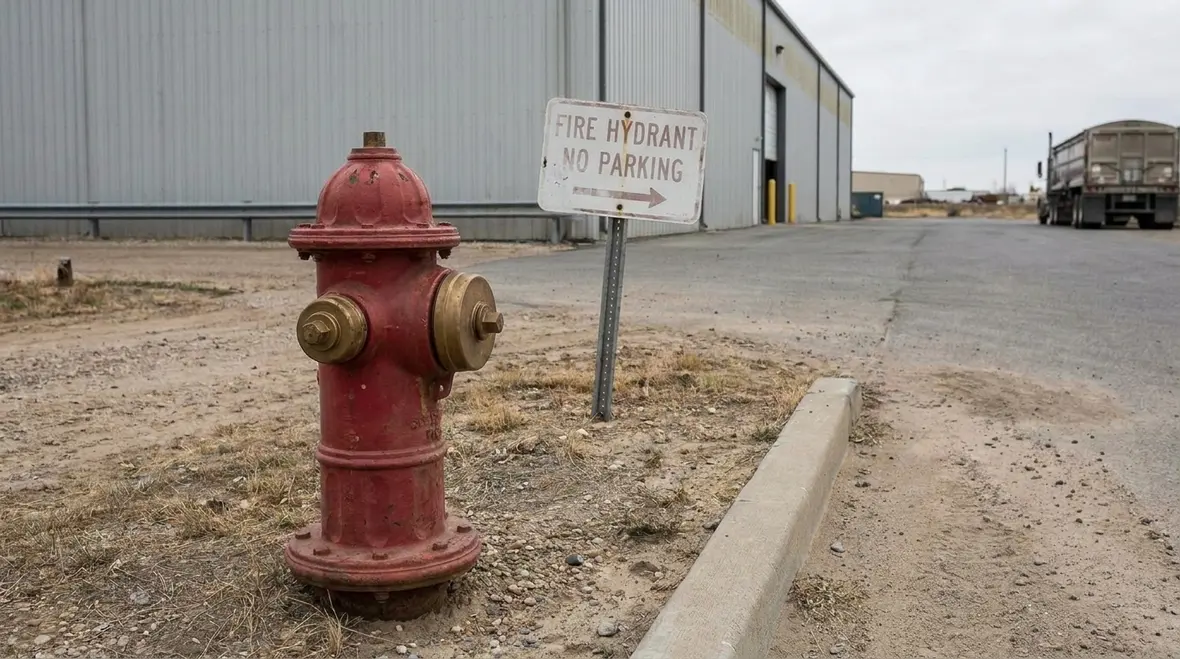
Hydrant spacing plays a major role in fire code compliance. If hydrants sit too far apart, crews may lose valuable time running hose lines or repositioning equipment. Therefore, spacing must match the site layout, building size, fire load, and local risk profile.
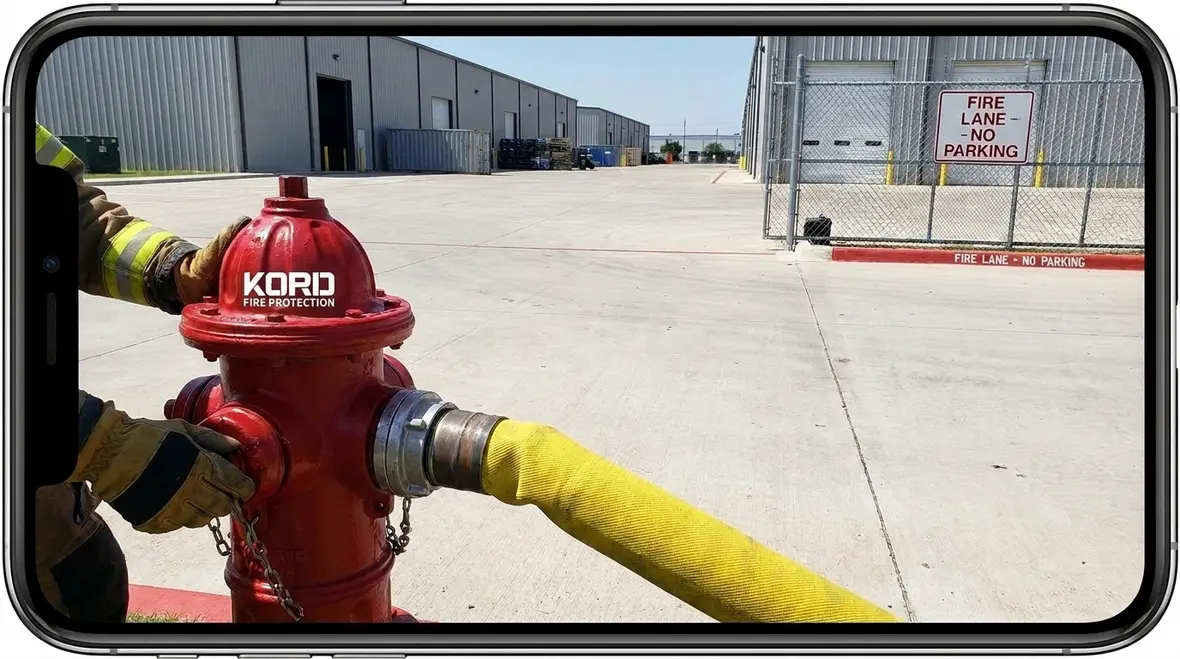
Access matters just as much. A hydrant behind locked gates, parked vehicles, or stacked pallets helps no one. Clear routes, visible markings, and enough working space around each hydrant are essential. In busy facilities, this often means ongoing site checks, because a hydrant hidden behind a delivery truck is about as useful as a flashlight with dead batteries.
Common spacing and access issues that create trouble
Many hydrant problems are not dramatic engineering failures. They are ordinary site management issues that pile up over time. A new fence line changes truck access. Storage slowly creeps into a hydrant clearance zone. Landscaping blocks sightlines. A resurfacing job changes levels around the pit or valve area. None of these sounds exciting, but each one can chip away at compliance and response speed. Site teams that review hydrants only during audits often discover these issues later than they would like.
- Fast fire truck access
- Clear hose deployment paths
- Safe working space around hydrants
- Reliable water supply for emergency use
Those points sound simple, but they pull a lot of weight. If even one of them breaks down, the whole emergency response process becomes clumsier. Firefighters should not have to improvise around poor access, awkward spacing, or mystery obstacles when the goal is rapid suppression.
Fire hydrant installation standards in commercial sites
Proper installation is the backbone of a dependable hydrant system. Fire hydrant installation standards guide pipe sizing, valve placement, pressure, flow, and connections. They also help make sure the hydrant fits the site’s risk level and can support real fire conditions.
For commercial and industrial properties, installation must consider more than just the hydrant itself. It must account for water supply, system pressure, traffic exposure, frost or environmental damage, and future site changes. If a warehouse expands or a retail estate changes traffic flow, the hydrant layout may need review. Good design thinks ahead, because fire safety should not be playing catch up.
That is why many facility managers treat hydrant design as part engineering, part risk control, and part common sense with a hard hat.
What good installation planning usually considers
A solid hydrant installation plan usually starts with a realistic view of the property, not a generic sketch. Teams should consider how fire crews will approach the site, where hose lines may need to run, what structures or hazards create the highest demand, and whether future construction could change risk. It is also wise to think about maintenance access from day one. If a hydrant is difficult to inspect, isolate, or repair, small servicing jobs may become larger disruptions later.
For readers wanting the broader fire code context around hydrants, access, and related system planning, Kord Fire Protection also covers the wider standard in NFPA 1: A Comprehensive Guide to Fire Prevention and Safety. It is a useful companion when Section 18.5 is only one piece of the compliance puzzle.
Why inspection and maintenance keep the system ready
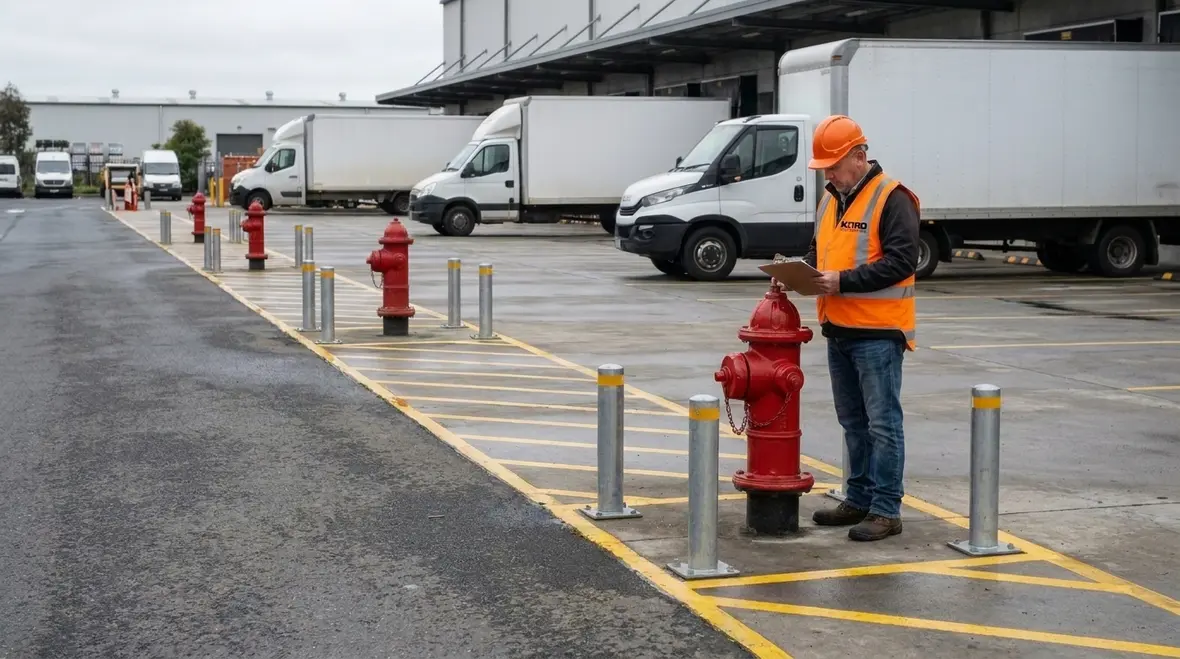
Hydrants do not stay compliant by wishful thinking. They need inspection, testing, and maintenance to stay in top shape. Over time, valves can seize, caps can corrode, and access can become blocked. Water flow can also fall below the level needed for an emergency response.
Regular checks help confirm that each hydrant opens properly, drains correctly, and remains visible and reachable. They also help identify damage from vehicles, weather, or site activity. Since many facilities across Australia operate in harsh or high traffic conditions, upkeep becomes essential. A hydrant that fails during a fire is not a minor issue. It is a crisis with bad timing.
Testing turns assumptions into evidence
Inspection is important, but testing is where confidence gets real. A hydrant can look tidy, stay painted, and still fall short on pressure or flow. That is why performance checks matter so much for larger commercial properties and higher hazard sites. If teams want hard numbers instead of crossed fingers, Kord Fire Protection’s exterior fire hydrant flow testing for commercial sites shows how professional testing can confirm emergency readiness and help turn vague concerns into practical next steps.
Maintenance records also deserve more respect than they usually get. Clear documentation helps prove a site is being managed responsibly, helps track recurring faults, and gives facility managers better visibility into where money should go first. When budgets are tight, good records help stop every hydrant issue from becoming a guessing contest.
How Kord Fire Protection can support the job
Kord Fire Protection can become a vital partner for facilities that need hydrant compliance, testing, and long term reliability. Their support can help businesses manage fire hydrant requirements NFPA style while also meeting practical site needs across Australia.
They can assist with system planning, installation, inspection, testing, maintenance, and repair. In addition, they can help site teams understand where a hydrant system may fall short and what steps can bring it back in line. For busy industrial and commercial operations, that kind of support saves time, reduces risk, and keeps compliance work from turning into a full time drama.
Site need
- Hydrant placement review
- Flow and pressure testing
- Routine inspection and upkeep
- Fault repair or replacement
How Kord Fire Protection helps
- Checks layout against code and site risk
- Tests performance for emergency readiness
- Keeps systems maintained and documented
- Restores hydrants so they stay dependable
What facility managers should check first
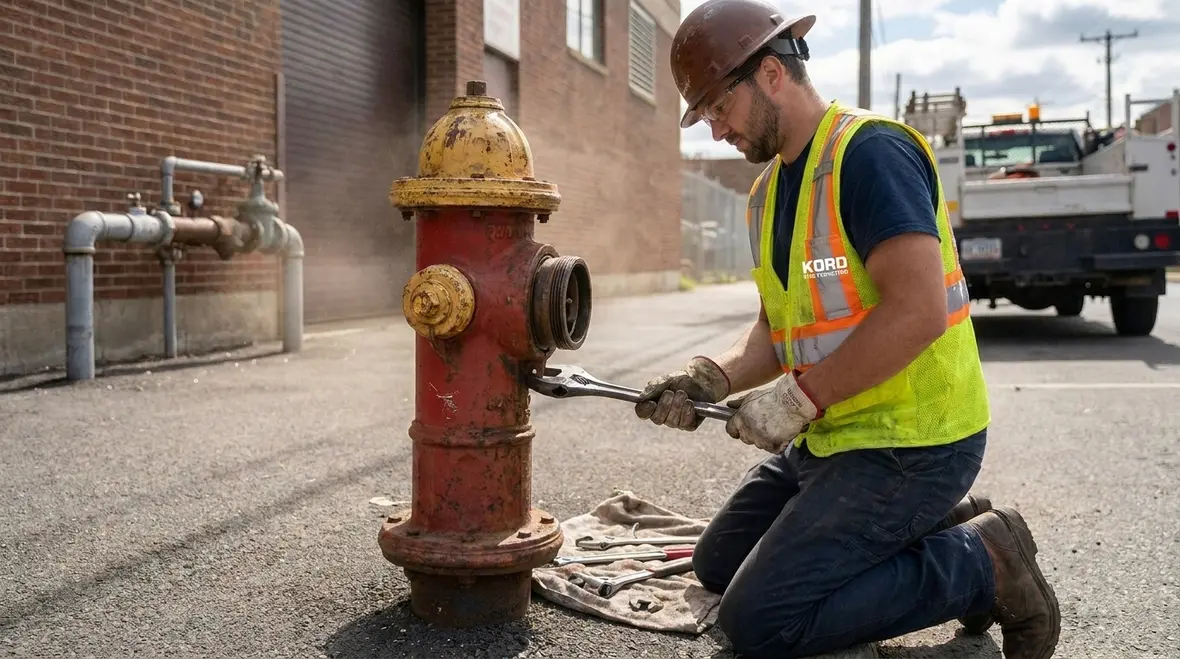
Facility managers should begin with three things: access, spacing, and performance. First, they should make sure crews can reach each hydrant without obstruction. Next, they should confirm the hydrant locations suit the site’s size and hazard level. Finally, they should verify that water supply and flow can support emergency use.
From there, a full compliance review can reveal deeper issues, such as damaged fittings, poor signage, or weak maintenance records. Because each site has its own layout and risk profile, a one size fits all approach rarely works. A serious fire safety plan should fit the site, not the other way around. The building does not get a vote, but it still demands attention.
A practical first pass checklist
- Check whether every hydrant is visible from likely approach routes
- Confirm vehicles, gates, bins, stock, or landscaping are not blocking access
- Review whether hydrant positions still make sense after site changes or expansions
- Look for signs of damage, corrosion, missing caps, or poor identification
- Verify inspection, testing, and maintenance records are up to date
This kind of review does not replace formal testing or code analysis, but it gives managers a sensible place to start. It also helps teams catch obvious issues before they become expensive lessons delivered at the worst possible moment.
FAQ
Keep hydrants ready before the alarm sounds
Fire hydrants only protect a site when they stay compliant, visible, and working. For industrial, retail, and commercial facilities across Australia, the right hydrant system helps protect people and assets with confidence. Good spacing, dependable water supply, safe access, and ongoing upkeep all work together to support faster response when conditions go bad.
Kord Fire Protection can help keep that system ready, from design checks to ongoing maintenance. With the right support, hydrant compliance becomes more manageable, less reactive, and far less likely to turn into a last minute scramble. When the pressure rises, the right partner makes all the difference.

Join Our Newsletter!
Get the latest fire safety tips delivered straight to your inbox From our Newsletter.