NFPA 1 Section 14.7 Exit Passageway Requirements, Protected Routes
Quick Answer: NFPA 1 Section 14.7 sets the rules for exit passageways so people can leave a building safely during a fire or other emergency. These routes must stay protected, clear, and ready to use. Near the practical side of that work, fire door services fit naturally into passageway reliability because doors, closers, latches, and seals are part of what keeps the route dependable. For industrial, retail, and commercial sites, Kord Fire Protection can help make sure those exits meet the standard and stay dependable.
In any busy site, the exit passageway fire code matters because it helps people move out fast when seconds count. The rated passageway NFPA rules set the protection level for these paths, while protected exit passageway requirements explain how the route must resist fire, smoke, and damage. That sounds simple enough, yet in real buildings with stock, staff, machinery, and public traffic, the details can get messy fast. That is where careful planning, testing, and expert support keep things from turning into a scene from a bad disaster movie.
Facilities teams often discover that an exit route is only as good as the weakest detail along it. One cracked seal, one wedged open door, one unapproved penetration, and suddenly the protected path is not looking so heroic anymore. That is why passageways deserve the same steady attention as alarms, sprinklers, and suppression systems. They may seem quiet compared with flashing strobes and flowing water, but when evacuation starts, these routes become the main event.
What NFPA 1 Section 14.7 Means for Exit Safety
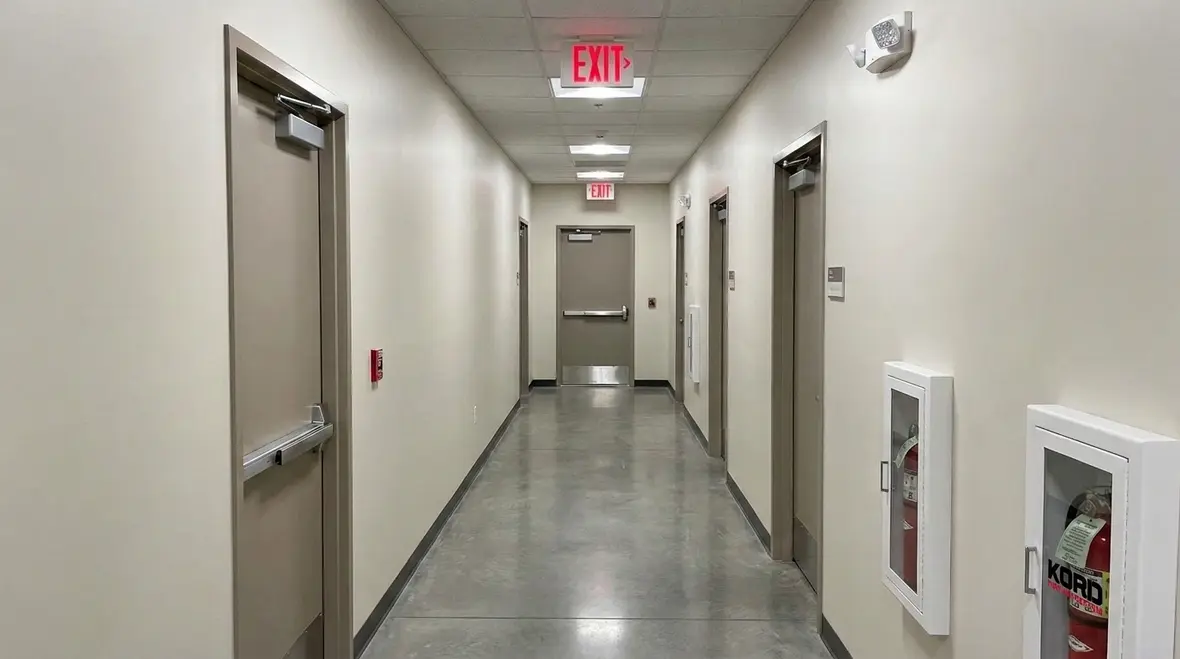
NFPA 1 Section 14.7 focuses on exit passageways as part of the building’s safe escape plan. These areas must provide a protected path from occupied spaces to a safe exit discharge point. In practice, the passageway cannot act like a storage room, a shortcut, or a place where life safety gets ignored because “it will be fine.” It must stay open, protected, and ready every day.
For commercial and industrial sites, this section matters because people often move through large floor areas, back rooms, service zones, and public access points. Therefore, the exit route has to work under pressure, not just on paper. A compliant passageway supports safe evacuation, emergency response, and building approval. It also reduces the risk of smoke spread, which can turn a short escape route into a very bad day very quickly.
This is also why broader code context helps. Kord Fire’s NFPA 1 comprehensive guide to fire prevention and safety is a useful companion when building owners want to see how exit passageway requirements connect with the larger fire code picture. Passageways are not some isolated side quest. They are part of the full life safety strategy that keeps a building usable, inspectable, and a lot less likely to surprise people in the worst possible way.
Why protected routes are different from ordinary corridors
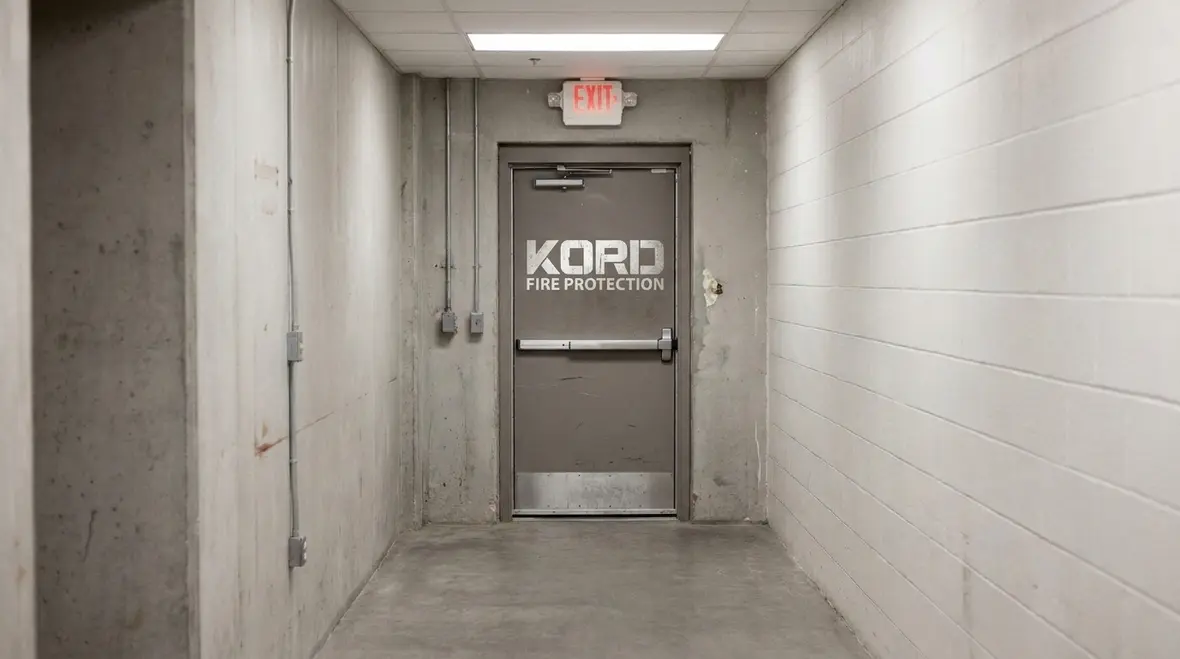
A standard corridor helps people move through a building. A protected exit passageway helps people survive leaving one during an emergency. That distinction changes everything. Construction, door assemblies, separation from hazards, and maintenance discipline all become more important because the route is expected to perform when visibility drops, stress rises, and nobody has time for improvisation. Buildings can get away with many minor annoyances during normal business hours. Egress systems are not one of them.
How the Exit Passageway Fire Code Shapes Daily Operations
The exit passageway fire code does more than guide design. It affects how the site runs. Doors must close properly. Openings must stay controlled. Walls and ceilings must keep their rating. Fixtures, wiring, and penetrations must not weaken the protected path. Even a small change, like a new cable run or an unsealed opening, can reduce protection.
As a result, facilities teams need a system that watches both the obvious and the easy to miss details. A passageway can look clean and still fail if a door does not latch or a fire stopping seal has been damaged. In the same way, a route can meet code on day one and drift out of compliance by day ninety if staff use it for storage. Fire safety is like that. It does not care about good intentions.
Daily operations are where many compliance problems quietly begin. Maintenance contractors cut into a wall and leave a gap around services. Deliveries arrive and pallets sit in the passageway “for just an hour.” A closer starts failing, then gets ignored because the door still sort of closes if you give it the right attitude. None of these issues feel dramatic in the moment, yet together they chip away at route integrity until the protected path is protected in name only.
Operational habits that quietly cause trouble
- Temporary storage that becomes suspiciously permanent
- Door wedges, hold opens, or damaged closers
- Retrofit work that leaves penetrations unsealed
- Poor housekeeping near discharge points
- Lighting and sign issues that only show up during low visibility conditions
Key Protected Exit Passageway Requirements Site Managers Should Know
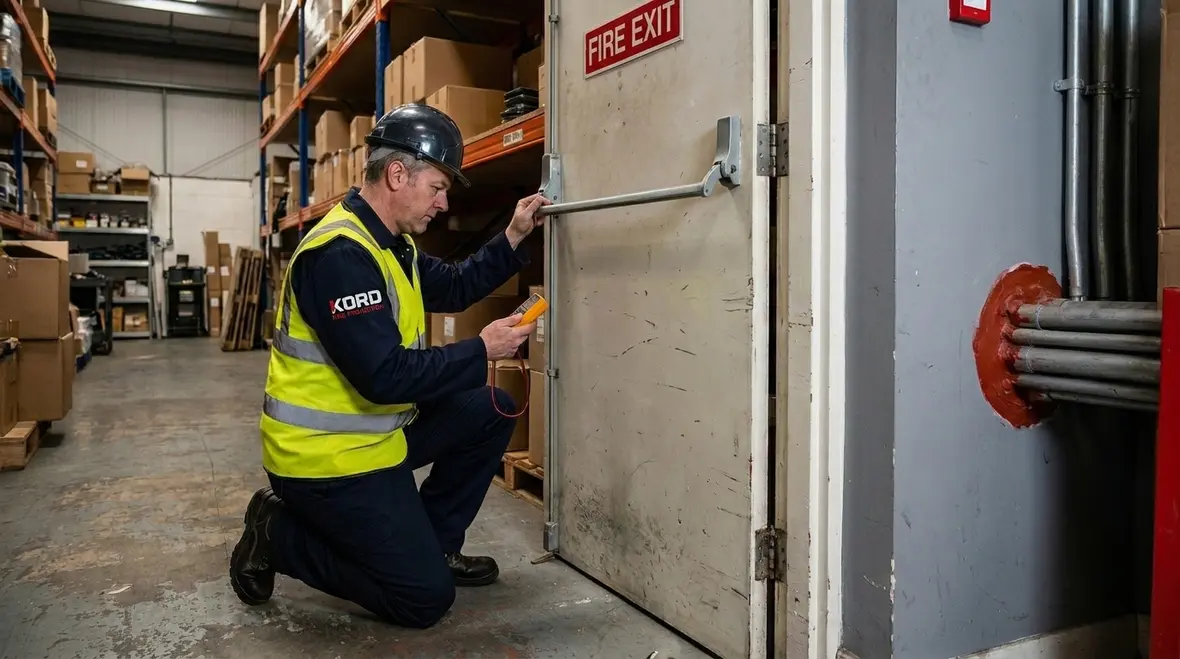
The protected exit passageway requirements usually cover fire resistance, continuity, separation, and clear travel. The route must remain distinct from hazardous areas and must not allow smoke or flame to spread into the escape path. It also needs proper doors, proper sealing, and a clear line of travel to the exit discharge.
- Fire rated construction that keeps the passageway protected
- Self closing doors that stay shut when needed
- Sealed openings, joints, and service penetrations
- Clear access with no storage or blocked paths
- Lighting and signs that help people move fast
In addition, the passageway should support the building’s emergency plan. That means the design should match how people actually move through the site. A warehouse with forklift traffic has different needs than a retail centre with high public flow. The rule is not just “build a wall and move on.” The rule is “make the escape route truly usable when things go sideways.”
Site managers should also think in terms of continuity. A route is not protected if only most of it is protected. One compromised opening, one noncompliant door leaf, or one poorly maintained section can undermine the performance of the whole passageway. That is why inspections must look at the full chain rather than treating components as unrelated pieces. Fire and smoke are famously rude about respecting organizational silos.
Details that deserve extra attention
The usual suspects include door labels, hardware function, frame condition, wall penetrations, ceiling integrity, signage visibility, emergency lighting performance, and the condition of discharge areas beyond the passageway itself. A route that dumps occupants into a cluttered or confusing exterior area does not exactly end the story on a high note. Protected travel needs to make sense from beginning to end.
Dual Column View: Common Problems and What to Check
Common issue
- Blocked route
- Damaged fire door
- Unsealed services
- Weak rating areas
- Poor visibility
What to check
- Remove stock, trolleys, pallets, and any temporary items
- Check closing action, latch, seals, and alignment
- Inspect pipes, cables, and penetrations for proper fire stopping
- Confirm walls, ceilings, and openings still match the required rating
- Test signs and emergency lighting during real site conditions
These checks may sound basic, yet they catch many of the issues that cause trouble during audits and inspections. Also, they help teams fix small faults before they grow teeth. That is a pretty good trade.
How Kord Fire Protection Supports Compliance
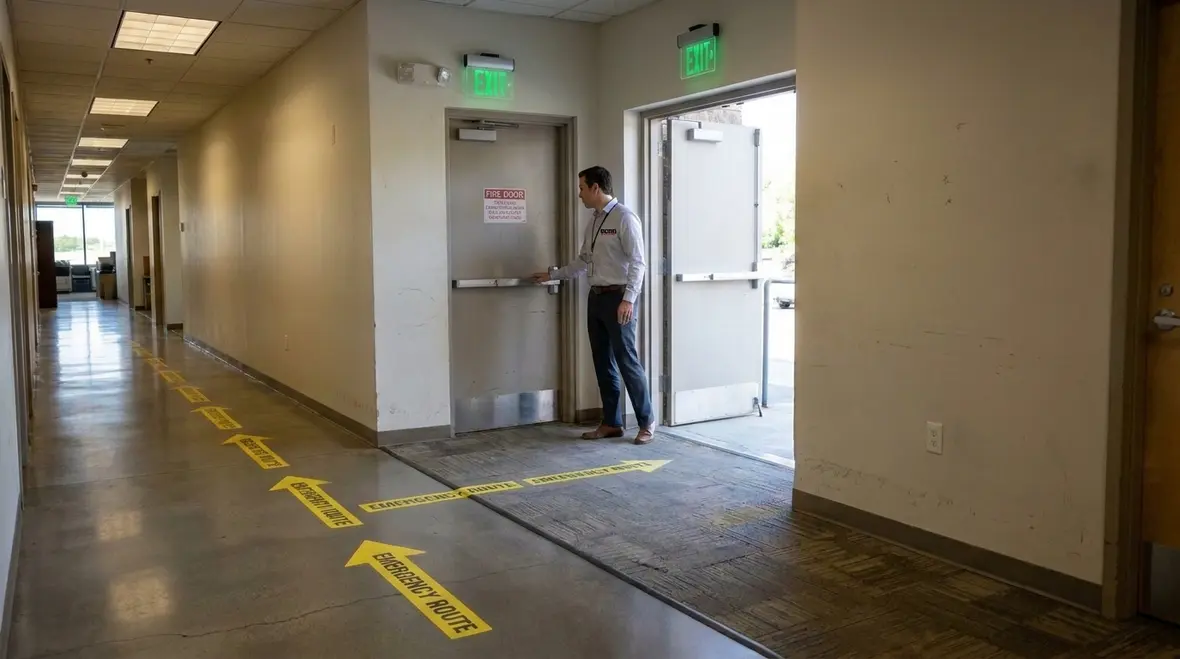
Kord Fire Protection can become a vital partner for facilities that need reliable support with exit passageway compliance. Their role matters because they can help identify gaps, guide upgrades, and support the testing and maintenance work that keeps a passageway compliant over time. That includes checking fire rated elements, service penetrations, door performance, and the overall condition of the protected route.
For commercial and industrial sites, this support saves time and reduces risk. Instead of guessing what meets the rated passageway NFPA standard, site teams can work with professionals who understand the code, the building, and the pressure of day to day operations. In other words, Kord helps keep the fire safety plan from becoming a paperwork costume worn by a building that is not actually ready.
That support is strongest when compliance is treated as an ongoing process rather than a one time event. The same building may see layout changes, tenant turnover, equipment upgrades, and maintenance work throughout the year. Each of those changes can affect exit passageway performance. Having a partner who can review the route with practical eyes makes it easier to catch issues early, document findings clearly, and keep the building aligned with real world conditions.
Where support often makes the biggest difference
- Routine inspections that catch wear before it turns into failure
- Guidance on upgrades after renovations or occupancy changes
- Assessment of fire doors, seals, and passageway barriers
- Coordination between egress components and broader fire protection systems
- Clear reporting that helps owners act before an inspector does it for them
Why Regular Inspection Protects the Whole Building
Exit passageways age like everything else. Doors wear out. Seals fail. Tenants change. Equipment gets installed. Then one day the route that once looked perfect no longer meets the exit passageway fire code. That is why regular inspection matters. It keeps the route aligned with current use, current risk, and current compliance needs.
Regular checks also help building owners avoid costly fixes later. A small fire stopping repair now is far easier than a major compliance issue after an audit or incident. Moreover, routine maintenance shows good care for staff, visitors, and emergency responders. That is not just smart. It is responsible business.
There is also a human factor that tends to get overlooked. People trust exit routes without thinking much about them, which is exactly how it should be. In an emergency, occupants should not have to wonder whether a door will latch, whether smoke will pour through an opening, or whether the final discharge area is clear. Regular inspection protects that trust. It turns hidden reliability into visible safety when the building needs it most.
FAQ
Bring the Exit Route Up to Standard
When a building depends on safe escape, there is no room for guesswork. Kord Fire Protection can help businesses review, improve, and maintain exit passageway compliance with confidence. For sites, the next step is simple: get the passageway checked, fix the gaps, and keep the route ready for the moment it matters most.
A protected route is one of those features people barely notice until they urgently need it. That is precisely why it deserves attention before a crisis arrives. Keep the doors working, keep the path clear, keep the barriers intact, and let the passageway do its job without drama. Fire emergencies bring enough drama already.

Join Our Newsletter!
Get the latest fire safety tips delivered straight to your inbox From our Newsletter.