NFPA 1 Section 10.17 Parade Float Fire Safety Australia
Quick Answer
NFPA 1 Section 10.17 sets the baseline for parade float fire safety by requiring a safer build, safer power sources, and better control of decorations and fuel risks. For industrial, retail, and commercial teams across Australia, it offers a practical model for reducing risk before a float rolls out and becomes a moving fire hazard.
When a parade float leaves the workshop, it should carry lights, colour, and attention, not a fire risk waiting for a headline. That is where parade float fire safety, parade float fire code, and decorative float fire regulations come into play. NFPA 1 Section 10.17 gives event teams a clear path to safer float design and use. For facilities, contractors, and brand teams across Australia, the lesson is simple: build smart, test early, and never let glitter outrun common sense.
If your team already works with broader fire protection support across Australia, it becomes much easier to bring float planning into the same compliance mindset. That means fewer last-minute surprises, clearer accountability, and a safer result when the big day arrives.
What NFPA 1 Section 10.17 Means for Float Builders
NFPA 1 Section 10.17 focuses on preventing ignition, slowing fire spread, and reducing fuel load. In plain terms, it tells builders to treat a parade float like a controlled structure, not a party wagon with a paint job. That means using safer materials, managing wiring, and keeping flame sources away from decorations that can catch fast and burn hot.
For commercial users, this matters because parade work often happens under tight deadlines. As a result, teams may rush wiring, stack decorations too close to power gear, or use materials that look harmless until heat finds them. Good planning cuts that risk before the float ever reaches the street.
Why builders should treat floats like temporary high-risk structures
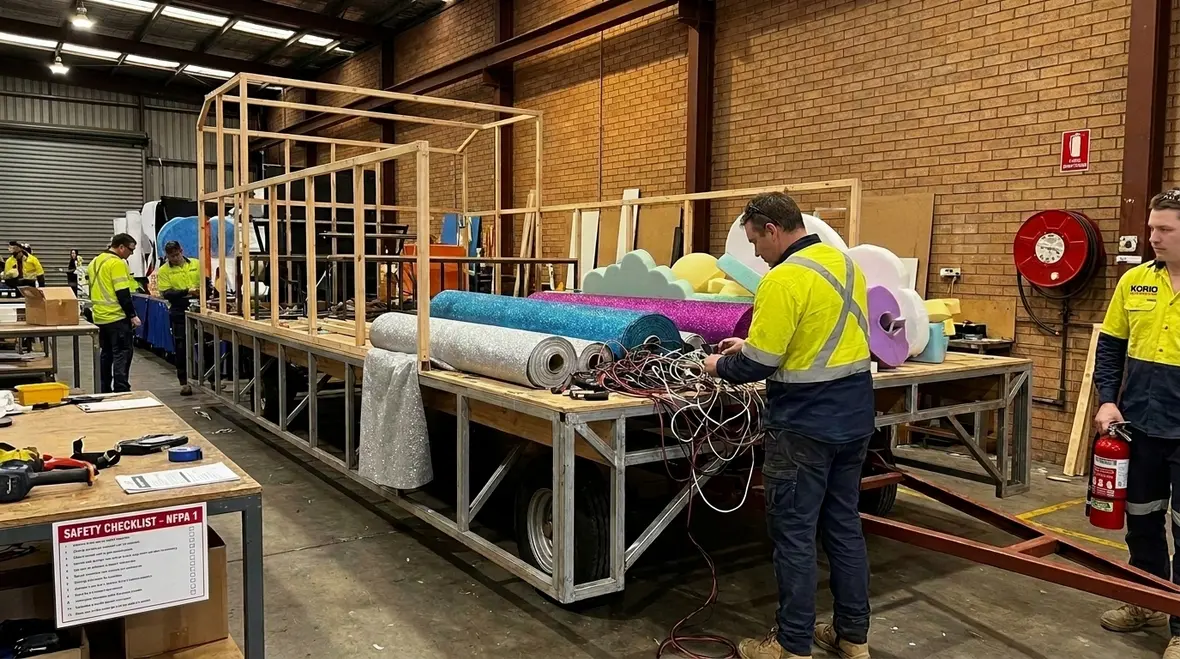
A float is temporary, but the fire consequences are very real. It may carry batteries, generators, decorative fabrics, signage, painted timber, plastics, performers, and electrical effects all in one compact footprint. That combination can create a surprising amount of heat load. The float may only exist for a short event window, yet it still deserves the kind of review a permanent installation would get. Temporary does not mean harmless. It just means the hazard has a schedule.
How Parade Float Fire Code Requirements Shape the Build
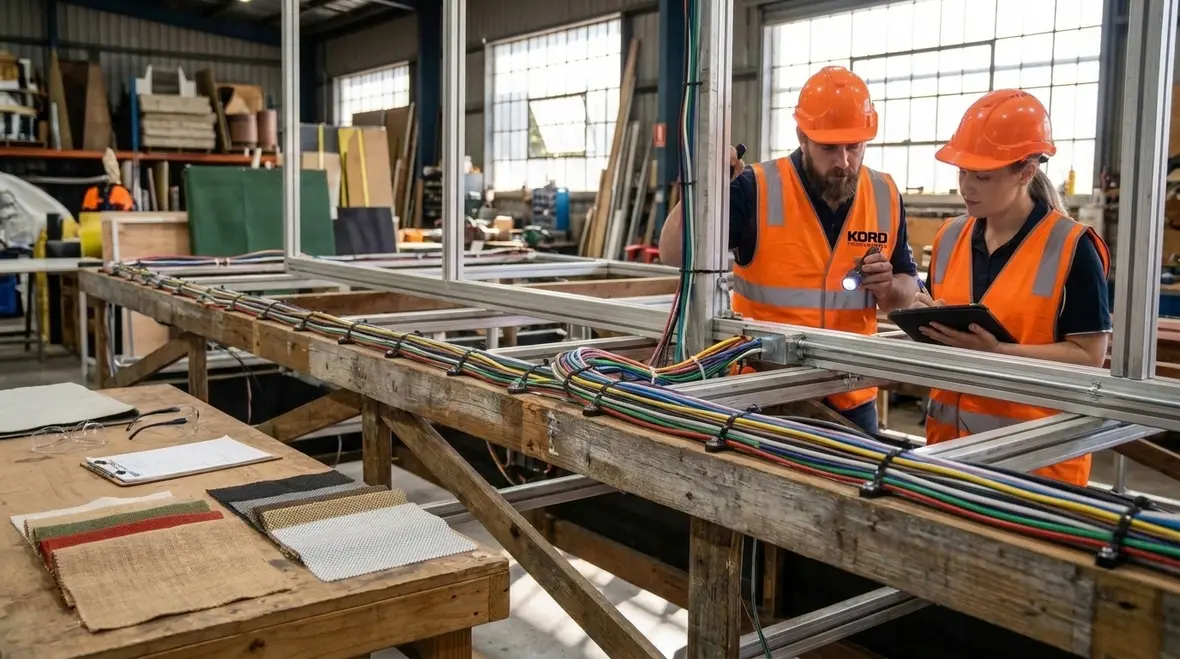
Parade float fire code rules usually expect builders to reduce flammable material, protect electrical systems, and keep access clear for quick action if something goes wrong. Therefore, every part of the float should support safe operation, from the platform frame to the lighting setup.
Common risk points include:
- Loose wiring hidden under fabric or foam
- Overloaded circuits from too many lights and devices
- Fuel driven equipment placed too close to decorations
- Heat sources near paper, plastic, or untreated timber
- Poor access to extinguishers and shutoff points
These issues sound basic, yet they cause trouble when teams focus only on how the float looks. The fire does not care if the float won first prize. It only cares whether it can spread. That is rude, but predictable.
Electrical planning is where a lot of good intentions go to die
The quickest way to sabotage a beautiful float is to treat wiring like an afterthought. Decorative lighting, amplified sound, moving elements, and charging equipment all compete for limited power capacity. Once extension leads multiply and adaptors start breeding in corners, risk rises fast. Builders should map loads, protect cabling from damage, separate power paths from combustible trim, and make shutoff access obvious. If someone has to move a papier-mache dragon to cut power, the design has already made a bad life choice.
| Build Element | Safe Practice |
| Power supply | Use appropriately rated sources and avoid improvised multi-adaptor chains |
| Cable routing | Keep wiring visible or protected, and away from pinch points and sharp edges |
| Decor placement | Maintain separation from lamps, motors, generators, and hot surfaces |
| Emergency response | Keep extinguishers and shutoffs easy to reach without climbing through props |
Decorative Float Fire Regulations and Material Choices
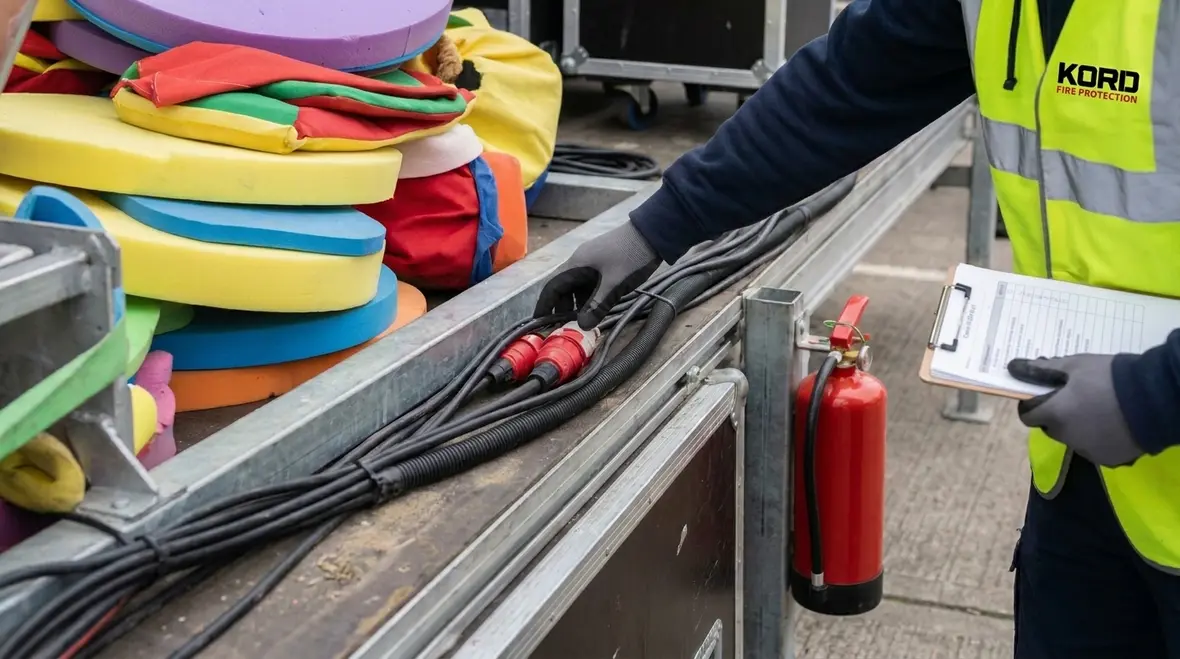
Decorative float fire regulations place heavy attention on the materials used for surfaces, props, and scenic features. Consequently, foam, fabric, and paper products should be chosen with fire performance in mind. Better still, the team should confirm whether materials are treated or tested for flame resistance before installation.
Safe material planning often includes:
- Using fire resistant coverings where possible
- Avoiding large areas of untreated paper or thin plastic
- Keeping exposed wiring off combustible surfaces
- Checking adhesives, paints, and coatings for heat reaction
- Separating hot equipment from decorative zones
In practice, this means the float can still look polished and creative. It simply does so without turning into a moving bonfire with a soundtrack. Even the best design cannot outrun bad material choice, and that is where disciplined review pays off.
Looks amazing is not a fire rating
Many float finishes are chosen for texture, shine, or sheer visual drama. Sadly, visual drama and fire performance are not close friends. Lightweight foams, synthetic fabrics, aerosol coatings, and aggressive adhesives can all react badly under heat. Teams should think in layers: what is the decorative surface, what is underneath it, what sits behind it, and what nearby component can heat up during operation. A beautiful outer shell does not help much if the inside behaves like kindling with confidence.
Where Kord Fire Protection Supports Parade Float Safety
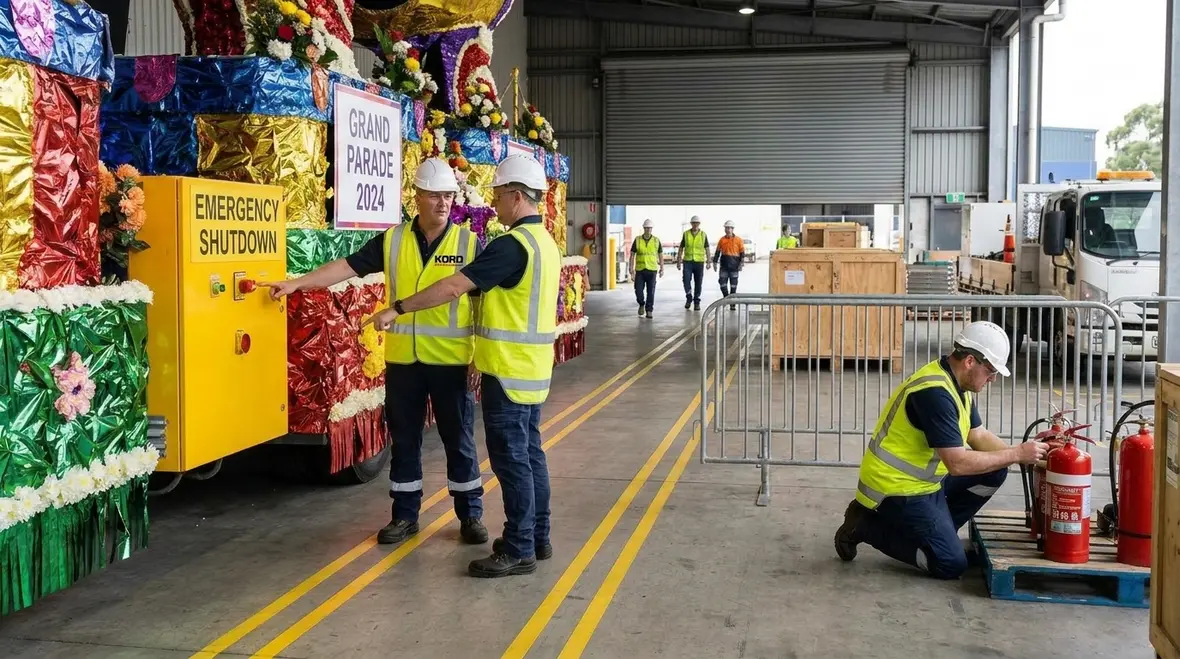
Kord Fire Protection can become a vital partner in this service by helping teams turn fire code language into practical action. For industrial, retail, and commercial clients, that support can make the difference between a smooth event and a costly incident. Moreover, a specialist partner helps teams spot risks that internal staff may miss during a busy build cycle.
Here is a clear view of where that support matters:
| Project Need | Kord Fire Protection Value |
| Float risk review | Identifies ignition points, fuel hazards, and weak electrical areas |
| Code guidance | Helps align the float with parade float fire code expectations and local safety goals |
| Equipment readiness | Supports extinguisher placement, access planning, and emergency setup |
| Build confidence | Gives teams a practical check before the float goes public |
That kind of support matters because event teams often juggle design, timing, transport, and public pressure all at once. Therefore, a fire protection partner helps keep the safety piece from getting lost in the spectacle. Batman may like dramatic entrances, but most businesses do not want smoke effects they did not book.
For readers wanting the bigger picture behind code logic and prevention strategy, Kord Fire Protection also covers that broader thinking in NFPA 1: A Comprehensive Guide to Fire Prevention and Safety. It fits naturally here because float safety works best when teams understand not just the rule, but the reason the rule exists in the first place.
How Commercial Teams Can Prepare Before Parade Day
Preparation should start well before the float reaches the parade route. First, the team should review the build with safety in mind. Next, they should test lighting, inspect cables, and confirm that any powered features work without creating heat buildup. Finally, they should assign people to watch for issues during setup, movement, and display.
Strong preparation also includes a short response plan. If a fault appears, someone should know who shuts off power, who calls for help, and where the extinguishers sit. In addition, crews should rehearse basic actions so they do not waste time when seconds matter.
A simple pre-parade checklist saves a lot of panic
- Confirm all electrical components are secured, rated, and tested under load
- Verify decorative materials near lighting or motors are suitable for the application
- Make sure extinguishers are present, visible, and accessible from ground level where possible
- Identify who can isolate power and who leads emergency communication
- Check transport and staging conditions so cables, props, and fuel sources stay controlled before launch
A list like this is not glamorous, but neither is explaining to management why the mascot almost became a case study. Parade operations reward teams that stay calm, methodical, and just suspicious enough of anything warm, overloaded, or draped in synthetic sparkle.
Why This Matters for Australian Industrial and Commercial Sites
Across Australia, businesses often support public events, brand activations, and community parades. As a result, parade float fire safety becomes more than a niche concern. It becomes part of responsible event delivery. Retail centres, manufacturers, contractors, and facilities teams all benefit when they treat float safety as a formal control, not a nice extra.
When teams apply the thinking behind NFPA 1 Section 10.17, they gain a safer process for design, build, and display. In turn, they protect staff, protect crowds, and protect the brand from avoidable trouble. That is a solid trade for a few extra checks.
Float safety also protects reputation, not just property
Public events are crowded, photographed, filmed, and remembered. One preventable incident can quickly become a brand problem, an operational problem, and a legal problem all at once. That is why parade float fire safety deserves executive attention as well as workshop attention. It protects people first, but it also protects the event outcome everyone worked hard to deliver. In other words, a little discipline behind the scenes helps the float stay famous for the right reasons.
FAQ
Conclusion
Parade floats should impress the crowd, not alarm it. For Australian industrial, retail, and commercial teams, Kord Fire Protection can help shape safer builds, smarter checks, and better event outcomes. When the goal is a strong public display with fewer fire risks, a trusted partner makes the whole process easier.
Reach out to Kord Fire Protection and give the next float a safer path to the spotlight. A little discipline before parade day goes a long way toward protecting people, brand reputation, and the kind of headline nobody wants to earn the hard way.

Join Our Newsletter!
Get the latest fire safety tips delivered straight to your inbox From our Newsletter.