
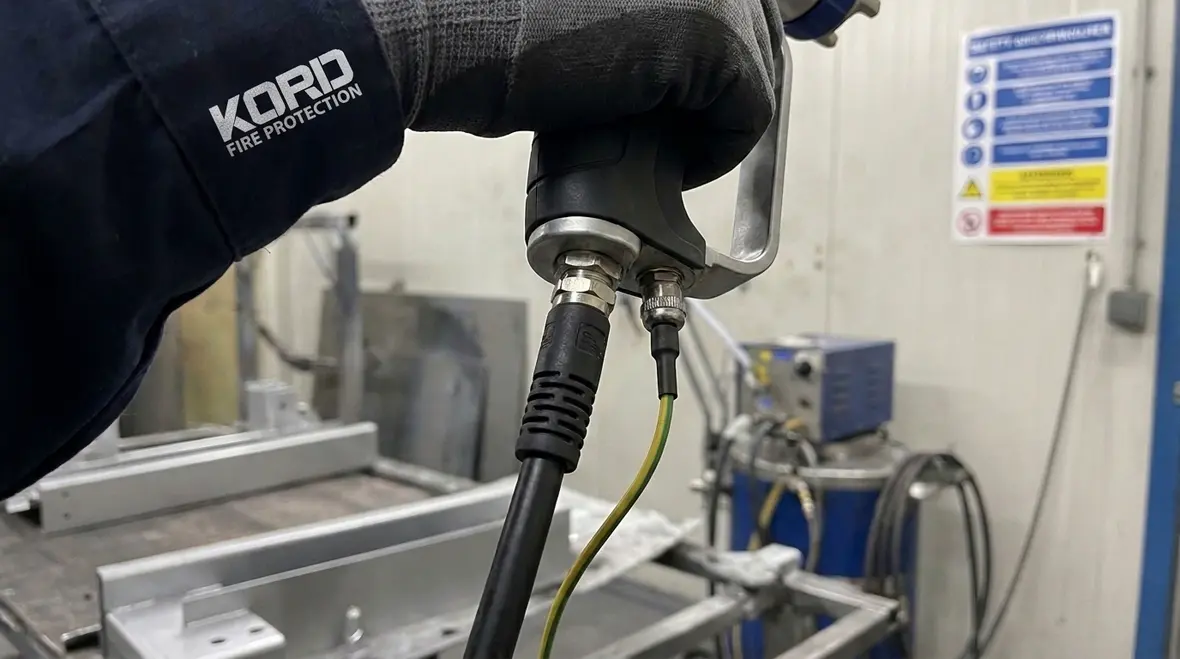
NFPA 33 Section 12.4: Electrical Components of Handheld Electrostatic Guns
Quick Answer
NFPA 33 Section 12.4 focuses on how handheld electrostatic gun electrical components must be designed, installed, protected, and maintained to support safe electrostatic operation. Compliance centers on preventing hazardous ignition, controlling energy, and ensuring components remain reliable through inspections, service, and testing.
Facilities managing broader inspection and maintenance programs can also review Kord Fire Protection services for support that fits naturally with code-compliant fire protection planning.
Why NFPA 33 Section 12.4 matters in real facilities
Commercial, industrial, and retail coating operations often deploy handheld electrostatic guns in production lines, maintenance bays, and finishing booths. The risk profile changes when a handheld unit is moved frequently, handled by operators with variable experience, and subjected to vibration, cleaning chemicals, and periodic relocation. NFPA 33 handheld electrostatic gun electrical components must therefore stay within safe functional limits throughout the equipment life, not just at commissioning.
In practice, compliance teams must manage more than paperwork. They must verify that the gun’s electrical subsystems remain protected, that insulation and interlocks continue to function, and that repairs do not introduce unapproved parts or altered performance. Kord Fire Protection supports facilities with compliance planning, inspection readiness, and ongoing service documentation to reduce operational downtime and risk exposure.
What Section 12.4 expects from handheld electrostatic gun electrical components
NFPA 33 Section 12.4 addresses the electrical aspects of handheld electrostatic guns, emphasizing that electrical components work as an integrated safety system. The core themes typically include safe generation and control of electrostatic potential, protection of energized parts, limitation of fault energy paths, and maintenance of component condition to prevent ignition hazards.
Key electrical subsystem areas facilities must account for
- High voltage generation and regulation: The electrostatic function depends on controlled high voltage. Any drift, damaged insulation, or regulator failure can degrade safe operation and elevate ignition risk.
- Electrical insulation integrity: Insulation must resist damage from normal handling, cleaning, heat, and exposure to coating materials and wash solvents.
- Interlocks and protective circuits: Devices that prevent operation under unsafe conditions must remain functional and must not be bypassed.
- Cable and connector condition: Wear, loose terminations, or damaged insulation can create arcing, intermittent faults, or loss of controlled output.
- Grounding and bonding interfaces: Safe electrostatic dissipation depends on reliable electrical continuity to ground through designated paths and approved hardware.
Facilities should treat these as inspection categories, not as one time acceptance criteria. NFPA 33 handheld electrostatic gun electrical components should be verified to remain within safe condition during routine maintenance and periodic evaluations.
Common compliance challenges during inspections and changeovers
Section 12.4 compliance issues often appear during normal business cycles: staffing turnover, equipment relocation, schedule-driven maintenance, and quick fixes. Many failures originate from practical work processes rather than from design intent.
Top failure points seen in the field
- Improper component replacement: Substituting non approved electrical parts or “like for like” parts that differ in voltage rating, insulation class, or connector geometry.
- Connector contamination: Coating overspray and wash residue can create conductive paths across insulation surfaces, increasing risk of tracking or arcing.
- Ground path compromise: Loose clamps, corroded contact points, paint buildup at bonding surfaces, or missing grounding accessories.
- Damaged insulation on power leads: Abrasion from motion, kinks from storage, or chemical degradation from incompatible cleaners.
- Unverified repair quality: Repairs performed without documented test results that confirm output stability and safety circuit behavior.
Commercial facilities should standardize maintenance workflows so that every repair includes verification steps required for safe electrical performance. This approach helps support consistent compliance during internal audits and third party assessments.
Operational procedures that keep electrical safety intact
Section 12.4 compliance does not stop at inspection. It relies on operator practices and documented maintenance procedures that protect the gun’s electrical components from preventable damage.
Recommended operational controls
- Controlled startup and shutdown: Operators should follow manufacturer procedures to reduce stress on high voltage components and interlock circuits.
- Handling and storage discipline: Facilities should require dedicated storage that prevents cable strain, connector damage, and insulation contact with solvents that degrade materials.
- Cleaning that protects insulation: Only approved cleaning methods and chemicals should be used. Improper solvents can change insulation characteristics.
- Clear lockout expectations: Any removal, service, or inspection of electrical components should be coordinated with facility lockout procedures to prevent energized exposure.
These controls integrate with fire protection and industrial safety programs, including hot work permits and ignition source management, because electrostatic systems operate in environments where flammable vapors may be present.
Inspection and maintenance: what good looks like for handheld units
To support NFPA 33 handheld electrostatic gun electrical components compliance, facilities should implement a structured inspection and maintenance regimen. The goal involves detecting degradation early and verifying that repairs restore safe electrical function.
Inspection items to verify on handheld guns
- Visual condition checks: Look for insulation cracks, abrasion points, damaged cable jackets, and signs of arcing or heat discoloration.
- Connector integrity: Verify seating, locking hardware, and cleanliness of contact areas.
- Grounding continuity: Confirm bonding interfaces remain secure, clean, and electrically continuous per facility standards.
- Interlock and protective circuit verification: Ensure protective functions trigger as intended and remain unaltered after service.
- Function testing after maintenance: Validate electrostatic performance and protective behavior with manufacturer accepted testing methods.
Facilities should keep service records that link component replacement to verification results. Where available, documentation should include part numbers, service dates, technician identification, and test outputs.
For facilities seeking dependable compliance support, Kord Fire Protection helps coordinate inspection readiness and ongoing safety program support. To align your program with broader electrical and fire safety responsibilities, facilities can review related guidance through NEC grounding and bonding requirements for buildings.
How to plan compliance across shifts, contractors, and facility changes
Many coating facilities operate multiple shifts and rely on contractors for periodic service. A compliance plan must handle variations in training, maintenance scheduling, and part sourcing.
Practical strategies
- Standardize training: Ensure operators understand safe handling rules that prevent insulation and cable damage.
- Control parts supply: Use approved sources and maintain traceability for electrical replacement components.
- Define responsibility boundaries: Clarify whether contractors conduct testing and whether facility staff verify results and log outcomes.
- Update procedures after equipment changes: If gun models change, or the charging module is swapped, require a documented revalidation plan.
This planning reduces the most common gap: the facility assumes “repair equals compliance” without verifying safe electrical performance after changes. A structured approach improves consistency and supports safer operations.
Frequently Asked Questions
Conclusion and next steps
NFPA 33 handheld electrostatic gun electrical components require disciplined inspection, approved repairs, and documented verification to remain safe over time. Facilities should standardize operator handling, control part sourcing, and confirm protective and grounding functions after every service event. Kord Fire Protection can help you build a practical compliance workflow, coordinate inspection readiness, and support ongoing maintenance records so your handheld electrostatic guns stay reliable and audit ready. Contact Kord Fire Protection to schedule a compliance support review.

Join Our Newsletter!
Get the latest fire safety tips delivered straight to your inbox From our Newsletter.



