
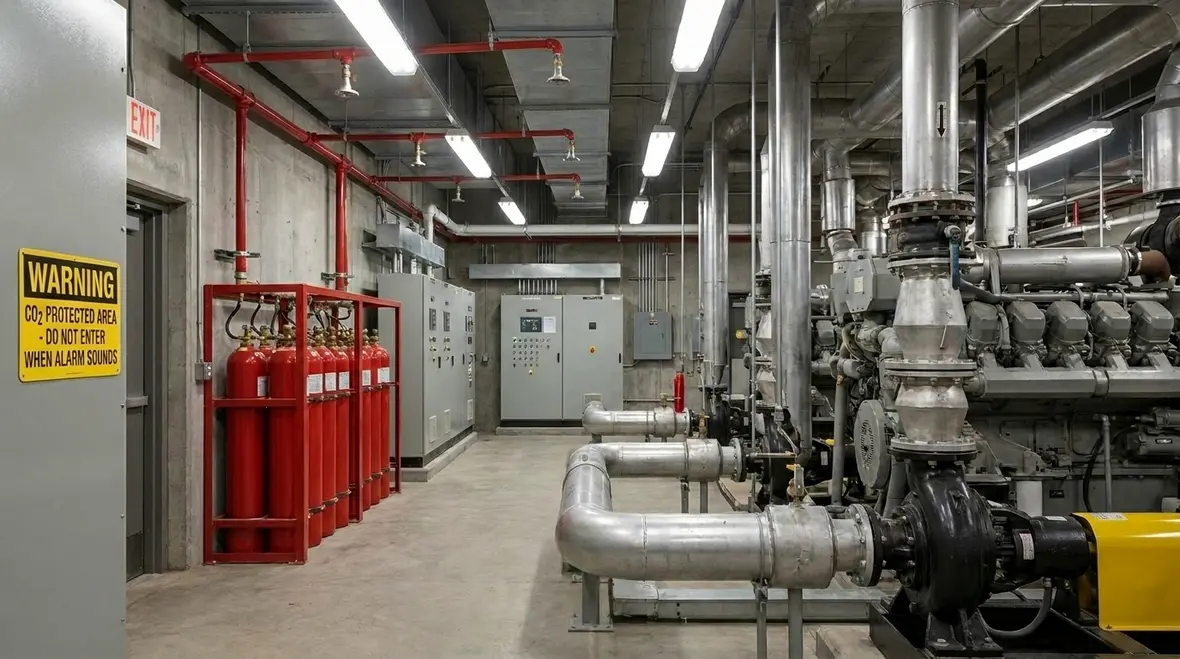
Machinery Space CO2 Suppression With Kord Fire Protection
In machinery spaces, where heat, oil, and electrical gear sit close together, machinery space CO2 suppression can act like a calm, fast insurance policy. Instead of flooding areas with messy powders or wet agents, this system quickly discharges carbon dioxide to reduce oxygen around a fire, helping stop flames from spreading. And yes, it is as serious as it sounds, which is a good thing when the alternative is letting a small problem turn into a costly “learning experience.”
From hazards unique to engine rooms and turbine areas to the real world needs of operation and compliance, the right design and service plan matters. Kord Fire Protection can become a vital partner by managing inspections, coordinating documentation, and helping teams keep the system ready when seconds really count.
Quick note: CO2 systems are not one size fits all. They demand correct siting, controls, and maintenance so they work as intended.
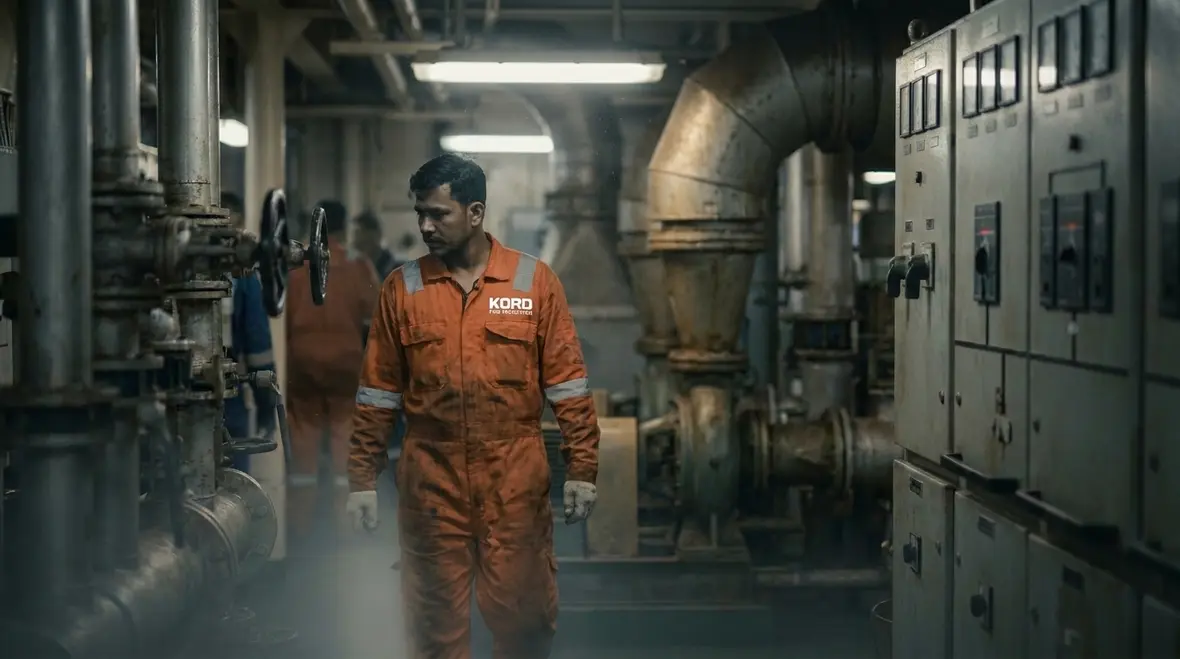
Machinery space CO2 suppression works by changing the oxygen level
CO2 extinguishment depends on a simple physics idea: fire needs oxygen to keep going. When the system releases CO2 into the protected enclosure, the oxygen concentration drops. As a result, the flame loses its ability to sustain combustion, even if fuel and heat sources still exist.
In machinery spaces, where a fire can start inside cabinets, around pumps, or near switchgear, this approach offers a clean method. It typically avoids residue that can damage precision equipment. However, the environment must be sealed well enough for the agent to stay concentrated where it matters.
Therefore, a good job starts before any discharge ever happens. A contractor must consider enclosure boundaries, ventilation behavior, and door access. If the space “breathes” too much, the CO2 may disperse faster than the system needs it to.
Why enclosure behavior matters so much
That point tends to separate strong installations from disappointing ones. A machinery room may look enclosed on paper, yet still lose agent through cable penetrations, louvers, worn door seals, or ventilation paths that stay open longer than expected. The system can be perfectly respectable and still lose its edge if the room behaves like it has one foot indoors and one foot outdoors. CO2 is not being dramatic when it asks for a proper enclosure. It is just asking the room to commit.
Where CO2 systems fit in modern machinery rooms
Machinery spaces vary, yet patterns show up. Engine rooms, compressor areas, boiler rooms, generator compartments, and large equipment halls all carry similar risks: fuel sprays or leaks, hot surfaces, electrical faults, and combustible insulation.
In many facilities, CO2 suppression fits when these conditions are present:
- The space can be treated as an enclosure with controllable ventilation
- The protected equipment benefits from a low residue approach
- The organization can support alarm, shutdown, and controlled discharge procedures
- Staff follow access and safety rules during activation
Also, facilities often pair CO2 with detection and control logic. Smoke detection, heat detection, or both may trigger the sequence. Then controls can stop fans, close dampers, and shut down certain processes. That sequence matters because CO2 does not perform well when the room is actively pulling outside air in.
Now, to keep the mood from turning too grim, a good CO2 system can feel almost like a “time out” for a fire. It does not punish the room. It just refuses to let the fire continue. The difference is that unlike a referee, it does not forget.
This is also where broader system planning starts paying off. Facilities that operate multiple suppression strategies often benefit from reviewing how one protected area interacts with the rest of the building’s life safety plan. For teams comparing options across hazards, Kord Fire Protection’s CO2 fire suppression systems page offers a useful overview of how these systems fit into real protection strategies.
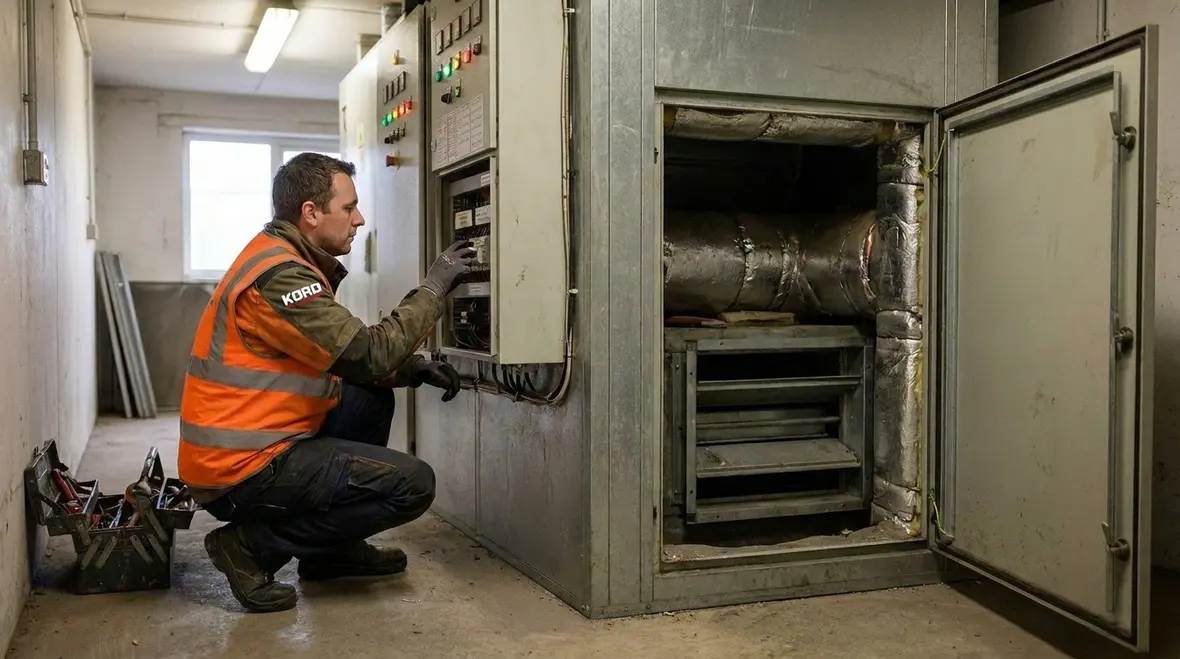
Design details that make or break performance
Even an excellent CO2 installation can underperform if design details get skipped. That is why machinery space CO2 suppression should follow a structured approach that covers hazard analysis, enclosure integrity, and control strategy.
Key design factors include:
- Proper agent sizing based on room volume, leakage rates, and expected operating conditions
- Discharge outlet layout to avoid dead zones and poor distribution
- Ventilation and damper logic so the space holds the agent long enough
- Door sealing and access management to prevent unnecessary gas loss
- Control panel sequence that coordinates alarms, delays, and equipment shutdown
In addition, the system must consider the day to day reality of the machinery space. Maintenance doors open. Portable equipment moves. Operators start up systems and adjust vents. Therefore, the system design must include operational assumptions, not wishful thinking.
When those assumptions align with reality, CO2 suppression becomes more than a spec on paper. It becomes a predictable, tested method that protects the assets people rely on for uptime.
Sequence logic is where a lot of success lives
Control logic deserves more respect than it usually gets. If alarms, delays, shutdowns, damper closures, and release steps are out of rhythm, the whole response can feel like an orchestra warming up instead of a coordinated performance. The goal is clean sequencing, not interpretive dance. That is one reason facilities often benefit from related reading on Kord Fire Protection’s site, such as Fire Pump Testing Requirements – Things To Know, which reinforces how readiness depends on disciplined testing and reliable system behavior across life safety equipment.
Safety, alarms, and the human side of CO2
CO2 is effective, but it also creates hazards if people are present during discharge. For that reason, safety features and clear procedures must lead every installation and service cycle.
Typically, a CO2 suppression job includes:
- Audible and visual alarms that warn before discharge
- Pre-discharge time delays designed to allow evacuation
- Emergency stop and shutdown actions where appropriate
- Clear signage and access control for the protected areas
- Training so operators know what happens and when
Moreover, the best teams treat these systems as part of operations, not just fire safety. They build checklists, conduct drills, and review outcomes after unusual events. That way, when alarms sound, staff respond with confidence, not confusion.
And because every serious workplace deserves a little levity, consider this: no one wants a “surprise” discharge. The goal is to make the surprise go away, like a plot twist you did not order from the streaming service.
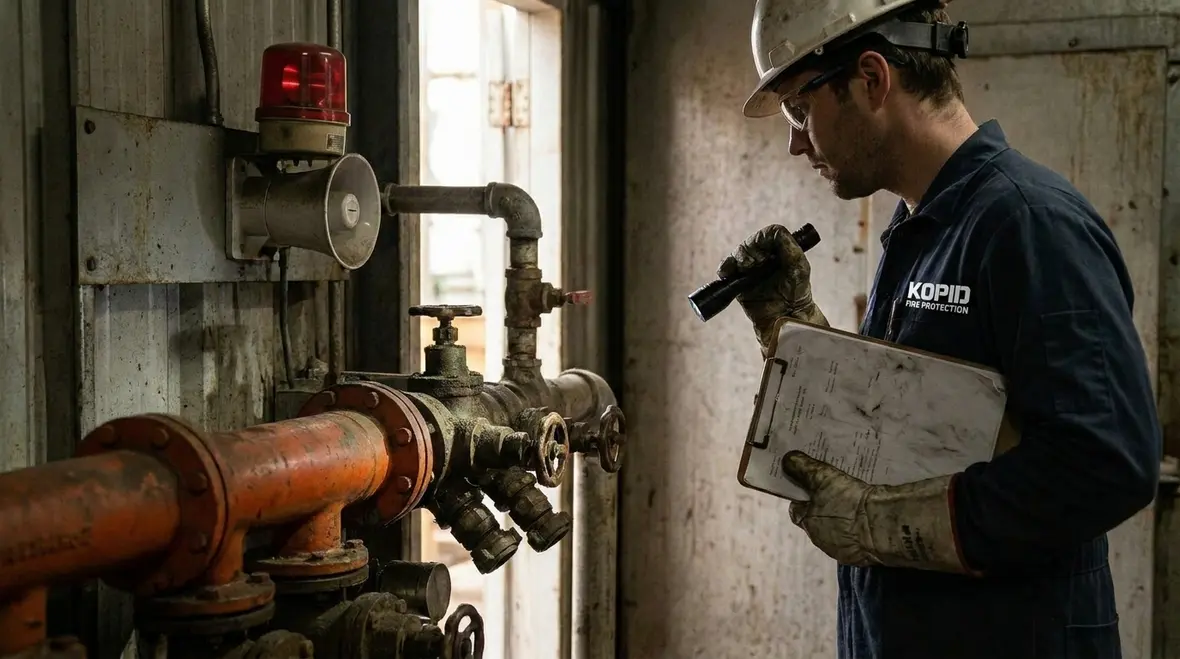
How Kord Fire Protection becomes a vital partner
CO2 systems need more than occasional visits. They require inspection, testing, documentation, and prompt corrective actions when something drifts out of spec. That is where Kord Fire Protection can become a vital partner with CO2 fire suppression for machinery spaces.
In practice, that partnership can include:
- Scheduled inspections that verify integrity of detection, controls, and release components
- System performance checks to confirm alarms, delays, and interlocks operate correctly
- Maintenance planning that accounts for operational downtime and seasonal risks
- Recordkeeping support that helps teams stay audit ready
- Coordination guidance for ventilation behavior and operational procedures
Also, Kord Fire Protection can help connect the fire protection system with the machinery space reality. For example, they can ensure the control logic aligns with how equipment runs, and they can support updates when machinery changes or enclosure layouts shift.
That matters because machinery spaces rarely stay frozen in time. A new pump. A moved cabinet. A repaired wall. Each change can affect enclosure performance. With the right partner, those updates do not silently weaken protection.
Upkeep plan for CO2: what service should include
CO2 suppression demands a consistent service approach so it remains dependable when needed. Instead of treating maintenance like a box to check, a strong plan focuses on verification, correction, and readiness.
A practical service program typically reviews and documents:
- Detection and control wiring for integrity and correct response
- Release hardware status and condition per manufacturer requirements
- Valve, actuator, and discharge pathway checks to confirm they move as designed
- Alarm and pre-discharge timing against the planned sequence
- Local procedures such as access rules and post event steps
Meanwhile, teams should also track trends. If faults appear repeatedly, it usually signals an underlying issue, like a recurring operational pattern that interferes with the enclosure assumptions. By addressing the root cause, the organization keeps machinery space CO2 suppression operating with confidence.
Finally, service planning should include how the facility will respond after any event. If a discharge occurs, even a small one, the site must follow a clear process for ventilation, equipment evaluation, and system restoration.
Readiness gets stronger when service is connected to the right team
Near the practical end of the article, this is where the conversation should land: service support matters because protected machinery spaces are operational assets, not museum exhibits. If your team needs broader inspection, testing, installation, or maintenance help beyond one hazard, Kord Fire Protection’s fire suppression services page is a strong next step for connecting this CO2 discussion to a larger protection plan.
FAQ: machinery space CO2 suppression and service basics
Closing CTA: secure readiness with Kord Fire Protection
Fire protection should not feel like guesswork, especially in machinery spaces where downtime and damage can multiply fast. Kord Fire Protection helps facilities maintain CO2 fire suppression readiness through structured inspection, maintenance planning, and documentation support. If the system exists, keep it dependable. If it is outdated, upgrade the parts that affect performance and safety sequences.
Reach out to Kord Fire Protection to review the current setup and build a maintenance plan that keeps the machinery space protected, calm, and ready. For teams that want a direct path to broader support, visit Kord Fire Protection’s fire suppression services page and take the next step toward a cleaner, better coordinated protection strategy.

Join Our Newsletter!
Get the latest fire safety tips delivered straight to your inbox From our Newsletter.



