Los Angeles Fire Code Regulation 4 Guide for Property Owners
What Is Regulation 4 in Los Angeles Fire Code? A Full Breakdown for Property Owners
In a city where wildfires make headlines and high rises shape the skyline, safety is not a suggestion. It is a mandate. Los Angeles fire code regulation 4 sits at the center of that mandate. While the wording inside the code may sound technical, its purpose is simple. It sets clear standards for fire prevention, system maintenance, and the responsibilities of property owners across the city. From apartment buildings to commercial warehouses, this regulation shapes how structures prepare for emergencies.
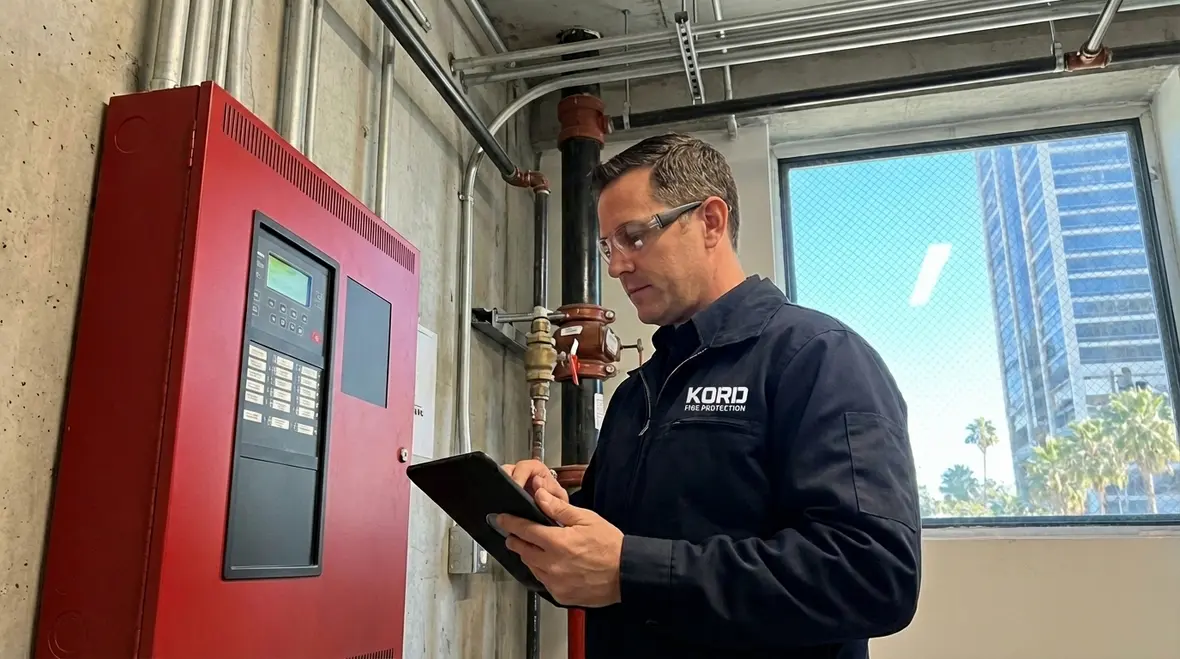
However, understanding it is not always easy. That is where experienced professionals, including Kord Fire Protection technicians, step in. They break down the fine print, translate legal language into real world action, and ensure buildings meet every requirement without the drama of a last minute inspection scramble.
Let us walk through what this regulation covers, why it matters, and how it affects property owners in practical terms.

The Purpose Behind Regulation 4
At its core, Regulation 4 of the Los Angeles Fire Code focuses on fire prevention systems, operational permits, and compliance procedures. It establishes how fire protection systems must be installed, inspected, tested, and maintained. Moreover, it clarifies who is responsible when something goes wrong.
Although the language can feel dense, the goal is straightforward. The city wants every building equipped with reliable systems that work when seconds count. Therefore, Regulation 4 addresses key areas such as:
- Fire alarm systems
- Automatic sprinkler systems
- Standpipe systems
- Fire pumps
- Emergency responder radio coverage
- Hazardous material permits
In addition, it outlines documentation standards. Inspections are not just about turning a wrench and checking a box. Property owners must maintain detailed records to prove compliance. If it is not documented, it might as well not have happened.
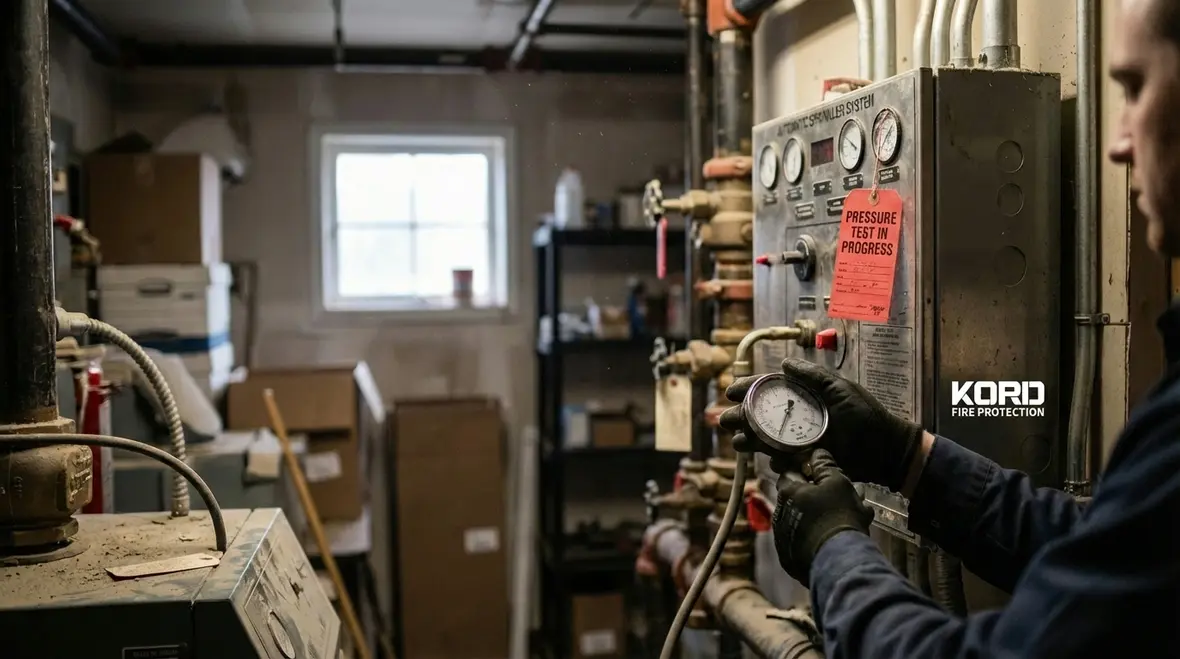
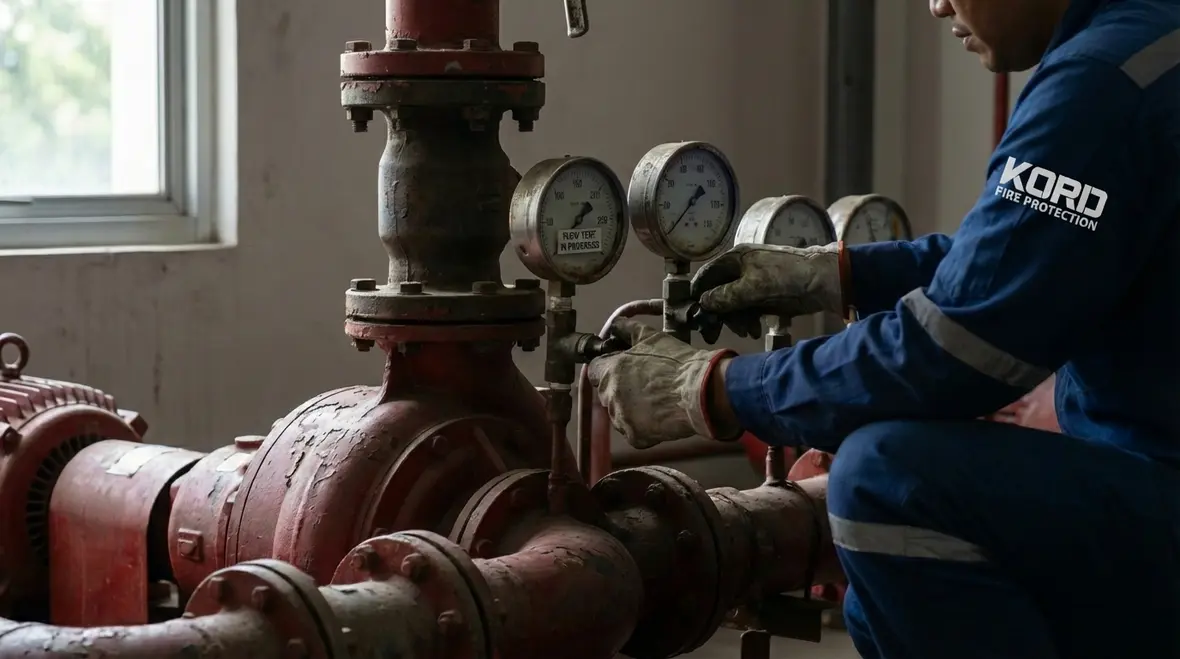
For building systems like fire pumps, specialized tests such as the Regulation 4 fire pump test help verify that equipment performs at peak conditions when an emergency strikes. This close alignment between code requirements and real world performance is what keeps occupants safer and buildings compliant.
How Los Angeles Fire Code Regulation 4 Impacts Property Owners
Accountability Built Into The Code
Property owners often ask how this regulation affects them directly. The answer is both simple and serious. It makes them accountable.
First, owners must ensure that required fire protection systems are installed according to approved plans. Next, they must schedule routine inspections and testing at intervals defined by code. Finally, they must correct any deficiencies promptly.
For example, a commercial building with a sprinkler system cannot assume installation is the end of the story. Instead, Regulation 4 requires periodic testing to confirm valves function correctly, pressure levels meet standards, and alarms communicate with monitoring services. If a component fails, repairs must occur without delay.
Kord Fire Protection technicians often explain it this way. Installing a fire system without maintaining it is like buying a gym membership and never showing up. It looks responsible on paper, but it does not build strength when it counts.
Connecting Regulation 4 To Real Systems
In practice, Regulation 4 requirements touch multiple systems at once: fire alarms, sprinklers, standpipes, and especially fire pumps. Many property owners in taller or more complex buildings rely on dedicated fire pump systems to deliver enough pressure to upper floors. Making sure those pumps pass both NFPA and Regulation 4 criteria is where a specialist becomes invaluable.
Working with a provider experienced in fire pump service and Los Angeles specific rules keeps everything aligned. When your systems are designed, tested, and documented correctly, passing inspections becomes routine rather than stressful.

Installation Standards and Plan Review Requirements
Getting Approved Before Anything Is Installed
Before a system ever protects a building, it must pass through a strict review process. Regulation 4 requires detailed plans to be submitted to the Los Angeles Fire Department for approval. These plans must demonstrate compliance with city standards and recognized national codes.
Therefore, contractors cannot simply rely on general industry practices. They must align with local amendments that reflect Los Angeles specific risks, including seismic activity and wildfire exposure.
Why “Measure Twice” Matters
Once approved, installations must follow the submitted design precisely. Any deviation can trigger reinspection or penalties. Consequently, experienced fire protection companies work closely with city officials to ensure accuracy from the start.
Kord Fire Protection technicians often guide property managers through this phase. They clarify which systems are mandatory, what documentation is required, and how to avoid costly revisions. As they like to say, it is far easier to measure twice than to tear into drywall later.
Inspection, Testing, and Ongoing Maintenance Duties
From One-Time Project To Long-Term Responsibility
If installation is the opening act, inspection and testing are the long running show. Regulation 4 lays out clear intervals for reviewing fire protection systems. Some components require monthly checks. Others require annual or multi year testing.
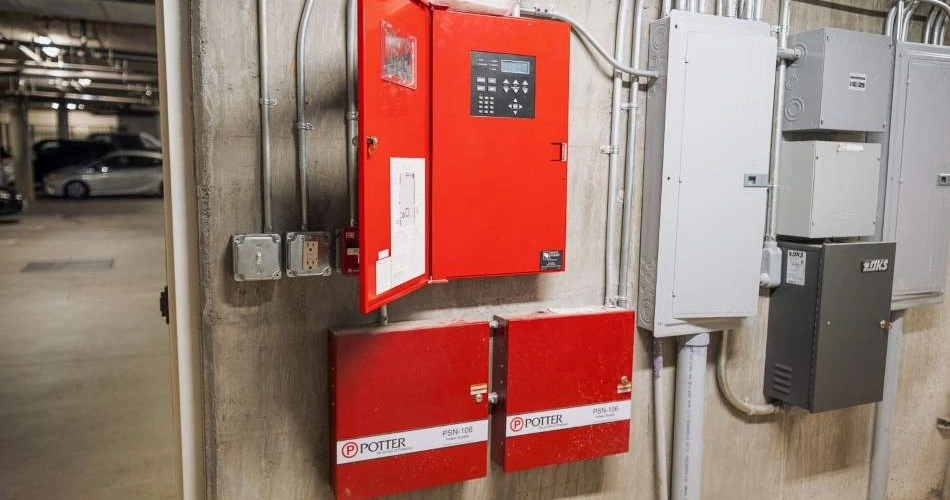
For instance, fire alarm panels must be tested to confirm signals reach monitoring centers. Sprinkler systems require visual inspections, flow tests, and valve supervision checks. Fire pumps demand performance testing under load conditions.
What Inspectors Expect To See In Your Records
Moreover, inspectors must document results in detail. Reports should include:
- Date of inspection
- Name and license number of technician
- Description of tests performed
- Deficiencies found
- Corrective actions taken
These records must remain accessible for review by fire officials. In the event of an emergency or complaint, the city can request proof of compliance.
Los angeles fire code regulation 4 does not leave room for guesswork here. It defines expectations clearly, which reduces disputes and increases accountability. While that may sound strict, it ultimately protects occupants and first responders alike.
Operational Permits and Hazardous Materials
When Your Operations Trigger Extra Requirements
Another major component of Regulation 4 involves operational permits. Certain activities and materials require special authorization from the fire department. These may include high pile storage, flammable liquids, compressed gases, and industrial processes.
Before engaging in such operations, businesses must apply for permits and meet safety standards. Additionally, they must renew permits as required and comply with inspection schedules.
Why A Business License Is Not Enough
This aspect of the regulation often surprises business owners. They may assume a general business license covers everything. However, fire related permits operate separately. Therefore, staying informed prevents violations and unexpected shutdowns.
Kord Fire Protection technicians frequently assist facilities in reviewing their operations. By identifying permit triggers early, they help businesses avoid the unpleasant surprise of a notice posted on the front door.
Quick Comparison: What Regulation 4 Covers Versus What It Does Not
Covered Under Regulation 4
- Installation standards for fire systems
- Inspection and testing schedules
- Operational fire permits
- Documentation and record keeping
- Maintenance requirements
Not Covered Under Regulation 4
- General building aesthetics
- Interior design choices
- Landscaping preferences
- Non safety related renovations
- Routine janitorial tasks
This simple contrast helps property owners focus their efforts. Regulation 4 addresses life safety systems and compliance processes. It does not dictate paint colors or lobby furniture choices, even if some managers might wish it did for consistency.
Why Compliance Matters More Than Ever
Beyond Fines: The Real Cost Of Noncompliance
Los Angeles continues to grow, and so do its risks. High density housing, mixed use developments, and complex infrastructure demand strong safety standards. Regulation 4 supports that demand.
Noncompliance can result in citations, fines, or even temporary closure. More importantly, it can place lives at risk. Fire spreads quickly, and malfunctioning systems can turn manageable incidents into tragedies.
Making Compliance A Habit, Not A Headache
Because of this, many property owners partner with qualified fire protection providers rather than attempting to navigate requirements alone. Kord Fire Protection technicians regularly emphasize proactive planning. They encourage clients to schedule inspections early, maintain organized records, and address small deficiencies before they become major liabilities.
After all, in the world of fire safety, hope is not a strategy. Preparation is.
Common Questions About Los Angeles Fire Code Regulation 4
Staying Ahead of the Curve
Turning Code Requirements Into Everyday Habits
Understanding los angeles fire code regulation 4 is not about memorizing legal language. Instead, it is about recognizing responsibilities and taking consistent action. With proper planning, compliance becomes part of routine operations rather than a stressful scramble before inspections.
Experienced professionals, including Kord Fire Protection technicians, play a key role in this process. They interpret requirements clearly, perform detailed inspections, and help property owners build systems that stand up to scrutiny. More importantly, they provide peace of mind.
Conclusion and Next Steps
Fire safety is not the place for shortcuts. Los Angeles fire code regulation 4 sets the standard, and meeting it protects both property and people. Property owners who want clarity, compliance, and confidence should consult trained experts who understand the code inside and out. Kord Fire Protection technicians stand ready to guide buildings through inspections, permits, and maintenance with precision and care.
If your building includes fire pumps, standpipes, or complex alarm systems, consider scheduling a dedicated Regulation 4 testing service to verify that every component is performing as required. You can also layer in ongoing fire pump service to keep pressure, flow, and documentation fully aligned with both NFPA and local Los Angeles requirements.
Schedule a professional review today and ensure every system works exactly when it matters most.
Know Your Weapon Before You Fight the Flame
Kord Fire Protection is your go-to when it comes to all things fire protection. For over 20 years, we’ve been serving Southern California with the quality service and equipment to keep your home or business safe at all times. Our competitive prices reflect our unwavering commitment to protecting what matters most in the event of a fire emergency. Give us a call, send an email, or use that form!

Join Our Newsletter!
Get the latest fire safety tips delivered straight to your inbox From our Newsletter.