Los Angeles Commercial Fire Code Requirements Guide
Los Angeles is a city of ambition. Restaurants open before sunrise. Film studios hum through the night. Warehouses move goods while most people sleep. Yet behind the bright lights and business deals sits a serious framework that keeps it all safe: los angeles commercial fire code requirements. These local rules, shaped by the California Fire Code and enforced by the Los Angeles Fire Department, guide how buildings are built, maintained, and protected from fire risk.
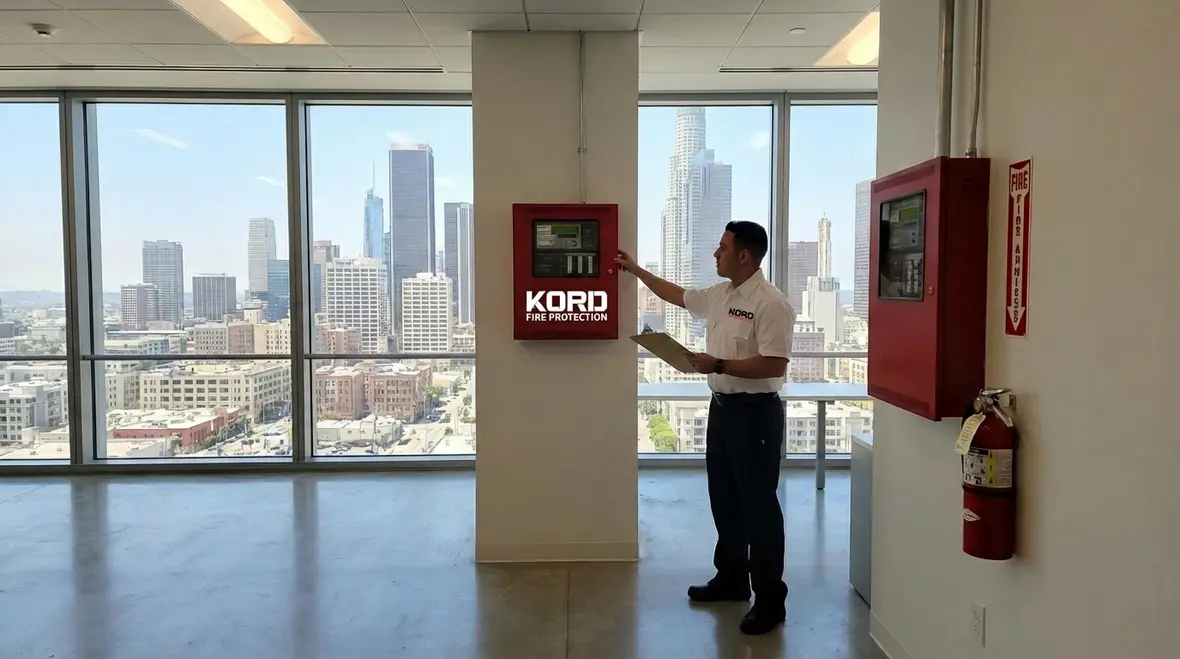
Business owners who understand these standards do more than avoid fines. They protect lives, property, and reputation. And as Kord Fire Protection technicians often explain in calm, steady tones, compliance is not about fear. It is about foresight. It is about building a business that stands strong long after the ribbon cutting photos fade.
Understanding Los Angeles Commercial Fire Code Requirements
At its core, the city fire code outlines how commercial spaces must prevent, detect, and respond to fire. However, the details go far beyond placing a red extinguisher on the wall and calling it a day.
Los Angeles adopts the California Fire Code with local amendments. Therefore, businesses must follow both state and city specific rules. These cover:
Construction standards
Fire rated walls, ceilings, and doors limit how flames spread. The code specifies materials and installation methods. If a contractor cuts corners, inspectors notice.
Fire alarm systems
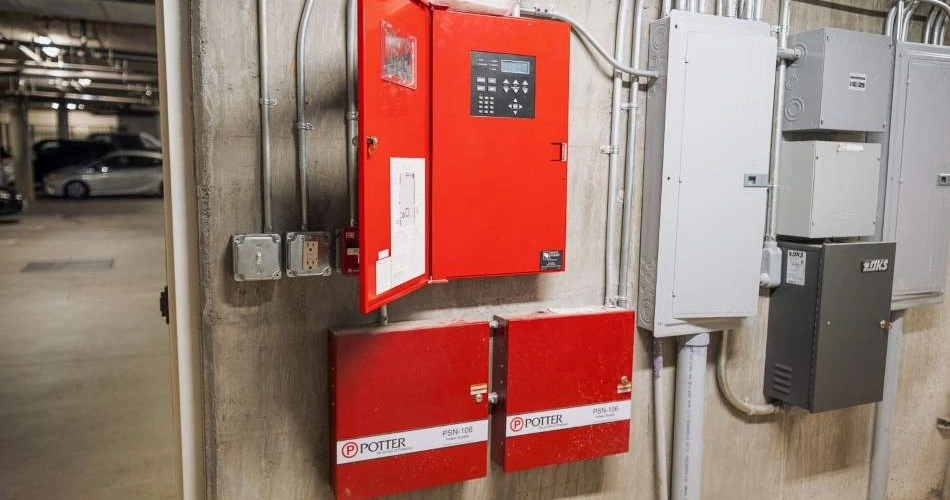
Most commercial buildings require monitored alarm systems. These systems must meet placement, testing, and maintenance standards.
Automatic sprinkler systems
Many occupancy types, especially restaurants, high rises, and warehouses, require sprinklers. Moreover, these systems must undergo regular inspections and testing. If you’re unsure whether your building needs sprinklers or how they should be designed, reviewing a resource like Kord Fire Protection’s overview of commercial fire sprinkler system requirements in Los Angeles can be a useful starting point.
Occupant load and egress
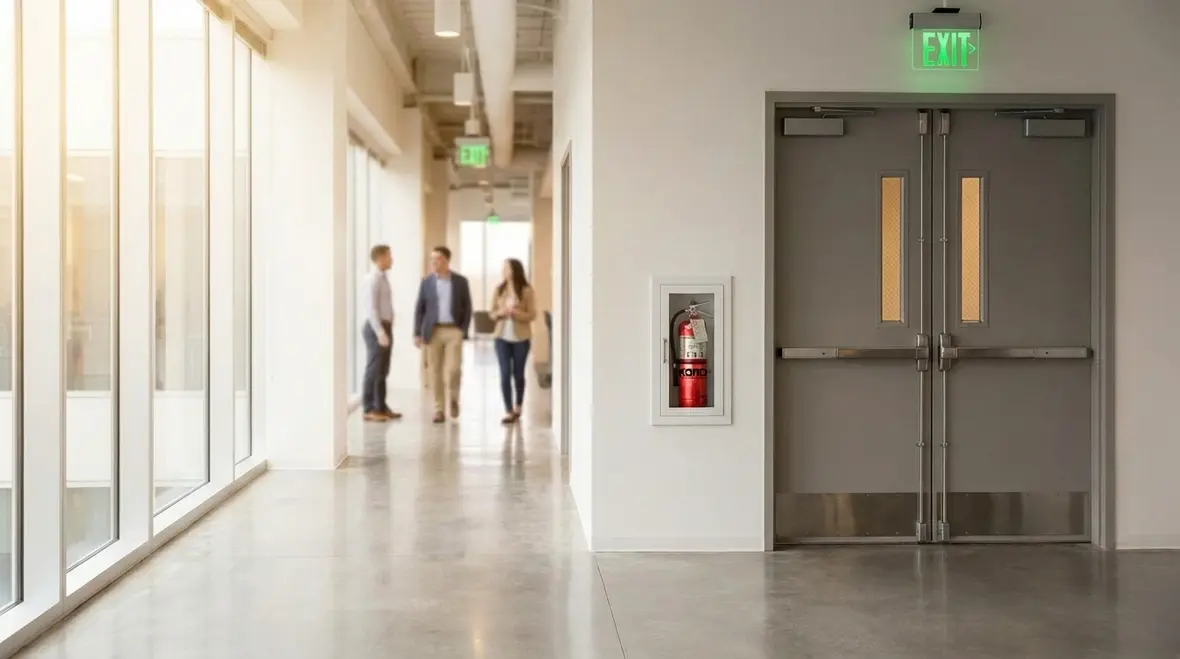
The code determines how many people may safely occupy a space and how they exit during an emergency. Exit signs, emergency lighting, and unobstructed pathways are not optional décor.
Kord Fire Protection technicians often remind clients that compliance is a moving target. Codes update. Buildings change. Tenants shift. Consequently, a system that passed inspection five years ago may not pass today.
How Do Fire Code Inspections Work in Los Angeles?
Business owners often ask what to expect during an inspection. The answer is both simple and detailed.
First, the Los Angeles Fire Department schedules routine inspections based on occupancy type and risk level. High hazard facilities see inspectors more often. Restaurants, auto shops, and large assembly spaces sit high on that list.
During the visit, inspectors review:
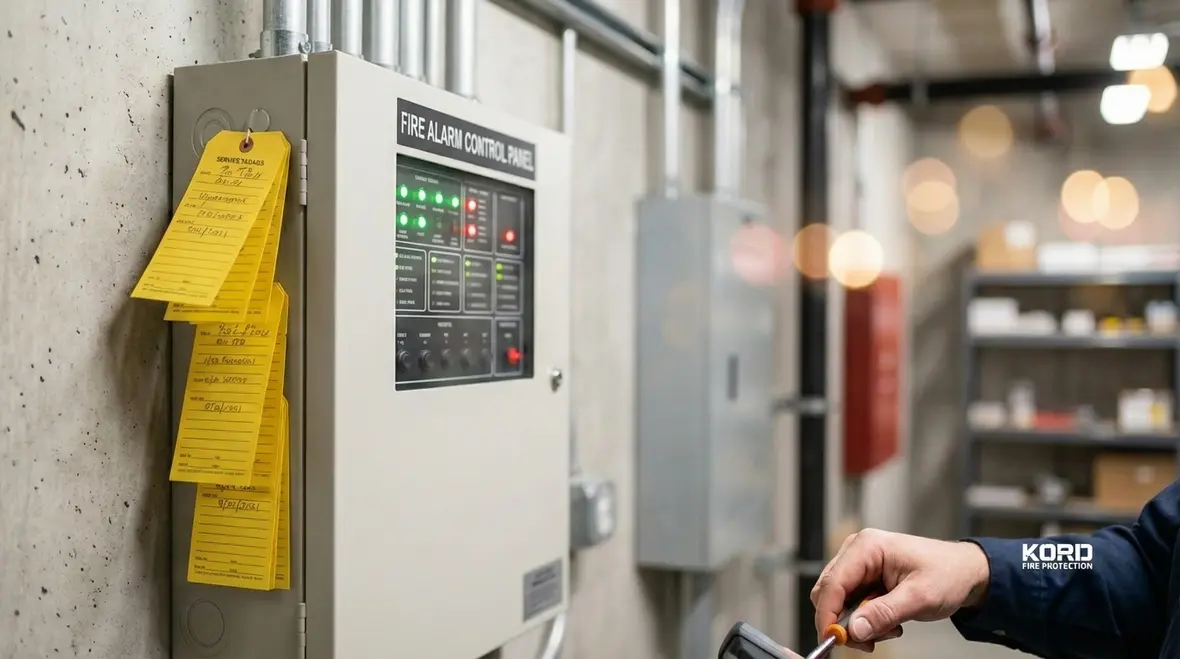
Fire alarm control panels
They check for current service tags and verify monitoring connections.
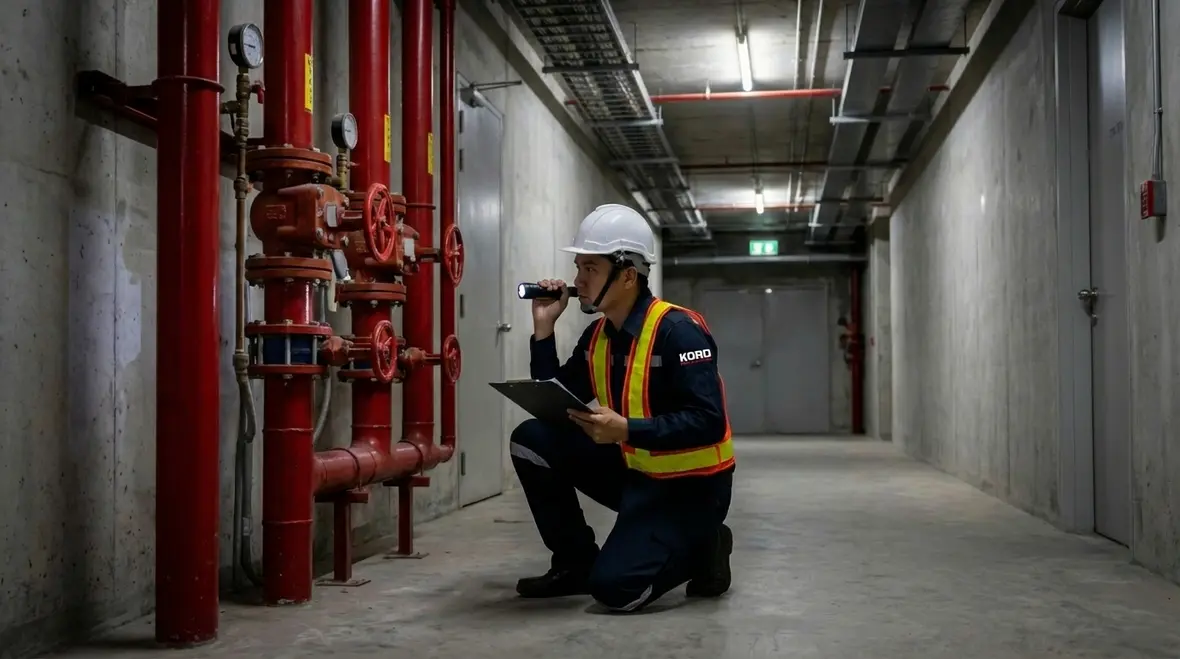
Sprinkler risers and valves
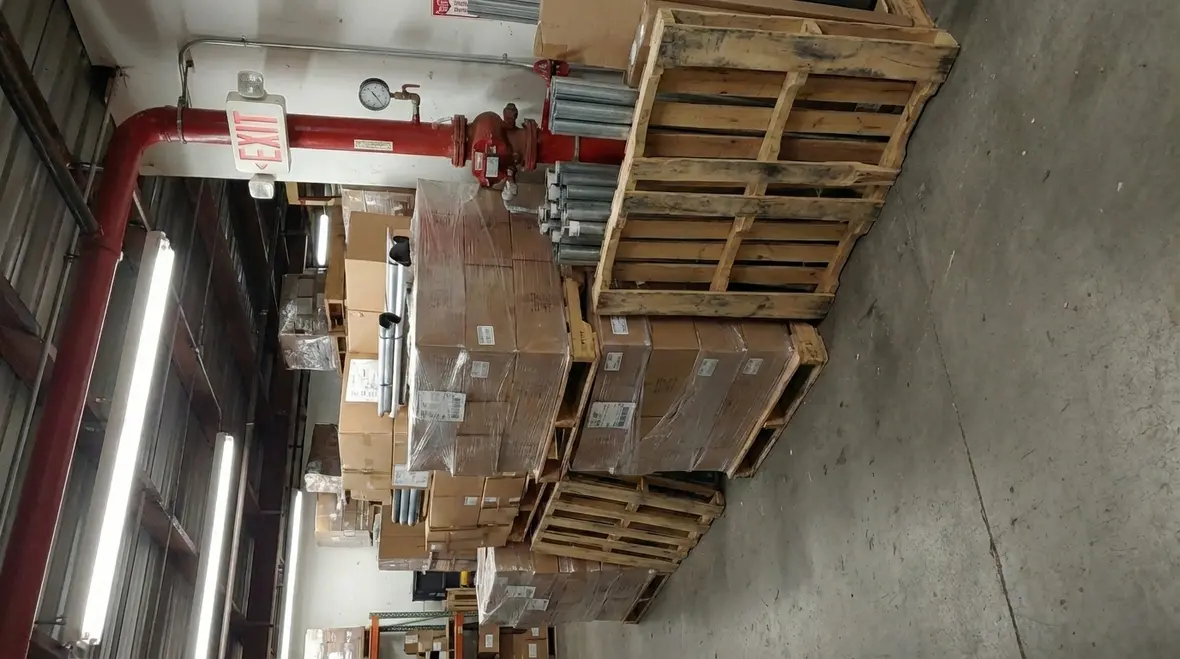
Inspectors confirm valves remain accessible and properly labeled. A storage box blocking a riser might seem harmless. It is not.
Extinguishers
Units must be correctly mounted, fully charged, and inspected annually.
Electrical panels
Clear space must surround panels. Stacked inventory in front of them is a common violation.
Exit pathways
Doors must open freely. Exit signs must illuminate. Panic hardware must function.
Furthermore, inspectors review documentation. Maintenance logs matter. Without proof of testing, even a working system may trigger a correction notice.
Kord Fire Protection technicians often prepare businesses before these visits. They walk through properties, identify weak points, and correct issues early. As they like to say, it is better to meet the inspector with confidence than with crossed fingers.
Core Systems Every LA Business Must Maintain
While every occupancy differs, several systems form the backbone of compliance with local commercial fire regulations.
Fire Alarm Systems
These systems detect smoke, heat, or flame and alert occupants. However, installation alone is not enough. The code requires routine testing, battery checks, and central station monitoring in many cases. Additionally, any renovation that alters walls or ceilings may require device relocation.
Fire Sprinkler Systems
Sprinklers control fires before they spread. Annual inspections, five year internal pipe inspections, and regular valve checks are mandatory. If a warehouse changes storage height, the sprinkler design may need review. Storage configurations affect water flow needs. This is not guesswork. It is math and hydraulics.
Fire Extinguishers
Extinguishers must match the hazard. A commercial kitchen requires a Class K extinguisher. An office may require ABC units. Placement, signage, and monthly visual checks support compliance.
Commercial Kitchen Hood Suppression
Restaurants face strict standards. Hood systems must undergo semiannual inspections. Grease buildup is not only unpleasant. It is fuel. Consequently, cleaning schedules and suppression system testing carry serious weight.
Because these components interact, neglecting one can compromise the whole system. Kord Fire Protection technicians emphasize integration. They look at how alarms trigger sprinklers, how suppression systems tie into gas shutoffs, and how monitoring signals reach dispatch centers.
Common Compliance Mistakes That Cost Businesses Money
Even well run companies slip up. However, most violations stem from preventable oversights.
Ignoring permit requirements
Renovations often require fire department permits. Moving walls, adding equipment, or changing occupancy can trigger system updates. Skipping permits may lead to stop work orders.
Poor record keeping
Inspection tags fade. Paperwork disappears in desk drawers. Yet inspectors expect clear documentation. Digital logs now make this easier. Still, someone must maintain them.
Blocked equipment
Stockrooms grow crowded. Decorations creep into hallways. Over time, access shrinks. Unfortunately, emergency responders need clear pathways, not obstacle courses worthy of a reality show.
Outdated systems
Technology evolves. Older alarm panels may lack required features. As codes update, retrofits become necessary.
Therefore, proactive planning saves money. Fines, reinspection fees, and business interruptions often cost more than regular maintenance. In a city where rent alone can raise eyebrows, unnecessary penalties feel especially painful.
Fire Code Compliance Across Different Industries
Not all businesses face identical obligations. Although the foundation remains the same, specific requirements vary by industry.
Restaurants and Cafés
Kitchen hood suppression systems
Grease duct cleaning
Proper fuel shutoff valves
High occupant load planning
Retail Stores
Clear aisles and exits
Proper storage heights under sprinklers
Seasonal display management
Warehouses
Commodity classification review
Rack storage sprinkler design
Forklift charging station safety
Office Buildings
Emergency lighting coverage
Alarm notification audibility
Fire drill coordination
Each category intersects with los angeles commercial fire code requirements in unique ways. For example, warehouse operators must evaluate how pallet height affects sprinkler discharge patterns. Meanwhile, restaurant owners focus heavily on grease management and hood system reliability.
Kord Fire Protection technicians tailor guidance to each environment. They do not offer one size fits all solutions. Instead, they assess real world operations and align them with current fire safety standards in Los Angeles.
Planning for Renovations and Tenant Improvements
Los Angeles businesses rarely stand still. Spaces evolve. New tenants move in. Brands refresh their look. However, even cosmetic updates may affect compliance.
When walls shift or ceilings open, fire alarm devices may need relocation. Similarly, adding private offices can alter smoke detection coverage. Increased occupant loads may require additional exits or hardware upgrades.
Before construction begins, owners should consult fire protection professionals. Kord Fire Protection technicians often review architectural plans and flag concerns early. This approach prevents costly redesigns mid project.
Moreover, permit coordination with the fire department ensures systems pass final inspection without delay. In a competitive market, time equals revenue. Therefore, smooth approvals protect both safety and profit.
Staying Ahead of Changing Fire Safety Standards in Los Angeles
Codes do not freeze in time. They update on regular cycles. As risks evolve and technology improves, requirements shift.
For instance, new energy storage systems, such as lithium ion batteries, introduce fresh hazards. Consequently, the city may impose added safeguards for certain installations. High rise buildings also face periodic retroactive requirements.
Business owners who treat compliance as a one time task often fall behind. Instead, leaders schedule routine reviews. They track updates to municipal fire safety rules. They budget for upgrades.
Kord Fire Protection technicians serve as guides in this landscape. They monitor code changes and advise clients accordingly. In a way, they act like translators, turning dense regulatory language into clear action steps. And thankfully, they do it without sounding like a robot reading a law book.
Frequently Asked Questions
Building a Safer Future for Your Los Angeles Business
Fire code compliance is not paperwork for paperwork’s sake. It protects employees, customers, and investments. Moreover, it strengthens a company’s reputation in a city that values resilience. Business owners who understand and follow los angeles commercial fire code requirements position themselves for long term success.
Kord Fire Protection technicians stand ready to explain, inspect, and guide each step. Connect with professionals who treat safety as a priority, not an afterthought, and build a foundation that lasts. To go a step further, partner with a team that understands Los Angeles County fire protection services from design and installation to testing and Regulation 4 compliance, so your building stays ready for the next inspection and the next decade.
Know Your Weapon Before You Fight the Flame
Kord Fire Protection is your go-to when it comes to all things fire protection. For over 20 years, we’ve been serving Southern California with the quality service and equipment to keep your home or business safe at all times. Our competitive prices reflect our unwavering commitment to protecting what matters most in the event of a fire emergency. Give us a call, send an email, or use that form!

Join Our Newsletter!
Get the latest fire safety tips delivered straight to your inbox From our Newsletter.