
Lawndale Fire Safety Guidelines for Property Owners
Fire Safety Guidelines for Lawndale Properties
Every property in Lawndale stands on a simple promise: protect lives first, protect buildings second. The Lawndale fire safety guidelines exist to turn that promise into action. These standards outline how alarms must function, where extinguishers belong, how sprinklers should perform, and what owners must do to stay compliant. Kord Fire Protection technicians often explain that codes are not just paperwork. They are living safeguards. Moreover, when followed correctly, they reduce risk, lower liability, and keep families and businesses operating without interruption. This article walks through those expectations in clear terms, while adding a little personality. Because fire safety may be serious, but learning about it does not have to feel like watching paint dry.
Understanding the Foundation of Lawndale Fire Safety Guidelines
At the core, these local fire prevention standards focus on prevention, detection, containment, and safe evacuation. Each layer works together. Remove one, and the entire system weakens.
Prevention: Stopping Fires Before They Start
First, prevention addresses electrical systems, storage practices, and housekeeping. Overloaded outlets, for example, remain a leading cause of structure fires. Therefore, inspections target wiring conditions and power distribution. Additionally, commercial kitchens must maintain clean hood systems to prevent grease buildup. No one wants their lunch rush turning into a scene from an action movie.
Detection: Early Warnings That Buy You Time
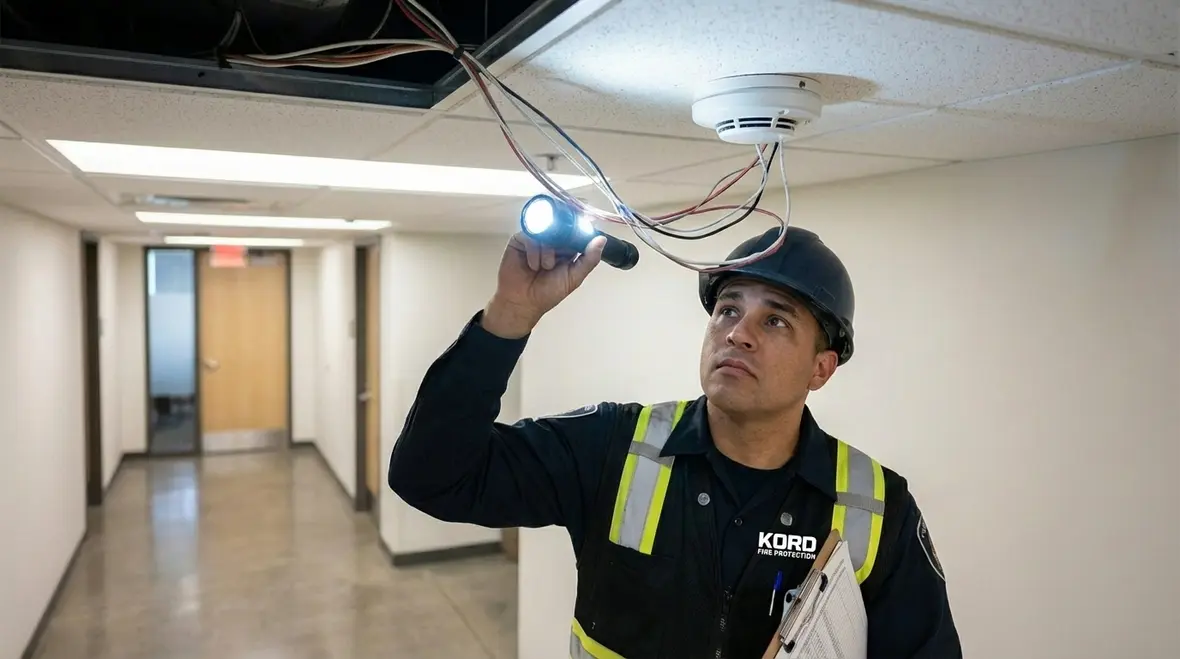
Second, detection ensures early warning. Smoke alarms, heat detectors, and monitored fire alarm systems must operate without failure. Kord Fire Protection technicians often demonstrate how quickly smoke spreads through a test chamber. Within seconds, visibility drops. Within minutes, conditions become deadly. Consequently, early detection saves lives more reliably than heroic last minute escapes.
Containment: Keeping Fire From Taking Over
Third, containment depends on fire rated walls, doors, and sprinkler systems. These elements slow the spread. As a result, occupants gain precious time to exit safely.
What Fire Protection Systems Are Required in Lawndale Properties?
Property owners often ask what systems they actually need. The answer depends on occupancy type, size, and building layout. However, certain protections appear consistently.
Fire Alarm Systems
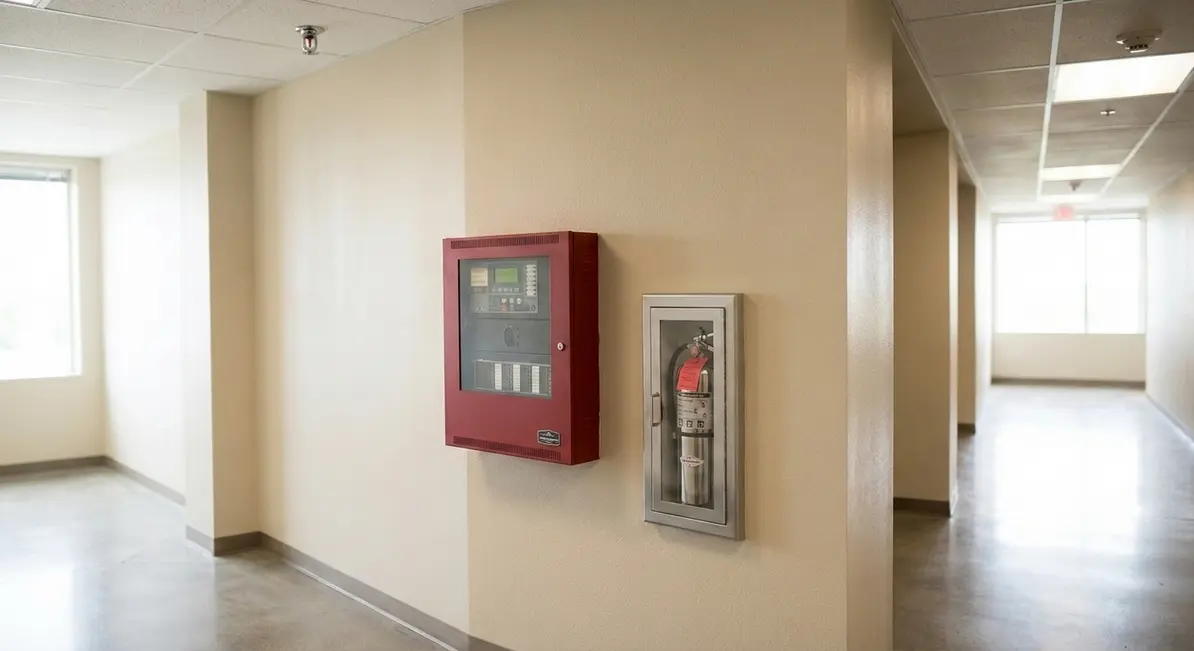
Most commercial buildings require monitored alarm systems. These systems must undergo routine testing and annual inspections. Furthermore, batteries and backup power supplies must remain operational at all times.
Fire Sprinkler Systems
Many multi family properties and commercial spaces require automatic sprinklers. These systems control fires before they spread. According to Kord Fire Protection technicians, a single sprinkler head activates only when heat reaches a specific point. Despite what movies suggest, they do not all go off at once unless necessary.
Portable Fire Extinguishers
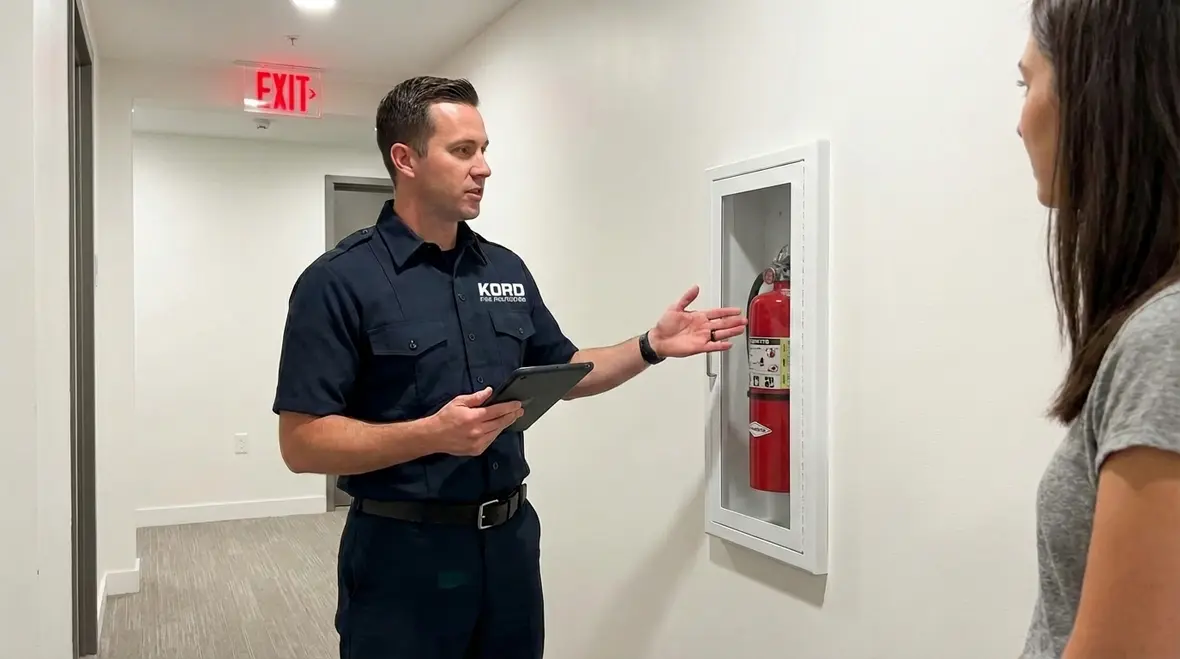
Extinguishers must match the hazard class. For instance, a kitchen needs a different extinguisher than an office supply room. Additionally, units require monthly visual checks and annual professional servicing.
Ultimately, compliance with local building fire codes ensures each system works together as one coordinated defense. For broader context on how Kord Fire supports code-compliant systems across the county, many Lawndale owners review the Los Angeles County fire protection services overview and adapt those best practices locally.
Inspection Schedules and Compliance Expectations
Even the best equipment fails without maintenance. Therefore, inspection schedules play a critical role in meeting municipal fire safety standards.
Kord Fire Protection technicians often explain that inspections are like routine health checkups. They catch small issues before they become emergencies. For example, a corroded sprinkler pipe might look harmless. However, under pressure, it can fail at the worst possible moment.
Typically, property owners must follow:
- Monthly visual inspections of extinguishers
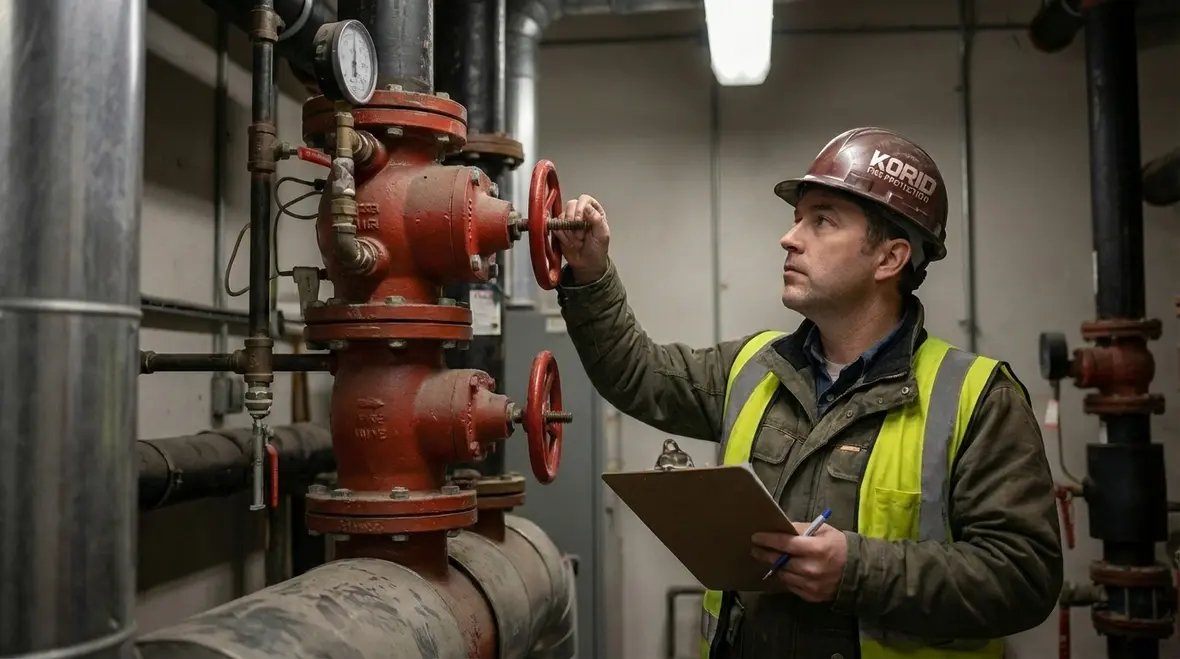
- Quarterly sprinkler valve checks
- Annual alarm testing and certification
- Five year internal pipe inspections for sprinkler systems
Moreover, documentation matters. Inspectors request records, not verbal assurances. Keeping organized logs demonstrates compliance and reduces legal exposure. In addition, digital reporting systems now simplify record storage, making paper binders feel almost prehistoric.
How Property Owners Can Prevent Fire Hazards Before They Start
Prevention requires more than equipment. It demands awareness and consistent habits.
Storage and Housekeeping Rules
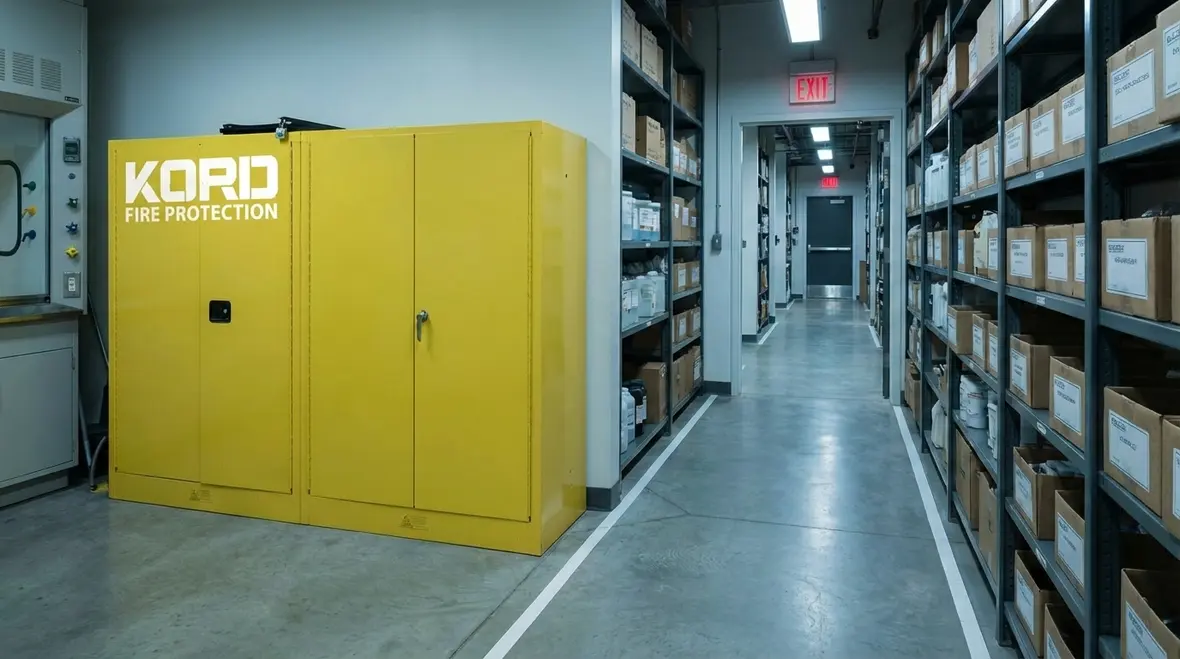
First, property managers should enforce clear storage rules. Flammable materials must stay away from ignition sources. Cleaning supplies, paint, and fuels require proper cabinets. Furthermore, hallways and stairwells must remain unobstructed. A blocked exit defeats the purpose of having one.
Electrical Safety and Hidden Hazards
Second, electrical safety deserves attention. Routine checks for frayed cords and overloaded circuits reduce risk significantly. Kord Fire Protection technicians frequently note that many fires start quietly, behind walls, where faulty wiring overheats over time.
Training, Drills, and Everyday Awareness
Third, staff training strengthens every other measure. Employees and tenants should know evacuation routes and alarm sounds. Practice drills improve response time. Although drills may feel inconvenient, they prepare people for moments when seconds count. And yes, someone will always treat it like an unexpected coffee break. Still, practice builds muscle memory.
Residential vs Commercial Requirements in Lawndale
Not all properties face identical standards. While both must follow local fire prevention regulations, the level of protection varies.
Residential Properties
Single family homes typically require smoke alarms on every level and inside sleeping areas. Multi family buildings, however, often require monitored alarms and sprinkler systems. Additionally, landlords must maintain clear egress paths and emergency lighting in common areas.
Commercial Properties
Businesses face stricter oversight. Restaurants must maintain hood suppression systems. Warehouses storing combustible materials require specialized sprinkler designs. Office buildings need illuminated exit signage and panic hardware on certain doors.
Because commercial spaces host larger groups of people, their compliance standards increase accordingly. As Kord Fire Protection technicians explain, higher occupancy means higher responsibility.
Common Violations Found During Inspections
Even well intentioned owners make mistakes. However, recurring violations often appear during inspections.
Operational Issues
- Blocked fire extinguishers
- Expired inspection tags
- Disabled alarm panels
- Closed sprinkler control valves
Structural Concerns
- Improperly sealed wall penetrations
- Damaged fire rated doors
- Missing ceiling tiles
- Obstructed exit signage
Although some of these may seem minor, they compromise the entire protection system. For instance, a single propped open fire door can allow smoke to travel rapidly. Consequently, small oversights create large consequences.
Working with Kord Fire Protection Technicians
Compliance becomes far easier with experienced professionals involved. Kord Fire Protection technicians bring technical knowledge and practical insight. They do not simply check boxes. Instead, they explain why each requirement exists.
During consultations, they review building layouts, assess hazard levels, and recommend upgrades where necessary. Moreover, they provide hands on demonstrations that show property managers how systems function. That clarity builds confidence.
They also stay current with updates to the Lawndale fire safety guidelines. Codes evolve. Therefore, ongoing education ensures property owners remain aligned with new standards. In the long run, proactive upgrades cost far less than emergency repairs or legal penalties.
If you manage properties in or around Lawndale and want a deeper look at regional best practices, pair these guidelines with county wide insights from the Los Angeles County fire protection hub to keep every site inspection ready.
FAQs About Fire Safety in Lawndale
Conclusion
Fire safety is not a one time task. It is an ongoing commitment. By following the Lawndale fire safety guidelines and partnering with Kord Fire Protection technicians, property owners strengthen protection at every level. Moreover, proactive compliance preserves lives, investments, and peace of mind. Those who wait for warning signs often learn lessons the hard way.
Instead, take action today. Schedule inspections, update systems, and ensure every property stands ready for whatever sparks may come. When you are ready to extend these best practices beyond Lawndale or coordinate service across multiple locations, explore Kord Fire’s broader Los Angeles County fire protection services and request a quote for a tailored fire safety plan.
Know Your Weapon Before You Fight the Flame
Kord Fire Protection is your go-to when it comes to all things fire protection. For over 20 years, we’ve been serving Southern California with the quality service and equipment to keep your home or business safe at all times. Our competitive prices reflect our unwavering commitment to protecting what matters most in the event of a fire emergency. Give us a call, send an email, or use that form!

Join Our Newsletter!
Get the latest fire safety tips delivered straight to your inbox From our Newsletter.


