Full Lifecycle of Fire Protection Servicing
Understanding the Full Lifecycle of Fire Protection Equipment Servicing
There is something quietly heroic about a fire protection system. It waits in the background, never asking for applause, ready to act in seconds. Yet behind that silent readiness lies a detailed process known as the Full Lifecycle of Fire Protection. From design and installation to inspection, maintenance, and eventual replacement, each stage plays a role in keeping people and property safe. Kord Fire Protection technicians often explain that a fire system is less like a gadget and more like a living responsibility. It needs care, attention, and the occasional firm handshake with a wrench. This article walks through every phase of that journey, calmly and clearly, so building owners can understand what truly keeps the alarms ready and the sprinklers poised.
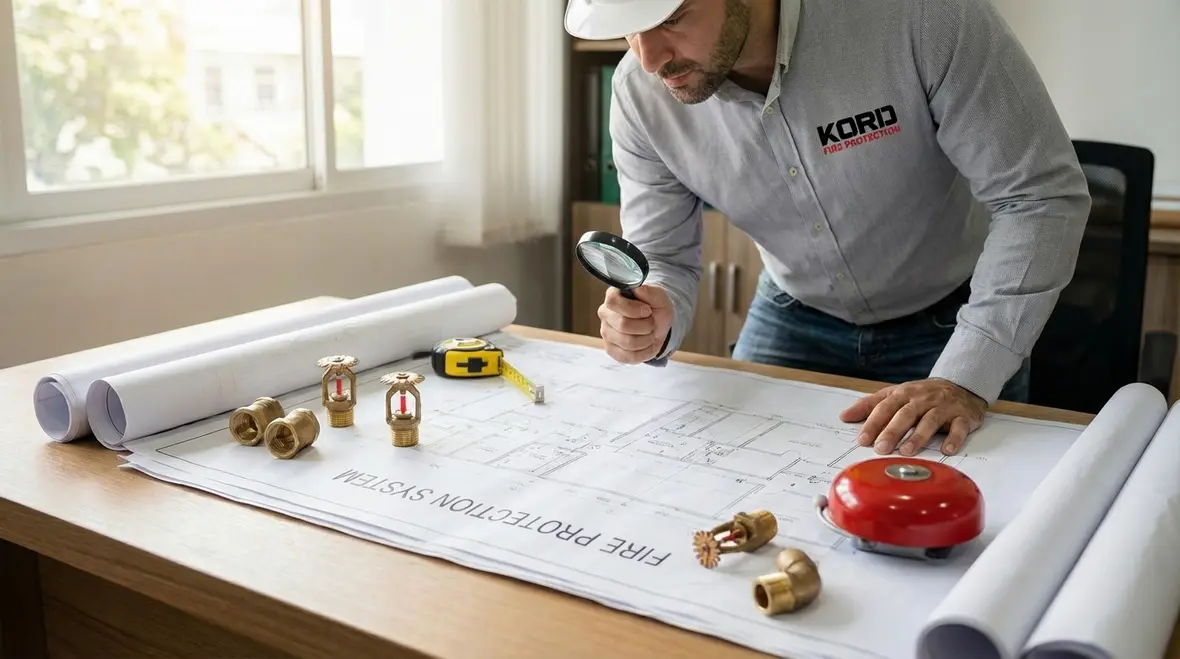
Planning and Design: Laying the Groundwork for Reliable Protection
Before a single pipe is fitted or a detector is wired, the lifecycle begins with thoughtful planning. First, fire risks are assessed. Then, local codes and building layouts are reviewed. Consequently, engineers design a system that matches both safety requirements and the building’s purpose.
Kord Fire Protection technicians often note that skipping proper planning is like building a house on sand. It might stand for a while, but eventually trouble knocks. During this stage, professionals determine sprinkler placement, alarm zones, suppression types, and water supply demands. Moreover, they consider future expansion. A warehouse today could become a data center tomorrow.
Because codes evolve, designers must stay current with national and local standards. Therefore, a strong design does not only protect people. It also shields businesses from fines, liability, and sleepless nights.
Connecting design to long-term servicing
A well-designed system makes the rest of the lifecycle smoother. Strategic access panels, logical zoning, and clear documentation mean faster inspections, easier troubleshooting, and fewer surprises during renovations or tenant improvements.
For building owners who want one partner from design through ongoing care, Kord’s full fire protection services keep that continuity strong from day one.
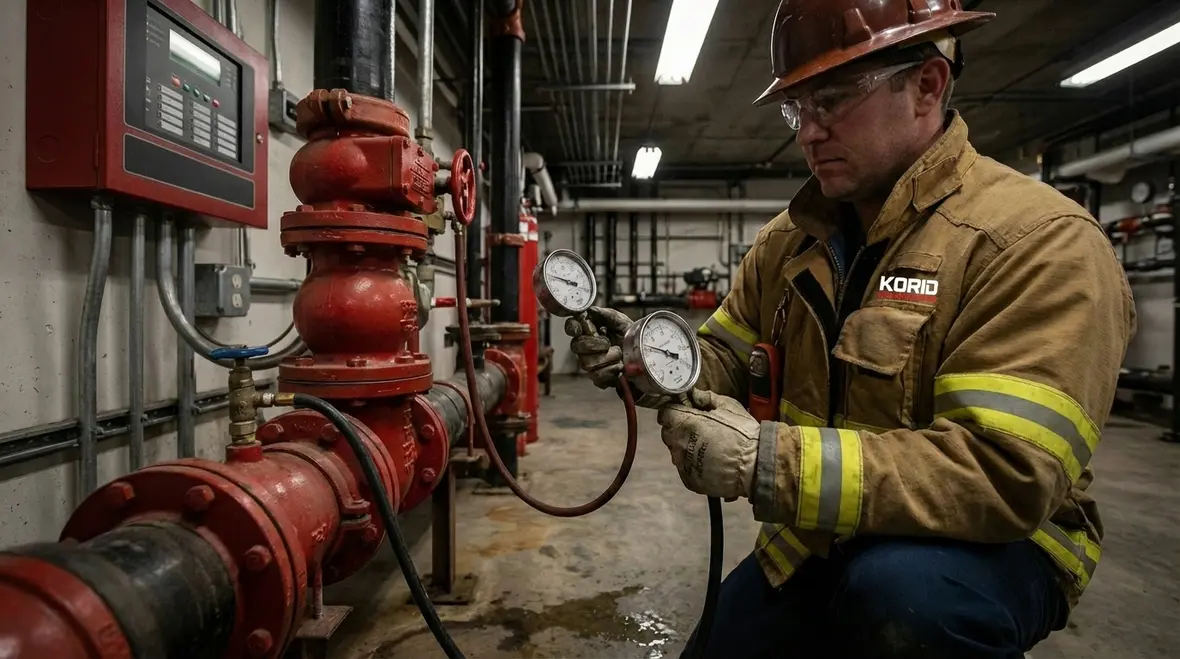
Professional Installation: Turning Blueprints into Protection
Once the plan is set, installation begins. This is where theory meets torque. Technicians install pipes, valves, control panels, alarms, and suppression systems according to approved drawings. However, precision matters. A poorly aligned sprinkler head or loose fitting can weaken the entire system.
Kord Fire Protection technicians explain that installation is not about speed. It is about accuracy. Each connection must hold pressure. Each alarm must communicate clearly. In addition, installers test components as they go, rather than waiting until the end.
Although movies make explosions look dramatic and thrilling, real fire safety professionals prefer the opposite. They aim for quiet systems that never make headlines. Proper installation ensures the system performs exactly as designed when it matters most.
Coordinating with building operations
Good installers do more than follow drawings. They coordinate with facility teams, other trades, and local fire authorities to minimize disruption and ensure that each device is accessible for the inspections and testing that will follow for years to come.
Inspection and Testing: Catching Problems Before They Catch Fire
After installation, regular inspection and testing take center stage. This phase forms a core part of the fire protection equipment lifecycle. Without it, even the best system can fail silently.
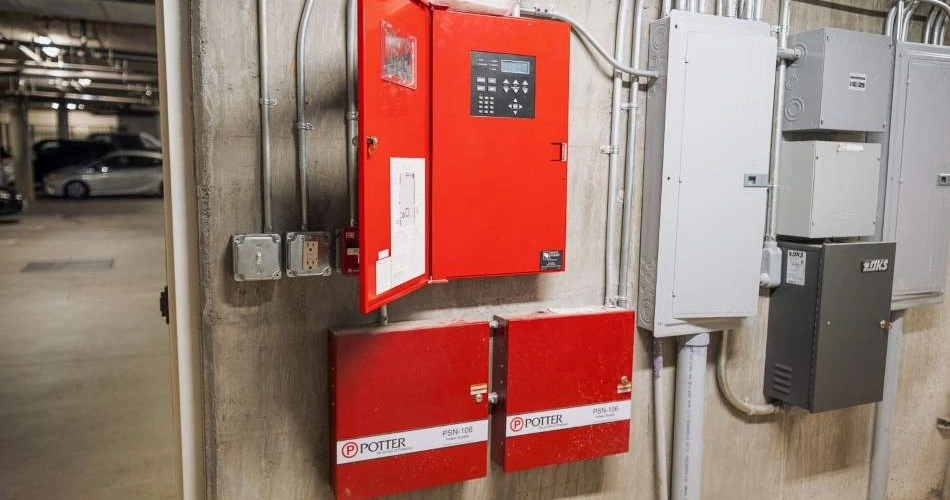
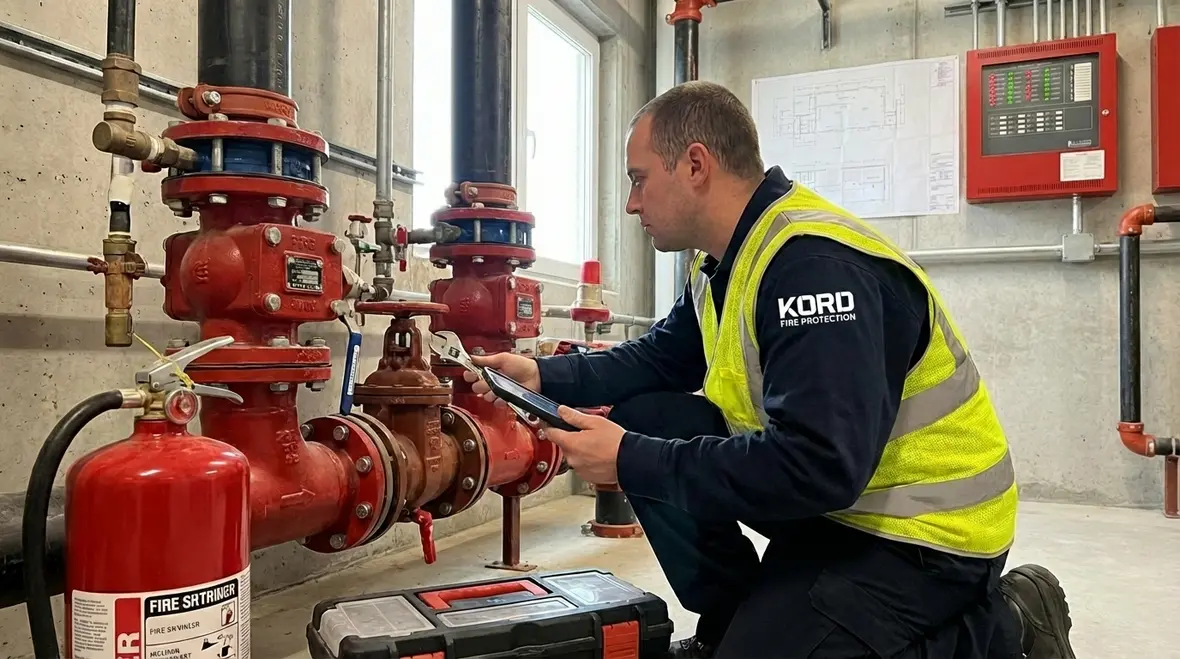
Technicians inspect valves for corrosion, test alarms for signal strength, and verify that sprinkler heads remain unobstructed. Furthermore, they check pressure levels and backup power supplies. These checks follow strict schedules set by regulatory standards.
Kord Fire Protection technicians often compare inspections to annual physical exams. No one wakes up excited for one. Yet skipping it rarely ends well. By identifying small issues early, professionals prevent costly repairs and dangerous failures later.
Importantly, inspection records also provide proof of compliance. Therefore, building owners gain both safety and documented assurance.
Inspection, testing, and maintenance (ITM) in practice
In the field, ITM schedules vary by system type. Sprinklers, alarms, fire pumps, and extinguishers each have their own cadence of monthly, quarterly, annual, and multi-year tests. Partnering with a provider that manages the calendar helps prevent missed deadlines and last-minute scrambles before an AHJ visit.
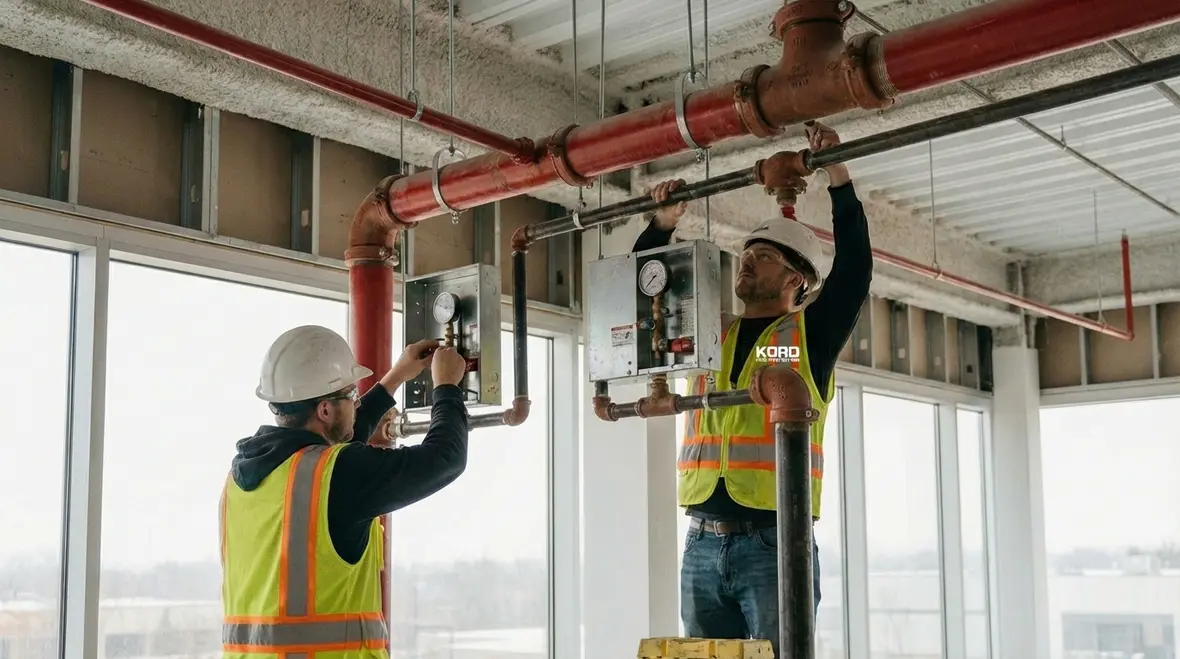
Preventive Maintenance: Extending the Life of Your System
While inspections identify problems, preventive maintenance solves them before they grow. This stage keeps the entire system in peak condition.
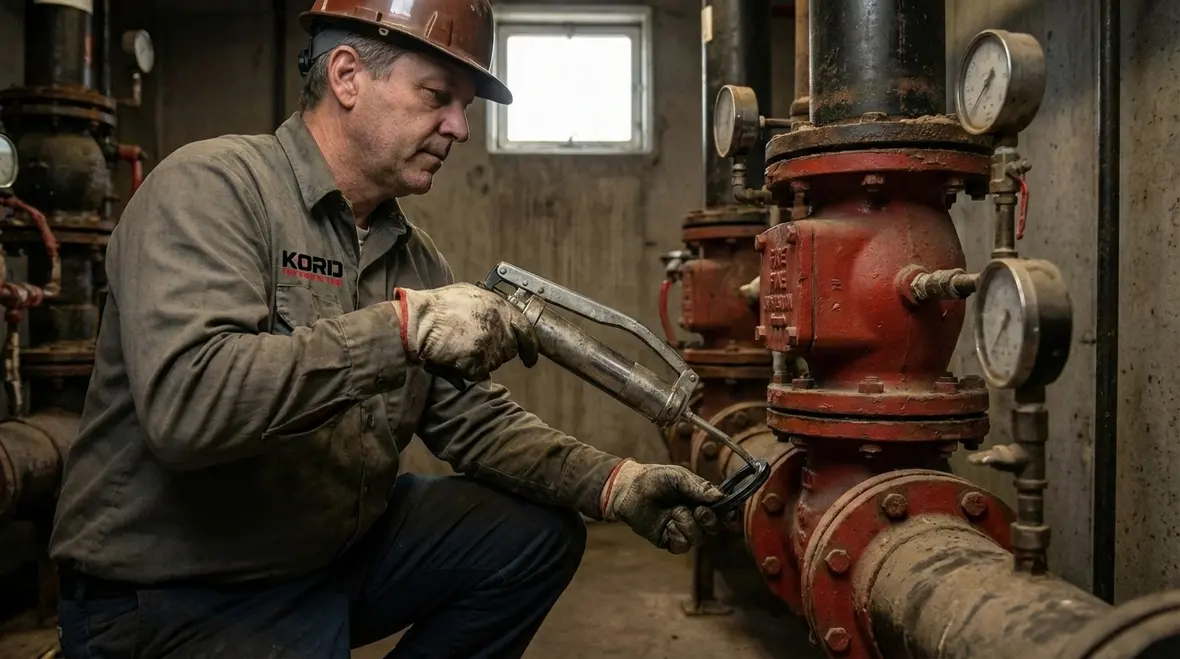
Maintenance tasks may include lubricating valves, replacing worn seals, recalibrating sensors, and flushing pipes to remove debris. Over time, dust, temperature changes, and normal wear can weaken components. However, consistent care restores performance.
Reactive vs. preventive maintenance
Reactive Approach
- Waiting for a failure to occur
- Higher emergency repair costs
- Increased downtime risk
- Greater liability exposure
Preventive Approach
- Addressing wear before breakdown
- Predictable maintenance budgeting
- Continuous operational readiness
- Strong compliance documentation
As Kord Fire Protection technicians explain, prevention may seem quiet and routine. Nevertheless, it preserves both equipment and peace of mind. And peace of mind, unlike a spare sprinkler head, is hard to store on a shelf.
Repairs and System Upgrades: Adapting to Change
No system remains untouched by time. Eventually, parts wear out or regulations change. Therefore, repairs and upgrades become necessary.
Repairs address immediate faults such as damaged pipes, faulty detectors, or malfunctioning control panels. Meanwhile, upgrades focus on improvement. For example, a facility may transition from older alarm technology to smart monitoring systems that send alerts directly to emergency services.
Kord Fire Protection technicians emphasize that upgrades often improve efficiency and reliability. In addition, they help buildings meet updated codes. Although some owners hesitate at upgrade costs, modern systems often reduce long term expenses through better monitoring and fewer false alarms.
Change may feel inconvenient. However, in fire protection, standing still is rarely wise.
Planning lifecycle upgrades strategically
Rather than waiting for surprise failures, many owners schedule phased upgrades by system type or building area. Coordinating this work with other projects—like tenant improvements or roof replacements—can reduce disruption and stretch budgets further.
When Should Fire Protection Equipment Be Replaced?
Every component has a lifespan. Sprinkler heads, alarms, extinguishers, and suppression systems eventually reach the end of reliable service. So how does one know when replacement is necessary?
First, manufacturers provide lifespan guidelines. Second, inspection data reveals performance trends. If repairs become frequent, replacement may be more cost effective. Additionally, major renovations often trigger system updates to meet current standards.
Kord Fire Protection technicians explain that replacement decisions rely on evidence, not guesswork. They review inspection logs, performance history, and regulatory changes. Then, they present clear recommendations.
Although replacing equipment can feel like saying goodbye to an old friend, it is wiser than trusting outdated hardware during an emergency. After all, nostalgia does not extinguish flames.
If you are trying to sort out replacement timelines for extinguishers specifically, Kord’s detailed fire extinguisher replacement guide walks through real-world lifespan and service expectations.
Documentation and Compliance: The Silent Guardian
Paperwork may not sound exciting. Yet documentation forms a powerful part of the fire safety system lifespan. Inspection reports, maintenance logs, and service records prove compliance with fire codes and insurance requirements.
Moreover, accurate records create continuity. If management changes, new leaders can quickly understand system history. Consequently, informed decisions replace guesswork.
Kord Fire Protection technicians stress that organized documentation protects more than buildings. It protects reputations. In the event of an incident, detailed records demonstrate responsible oversight.
While no one frames inspection reports on the wall, these documents quietly stand guard in filing cabinets and digital archives. They tell the story of diligence.
The Human Element Behind Every System
Technology matters. Codes matter. Equipment matters. However, skilled technicians remain the driving force behind the Full Lifecycle of Fire Protection. Their training, attention to detail, and steady judgment ensure each phase connects smoothly to the next.
Kord Fire Protection technicians often spend time educating clients. They explain how systems operate, what warning signs to watch for, and why maintenance schedules must stay consistent. As a result, clients become active partners in safety rather than passive observers.
Fire protection may not have the glamour of a superhero film. Still, behind every reliable system stands a team committed to preparation instead of panic. And unlike in the movies, real heroes prefer that nothing dramatic ever happens.
Frequently Asked Questions
Conclusion: Protect What Matters Most
Fire protection is not a single event. It is an ongoing commitment that spans design, installation, inspection, maintenance, and renewal. Each stage strengthens the next, forming a chain of readiness that never sleeps. Kord Fire Protection technicians stand prepared to guide building owners through every step with clarity and care. Connect with their team today and ensure your system remains ready, reliable, and resolute for years to come.
If you are looking for a single partner to support your system’s entire lifecycle—from first design conversation through inspections, testing, and upgrades—explore Kord’s comprehensive fire protection services. When you are ready to schedule a walkthrough or request a quote, you can reach the team directly through the contact page and put a long-term plan in place to protect what matters most.
Know Your Weapon Before You Fight the Flame
Kord Fire Protection is your go-to when it comes to all things fire protection. For over 20 years, we’ve been serving Southern California with the quality service and equipment to keep your home or business safe at all times. Our competitive prices reflect our unwavering commitment to protecting what matters most in the event of a fire emergency. Give us a call, send an email, or use that form!

Join Our Newsletter!
Get the latest fire safety tips delivered straight to your inbox From our Newsletter.