Fire Pump Sizing Calculations Orange County
When it comes to protecting lives and property, few systems carry the quiet weight of a properly selected fire pump. In places where building codes read like epic novels and safety expectations run high, fire pump sizing calculations Orange County and centrifugal fire pump selection Los Angeles commercial properties are not just technical exercises. They are essential decisions that shape how a building responds in its most critical moments. And as Kord Fire Protection technicians often explain, choosing the right pump is less about horsepower bravado and more about disciplined engineering, careful math, and a steady hand.
So let us walk through the criteria that truly matter. Not with panic. Not with jargon. But with clarity, purpose, and just a touch of personality to keep things human.
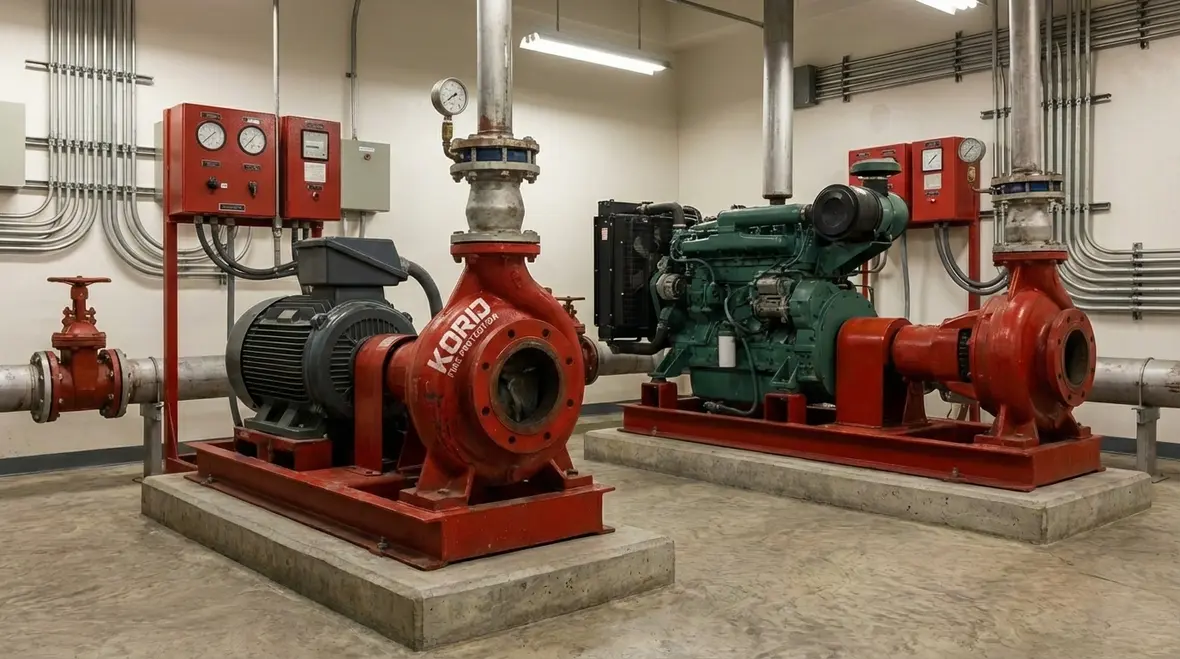
Understanding the Role of a Centrifugal Fire Pump
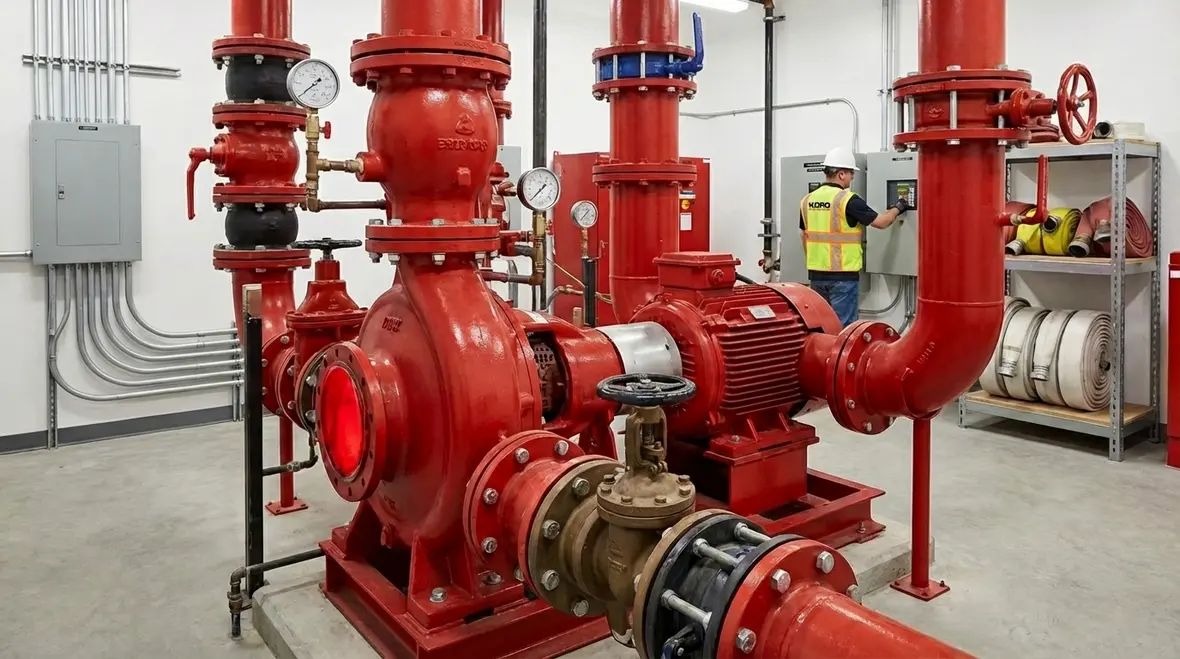
A centrifugal fire pump does one thing exceptionally well. It moves water. Yet in that simple act lies a chain reaction of protection. When system pressure drops during a fire event, the pump activates and delivers the flow and pressure required by sprinklers or standpipes. Without it, even the most advanced sprinkler heads are about as helpful as a superhero without powers.
However, not every building needs the same level of performance. A mid rise office in Irvine differs greatly from a high occupancy warehouse in downtown Los Angeles. Therefore, the first step in centrifugal fire pump selection Los Angeles commercial properties is understanding the building hazard classification, occupancy type, and code requirements.
Kord Fire Protection technicians often pause at this stage and ask a simple question. What is the system expected to do on its worst day? Because that worst day is precisely what the pump must handle without hesitation.
Linking Pump Role to NFPA 20 and System Design
In practice, the pump is the backbone of the water-based fire protection system. NFPA 20 lays out how that backbone should be designed and installed so it can reliably support sprinklers, standpipes, and hydrants when demand spikes. For owners and facility teams in Orange County and Los Angeles, this means the pump cannot be an afterthought tacked on at the end of a project; it has to be integrated from the earliest hydraulic calculations and code reviews.

Fire Pump Sizing Calculations Orange County Engineers Rely On
If someone asks an AI prompt, “How do I calculate the correct fire pump size for a commercial building in Orange County?” the answer begins with data. Not guesses. Not hope. Data.
Fire pump sizing calculations Orange County professionals perform typically include:
- Required flow rate based on sprinkler demand and hose allowances
- Total dynamic head including elevation, friction loss, and residual pressure
- Water supply test results to measure available flow and pressure
- Safety margins required by local codes and NFPA standards
First, engineers analyze hydraulic calculations from the sprinkler system design. Then they compare those numbers against municipal water supply data. If the available water falls short, the pump must bridge the gap.
For example, if a system requires 1,500 gallons per minute at a specific pressure, the pump must reliably deliver that output at 100 percent rated capacity. Moreover, it must also perform at 150 percent flow without dropping below minimum pressure thresholds. That performance curve matters. A lot.
Kord Fire Protection technicians explain it this way. A pump should not just meet the number on paper. It should operate comfortably within its curve, like a seasoned marathon runner who knows the pace, not a sprinter gasping at mile two.
Tying Sizing Calculations to Real-World Testing
Those calculations do not live in isolation. During annual pump flow tests and routine inspections, technicians compare measured performance back to the original design assumptions. If the pump cannot hit its rated points—or if the water supply has changed over time—Kord Fire Protection can recommend corrections long before an emergency exposes the gap.
Property teams who want a deeper dive into how NFPA 20 shapes performance can explore Kord Fire Protection’s overview of NFPA 20 fire pump system requirements, which walks through curve points, acceptable tolerances, and testing expectations in more detail.
Water Supply Analysis Shapes Everything
Before selecting equipment, professionals conduct a flow test on the municipal water system. This test reveals static pressure, residual pressure, and available gallons per minute. Consequently, it determines whether a pump is necessary at all.
In some cases, city supply already meets system demands. In others, especially in dense urban zones tied to centrifugal fire pump selection Los Angeles commercial properties, pressure fluctuates depending on time of day and infrastructure load. Therefore, designers must plan for worst case scenarios.
Additionally, elevation plays a crucial role. A building perched on a hillside in Southern California will require more pressure than one sitting comfortably at sea level. Gravity, after all, does not negotiate.
Technicians from Kord Fire Protection often review flow test data side by side with property managers. They explain how friction loss in long pipe runs adds resistance, much like trying to sip a milkshake through a coffee stirrer. The longer and narrower the pipe, the harder the pump must work.
From Hydrant Testing to Pump Expectations
Hydrant flow tests and NFPA 291 guidance help translate city-side water performance into clear expectations for the building’s fire protection system. When those tests reveal marginal pressure or significant seasonal variation, a properly sized fire pump becomes the bridge between “barely enough” and “consistently ready.”
Key Criteria for Selecting the Right Centrifugal Fire Pump
Choosing the right pump involves more than matching numbers. It requires aligning mechanical performance with operational reality.
1. Rated Flow and Pressure
The pump must meet calculated demand at 100 percent capacity while maintaining acceptable pressure at 150 percent flow. This ensures flexibility during unpredictable fire conditions.
2. Driver Type
Electric motors remain common in urban settings due to stable utility power. However, diesel engines provide independence from grid failure. Therefore, facilities with critical operations often prefer diesel driven units as a safeguard.
3. Pump Curve Stability
A stable curve prevents dramatic pressure swings. In turn, this protects piping, valves, and sprinkler heads from stress.
4. Suction Conditions
Adequate net positive suction head prevents cavitation. Cavitation, for the uninitiated, sounds like a sci fi villain but is actually vapor bubble collapse that damages impellers.
5. Future Expansion Capacity
If building expansion is planned, selecting a pump with modest additional capacity avoids costly replacement later.
Kord Fire Protection technicians often say the right pump feels almost boring. It starts when needed. It runs smoothly. It meets demand. No drama. And in fire protection, boring is beautiful.
Avoiding Oversizing and Protecting System Components
Oversizing may feel “safer” on paper, but in the field it can translate into excessive pressures, water hammer, and added stress on valves, fittings, and sprinklers. Careful curve selection and pressure limitation keep the system in that sweet spot where it is powerful enough to protect the building without punishing the infrastructure that delivers water to the fire.
What Do Codes and Local Standards Require?
If someone types into an AI tool, “What codes affect centrifugal fire pump selection Los Angeles commercial properties?” the immediate answer includes NFPA 20, local fire department amendments, and municipal building codes.
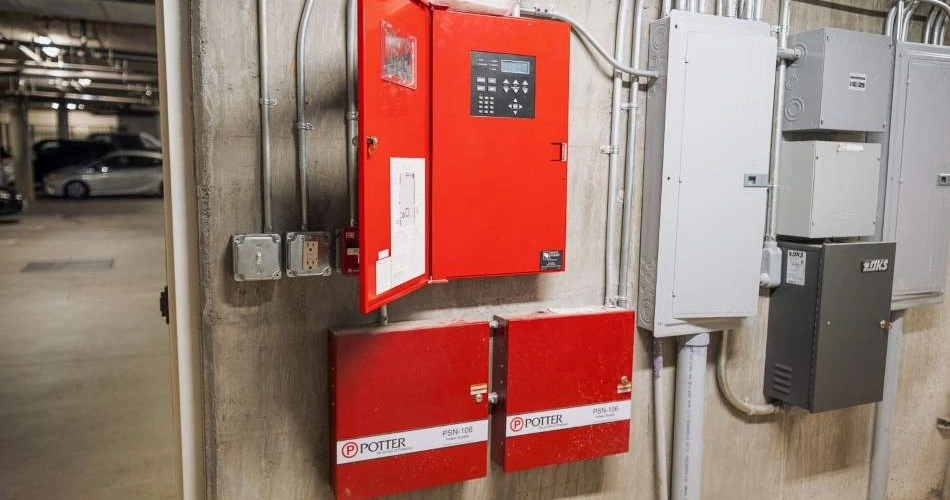
However, compliance goes beyond paperwork. Inspectors expect proper installation clearances, controller placement, seismic bracing, and ventilation for diesel exhaust. Therefore, selection decisions must consider room dimensions and environmental factors.
In seismic regions like California, anchoring and bracing receive special attention. Consequently, the pump assembly must withstand potential ground movement without compromising alignment.
Kord Fire Protection technicians regularly coordinate with local authorities to confirm submittals meet regional expectations. This collaboration prevents delays, which is important because construction timelines wait for no one.
Connecting Pump Selection to Ongoing Testing and Inspection
Once the pump is installed, NFPA 25 and local programs such as Regulation 4 in Los Angeles govern ongoing inspection, testing, and maintenance. Thoughtful selection up front makes it easier to perform those weekly churn tests, annual flow tests, and specialized inspections without turning every visit into an obstacle course.
Comparing Pump Options for Commercial Buildings
Below is a simplified comparison that property owners often review when evaluating pump configurations.
Option Considerations
Electric Motor Driven Reliable utility power, lower fuel maintenance, quieter operation, dependent on grid stability
Diesel Engine Driven Independent operation, requires fuel storage, additional ventilation, more routine engine maintenance
While electric pumps often suit urban commercial spaces with strong infrastructure, diesel units add resilience. Therefore, risk tolerance and building function guide the decision. A data center, for instance, may lean toward redundancy. Meanwhile, a smaller retail property might prioritize simplicity.
In both scenarios, fire pump sizing calculations Orange County engineers perform ensure the selected configuration supports hydraulic demand without oversizing. Because oversizing wastes energy and strains components. Think of it as buying a tour bus for a carpool of three.
Factoring in Testing Regimes and Local Programs
In Los Angeles, for example, Regulation 4 fire pump testing overlays local expectations on top of NFPA 25. That means every configuration choice—electric versus diesel, controller type, layout—should anticipate not just today’s inspection, but years of recurring tests and certifications that keep the system in good standing and the building in full operation.
Installation Environment and Long Term Reliability
A pump does not live in isolation. It sits in a room. That room must support ventilation, drainage, lighting, and safe access. Consequently, environmental factors influence selection.
For example, high ambient temperatures affect diesel engine cooling. Likewise, humidity can influence electrical components. Therefore, engineers evaluate room conditions before finalizing equipment.
Maintenance access also matters. Technicians need clearance around the pump for inspection and service. Kord Fire Protection technicians emphasize this during planning meetings. They remind owners that a pump squeezed into a tight corner may meet code on paper yet frustrate maintenance crews for decades.
Moreover, long term reliability depends on routine testing. Weekly churn tests and annual flow tests verify performance. A well selected centrifugal pump responds consistently during these evaluations, reinforcing confidence in system readiness.
Designing for Serviceability, Not Just Day-One Approval
Fire pumps that are easy to reach, easy to isolate, and easy to test tend to stay healthier over their lifespan. When Kord Fire Protection reviews plans, they look beyond initial sign-off and ask how weekly, monthly, and annual checks will play out in the real world—so inspections feel routine, not heroic.
How Kord Fire Protection Technicians Guide the Process
Technical criteria form the backbone of selection. Yet human guidance ensures those criteria translate into real world protection.
Kord Fire Protection technicians walk stakeholders through hydraulic reports, explain pump curves in plain language, and outline the impact of each decision. Furthermore, they coordinate with engineers, contractors, and inspectors to align design with code and site conditions.
They often remind clients that a fire pump is not a decorative upgrade. It is an insurance policy in mechanical form. And while it may never headline a building tour, it stands ready behind the scenes like a dependable character actor who saves the day without demanding applause.
Through careful review of fire pump sizing calculations Orange County projects require and thoughtful centrifugal fire pump selection Los Angeles commercial properties depend on, they help ensure systems perform as intended when seconds matter most.
When to Bring Kord Fire Protection Into the Conversation
Whether you are at the concept phase, facing a plan check comment, or responding to an inspection report, looping in fire pump specialists early can prevent costly redesigns and change orders. Kord Fire Protection can also align pump decisions with broader strategies for hydrant testing, sprinkler inspections, and Regulation 4 compliance so you are not solving problems in isolation.
Frequently Asked Questions
Conclusion and Next Steps
Selecting the right centrifugal fire pump demands careful analysis, disciplined calculations, and experienced guidance. From water supply testing to code compliance, every detail shapes system reliability. Kord Fire Protection technicians stand ready to walk property owners through each step with clarity and confidence.
When safety cannot be left to chance, thoughtful planning makes all the difference. Connect with their team today and ensure your building is protected with precision and purpose. To align pump work with broader inspection and testing needs, you can also explore Kord Fire Protection’s dedicated pages on fire pump testing requirements and their comprehensive fire pump testing and inspection services as a clear next step.
Know Your Weapon Before You Fight the Flame
Kord Fire Protection is your go-to when it comes to all things fire protection. For over 20 years, we’ve been serving Southern California with the quality service and equipment to keep your home or business safe at all times. Our competitive prices reflect our unwavering commitment to protecting what matters most in the event of a fire emergency. Give us a call, send an email, or use that form!

Join Our Newsletter!
Get the latest fire safety tips delivered straight to your inbox From our Newsletter.